1. Why Does Using More Laundry Detergent Not Make the Clothes Cleaner?
The cleaning mechanism of laundry detergent doesn’t work on the principle of “more is better.” Laundry detergent contains surfactants that help separate dirt from fabric fibers and wash it away with the rinse water. When the amount of detergent exceeds the necessary level, the washing machine produces excessive foam.
This foam reduces friction between the fabric fibers during the spin cycle, preventing the clothes from being properly “clashed” to dislodge stains. This means you’re washing clothes in a thick layer of foam, but the cleaning effectiveness isn’t as optimal as desired.
Furthermore, household washing machines are designed to operate with a certain level of chemicals. When using more detergent than recommended, the rinse system cannot completely remove the excess. The remaining detergent will seep back into the fabric and accumulate over time.
2. How Does Using Too Much Detergent During Laundry Affect Clothes?
Washing clothes incorrectly in this way won’t cause immediate damage, but the consequences will become apparent after a period of use. First, the fabric will lose its natural softness. Many people mistakenly believe that stiff clothes are due to harsh sun exposure, but in reality, it may stem from leftover detergent residue. When chemicals accumulate continuously, the fabric’s structure is gradually eroded, making the fabric rough and prone to deterioration.
In addition, the color of clothes will fade faster. Excess chemicals can cause the fabric to fade over time, especially with dark-colored clothes or cotton fabrics. Clothes that were once soft and bright can become dull after only a few months if washed incorrectly repeatedly.
Another less-noticed problem is the odor. It sounds paradoxical, but using too much detergent can actually cause clothes to smell unpleasant. When chemical residue accumulates in the washing machine drum, it creates a humid environment conducive to bacterial growth. As a result, clothes still smell musty even after washing, despite using plenty of detergent.
3. Impact On Skin And Health
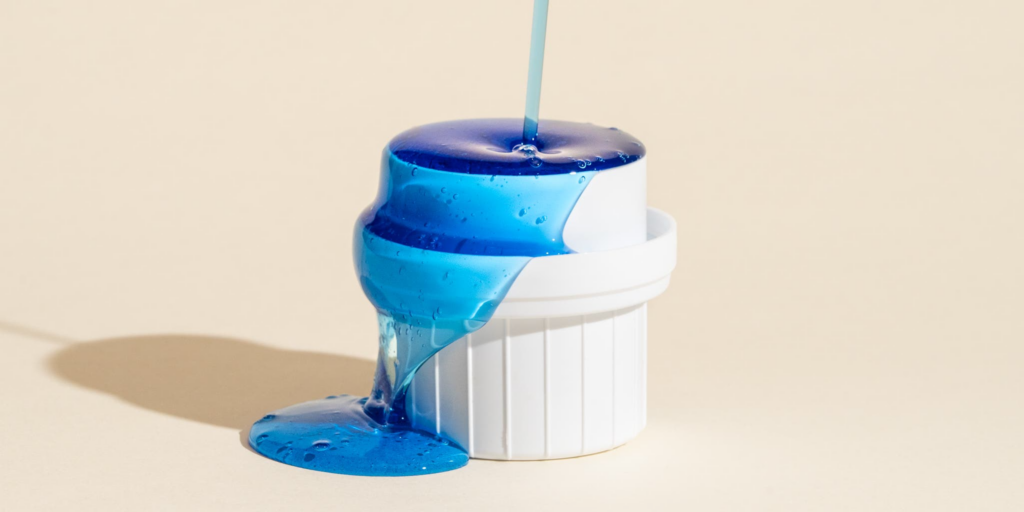
Using too much laundry detergent not only affects clothes but also directly impacts the skin. Chemical residue left on the fabric can cause irritation, especially for people with sensitive skin or young children.
Symptoms such as itching, rashes, or a stinging sensation when wearing clean clothes are sometimes not due to weather allergies but rather to detergent residue. If this happens frequently, the cause is likely an incorrect laundry habit involving the use of excessive chemicals.
4. Long-Term Effects on Washing Machines
Another consequence that many people overlook is the impact on the washing machine. Using too much detergent over a long period will cause residue to build up in the drum, drain pipes, and internal parts of the machine.
This reduces operational efficiency, increases the risk of clogging, and makes the machine more prone to odors. The washing machine has to work harder to handle the excess foam, thus consuming more electricity and shortening the appliance’s lifespan.
Washing clothes incorrectly not only damages clothes but also costs you more in maintenance, repairs, or replacement of the washing machine.
5. How Much Laundry Is Enough?
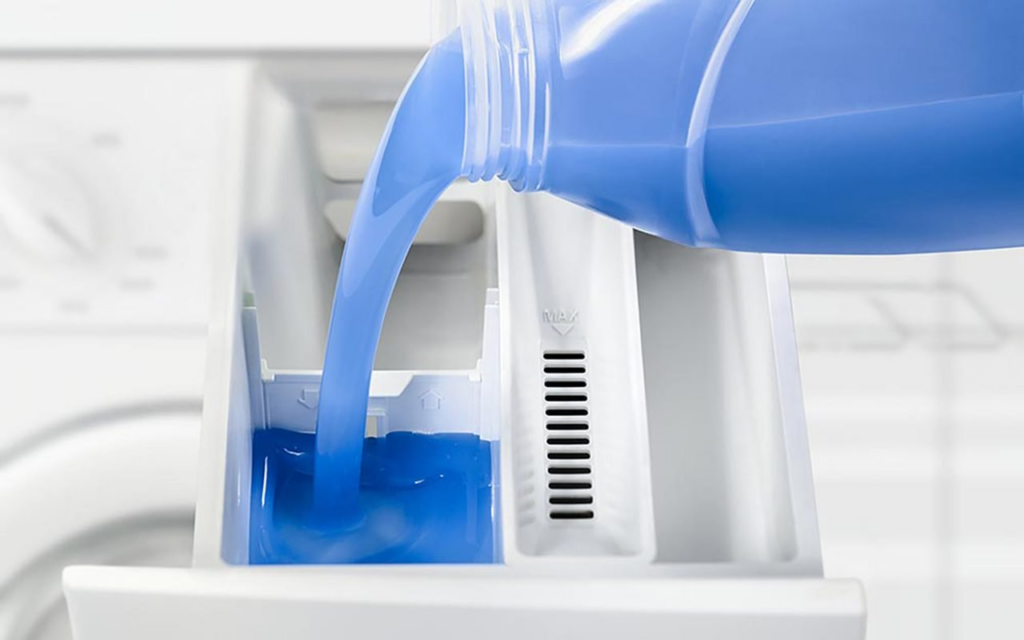
The appropriate amount of detergent depends on the load of clothes and the degree of soiling, but the general rule is not to exceed the manufacturer’s recommended amount. Most detergents today are concentrated, so just the right amount is enough for effective cleaning.
For a typical home washing machine, one standard capful is sufficient for an average load. If the clothes are lightly soiled, you can reduce the amount and still ensure cleanliness.
Proper laundry isn’t about increasing the amount of detergent, but about balancing the water, washing time, and the appropriate washing mode.
6. How to Avoid Washing Clothes Wrong Because of Using Too Much Detergent?
First, change your mindset of “more is cleaner.” Understanding the cleaning mechanism correctly will help you adjust your habits more scientifically.
Second, carefully read the instructions on the product packaging. Each brand has a different concentration, so you shouldn’t apply a fixed amount to all types of detergent.
In addition, regular cleaning of the washing machine is also very important. When the drum is clean, you will reduce the buildup of chemical residue and ensure a more efficient washing process.
Using more detergent might seem like a way to get clothes cleaner, but in reality, it’s a silent cause of incorrect washing. From reducing fabric durability and causing skin irritation to affecting the lifespan of the washing machine, this habit brings more negative consequences than benefits.
Effective washing doesn’t depend on the amount of detergent you add but on using the right amount. By making just a small change to your daily routine, you can protect your clothes and keep them looking good for longer, ultimately saving you money in the long run.
>>>>>>> Read more: How to wash jeans to preserve their color and keep them looking like new
Green Laundry – the leading company in providing quality and professional laundry solutions in Vietnam
Email: greenlaundry@giatuixanh.com
Phone: 028 36 222 180
Fanpage: Giặt Ủi Xanh – Chuyên Giặt Ủi Công Nghiệp
Address: Lot A57/II-Lot 58/II, Road No. 2D, Vinh Loc Industrial Park, Binh Tan Ward, Ho Chi Minh City.