In an era where washing machines are found in almost every household, many people still choose to hand-wash certain types of clothing. This isn’t just due to old habits, but because it’s a method that better protects the fabric, especially delicate, high-quality, or easily damaged materials. However, hand-washing isn’t simply about scrubbing vigorously in a basin of water. If done incorrectly, clothes can still stretch, pill, or fade. This article will provide a detailed guide to hand-washing correctly according to fabric type to keep your clothes looking good for longer.
1. Why Should You Hand Wash Certain Types of Clothing?
1.1 Protecting the Fabric Structure
When hand-washing, you can control the force applied to the clothes. This helps to minimize stretching, twisting, or pilling. For materials like silk, wool, or chiffon, proper hand-washing helps maintain their shape and natural softness.
1.2 Reduced Risk of Color Fading
Hand-washing typically uses a moderate amount of water and gentler pressure. As a result, the dyes on the fabric are less affected compared to washing on a strong setting in a machine.
1.3 Suitable for High-End Garments
Dresses like traditional Vietnamese dresses (áo dài), evening gowns, lace garments, and items with beadwork or hand embroidery should ideally be hand-washed to avoid damage to the details.
2. The Proper Hand Washing Procedure
To hand wash effectively and avoid damaging your clothes, you need to follow these steps instead of scrubbing directly.
2.1 Sorting Before Washing
Before you begin hand washing, sort your clothes by color and material. White clothes should not be washed with dark-colored clothes to avoid color bleeding. Each type of fabric also requires its own treatment.
2.2 Using the Right Water and Detergent
Use cool or slightly warm water (below 40°C) depending on the material. Completely dissolve the detergent before adding clothes to prevent residue from sticking directly to the fabric. When hand washing, avoid using too much bleach as it can cause the fabric fibers to deteriorate quickly.
2.3 Soak for the Right Time
Soaking clothes for 5–15 minutes is sufficient for most fabrics. Soaking for too long doesn’t clean better and can weaken the fibers, especially cotton and delicate fabrics.
2.4 Gently Rub and Rinse
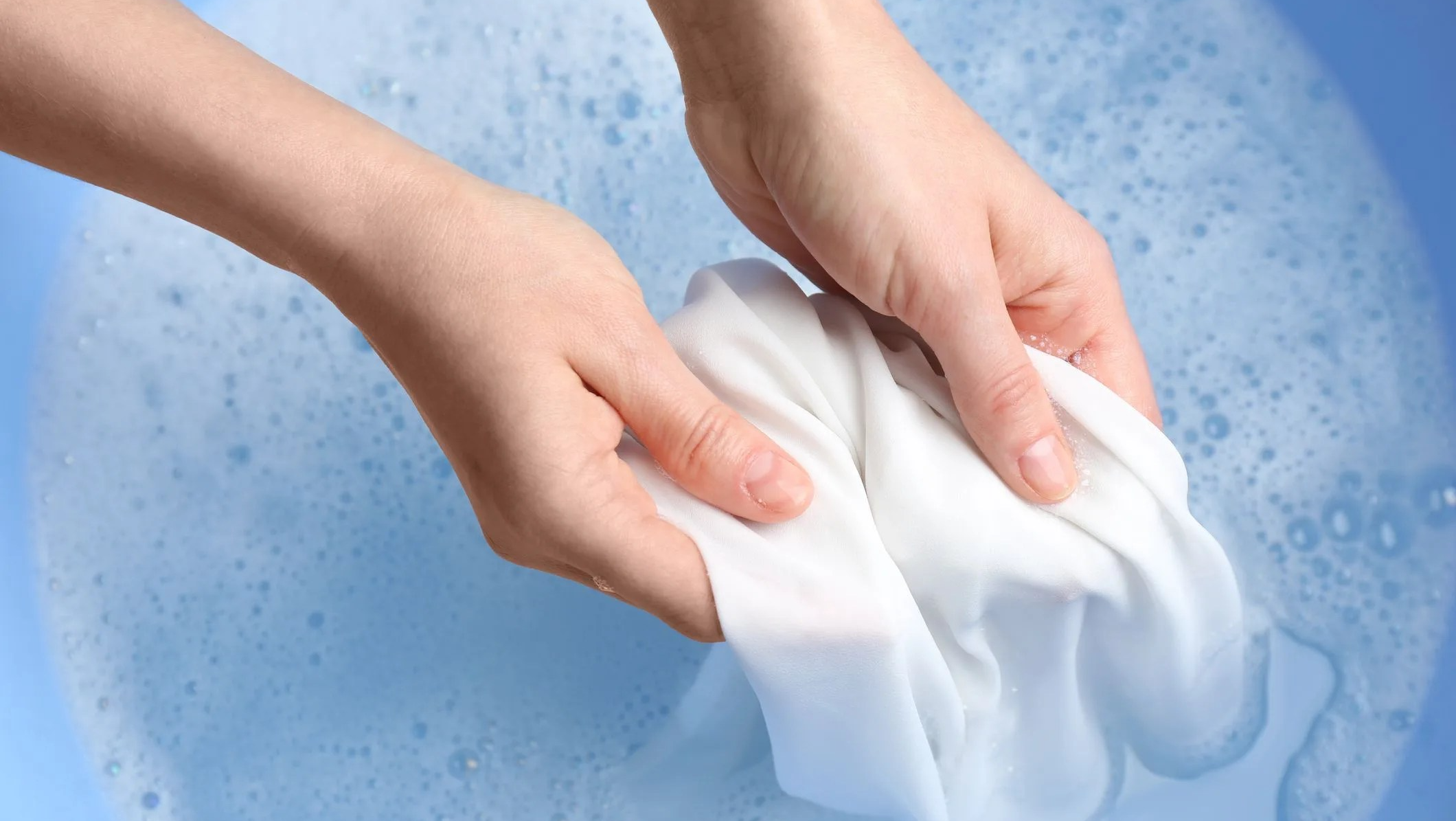
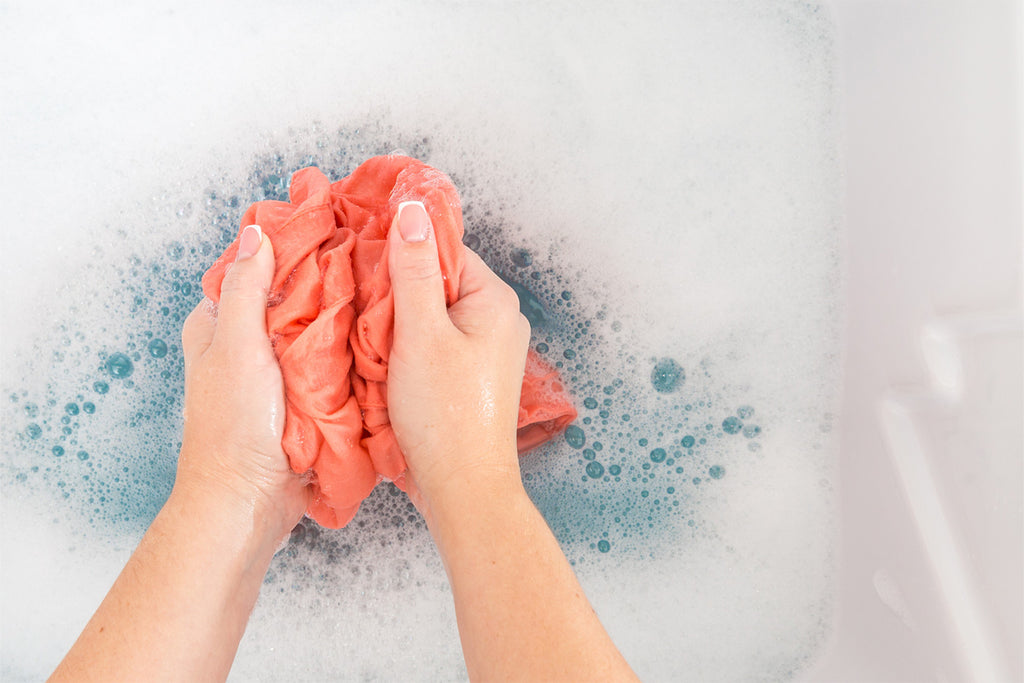
When hand washing, gently squeeze instead of scrubbing. For localized stains, gently rub the stain instead of scrubbing the entire garment. Then rinse thoroughly with clean water until all the soap suds are gone.
3. Hand Washing Instructions for Different Fabric Types
Each type of fabric has its own characteristics, so the hand-washing method needs to be adjusted accordingly.
3.1 Cotton Fabric
Cotton is a common and relatively durable material. However, cotton can shrink if water is too hot. When hand-washing cotton, use cool or lukewarm water, gently rub, and avoid wringing too forcefully.

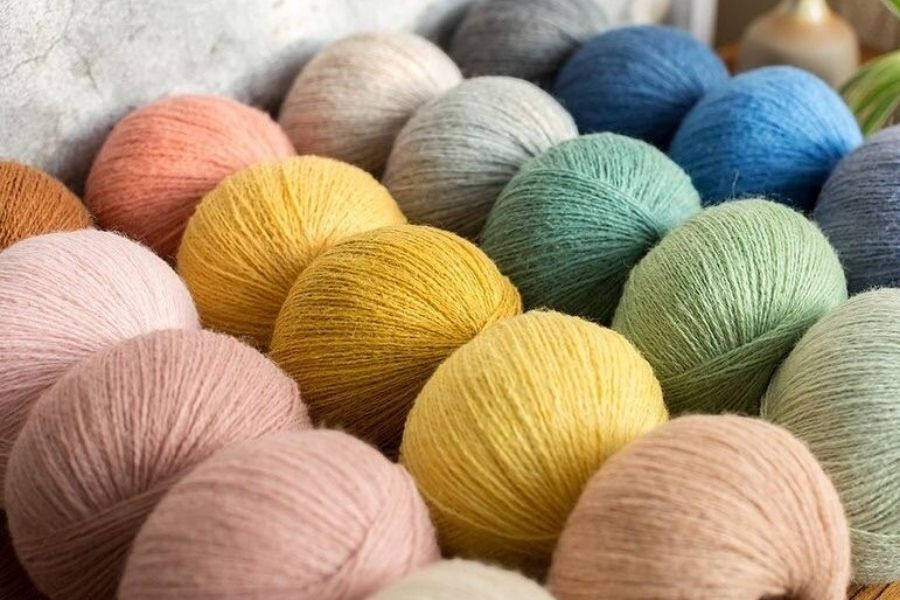
3.2 Wool Fabric
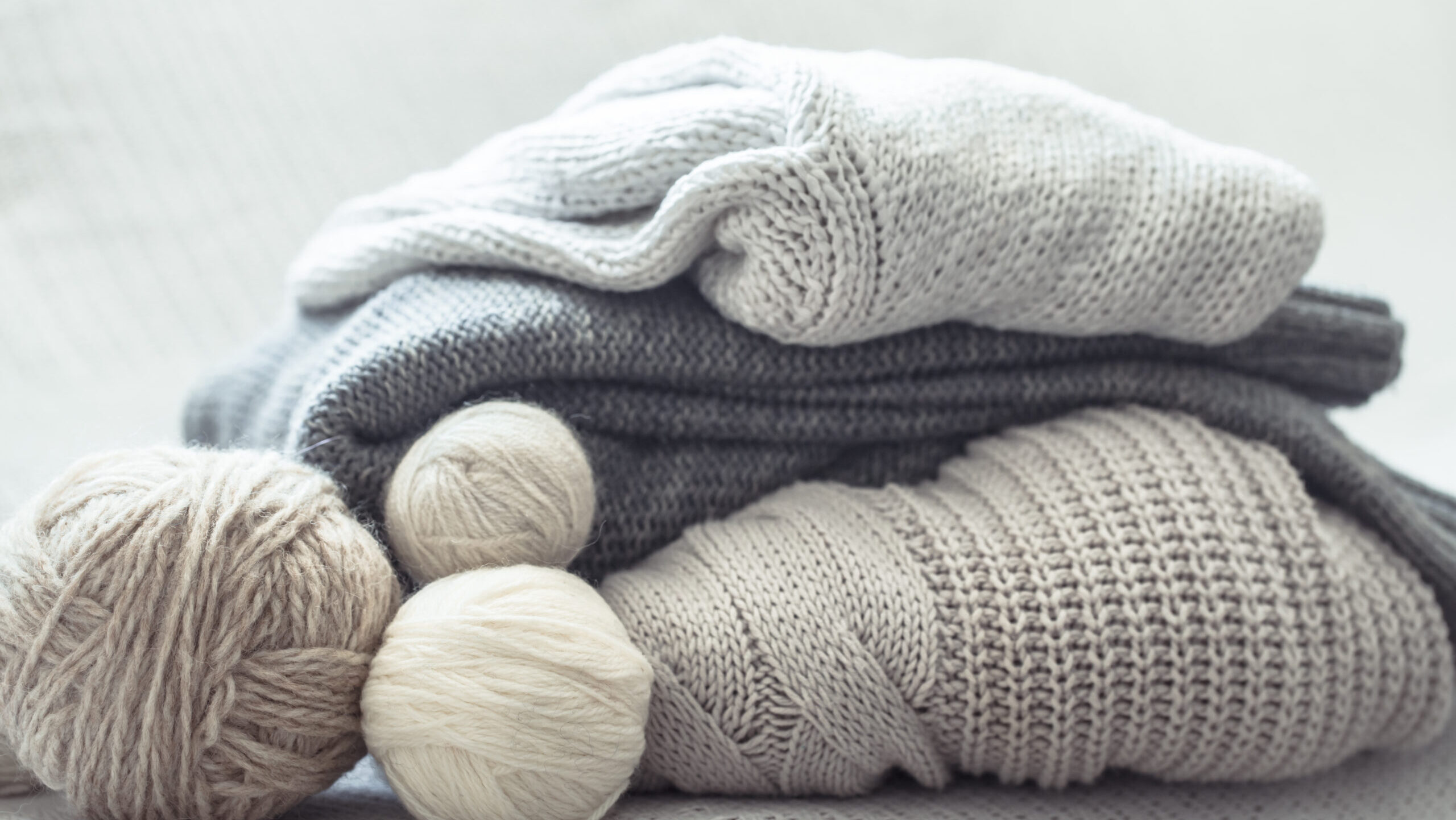
Wool is the most “difficult” material to handle when hand-washing. Use cold water, a mild detergent, and gently squeeze. Absolutely do not wring or twist, as this can cause the garment to lose its shape. After hand-washing wool, gently press out excess water with a dry towel before drying horizontally.
3.3 Silk Fabric
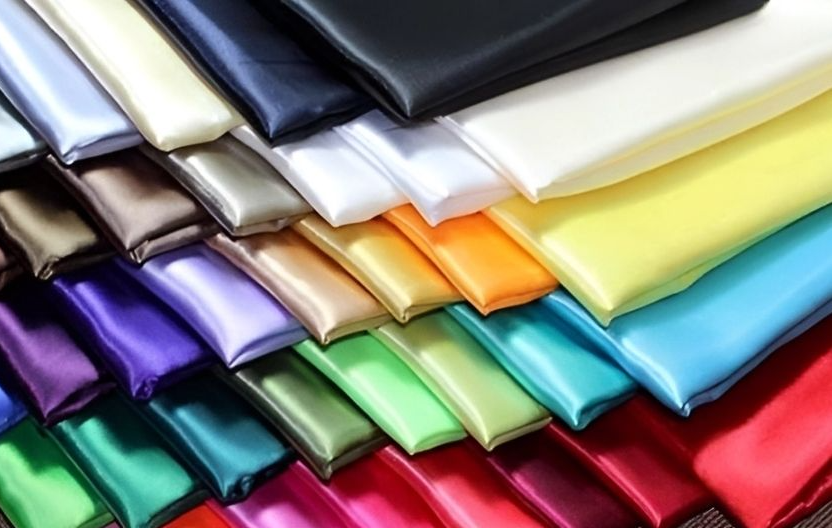
Silk is very sensitive to chemicals and temperature. When hand-washing silk, use cold water and a specialized detergent. Handle gently, avoid prolonged soaking, and avoid drying in direct sunlight.
3.4 Denim Fabric
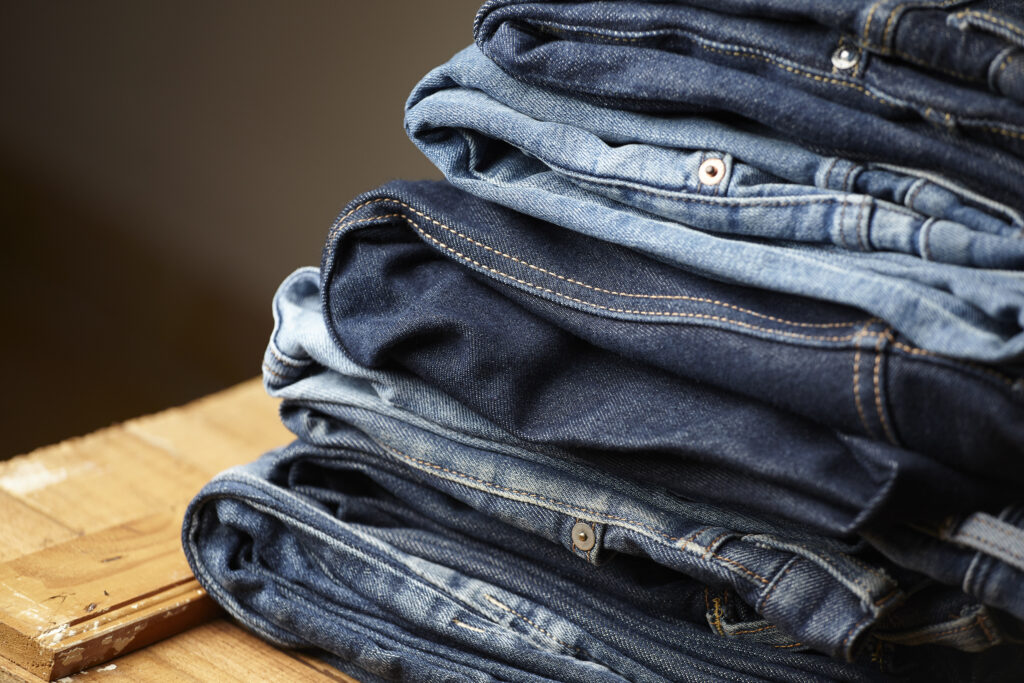
Although denim is quite thick, hand washing helps to minimize color fading. Turn the fabric inside out before washing and avoid scrubbing the outer surface too hard to preserve the color longer.
3.5 Lace and Embellished Garments
These garments require extremely gentle hand washing. It’s best to soak and gently squeeze, avoiding any strong pressure on areas with delicate embellishments or lace.
4. Mistakes to Avoid When Hand Washing
Many people think hand washing is absolutely safe, but if done incorrectly, clothes can still be damaged.
Using water that’s too hot is a common mistake, especially with delicate fabrics. Besides that, the habit of wringing clothes out forcefully to dry them quickly also causes the fabric fibers to stretch and deform.
Furthermore, drying clothes directly in strong sunlight after hand washing can also cause fading and reduce the fabric’s durability.
5. Tips for More Effective Hand Washing
To save time while ensuring thorough cleaning when hand washing, you should treat stains as soon as they occur. The longer stains are left, the harder they are to remove, requiring more forceful washing.
In addition, using a mild, low-foaming detergent will help rinse faster and minimize chemical residue on clothes.
Hand washing is a simple method but requires meticulousness and knowledge of fabric types. By following the correct procedure and adjusting the techniques to suit each fabric type, you can significantly extend the lifespan of your clothes.
By dedicating a little extra time and care to each step of hand washing, you can keep your clothes durable, soft, and safe for your skin.
>>>>>>> Read more: Year-end party 2025 – a journey of reflection on a year of development for green laundry
Green Laundry – the leading company in providing quality and professional laundry solutions in Vietnam
Email: greenlaundry@giatuixanh.com
Phone: 028 36 222 180
Fanpage: Giặt Ủi Xanh – Chuyên Giặt Ủi Công Nghiệp
Address: Lot A57/II-Lot 58/II, Road No. 2D, Vinh Loc Industrial Park, Binh Tan Ward, Ho Chi Minh City.