In modern life, taking care of clothes is not only about keeping them clean but also about maintaining their shape, color, and durability. Different cleaning methods have been developed to handle various fabrics and garment structures. Among these methods, dry cleaning and wet cleaning are the two most common approaches used today.
Although both methods aim to remove dirt and stains from clothing, dry cleaning and wet cleaning differ significantly in their cleaning processes, solvents, and the types of fabrics they are suitable for. Understanding these differences can help you choose the right cleaning method and extend the lifespan of your garments.
1. What is dry cleaning?
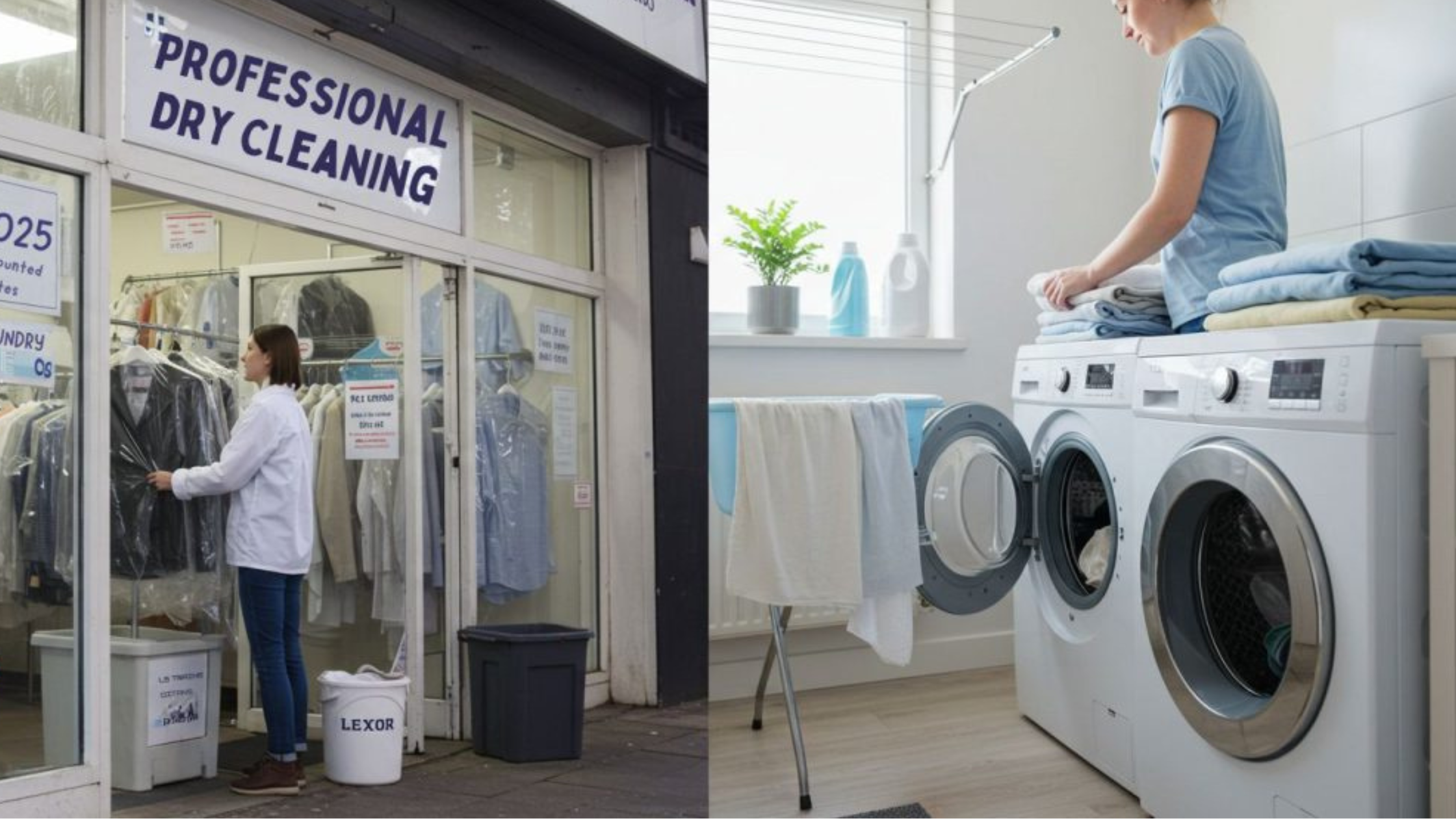
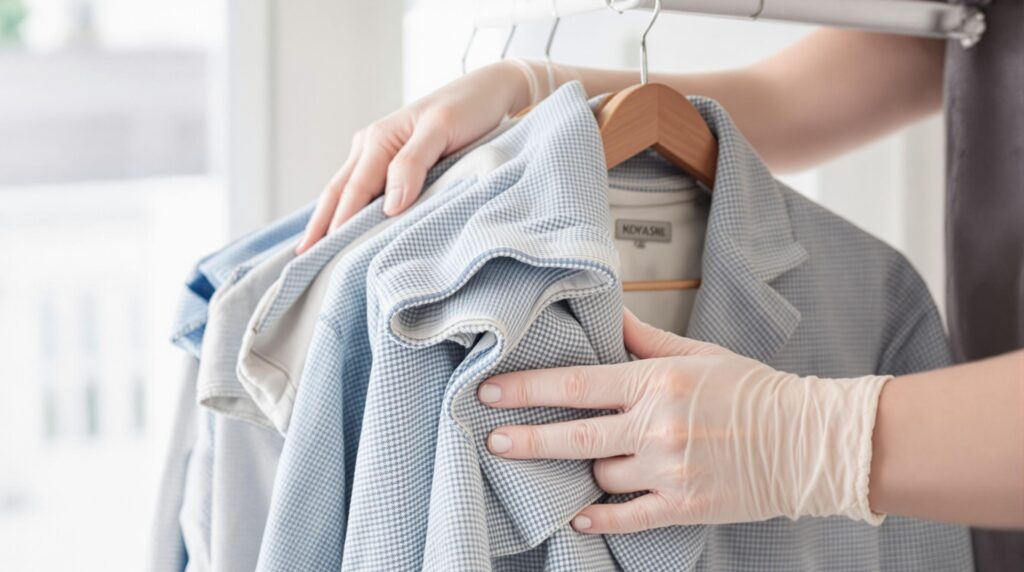
Dry cleaning is a cleaning method that uses chemical solvents instead of water to remove dirt and stains from clothing. Despite the name “dry,” the process actually involves liquid solvents, but these solvents are not water.
In the comparison between dry cleaning and wet cleaning, dry cleaning is often recommended for delicate fabrics or garments that may shrink, stretch, or lose their shape when washed with water. Items such as suits, wool coats, silk garments, and formal wear are commonly cleaned using this method.
The solvents used in dry cleaning are effective at dissolving oil-based stains without damaging fabric fibers. As a result, clothes that undergo dry cleaning often maintain their original shape and structure better than those washed using traditional methods.
2. What is wet cleaning?
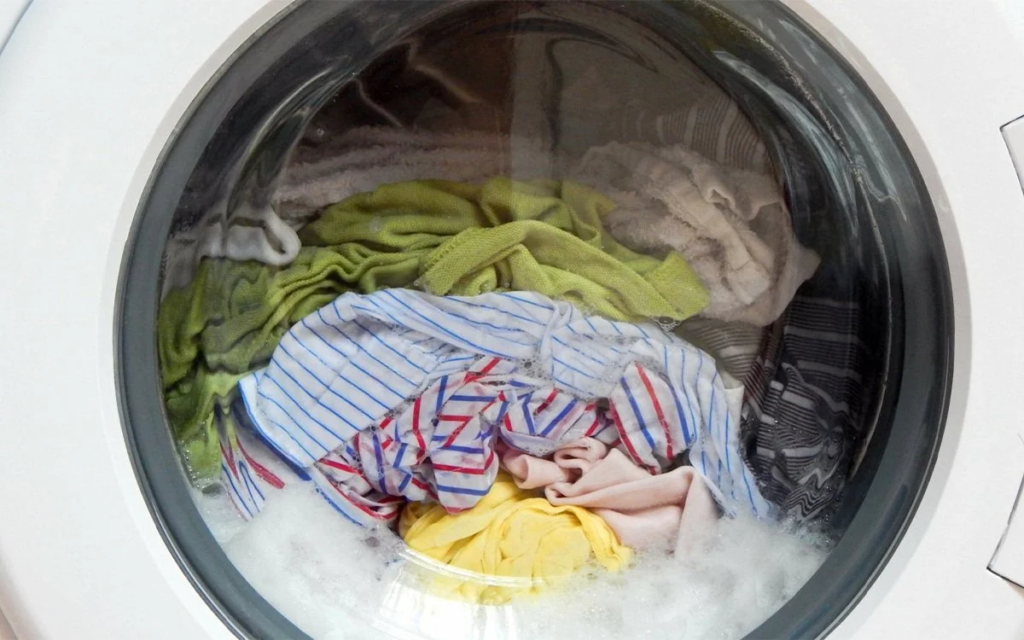
Wet cleaning, on the other hand, is the traditional method of washing clothes using water combined with detergent or cleaning agents. This method is widely used in households around the world and is suitable for most everyday garments.
When comparing dry cleaning and wet cleaning, wet cleaning is generally simpler and more accessible. It can be done by hand or by using a washing machine, making it a convenient option for daily laundry.
The wet cleaning process usually involves soaking, washing, rinsing, and spinning. Water helps dissolve water-based dirt such as sweat, dust, and other common stains.
However, some fabrics may react poorly to water. Without proper care, wet cleaning can sometimes cause shrinkage, color fading, or fabric distortion.
3. Key differences between dry cleaning and wet cleaning
The most obvious difference between dry cleaning and wet cleaning lies in the cleaning medium used in each method. Dry cleaning uses chemical solvents, while wet cleaning relies on water and detergents.
Another major difference is the cleaning process itself. Dry cleaning typically requires specialized machines and is performed by professional laundry services. After cleaning, garments are often treated with steam and pressed to restore their original shape.
Wet cleaning, by contrast, can easily be performed at home. It is ideal for everyday clothing such as T-shirts, jeans, sportswear, and other durable fabrics.
Stain removal is another factor that distinguishes dry cleaning and wet cleaning. Dry cleaning is particularly effective for oil-based stains, while wet cleaning works better for water-soluble dirt such as sweat or mud.
4. When should you choose dry cleaning
4.1. When should you choose dry cleaning?
There are many situations where dry cleaning is the better choice for maintaining the quality of clothing. Garments with complex structures, such as suits, coats, and formal dresses, are often better suited for dry cleaning because the process helps preserve their shape.
Delicate fabrics like silk, wool, and cashmere may also benefit from dry cleaning. These materials can shrink or lose their texture when exposed to water.
In the context of dry cleaning and wet cleaning, dry cleaning provides a safer option for garments that require careful handling and professional care.
4.2. When should you choose wet cleaning?
Wet cleaning remains the most common laundry method because of its simplicity and convenience. Most everyday clothing can be safely washed using water as long as the proper washing instructions are followed.
When deciding between dry cleaning and wet cleaning, wet cleaning is usually the best option for durable fabrics such as cotton, polyester, and synthetic blends.
This method is particularly suitable for garments that need frequent washing, including casual clothing, activewear, and household textiles.
5. Choosing the right cleaning method
Selecting the right method between dry cleaning and wet cleaning depends on several factors, including fabric type, garment construction, and manufacturer recommendations.
Before washing any garment, it is always a good idea to check the care label. If the label indicates “Dry Clean Only,” it means that the garment should be professionally dry cleaned to prevent damage. For most everyday clothing, however, wet cleaning remains the most practical and economical option.
Both dry cleaning and wet cleaning play important roles in garment care. Dry cleaning is ideal for delicate fabrics and structured clothing, while wet cleaning is better suited for everyday garments that require regular washing.
Understanding the differences between dry cleaning and wet cleaning can help you make better decisions when caring for your clothes. By choosing the right cleaning method, you can maintain the quality, appearance, and longevity of your garments.
>>>>>>> Read more: How to wash wool clothes correctly to maintain their shape and durability for a long time
Green Laundry – the leading company in providing quality and professional laundry solutions in Vietnam
Email: greenlaundry@giatuixanh.com
Phone: 028 36 222 180
Fanpage: Giặt Ủi Xanh – Chuyên Giặt Ủi Công Nghiệp
Address: Lot A57/II-Lot 58/II, Road No. 2D, Vinh Loc Industrial Park, Binh Tan Ward, Ho Chi Minh City.