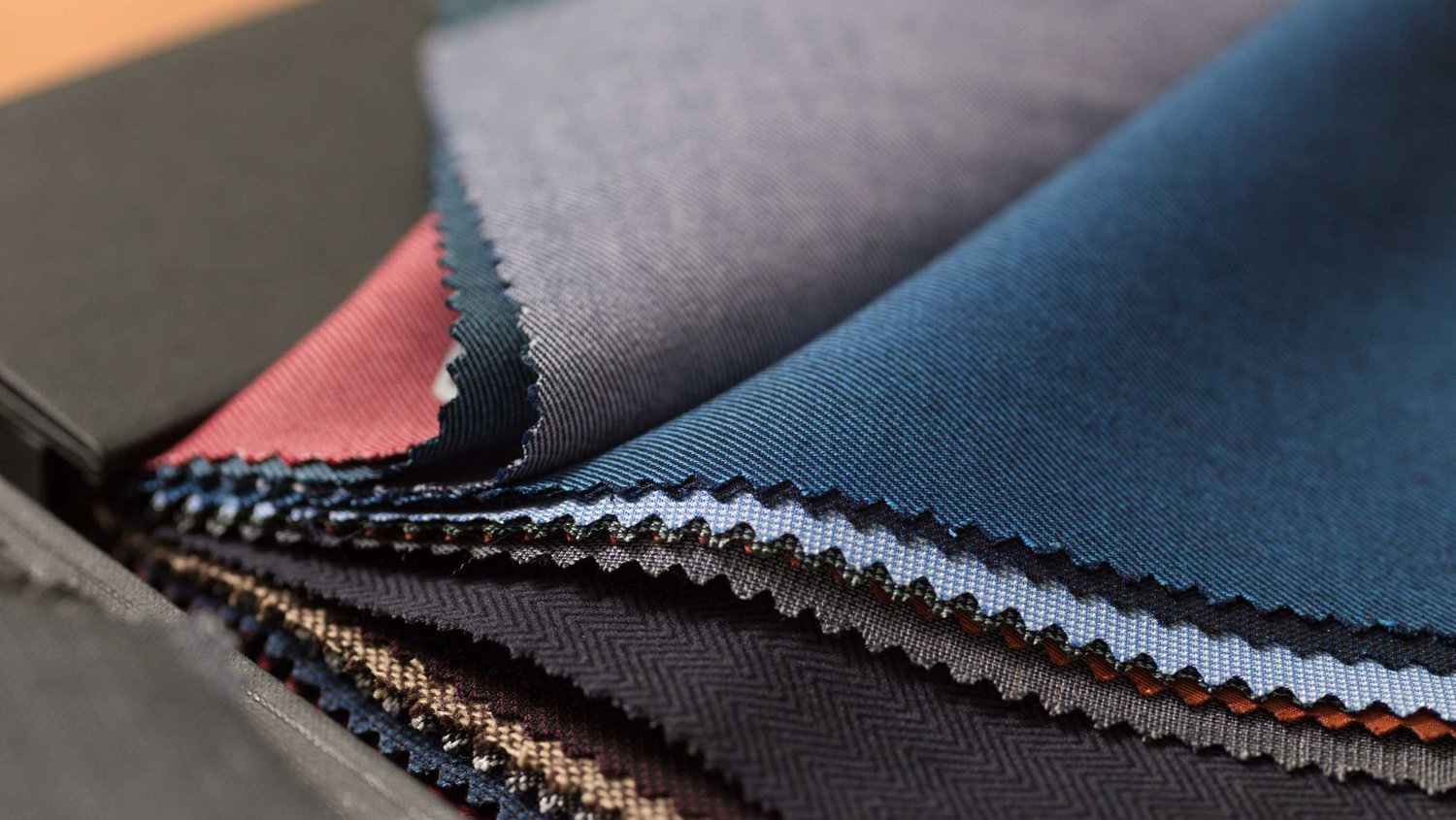
In modern life, with the increasing demand for fashion and convenience, synthetic fabrics have become a familiar choice in the garment industry. Compared to natural fabrics, synthetic fabrics offer many superior advantages such as high durability, less wrinkling, quick drying, and easy care. However, many people still experience problems with clothes quickly becoming damaged, losing their shape, or fading after only a short period of use. The main reason stems from a lack of understanding of the properties of synthetic fabrics and improper washing methods.
In this article, Green Laundry will help you understand the detailed properties of synthetic fabrics, and guide you on how to wash, treat stains, and care for common fabric types. This will help keep your clothes durable, maintain their shape, and last longer in your daily life.
1. What are synthetic fabrics and why are they so widely used?
Synthetic fabrics are a group of fabrics created from chemical compounds, usually derived from polymers or plastics, through modern industrial processes. Some common types of synthetic fabrics include polyester, nylon, acrylic, rayon, and many other variations.
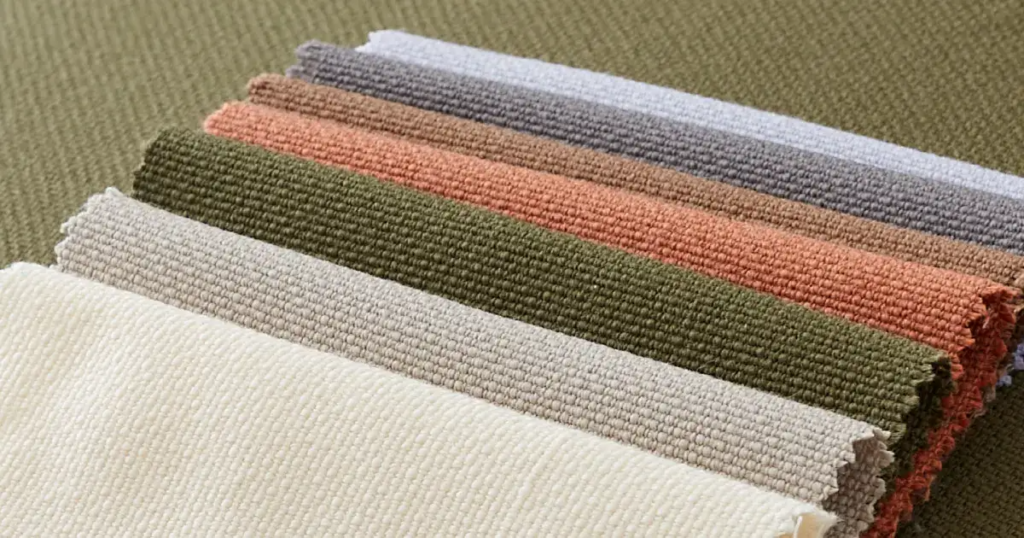
Synthetic fabrics were developed to overcome the limitations of natural fabrics, such as wrinkling, slow drying, poor durability, or high cost. Thanks to their strong fiber structure, synthetic fabrics have good abrasion resistance, are less affected by moisture, and are suitable for a wide range of uses.
Because of these advantages, synthetic fabrics are increasingly occupying a large share in the textile industry and have become an indispensable material in modern life.
2. Characteristics of synthetic fabrics to be aware of when washing.
Although durable and convenient, synthetic fabrics are quite sensitive to high temperatures. Because they are polymer-based, when exposed to hot water or strong drying heat, the fibers can shrink, deform, or slightly stretch, leading to loss of shape and reduced lifespan of clothing.
In addition, some synthetic fabrics easily accumulate detergent or fabric softener residue if used excessively, causing the fabric surface to stiffen and reducing breathability. This is why proper washing is crucial for garments made from synthetic fabrics.
2.1. Ideal washing temperature for synthetic fabrics
For most synthetic fabrics, the safe washing temperature is usually between 20°C and 30°C. This temperature is sufficient to clean clothes without damaging the fabric structure.
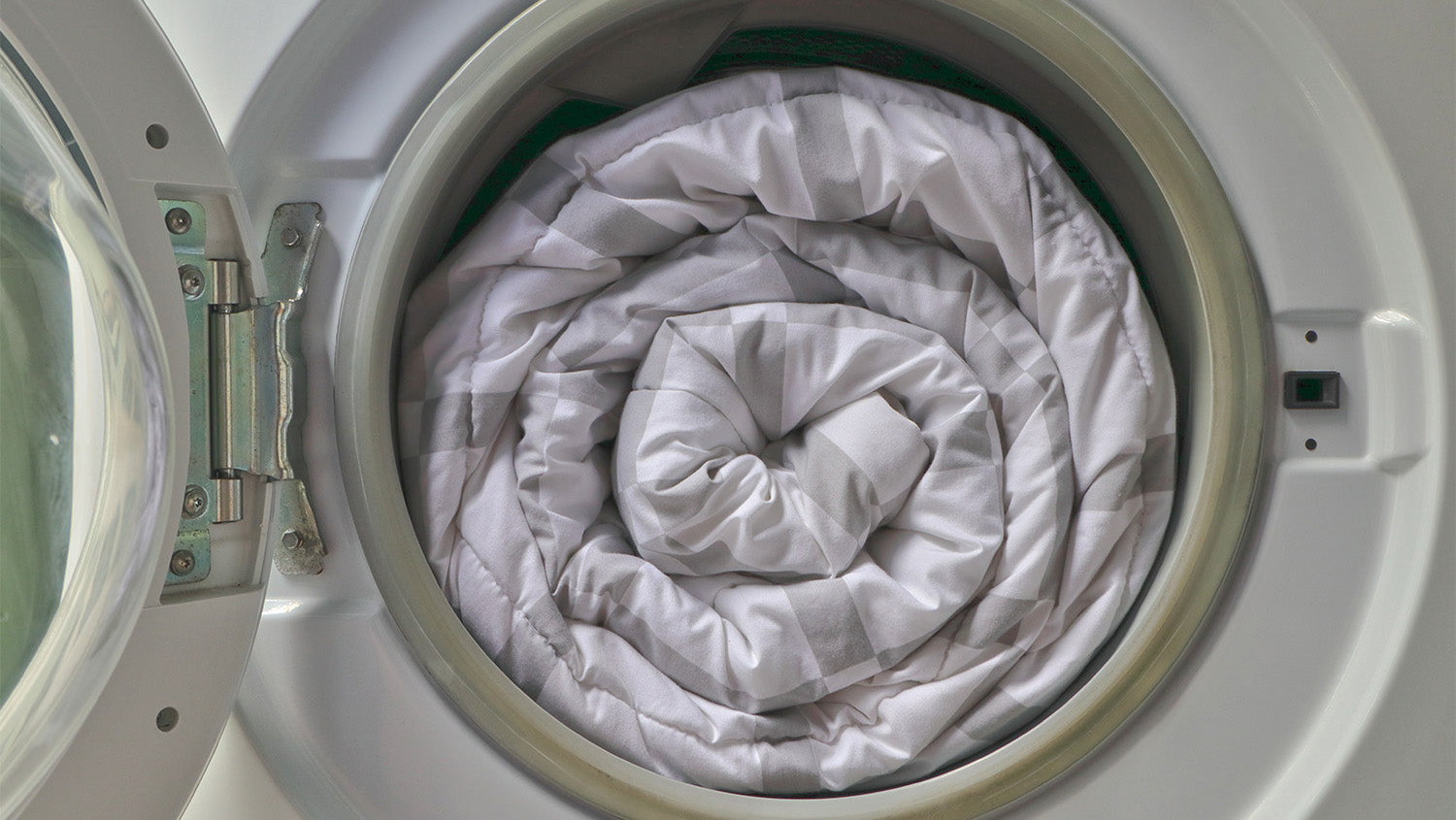
When machine washing, prioritize gentle wash cycles, avoid strong spin cycles, and refrain from using high-temperature drying settings. Importantly, clothing labels always provide information about the maximum washing temperature, so you should check carefully before washing to ensure the safety of your garments.
2.2 How to wash and treat stains on clothes made of synthetic fabrics
Although they all belong to the synthetic fabric group, each type of fabric has a different fiber structure and properties, requiring appropriate care to achieve the best results.
Polyester fabric is a popular synthetic fabric due to its wrinkle resistance, good color retention, and low stain absorption. When washing, using cool or lukewarm water is sufficient for cleaning. In the case of clothes stained with grease, cosmetics, or ink, it is advisable to pre-treat the stain with a mild detergent before washing, avoiding strong scrubbing that can cause pilling.
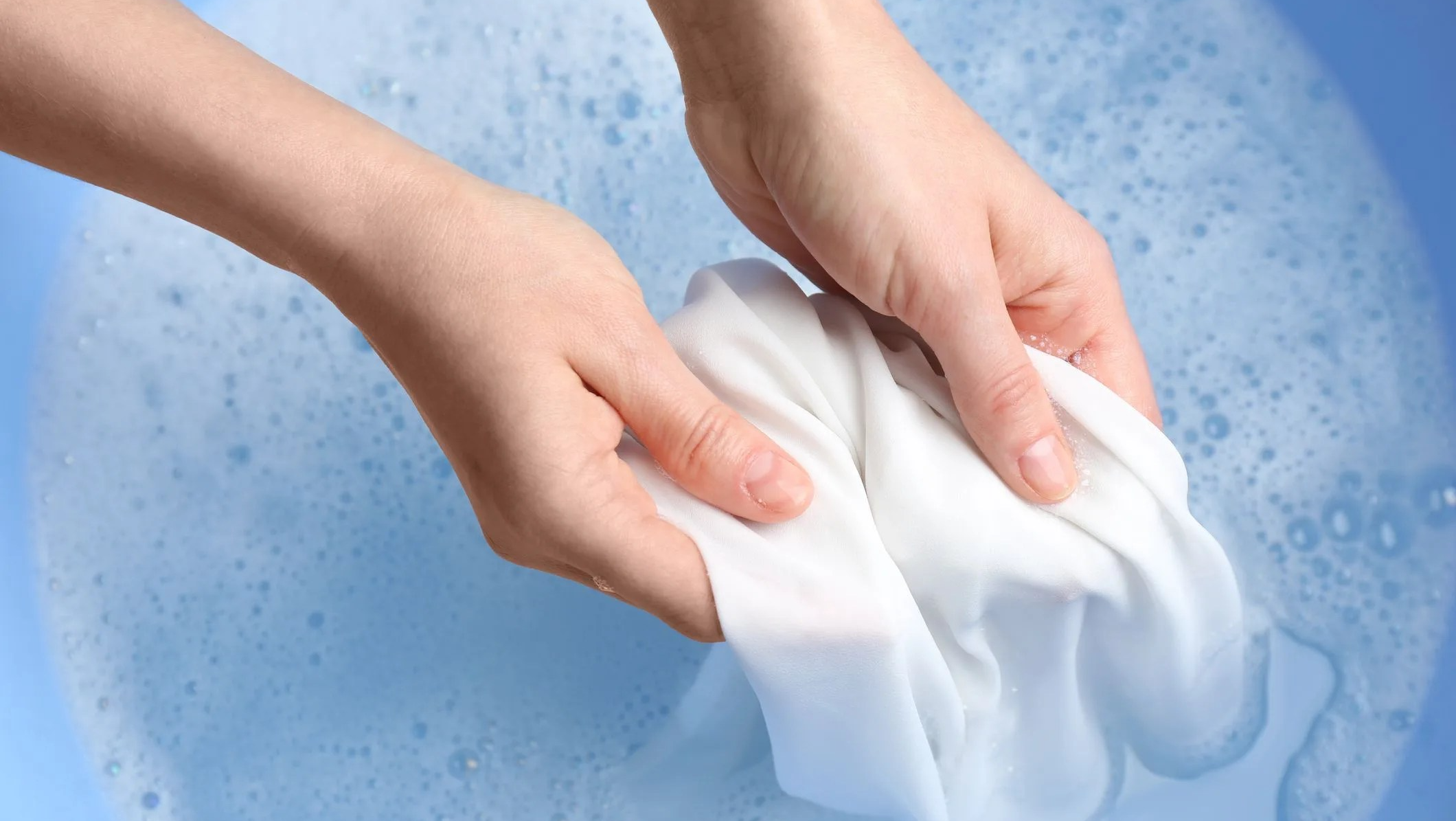
Nylon fabric has a smooth, lightweight surface and good water resistance. However, if washed too vigorously or wrung out repeatedly, the fibers can easily stretch and lose their shape. Therefore, nylon clothing should be washed gently, avoiding prolonged soaking in soapy water, and preferably using a laundry bag when machine washing.
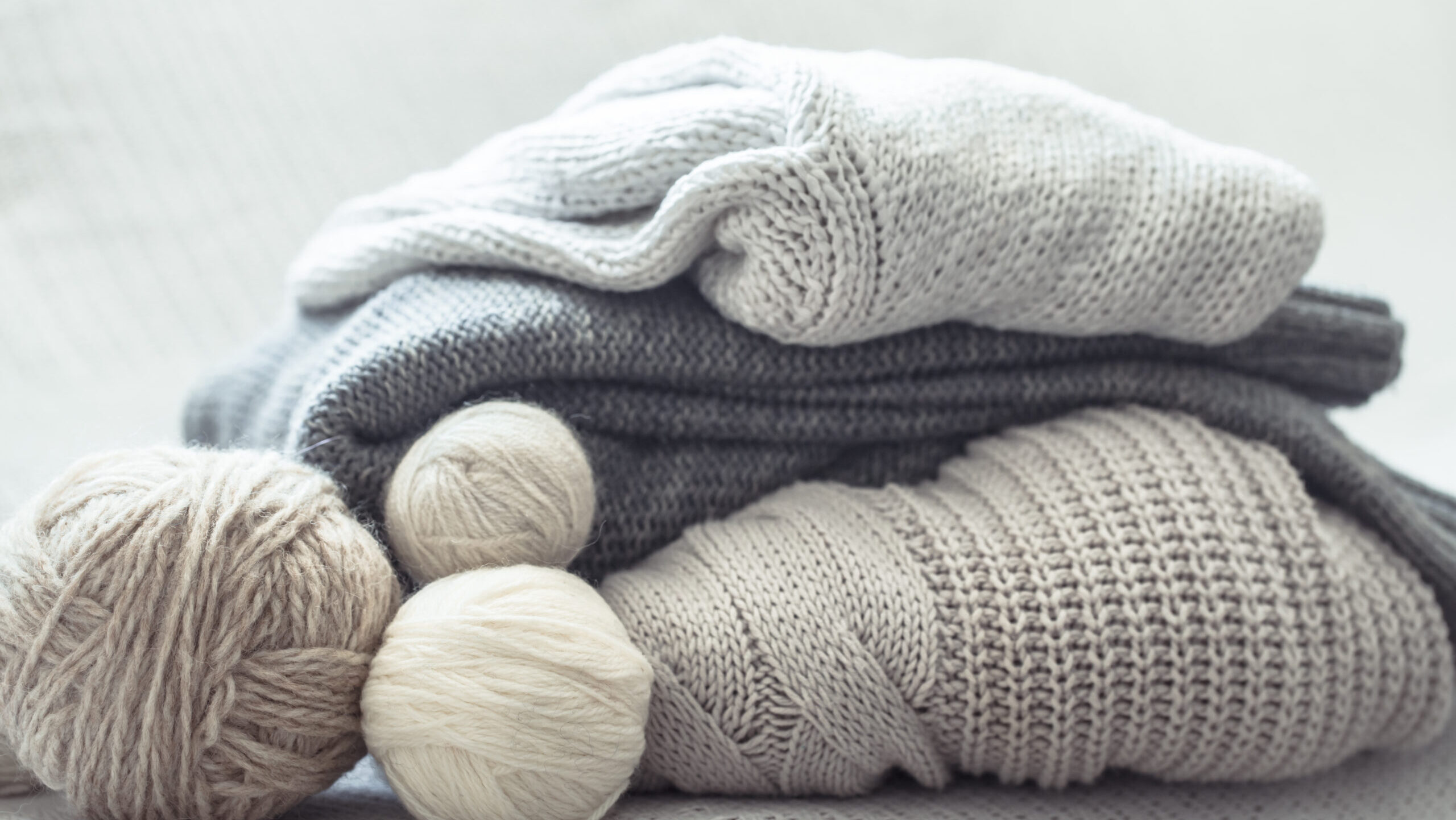
Knit fabrics and acrylic wool are synthetic fabrics with high elasticity, often used for sweaters, light jackets, or warm clothing. Due to their sensitivity to heat, washing at excessively high temperatures can cause the fibers to stretch or deform. Hand washing or using a dedicated wool setting will help maintain the softness and original shape of the garment.
Meanwhile, rayon, although a synthetic fabric, is derived from natural cellulose, making it softer and more prone to wrinkling. When washing, handle gently, avoid wringing forcefully, and do not use excessively hot water to minimize shrinkage or wrinkling after washing.
2.3. How to dry and iron clothes made from synthetic fabrics
After washing, synthetic clothing should be air-dried in a cool, well-ventilated place, avoiding prolonged exposure to direct sunlight. High temperatures from strong sunlight can cause the fabric color to fade quickly and the fibers to age prematurely.
When ironing, choose a low heat setting and avoid ironing directly on the fabric surface. For thin synthetic fabrics, a protective layer can be used to protect the fibers during ironing.
3. Proper care of synthetic fabrics will extend the lifespan of your clothing.
Proper care is also crucial in keeping synthetic fabrics looking their best. Clothes should be stored in a dry, well-ventilated place, avoiding damp and moldy environments. For infrequently worn garments, folding them instead of hanging them for extended periods helps prevent them from losing their shape due to the fabric’s weight.
Additionally, avoid washing synthetic clothing too frequently unless necessary, as repeated washing can degrade the fabric over time.
As you can see, synthetic fabrics offer many conveniences in modern life and fashion. However, to maintain the shape, color, and durability of your clothes, proper washing and care are essential. Understanding the characteristics of each fabric type, choosing the appropriate washing temperature, and careful handling will help your synthetic garments last longer.
If you’re short on time or want more professional care for your clothes, Green Laundry is always ready to help, providing safe and suitable laundry solutions for each fabric type and need.
>>>>>>> Read more: 5 tips for washing blankets for the end of the year
Green Laundry – the leading company in providing quality and professional laundry solutions in Vietnam
Email: greenlaundry@giatuixanh.com
Phone: 028 36 222 180
Fanpage: Giặt Ủi Xanh – Chuyên Giặt Ủi Công Nghiệp
Address: Lot A57/II-Lot 58/II, Road No. 2D, Vinh Loc Industrial Park, Binh Tan Ward, Ho Chi Minh City.