1. What is chemical neutralization in laundry?
During industrial laundry processes, various chemicals such as industrial detergents, degreasers, alkaline boosters, or acidic agents are used to effectively remove heavy stains. After the wash cycle is completed, if these chemicals are not properly treated, residues may remain trapped within the fabric fibers.
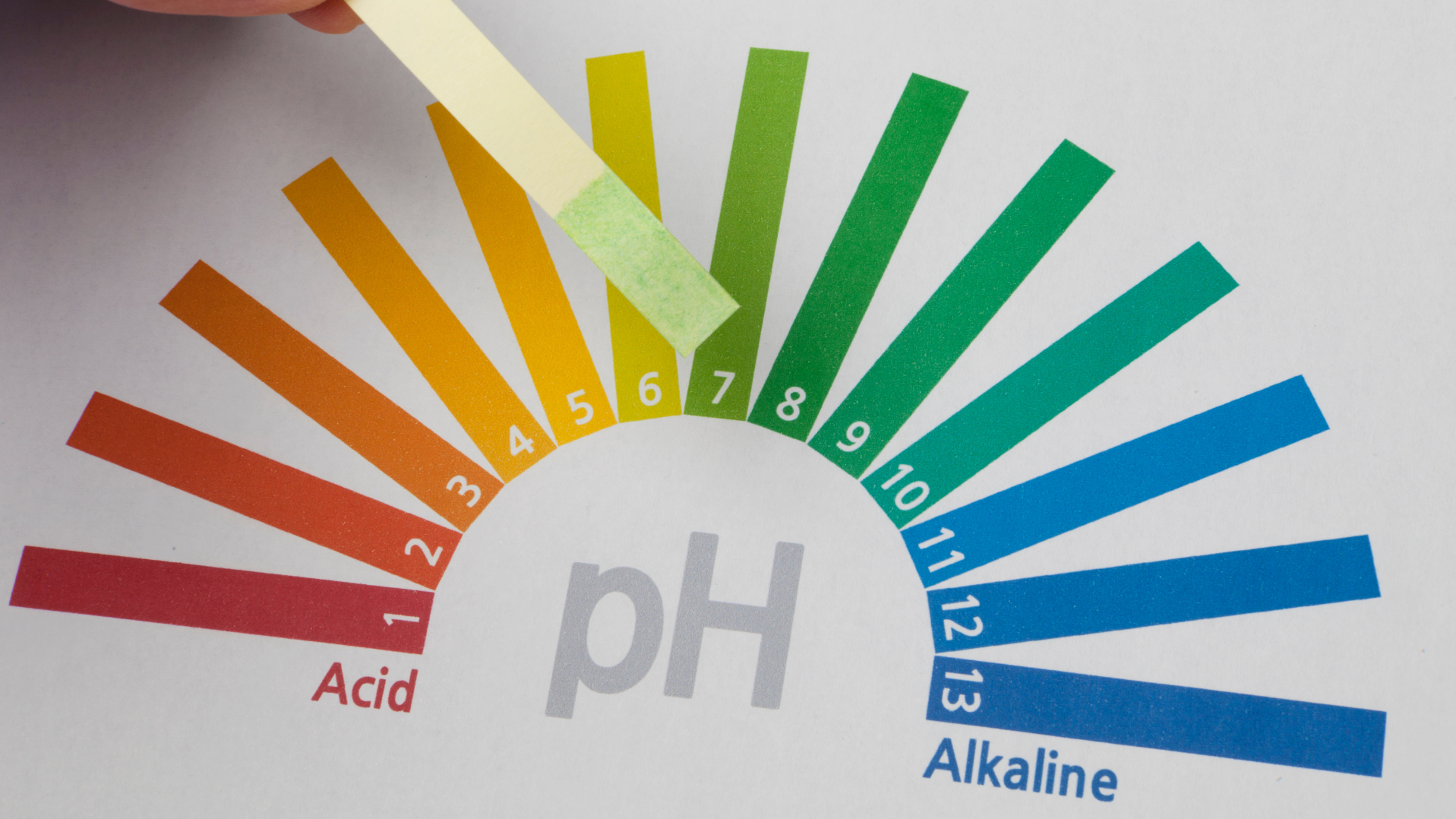
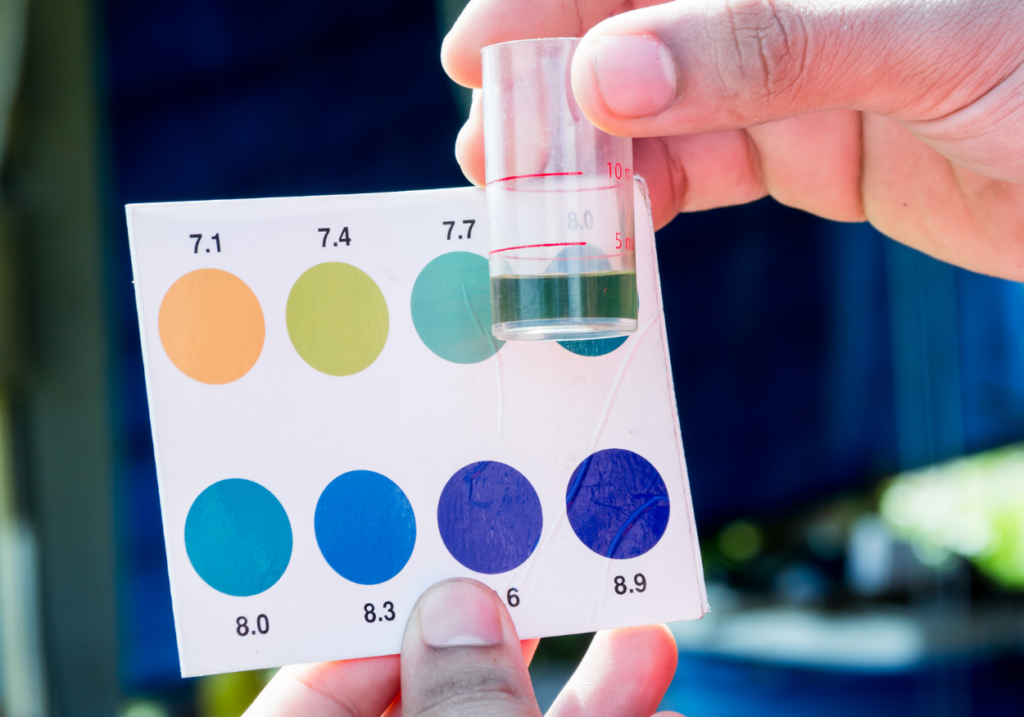
Chemical neutralization is the process of using neutralizing agents to restore the fabric’s pH level to a balanced state, close to its natural condition. This step helps eliminate residual alkalinity or acidity, ensuring that textiles are not only visually clean but also safe for use.
Unlike household laundry, industrial laundry operations handle large volumes of textiles daily, including uniforms, protective workwear, towels, hotel linens, hospital bedding, and restaurant textiles. These items are frequently exposed to sweat, grease, chemicals, and bacteria, requiring stronger cleaning agents to ensure hygiene standards are met.
Due to the use of high-concentration chemicals, the risk of chemical residue within fabric fibers increases significantly if proper neutralization is not performed. Skipping this step can lead to rapid fabric deterioration, stiff textures, weakened fibers, and tearing after prolonged use.
2. Chemical neutralization helps protect fabric fibers and extend garment lifespan
One of the biggest benefits of neutralizing laundry chemicals is protecting the fabric’s structure. When the pH of a fabric is unbalanced, the fibers will gradually deteriorate over time, especially with cotton, blends, and industrial fabrics.
Proper neutralization helps restore the fabric’s pH balance, preserving its natural softness and reducing wear, fraying, and fading. This is particularly important for businesses that use large quantities of uniforms or textiles, as extending the lifespan of laundry means reduced replacement and maintenance costs.
3. Neutralizing chemicals ensures safety for users of laundry.
Residual laundry chemicals do not only affect fabrics but also pose potential health risks to users. When garments retain alkaline or acidic residues, wearers may experience skin irritation, itching, redness, or allergic reactions—especially children, elderly individuals, and people with sensitive skin.
In environments such as hospitals, hotels, and restaurants—where hygiene and safety standards are critical—chemical neutralization is an essential requirement to ensure textiles meet usage standards. It is also a key criterion used to evaluate the quality of industrial laundry services.
Furthermore, proper chemical neutralization improves overall laundry quality. Textiles treated correctly tend to feel softer, carry less chemical odor, and are easier to iron. This enhances user comfort and creates a positive impression of service quality.
For industrial laundry providers, investing in a well-structured chemical neutralization process not only improves output quality but also demonstrates professionalism and responsibility toward clients.
4. The impact of not neutralizing chemicals on laundry equipment
Chemical residues affect not only fabrics but also laundry machinery and equipment. Alkaline or acidic buildup inside washing drums, pipelines, and drainage systems can cause corrosion, reduce operational efficiency, and increase maintenance costs over time.
Implementing proper chemical neutralization helps prevent scaling and residue accumulation, protects equipment components, and extends machine lifespan—minimizing downtime and operational disruptions.
As sustainability becomes a growing priority, industrial laundry facilities are increasingly focusing on safety, environmental responsibility, and user health. Chemical neutralization not only ensures consistent laundry quality but also helps reduce the amount of harmful chemicals discharged into the environment.
This is why many businesses, hotels, hospitals, and manufacturing facilities now prioritize laundry providers with standardized and transparent chemical neutralization processes.
>>>>>>> Read more: Guide to properly washing different types of leather items
Green Laundry – the leading company in providing quality and professional laundry solutions in Vietnam
Email: greenlaundry@giatuixanh.com
Phone: 028 36 222 180
Fanpage: Giặt Ủi Xanh – Chuyên Giặt Ủi Công Nghiệp
Address: Lot A57/II-Lot 58/II, Road No. 2D, Vinh Loc Industrial Park, Binh Tan Ward, Ho Chi Minh City.