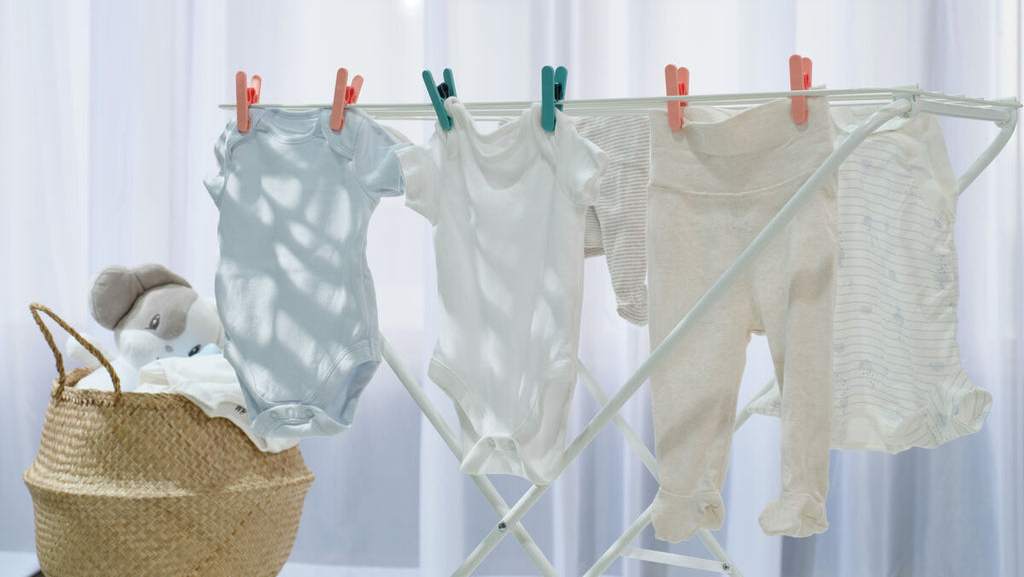
The skin of a newborn baby is extremely thin and many times more sensitive than that of an adult. If you wash clothes incorrectly, use the wrong type of detergent, or leave chemical residue, your baby may experience irritation, a rash, itching, or even develop dermatitis. Therefore, the question “How should a mother wash newborn clothes safely?” is always something that any parent is concerned about, especially families who are taking care of a baby for the first time. This article will help readers understand the correct and safest laundry process for babies.
1. Why should we wash baby clothes properly?
A newborn’s skin is up to 5 times thinner than an adult’s, making it extremely susceptible to scratches and irritation. The baby’s immune system is still developing, so any foreign agent from dirt, bacteria to chemicals can cause the baby to react more strongly than usual. If the clothes still have residue from detergent/washing powder, or contain strong fragrances, the baby’s skin can become red, itchy or rash almost immediately.
In addition, damp or poorly dried clothes can easily accumulate bacteria and mold, which is a common cause of diaper rash, dermatitis, or uncomfortable irritation. Therefore, washing clothes properly not only helps keep clothes clean and soft, but is also an important step to protect the baby’s delicate skin and long-term health.
2. Choose the right laundry detergent for your baby
Mothers should choose baby laundry products for their babies according to the following criteria:
Baby laundry detergent:
This type is specifically designed for babies’ sensitive skin, with a gentle formula that is less likely to cause irritation than regular products. Baby laundry detergent also helps clothes become naturally soft without relying much on fabric softener.Clean ingredients that do not contain parabens, phthalates, or harsh detergents:
Babies are still young and their immune systems are not yet stable, so exposure to strong preservatives or industrial detergents can cause irritation or rashes. Choosing a product that is clearly labeled “no parabens – no phthalates – no harsh detergents” will be much safer.
Low foam and easy to rinse:
Low foam laundry detergent helps mothers wash faster, saves water, and especially reduces the risk of leaving residue on clothes – which is the leading cause of red, itchy, or rashes on babies’ skin.
No strong fragrances:
Newborns are very susceptible to respiratory irritation when exposed to strong fragrances. Therefore, mothers should choose very mild or unscented scents to keep their baby’s clothes safe and naturally clean.
Prioritize products with dermatological safety certification:
Certifications such as “dermatologically tested”, “hypoallergenic”, or evaluations from a dermatological institute are the clearest guarantee that the product is suitable for the super sensitive skin of young children.
Absolutely avoid the following products to protect your baby’s skin and health:
✘ Adult laundry detergent:
Detergents often have high bleaching power, many powder particles are difficult to dissolve and easily stick to the fabric. When babies wear them, they are very susceptible to skin redness, rashes or itching.
✘ Strong detergents, concentrated fabric softeners:
These products contain high levels of fragrance and fragrance, which can irritate the skin, affect the respiratory system or make the baby uncomfortable when wearing them.
✘ Strong-smelling chemicals:
Strong scents not only linger on clothes but also directly affect the baby’s breathing, especially newborns with weak respiratory systems.
3. How to wash baby clothes – correct and safest
3.1. Sort clothes before washing
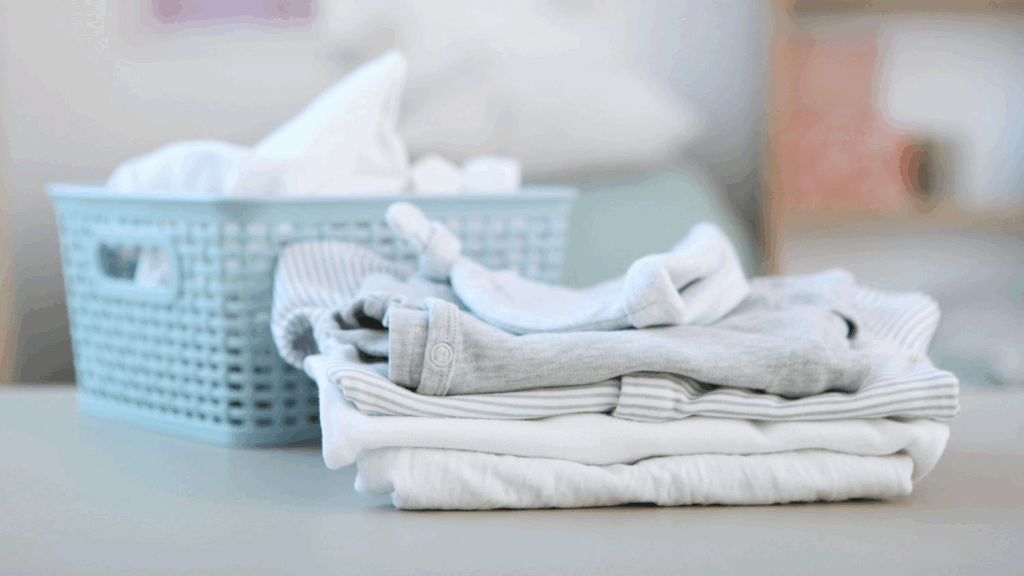
Before starting to wash, mothers should take a few minutes to sort clothes. This helps limit fading, keep the fabric shape better and especially reduce the risk of cross-contamination between types of clothes.
Separate baby clothes and adult clothes because adult clothes can be contaminated with dirt, sweat or chemicals from the environment, which can easily irritate the baby’s delicate skin. Newly purchased baby clothes should be washed separately from old clothes because there is still residual dust or preservatives on the fabric surface during the production process. Mothers should pre-wash with a suitable detergent before letting the baby wear them.
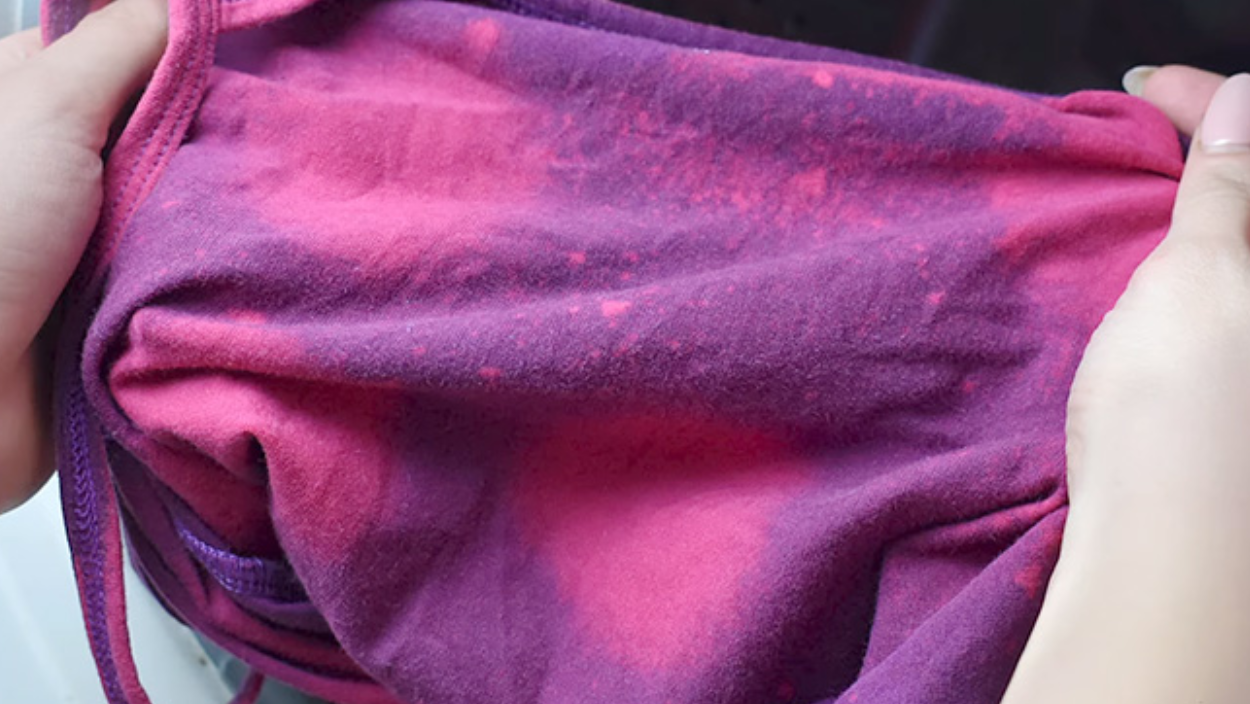
Sort by color and material:
- White clothes, light-colored clothes should be separated to avoid color bleeding.
- Cotton and thin fabrics should be washed separately on a gentle cycle.
- Thick clothes such as towels and thin blankets should be washed separately for optimal cleaning.
3.2. Soak items properly
Soaking at the right time and for the right amount of time helps clothes clean deeply while still being safe for baby’s skin.
- Soak for 5-10 minutes with specialized detergent: This time is enough to soften stains without causing the fabric to retain odor.
- Do not soak for too long: Soaking for too long makes clothes susceptible to damp odors, creating an environment for bacteria and fungi to grow, especially dangerous for the sensitive skin of newborns.
- Avoid using hot water with thin cotton fabrics: High temperatures can cause the fabric to shrink, stretch or lose its shape.
3.3. Should mothers choose machine washing or hand washing when washing baby clothes?
Each method has its own advantages and disadvantages, mothers can be flexible depending on the type of clothes:
For hand washing
- Cleans small dirty areas such as collars, sleeves, and fabric edges well.
- Control the amount of detergent, avoid using too much.
→ Hand washing is more suitable for thin, small items such as gloves, socks, hats, and bibs.
For machine washing
- Saves time for busy mothers.
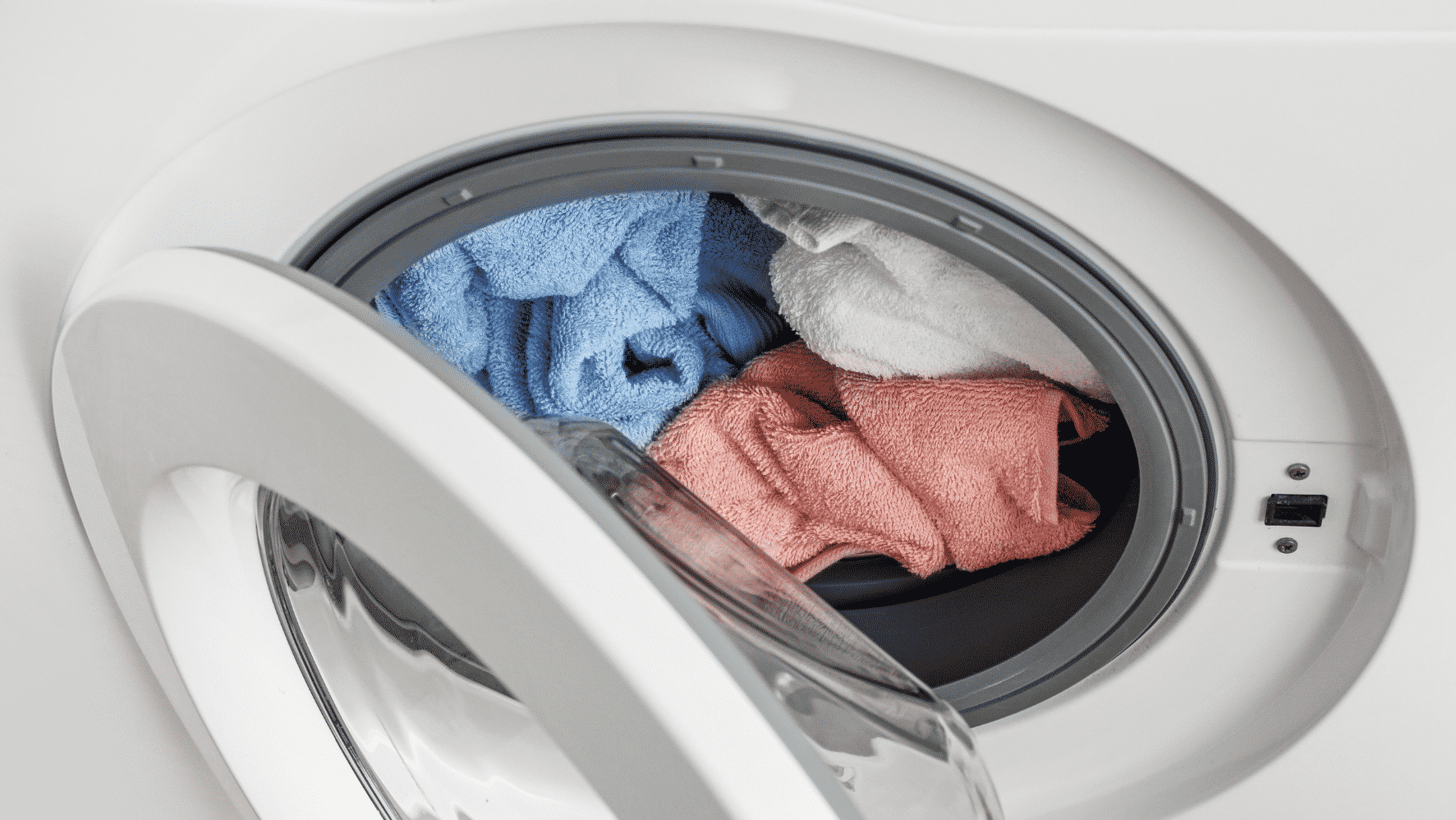
- Should choose the “gentle” or “delicate” mode to protect the fabric.
- Washing at 30–40°C helps to kill bacteria gently without damaging the fabric.
→ Suitable for towels, thick clothes, thin blankets, and large quantities of items.
3.4. Rinse thoroughly
Rinsing is the most important step to completely remove chemical residue from baby clothes, which is one of the leading causes of skin irritation in babies.
- If washing by hand: You should rinse 2-3 times, until the water is clear and there is no more foam.
- If washing by machine: Choose the extra rinse mode to ensure that the fabric has no detergent residue.
In addition, mothers should note not to use concentrated or strong-smelling fabric softeners because the smell will cause discomfort to newborn babies. It is best for mothers to choose fabric softeners specifically for children, or organic fabric softeners to avoid causing irritation to babies.
4. How to dry baby clothes
When drying baby clothes, mothers should prioritize places with gentle sunlight and natural ventilation so that clothes dry quickly but still retain their softness. Too much sunlight not only causes the fabric to fade but also makes the material dry and stiff, easily causing discomfort to the baby’s sensitive skin. On the contrary, drying in a closed room or in a place with little wind will make clothes easily absorb damp odors, creating conditions for bacteria and mold to grow. If using a dryer, mothers should choose a gentle drying mode to ensure that the fabric fibers do not shrink or lose shape. Too high a temperature can cause clothes to deteriorate quickly, especially thin cotton fabrics for newborns. Drying properly or drying on the right mode will help keep baby clothes clean, fragrant, soft and safe when touching the baby’s skin.
5. Some other important notes
- Wash newly purchased baby clothes immediately before use
- Do not store dirty clothes for more than 1-2 days
- Do not spray perfume or essential oils directly on baby clothes
- Wash separately clothes with feces, milk, or heavy dirt
- Washing machine trays need to be cleaned every week to avoid mold
Washing clothes for newborns is not difficult, but it needs to be done correctly and carefully. From choosing specialized detergents, washing and rinsing safely, to drying and storing properly, all contribute to protecting your baby’s delicate skin.
>>>>>>> Read more: What is the difference between laundry detergent and laundry powder?
Green Laundry – the leading company in providing quality and professional laundry solutions in Vietnam
Email: greenlaundry@giatuixanh.com
Phone: 028 36 222 180
Fanpage: Giặt Ủi Xanh – Chuyên Giặt Ủi Công Nghiệp
Address: Lot A57/II-Lot 58/II, Road No. 2D, Vinh Loc Industrial Park, Binh Tan Ward, Ho Chi Minh City.