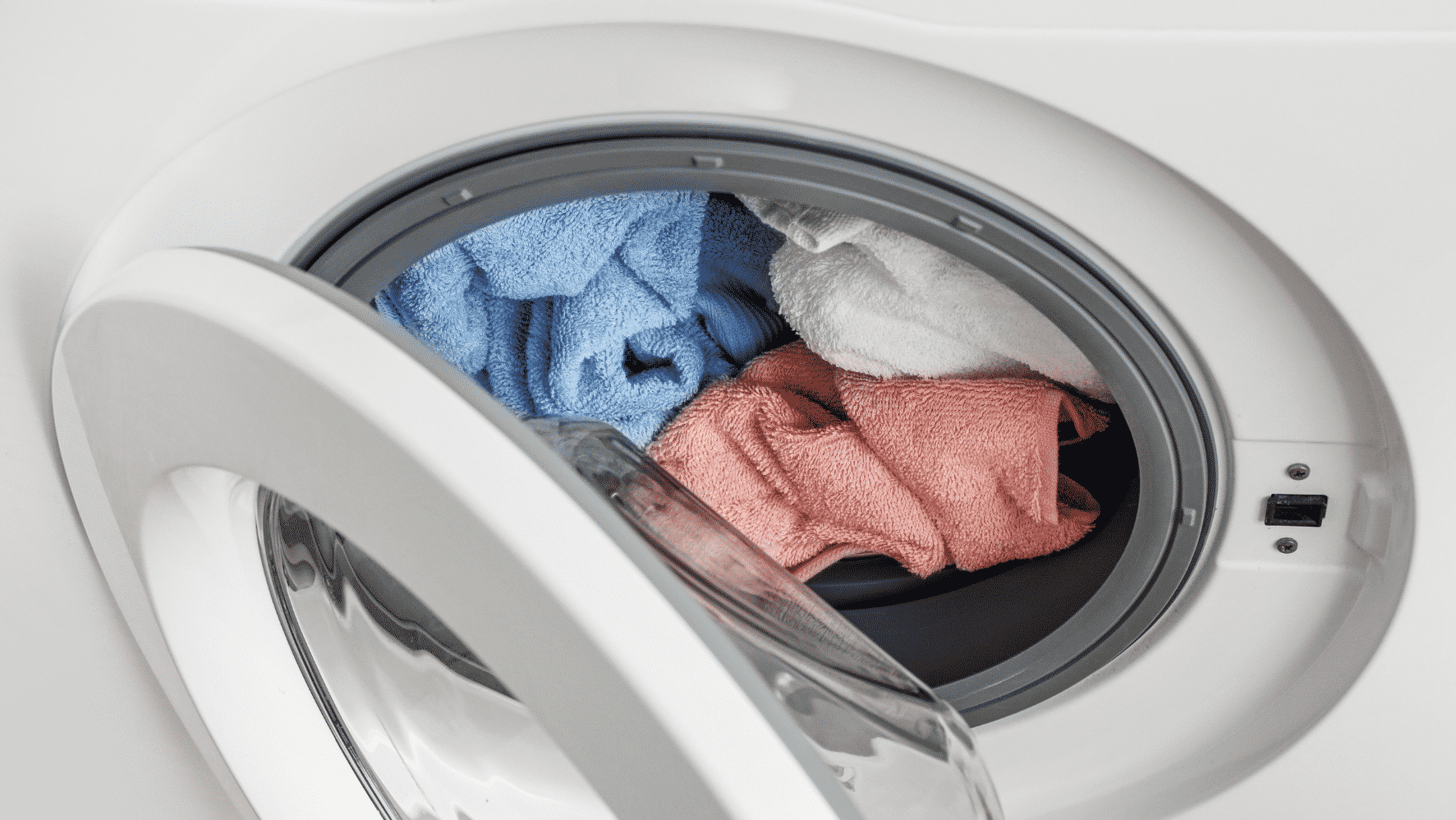

When doing laundry, many people focus mainly on the type of detergent, fabric softener, or washing machine program they use, while paying less attention to the water temperature. However, cold and warm water can make a difference in cleaning performance, color protection, and the durability of different fabrics. Not all clothing is suitable for the same washing temperature. Some garments should be washed in cold water to reduce the risk of fading and shrinking, while certain textile products may benefit from warm water to help remove oils, grease, or dirt that has built up on the fabric. So, between cold and warm water, which is the better choice? The answer depends on the fabric, level of soiling, and care instructions for each product.
1. What Are the Benefits of Washing Clothes in Cold Water?
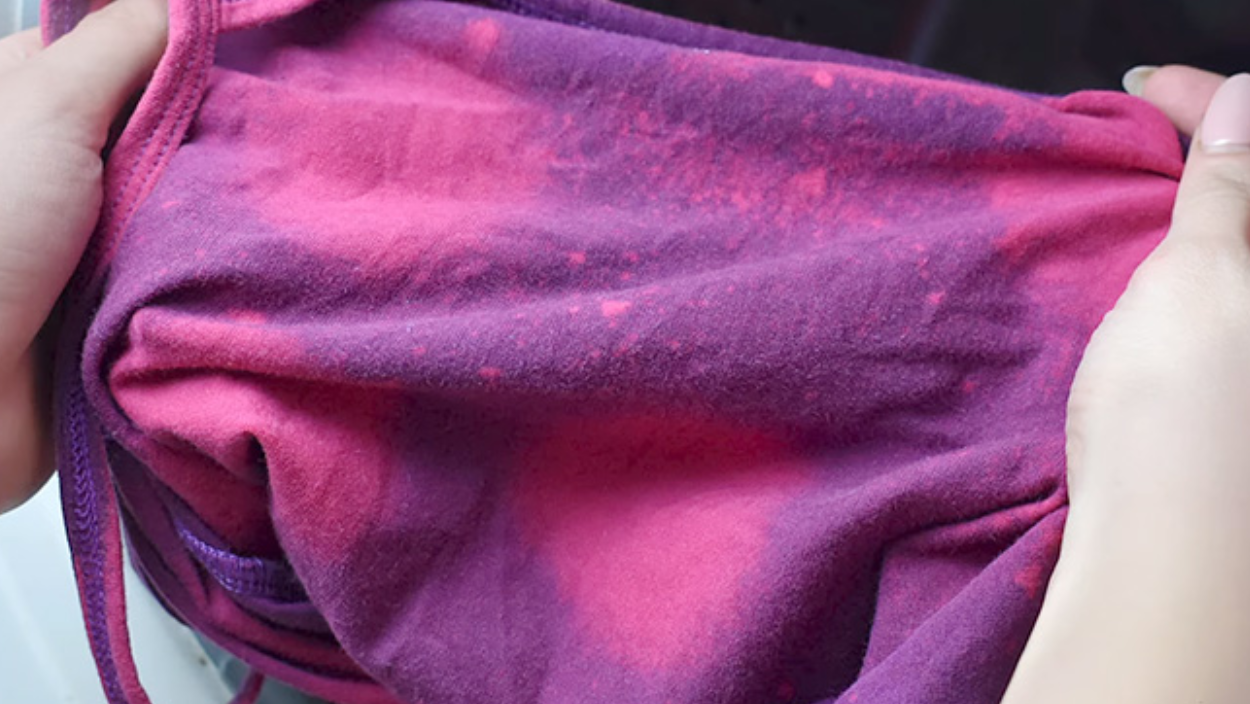
Washing clothes in cold water is a popular choice for many types of everyday clothing. Cold water generally helps reduce the risk of garments shrinking, losing their shape, or fading, especially for dark-colored items and fabrics that are more sensitive to heat.
Another advantage of washing clothes in cold water is that it can help reduce energy consumption for washing machines equipped with water-heating functions. When electricity is not needed to heat the water, the washing process may use less energy, depending on the appliance and washing program being used.
For clothes that are only lightly soiled or have been worn for a short period, cold water is often sufficient to support the cleaning process when combined with an appropriate detergent and washing program. Therefore, using warm water does not necessarily mean that clothes will always be cleaner.
2. When Should You Wash Clothes in Warm Water?
Warm water can support the cleaning process for certain types of stains, especially those containing oils and grease or dirt that has remained on fabric fibers for a long time. Higher temperatures can help soften certain types of dirt, making them easier to separate from the surface of the fabric compared with cold water.
However, the use of warm water should always be based on the care instructions for each garment. Not every fabric can withstand higher temperatures, and using an unsuitable temperature can affect the size, color, or structure of the fabric fibers.
For products that can be washed in warm water, users should also avoid assuming that a higher temperature always means better cleaning performance. It is better to choose a temperature appropriate for the fabric and condition of the garment rather than using high temperatures for every wash.
3. What Is the Difference Between Cold and Warm Water When Washing Clothes?
The main differences between washing clothes in cold and warm water lie in their ability to assist with stain removal, their impact on fabric fibers, and the amount of energy required.
Warm water can be useful for certain types of dirt and stains, but it requires more caution when washing garments that are prone to shrinking or fading.
Cold water, meanwhile, is generally suitable for colored clothing, everyday garments, and products that do not have specific temperature requirements. It is also a simple choice for people who want to reduce the impact of heat on fabric fibers.
Simply put, cold water prioritizes garment protection, while warm water can provide additional support when dealing with certain types of stubborn dirt. However, actual cleaning performance also depends on the detergent used, washing time, machine movement, and the level of soiling.
4. What Types of Clothes Are Suitable for Cold Water?
For colored clothing, especially dark shades such as black, navy blue, or red, washing clothes in cold water is often a suitable choice to minimize unnecessary impact on the fabric color. Maintaining a lower temperature can also help reduce the risk of color changes during washing.
Jeans, T-shirts, sportswear, and many types of everyday clothing can also generally be washed in cold water if permitted by the care label. For these products, choosing the right washing program and avoiding excessive detergent are just as important as selecting the appropriate water temperature.
For clothing with prints or patterns, washing in cold water can also help minimize the effect of heat on printed areas. However, users should still check the care label before washing to determine the most suitable cleaning method.
5. What Types of Clothes Can Be Washed in Warm Water?
Some types of clothing that are more resistant to heat can be washed in warm water if permitted by the care label. Warm water can be particularly useful when dealing with products containing a significant amount of oil, sweat, or dirt accumulated on the surface.
Bath towels, cleaning towels, and certain types of textiles that are used frequently may have different washing requirements from regular clothing. However, the appropriate temperature should still be determined based on the material and specific care instructions rather than applying one fixed temperature to every product.
In particular, for fabrics that are prone to shrinking or deformation, you should not switch to warm or hot water unless recommended by the manufacturer. An unsuitable temperature can cause garments to lose their shape or change size after repeated washing.
6. How Should You Choose the Right Water Temperature for Effective Washing?
Instead of following a general rule that all clothes should be washed in either cold or warm water, users should consider three main factors: fabric type, level of soiling, and care instructions.
For colored clothing or lightly soiled garments, you can prioritize washing clothes in cold water. This approach is suitable for everyday laundry and helps minimize unnecessary exposure to higher temperatures.
If clothes contain a significant amount of oil, grease, sweat, or difficult-to-remove dirt, warm water may be considered when permitted by the care label. The important thing is to choose an appropriate temperature rather than automatically using the highest temperature available.
In addition to water temperature, users should also pay attention to the amount of clothing loaded into the machine. Avoid overloading the washing machine because clothes need enough space to move freely and come into contact with water and detergent throughout the washing cycle.
7. Things to Keep in Mind When Washing Clothes in Cold Water
Many people believe that cold water is not powerful enough to clean clothes, so they increase the amount of detergent or extend the washing time. However, this is not always the best solution and may cause detergent residue to remain on clothes if the machine cannot rinse them thoroughly.
When washing clothes in cold water, use a suitable detergent and follow the recommended dosage. At the same time, choose a washing program based on the fabric type and level of soiling rather than focusing solely on water temperature.
For garments with localized stains, you can pre-treat the affected area before putting the item into the washing machine. This approach is often more effective than simply increasing the water temperature for the entire load.
After washing, clothes should also be removed from the machine and dried promptly. Even a good washing process can result in unpleasant odors if damp clothes are left inside the machine for too long.
8. Does Washing Clothes in Cold Water Help Them Last Longer?
Temperature is one of the factors that can affect textile durability, especially when garments are repeatedly exposed to washing and drying processes. Choosing an appropriate temperature can help minimize unnecessary stress on fabric fibers.
This is also why washing clothes in cold water is often preferred for colored garments or fabrics that are sensitive to heat. When combined with proper washing and drying techniques, clothes may retain their color and shape better over time.
However, this does not mean that cold water will always make every type of clothing last longer. Garment durability also depends on the fabric, washing frequency, chemicals used, mechanical action during washing, and drying method.
9. Giặt Ủi Xanh – Temperature Control in Industrial Laundry Processes
For industrial laundry operations, water temperature cannot be selected in the same way for every type of textile. Large quantities of products, different fabric types, and varying usage requirements mean that textiles need to be sorted and the cleaning process carefully controlled from the beginning.
At Giặt Ủi Xanh, textiles are sorted before entering the treatment process so that an appropriate washing method can be selected for each product group. Controlling temperature, chemicals, washing time, and subsequent treatment steps helps balance cleaning requirements with the need to protect textile quality.
For customers such as hospitals, hotels, spas, and businesses, textiles are often used frequently and must go through many washing cycles. Therefore, a well-controlled process from the beginning can help minimize fading, shrinking, deformation, and deterioration of textile products.
So, should you wash clothes in cold or warm water? The answer is not that cold or warm water is universally better. Instead, the key is choosing the right temperature for each type of garment.
Washing clothes in cold water is suitable for many everyday garments, especially colored clothing and fabrics that need to be protected from excessive heat. Warm water, meanwhile, can help deal with certain types of dirt and stains, but should only be used when permitted by the fabric and care instructions.
An effective laundry process does not depend solely on water temperature. It should also combine proper sorting, appropriate washing programs, the correct amount of detergent, controlled washing time, and proper drying. When each factor is handled appropriately, clothes can be cleaned effectively while maintaining their quality for longer.
>>>> Read more: Why is baking soda considered a powerful helper in laundry care?
Green Laundry – the leading company in providing quality and professional laundry solutions in Vietnam
Email: greenlaundry@giatuixanh.com
Phone: 028 36 222 180
Fanpage: Giặt Ủi Xanh – Chuyên Giặt Ủi Công Nghiệp
Address: Lot A57/II-Lot 58/II, Road No. 2D, Vinh Loc Industrial Park, Binh Tan Ward, Ho Chi Minh City.