The end of the year is the peak season for blanket use. Cooler weather, high humidity, and frequent rain make blankets more prone to dampness, unpleasant odors, slow drying, and even mold growth if not washed properly. Beyond discomfort during use, improper washing blankets can significantly reduce textile lifespan, causing flattened filling, stiff fabric, or persistent musty smells.
Whether washing blankets at home or in an industrial laundry setting, understanding the right techniques for year-end conditions helps ensure deep cleaning, softness, faster drying, and better health protection for users.
Tip 1: Sort blankets before washing – a small step with a big impact
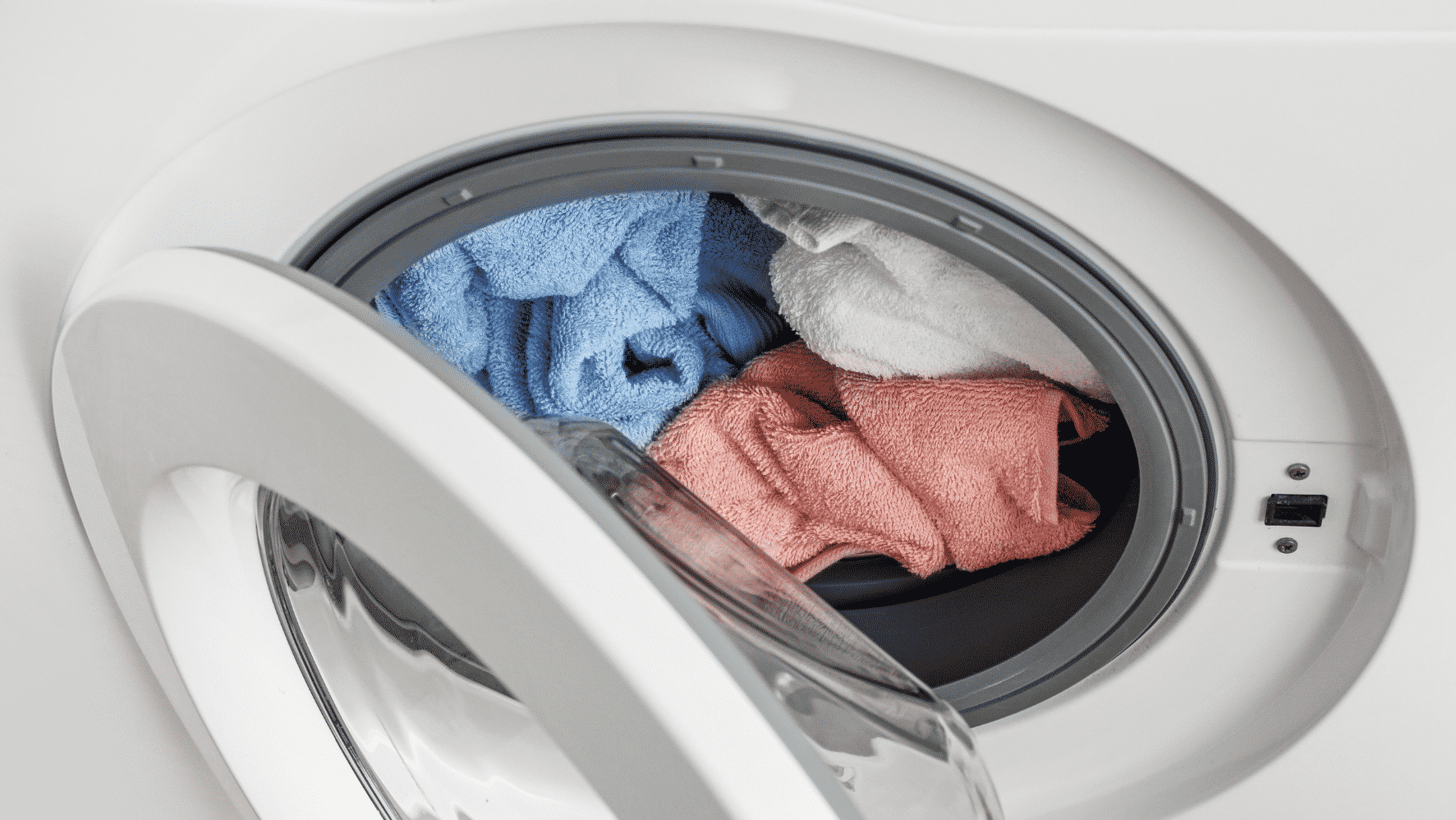
Many people tend to wash all blankets together in one load to save time. However, this is one of the most common causes of blanket damage, especially during year-end months when drying conditions are less favorable.
Cotton blankets, down blankets, synthetic fiber blankets, and thick comforters all have different structures and water absorption capacities. When washed together, thicker blankets may not be cleaned thoroughly, while thinner ones may be over-spun, leading to fiber displacement or loss of shape.
Sorting blankets by material and thickness allows you to choose the most suitable washing program, ensuring effective washing blankets while maintaining durability and comfort.
Tip 2: Control water and detergent usage when washing blankets
During humid, colder months, many people use extra detergent or fabric softener to “mask” damp odors. However, this often backfires, especially with thick blankets.
Excessive detergent can remain trapped inside the filling, causing blankets to dry slowly, retain odors, and potentially irritate the skin—particularly for children or people with sensitive skin.
Proper washing blankets means using the right amount of detergent, choosing formulas that rinse easily, and avoiding overly strong fragrances. Thorough rinsing is far more important than using excessive chemicals.
Tip 3: Choose the right water temperature for effective yet safe washing blankets
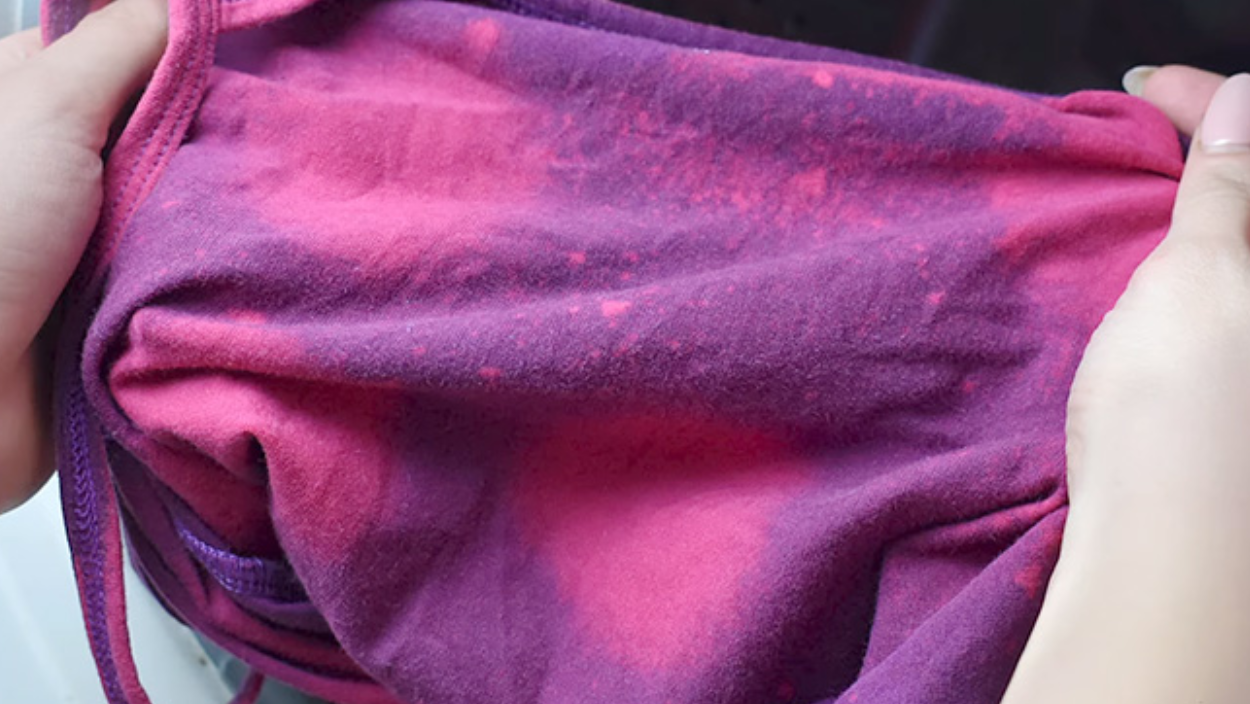
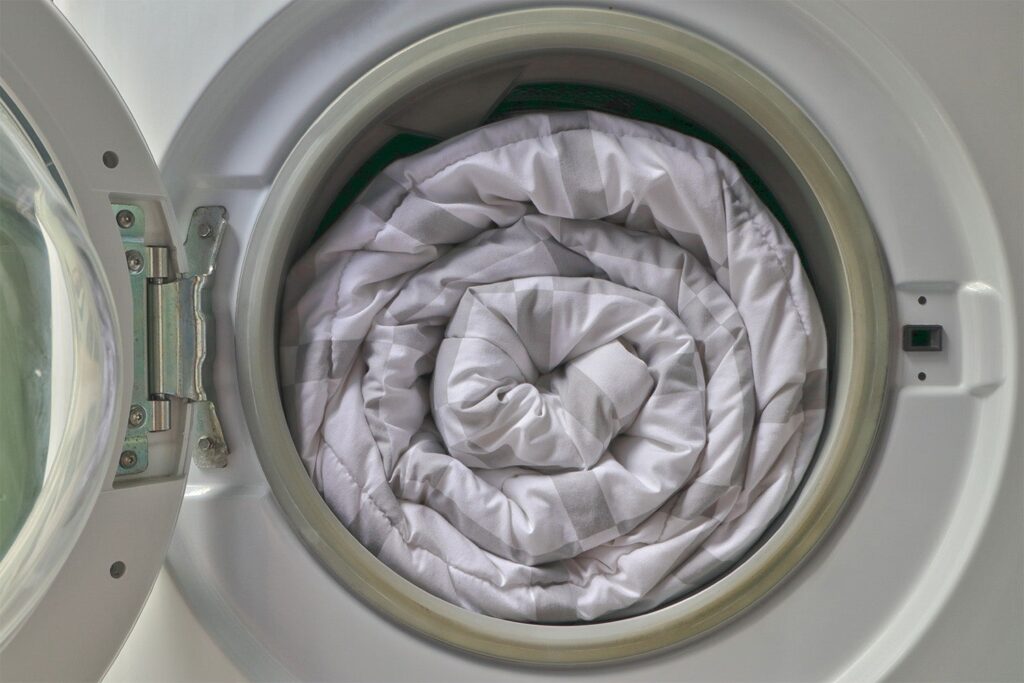
Water temperature plays a critical role in washing blankets, especially in colder seasons. While hot water may seem like a better option for cleaning and faster drying, not all blankets can tolerate high heat.
For cotton or blended blankets, excessively hot water may cause shrinkage and clumping of the inner filling. For down or synthetic blankets, high temperatures can damage fiber structure and reduce natural fluffiness.
Washing blankets at moderate temperatures or according to the manufacturer’s recommendations ensures cleanliness while preserving fabric strength and shape.
Tip 4: Dry and air blankets properly to prevent odors
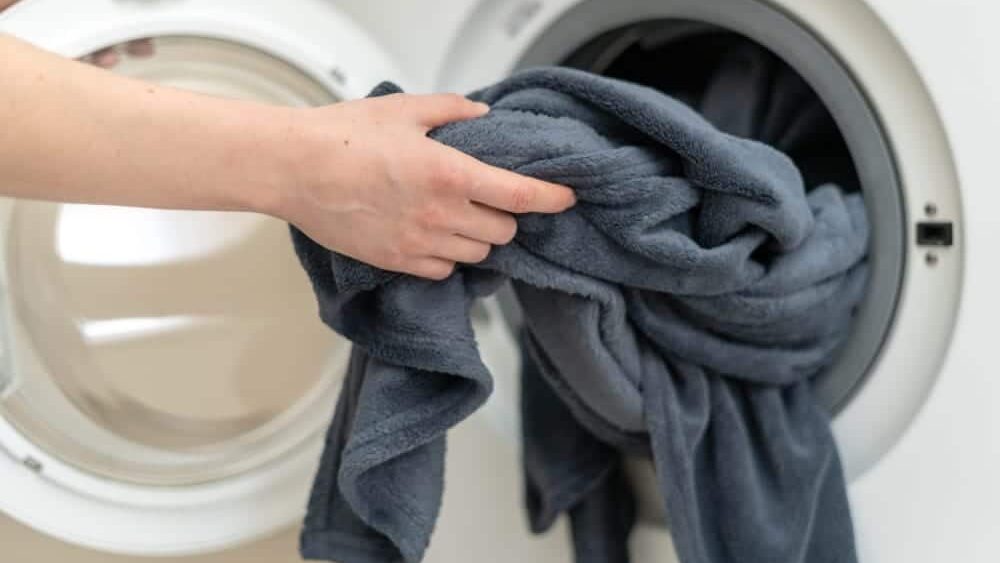
High humidity and limited sunlight make year-end drying particularly challenging. Even after proper washing blankets, incorrect drying can result in damp, musty smells.
If using a dryer, select a medium-heat setting and rotate or shake the blankets between drying cycles to release trapped moisture evenly. Avoid extended high-heat drying, as prolonged exposure can damage fibers and flatten the filling.
For air drying, choose a well-ventilated area rather than enclosed indoor spaces. Regularly flipping the blanket and gently pulling apart the filling during drying helps it dry evenly and maintain softness.
Tip 5: Wash blankets regularly—don’t wait until they are visibly dirty
A common mistake is washing blankets only when they appear dirty or develop strong odors. During colder months, blankets are used continuously and accumulate sweat, dust, and bacteria that are not always visible.
Regular washing blankets helps remove contaminants before they penetrate deep into the fibers. This reduces odors, shortens washing and drying time, and extends blanket lifespan.
Depending on usage frequency, blankets should be washed every 2–4 weeks during colder seasons to maintain hygiene and comfort.
Clean blankets all year long with the right washing approach
Washing blankets at the end of the year is not complicated—but it must be done correctly. From sorting and detergent control to choosing proper temperatures and drying methods, every step contributes to cleaner, softer, and faster-drying blankets.
Applying these five essential washing blankets tips not only keeps blankets fresh and comfortable but also minimizes damage, reduces costs, and protects your family’s health throughout the damp, chilly months of the year.
>>>>>>> Read more: Causes of fabric damage and remedies in industrial laundry
Green Laundry – the leading company in providing quality and professional laundry solutions in Vietnam
Email: greenlaundry@giatuixanh.com
Phone: 028 36 222 180
Fanpage: Giặt Ủi Xanh – Chuyên Giặt Ủi Công Nghiệp
Address: Lot A57/II-Lot 58/II, Road No. 2D, Vinh Loc Industrial Park, Binh Tan Ward, Ho Chi Minh City.