Children’s skin is much thinner and more sensitive than that of adults. For this reason, choosing appropriate clothing is only one part of protecting their health. The way clothes are washed and cared for also plays a crucial role. Many cases of skin allergies in children are not caused by the fabric itself but by common laundry mistakes, such as using excessive detergent, failing to rinse clothes thoroughly, or storing garments improperly. Recognizing and correcting these habits can help reduce the risk of skin irritation while keeping children comfortable in the clothes they wear every day.
Learn how to prevent skin allergies in children from laundry with safe washing practices, proper detergent use, and expert tips for caring for children’s sensitive skin.
1. Why Are Children More Prone to Skin Allergies Than Adults?
To understand how laundry mistakes can affect a child’s health, it is important to first understand why children are more susceptible to skin problems than adults.
The skin of infants and young children is still developing. Compared with adult skin, a child’s outer skin barrier is thinner, less protective, and more vulnerable to irritation caused by dirt, bacteria, and chemical residues left on clothing.
During daily activities, clothing remains in direct contact with a child’s skin for many hours at a time. If garments are not cleaned properly or still contain detergent and other laundry residues, these substances can remain in prolonged contact with the skin, increasing the likelihood of skin allergies in children.
In addition, children are generally more active than adults. They sweat more frequently, crawl, play on different surfaces, and spend much of the day moving around. Sweat combined with constant friction between clothing and the skin can make sensitive skin even more prone to irritation, particularly if the fabric has not been washed or cared for properly.
When the skin is exposed to irritants, children may experience a variety of symptoms, including:
- Redness of the skin
- Itching and discomfort
- Dry or flaky skin
- Mild rashes
- Irritation in sensitive areas such as the neck, underarms, or groin
These symptoms can cause significant discomfort and may even affect a child’s daily activities and sleep quality.
For this reason, in addition to selecting suitable clothing, parents should also pay close attention to proper laundry practices to help minimize factors that may contribute to skin allergies in children during everyday wear.
2. Using Too Much Laundry Detergent or Cleaning Products
Many people believe that using more detergent will result in cleaner clothes. However, this is one of the most common laundry mistakes that may increase the risk of skin allergies in children.
Every laundry detergent is formulated to be used in a specific amount based on its cleaning performance and the volume of clothing being washed. When more detergent than necessary is used, excess cleaning agents may not be completely removed during the rinse cycle—especially if the washing machine does not include an extra-rinse function or if the load is too large.
These detergent residues can remain on the surface of the fabric or penetrate deep into the fibers. When children wear the clothing, their skin stays in direct contact with these residues for extended periods. For children with sensitive skin, this prolonged exposure may trigger redness, itching, or general skin discomfort.
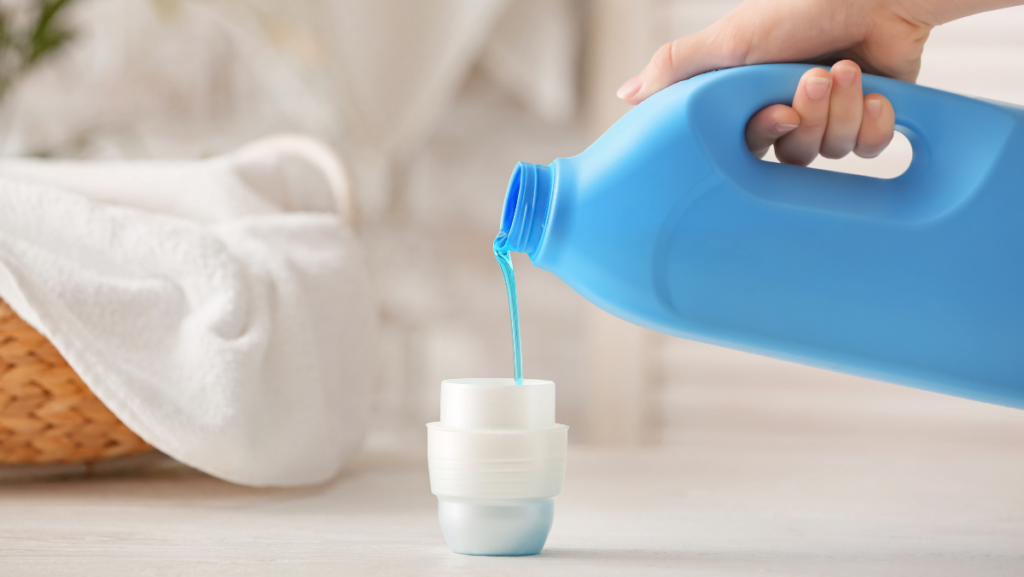
In addition to affecting the skin, overusing detergent may also shorten the lifespan of clothing. Repeated buildup of chemical residues can cause fabric fibers to deteriorate more quickly, leaving garments stiff, rough, or less comfortable to wear.
Some parents also combine multiple cleaning products in the hope of achieving better washing results. In reality, using several cleaning products at the same time does not necessarily improve cleaning performance. Instead, it often increases the amount of chemical residue left on children’s clothing.
To help prevent skin allergies in children from laundry, parents should always use detergent according to the manufacturer’s instructions, choose products that are suitable for children’s clothing, and adjust the amount based on the size of the laundry load and the actual level of soiling.Using the correct amount of detergent not only helps clean clothes effectively but also protects a child’s sensitive skin during everyday wear.
3. Overusing Fabric Softeners with Strong Fragrances
Fabric softener is commonly used to make clothes feel softer and leave behind a pleasant scent after washing. However, when it comes to children’s clothing, using excessive amounts of fabric softener—or choosing products with strong fragrances—is not always the best option.
In reality, many fabric softeners contain fragrances and scent-enhancing ingredients designed to keep clothes smelling fresh for an extended period. Although these ingredients are generally used within approved safety limits, they may still increase the risk of skin allergies in children, particularly for those with sensitive skin or a tendency toward irritation.
When large amounts of fragrance remain on clothing after washing, a child’s skin stays in direct contact with these substances for many hours. This prolonged exposure may cause itching, redness, or skin discomfort, especially in areas where clothing rubs against the body, such as the neck, underarms, back, and groin.
Another common misconception is that the stronger clothes smell, the cleaner they must be. In fact, fragrance is not an indicator of cleanliness. Using excessive fabric softener simply increases the amount of chemical residue left on the fabric without significantly improving hygiene.
For children’s clothing, parents should choose mild fabric softeners that are fragrance-free, lightly scented, or specifically formulated for babies and young children. These products are generally designed to minimize ingredients that may trigger irritation and are better suited for sensitive skin.
Parents should also use fabric softener according to the manufacturer’s instructions and ensure clothes are rinsed thoroughly after washing. These simple precautions can help prevent skin allergies in children from laundry while still keeping clothes soft and comfortable for everyday wear.
4. Using Bleach Incorrectly
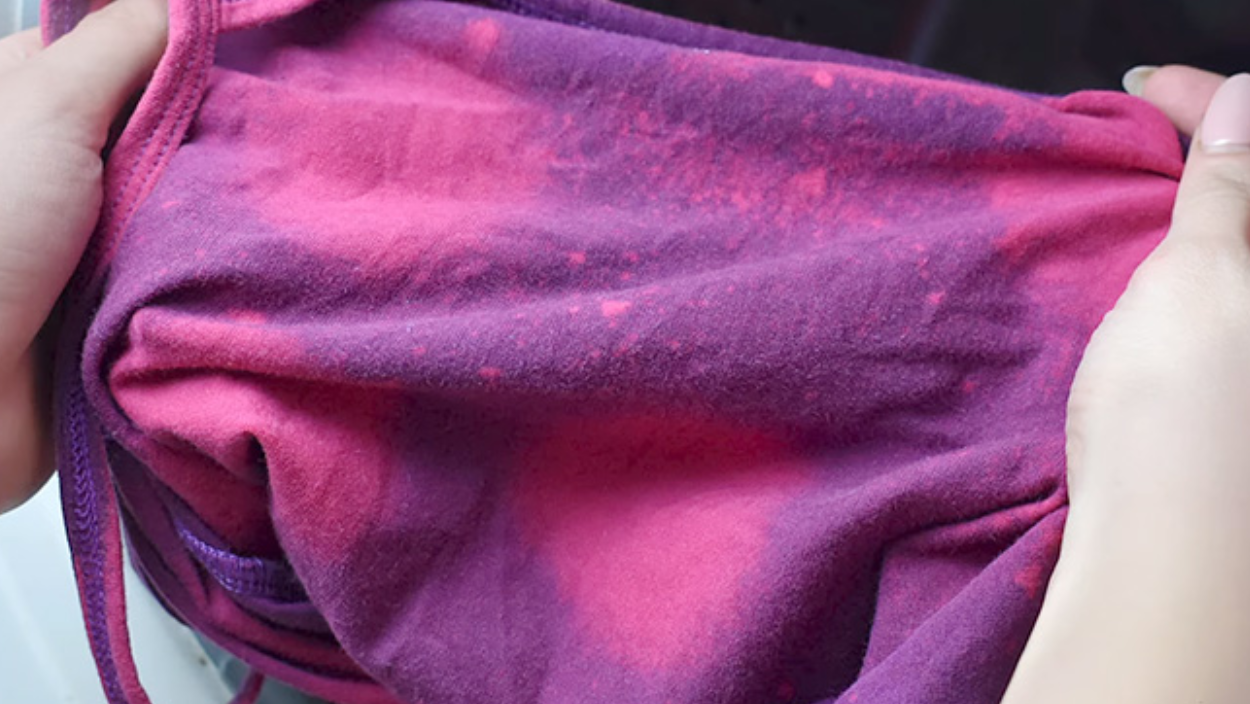
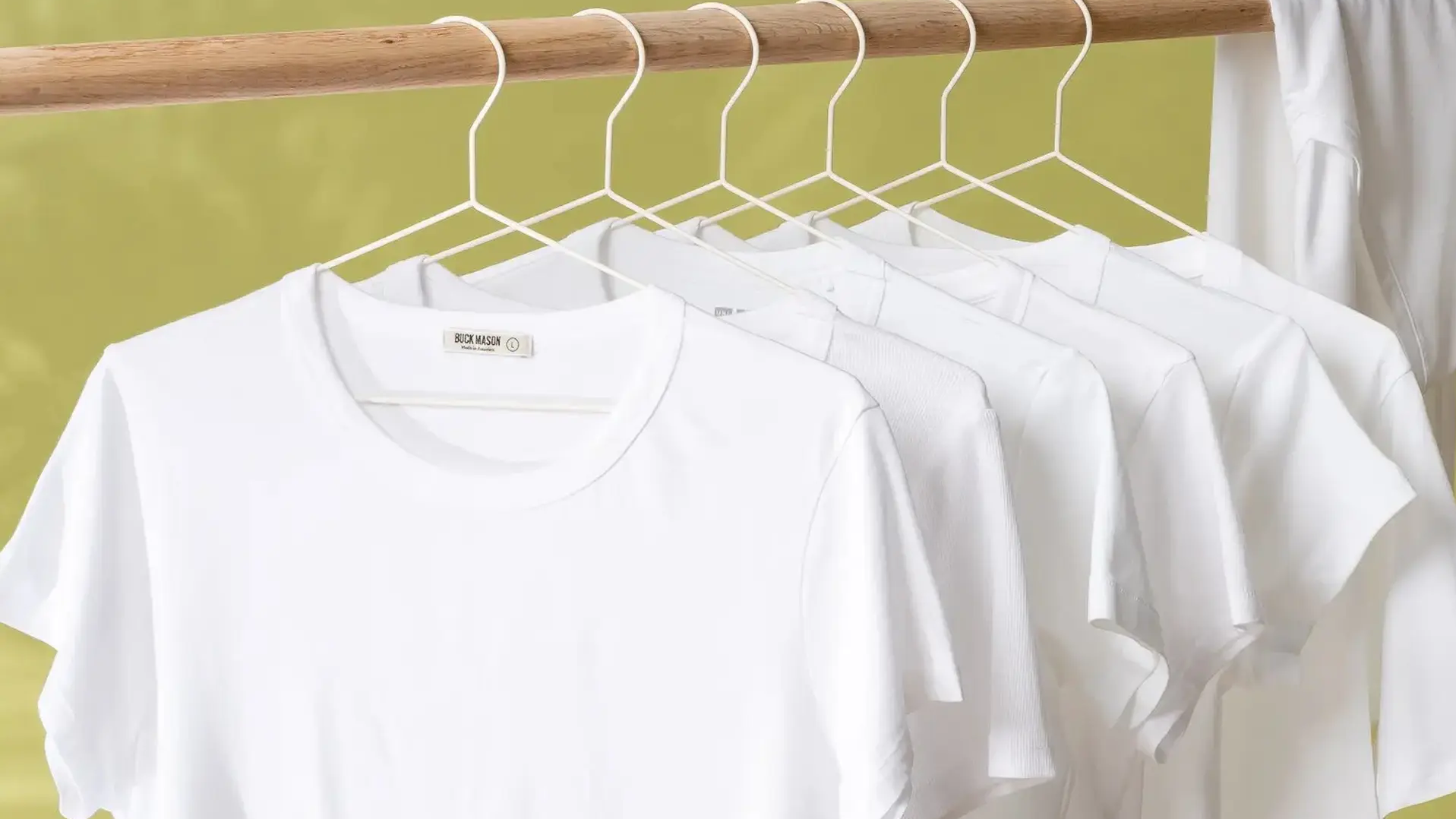
Bleach is a powerful cleaning product commonly used to remove stubborn stains and brighten white clothing. However, when used improperly, chemical residues left on garments may damage fabric fibers and increase the risk of skin allergies in children. Because children’s skin is much more sensitive than adult skin, it is more easily affected by residual chemicals remaining after the bleaching process. If clothes are not treated correctly, these chemical residues may remain on the fabric and stay in prolonged contact with a child’s skin, causing discomfort or irritation.
Some of the most common mistakes when using bleach on children’s clothing include:
4.1. Using Too Much Bleach
Many people assume that using more bleach will produce better cleaning results.
However, excessive use of bleach not only increases the amount of chemical residue left on clothing but may also weaken fabric fibers, reducing their durability and causing garments to wear out more quickly after repeated washing. For children’s clothing, exceeding the recommended amount of bleach may also increase the likelihood of skin irritation during prolonged wear.
4.2. Failing to Dilute Bleach Before Use
Another common mistake is pouring bleach directly onto clothing without diluting it according to the manufacturer’s instructions. Highly concentrated bleach may discolor fabrics, weaken their fiber structure, and make it more difficult for the product to disperse evenly during the cleaning process. As a result, clothing quality may decline, and more chemical residue may remain on the fabric after washing.
4.3. Not Rinsing Clothes Thoroughly After Bleaching
After using bleach, some people rinse clothing only briefly or skip additional rinse cycles altogether. In reality, thorough rinsing is one of the most important steps for removing any remaining bleach from clothing. If bleach residues remain trapped in the fabric, children may be exposed to these chemicals every time they wear the garment, increasing the risk of skin allergies in children and causing unnecessary discomfort for sensitive skin.
4.4. Using Bleach on Unsuitable Fabrics
Not every fabric is suitable for bleach treatment. Materials such as wool, silk, and other delicate fabrics may become damaged when exposed to strong bleaching agents. Besides affecting the color and durability of clothing, inappropriate bleach use may also alter the texture of the fabric, making garments feel rough and uncomfortable for children to wear.
For children’s clothing, bleach should only be used when absolutely necessary and always according to the manufacturer’s instructions. Most importantly, garments should be rinsed thoroughly before use to help prevent skin allergies in children from laundry while preserving fabric quality over time.
5. Washing Children’s Clothes Together with Adult Clothing
To save time, water, and electricity, many families wash all of their laundry in a single load. Although this approach is convenient, it may increase the risk of skin allergies in children if proper precautions are not taken.
Throughout daily life, adult clothing is exposed to a wide variety of environmental contaminants, including dust, traffic pollution, bacteria, sweat, and workplace-related dirt. These substances may remain on the fabric and enter the washing machine together with children’s clothing. In addition, adult garments often contain residues from personal care products such as perfume, body lotion, cosmetics, hair styling products, and other chemicals. During the wash cycle, some of these substances may dissolve into the water and transfer onto children’s clothing.
While these residues may not significantly affect adults, young children have more delicate skin and a less developed skin barrier. Regular exposure to potential irritants may therefore increase the likelihood of redness, itching, or other forms of skin irritation.
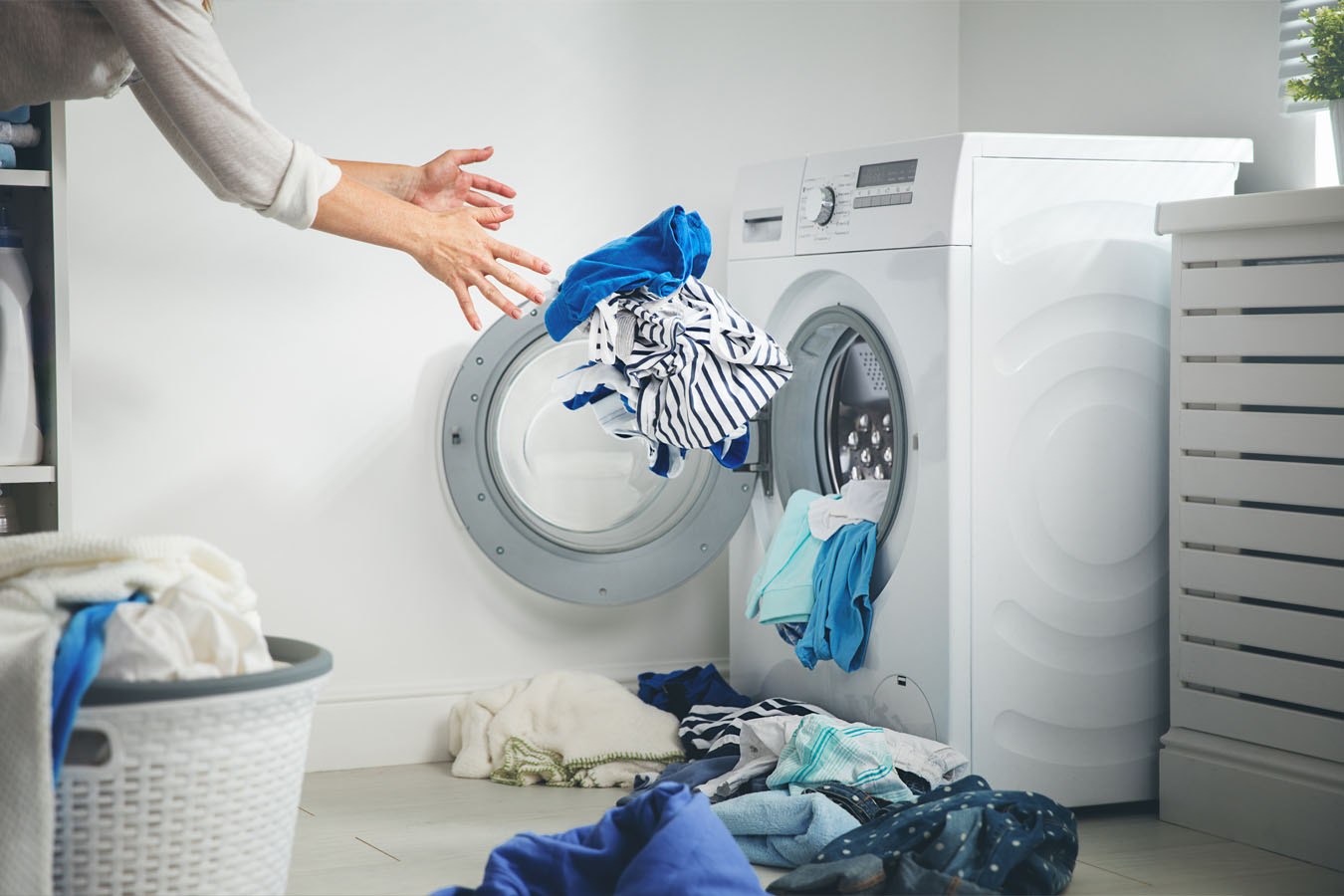
Besides reducing exposure to chemicals and contaminants, washing children’s clothes separately also improves cleaning effectiveness. When a washing machine is overloaded with different types of fabrics and varying levels of dirt, the wash and rinse cycles may not clean every item equally well. For infants and children with sensitive skin, many laundry experts recommend washing children’s clothes separately whenever possible. This makes it easier to choose an appropriate wash cycle, detergent, and garment care routine specifically designed for children’s needs.
If washing children’s clothes separately is not always practical, parents should at least sort laundry according to the level of soiling and avoid washing children’s garments together with heavily soiled clothing or items that have been exposed to outdoor environments. This simple habit can help reduce the risk of skin allergies in children while providing better protection for their sensitive skin during everyday wear.
6. Not Cleaning the Washing Machine Regularly
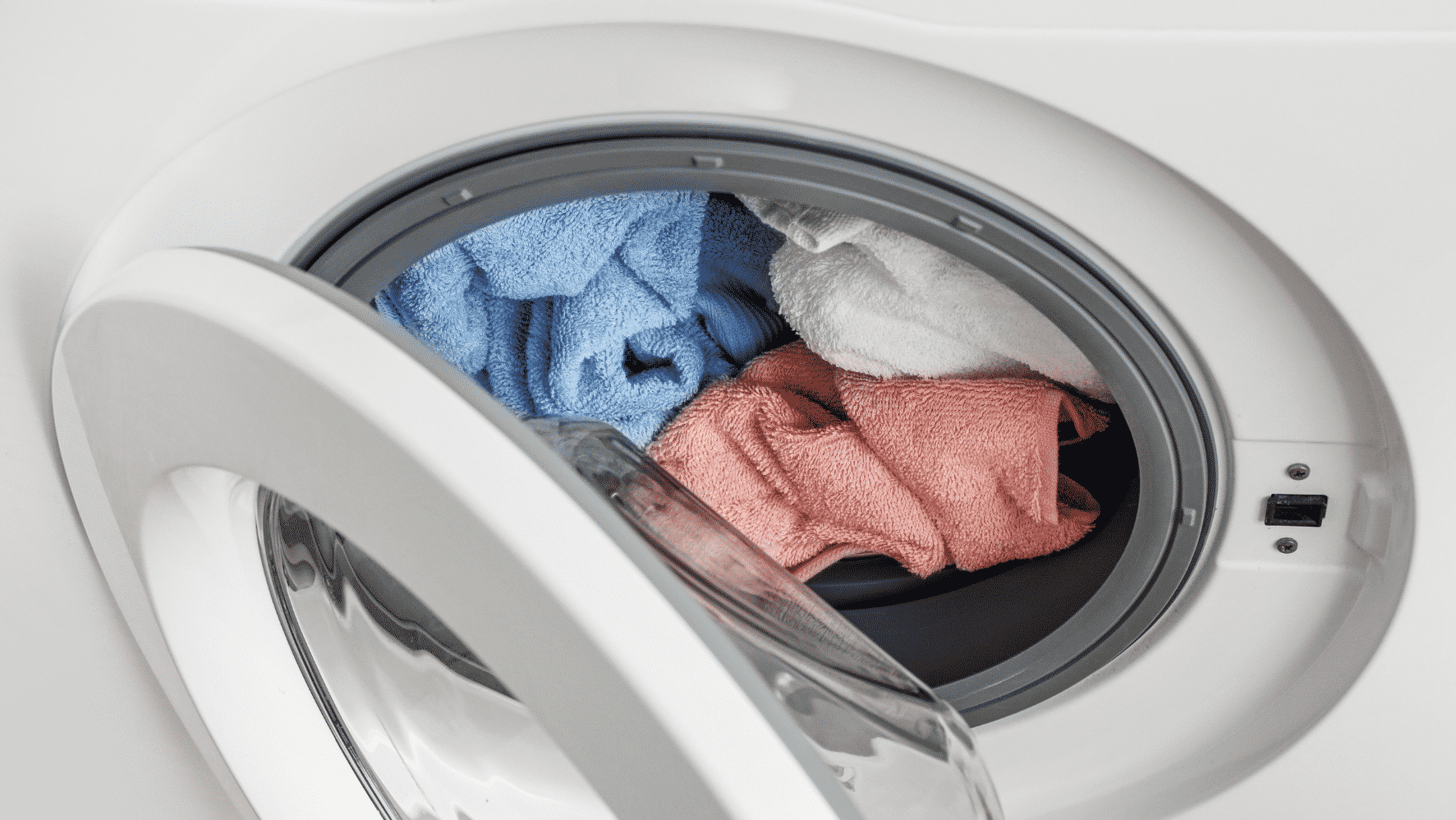
Many people assume that because a washing machine is designed to clean clothes, the machine itself always stays clean. In reality, however, various types of residue can gradually accumulate inside the washer over time, even if they are not visible to the naked eye.
During everyday use, detergent residue, fabric softener, dirt from clothing, lint, and other impurities can build up inside the drum, water lines, detergent dispenser, and other internal components. Without regular cleaning, these deposits continue to accumulate and create an ideal environment for bacteria and mold growth.
Common contaminants that may develop inside an unclean washing machine include:
- Residual laundry detergent and fabric softener.
- Bacteria accumulating inside the drum.
- Mold growing in damp areas.
- Dirt, lint, and fabric fibers left behind after each wash.
When the washing machine is used again, these contaminants can transfer back onto freshly washed clothing. As a result, even though garments appear clean, they may still come into contact with bacteria, mold, or chemical residue remaining inside the machine.
For children with sensitive skin, wearing clothing contaminated by bacteria, mold, or detergent buildup may increase the risk of skin allergies in children. Symptoms such as itching, redness, or skin irritation are sometimes caused not by dirty clothing itself, but by an improperly maintained washing machine.
Besides affecting your child’s skin, a washing machine filled with residue can also reduce overall cleaning performance, leave unpleasant odors on clothing, and cause fabrics to deteriorate more quickly over time.
For these reasons, families should make washing machine maintenance a regular part of their laundry routine by following the manufacturer’s recommended cleaning schedule.
In addition to cleaning the drum, it is important to maintain other components such as the detergent drawer, lint filter, and rubber door gasket, where bacteria and mold are most likely to accumulate.
A clean washing machine not only improves laundry performance but also helps prevent skin allergies in children from laundry, providing children with cleaner, safer, and more comfortable clothing every day.
7. Safer Laundry Practices for Children’s Clothing
To reduce the risk of skin irritation and help children stay comfortable while wearing their clothes, parents should follow these simple laundry practices:
- Use the appropriate amount of laundry detergent.
- Rinse clothes thoroughly after every wash.
- Avoid overusing bleach and heavily scented fabric softeners.
- Wash children’s clothing separately whenever possible.
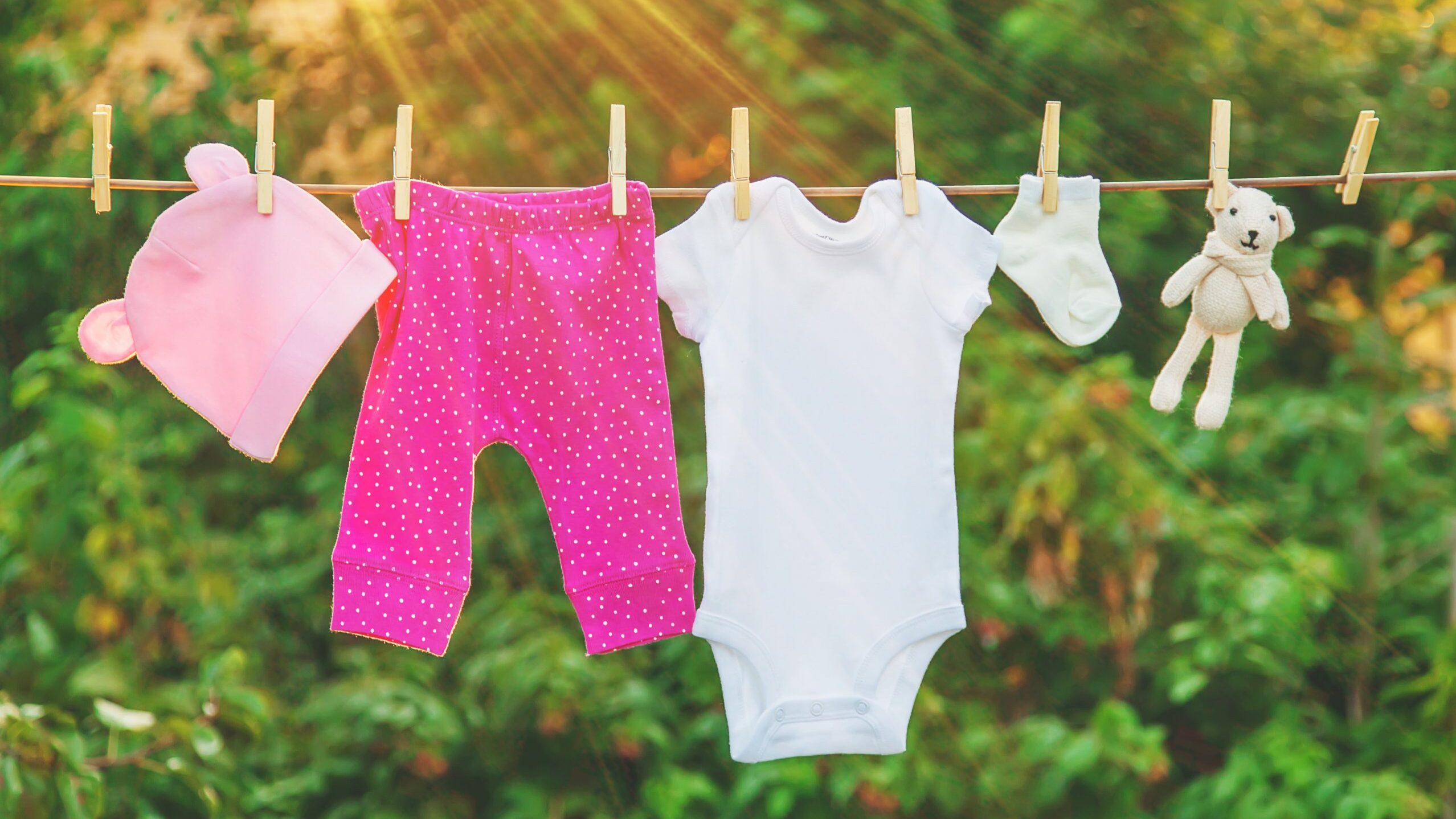
- Dry clothes in a clean, well-ventilated area.
- Make sure garments are completely dry before storing them.
- Clean the washing machine regularly.
- Choose laundry products specifically formulated for sensitive skin.
Many cases of skin allergies in children are not caused solely by a child’s skin sensitivity but are also linked to everyday laundry habits.
Using excessive cleaning chemicals, failing to rinse garments thoroughly, or storing clothes improperly can all increase the likelihood of skin irritation.
By adopting proper laundry practices and paying closer attention to every stage of garment care, parents can better protect their children’s delicate skin while ensuring that clothing remains clean, safe, and comfortable to wear every day.
>>>> Read more: Why is baking soda considered a powerful helper in laundry care?
Green Laundry – the leading company in providing quality and professional laundry solutions in Vietnam
Email: greenlaundry@giatuixanh.com
Phone: 028 36 222 180
Fanpage: Giặt Ủi Xanh – Chuyên Giặt Ủi Công Nghiệp
Address: Lot A57/II-Lot 58/II, Road No. 2D, Vinh Loc Industrial Park, Binh Tan Ward, Ho Chi Minh City.