Sorting laundry before washing helps prevent color bleeding, protects fabric quality, improves cleaning performance, and extends the lifespan of your clothes. Learn the proper way to sort laundry in the guide below.
1. Why Is It Important to Sort Laundry Before Washing?
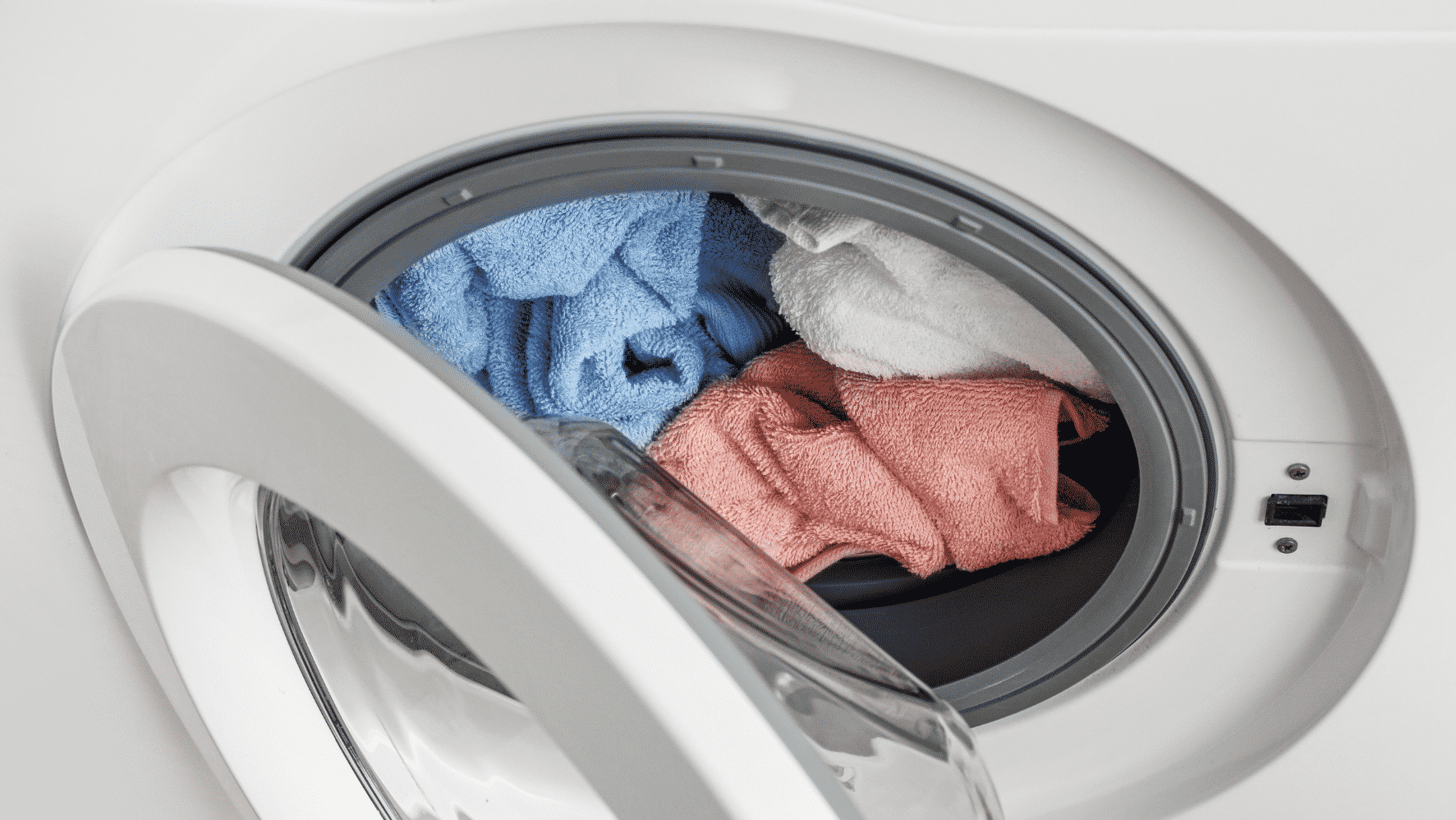
Many people have the habit of throwing all dirty clothes into the washing machine at once to save time. While this may seem convenient, it is also one of the main reasons why clothes fade, become damaged, or fail to come out as clean as expected.
In reality, every garment has different characteristics in terms of color, fabric type, durability, and level of dirt. Washing everything together using the same cycle makes it difficult to achieve the best cleaning results.
For example, a white dress shirt with only light dust requires a completely different washing program than sportswear soaked with sweat or clothing stained with cooking grease. Likewise, wool sweaters, silk garments, and underwear should not be washed together with jeans or bath towels because the friction can damage delicate fibers.
Taking just a few minutes to sort laundry before washing offers several important benefits:
- Helps prevent color bleeding.
- Improves stain removal.
- Protects fabric quality and garment color.
- Reduces the risk of shrinking or fabric distortion.
- Extends the lifespan of clothing.
- Makes it easier to choose the most suitable wash cycle.
Although it is a simple step, sorting clothes properly plays a significant role in maintaining the quality of your garments over time.
2. Essential Rules for Sorting Laundry
To sort laundry effectively, you should consider more than just color.
In general, clothing should be sorted based on the following factors:
- Color.
- Fabric type.
- Level of soiling.
- Type of garment.
- Care instructions on the clothing label.
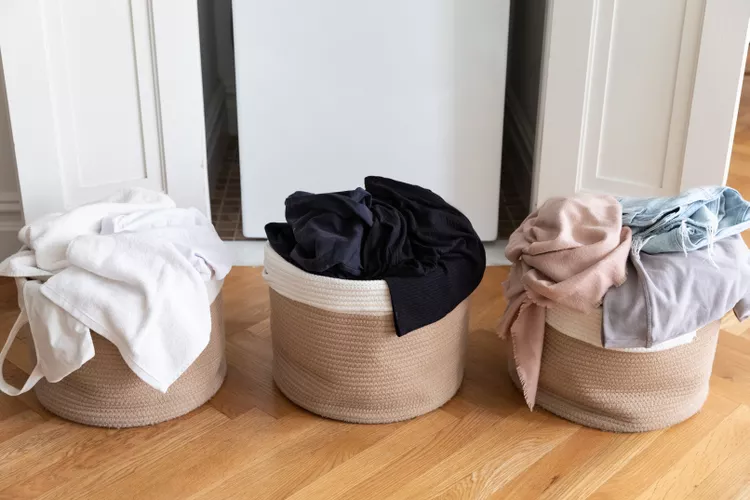
Combining these criteria allows you to select the appropriate water temperature, detergent amount, spin speed, and wash cycle for each group of garments. Proper sorting also helps prevent common laundry problems such as white clothes becoming discolored, wool garments pilling, fabrics shrinking after washing, or heavy stains transferring onto lightly soiled clothing. This is also the approach used by professional laundry services to ensure that each type of textile is processed using the most suitable washing method.
3. How to Sort Clothes Properly Before Washing
3.1. Sort by Color
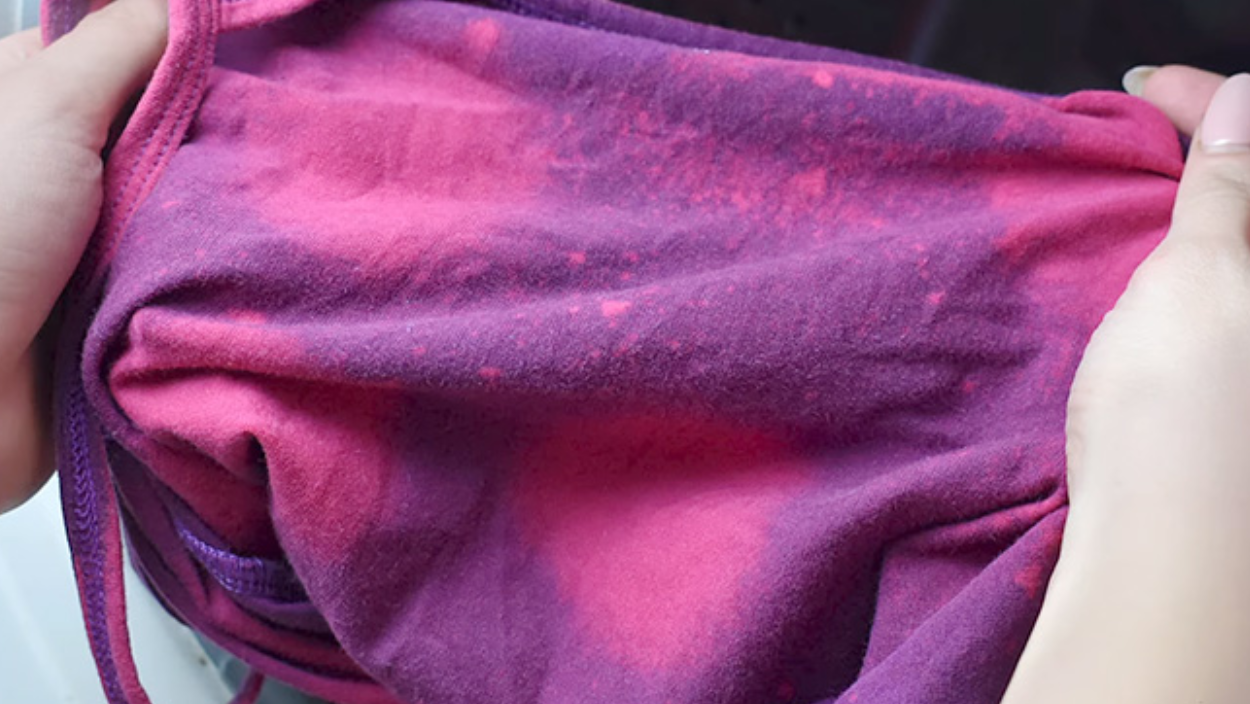
Sorting by color is the first and most important step before doing laundry. Dark-colored garments usually contain more dye than light-colored ones. During the first few washes, excess dye may be released into the water and transfer onto other clothes.
In general, it is recommended to separate clothing into the following groups:
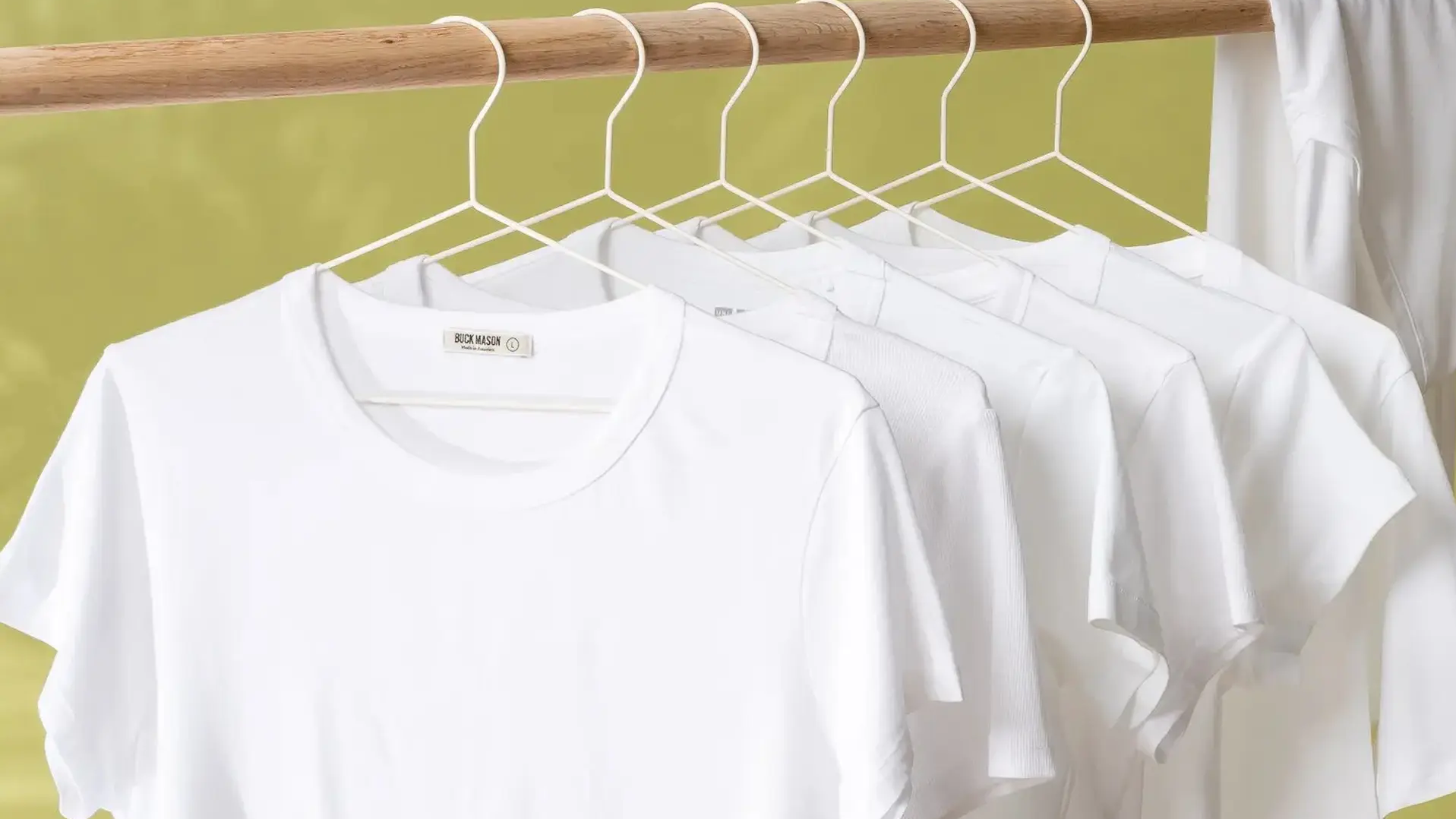
- White clothing.
- Light-colored clothing.
- Dark-colored clothing.
- Black clothing.
For newly purchased garments—especially those in red, navy blue, black, or denim—it is best to wash them separately for the first few wash cycles to reduce the risk of color bleeding. Sorting clothes by color not only helps preserve their original appearance but also prevents stubborn dye transfer that can be difficult to remove later.
3.2. Sort by Fabric Type
Besides color, fabric type is another important factor that determines how clothing should be washed.
Different fabrics vary in their ability to withstand heat, friction, and water absorption. Using the same wash cycle for every fabric may cause certain garments to wear out more quickly.
Cotton
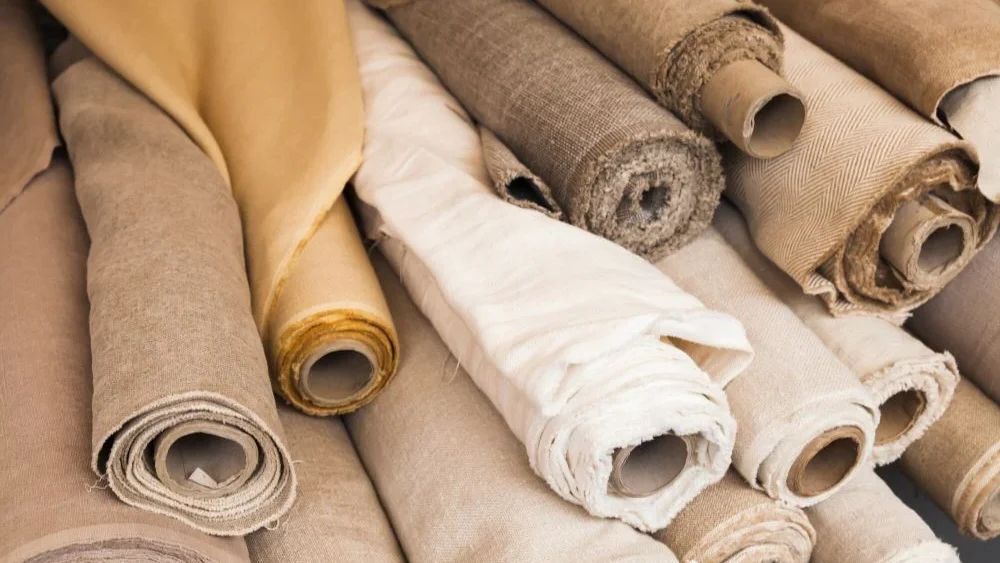
Cotton is a durable fabric that can withstand regular washing. Since it is commonly used for everyday clothing, it is generally suitable for a wide range of wash cycles.
Denim
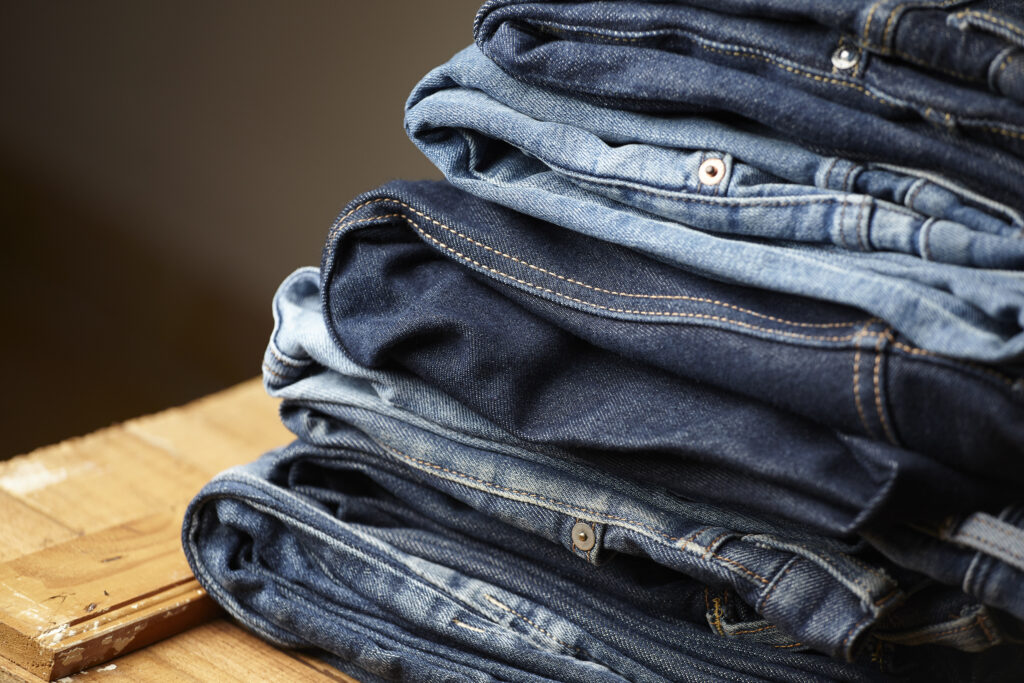
Denim garments are heavier and often require a stronger washing action. However, they should be turned inside out before washing to help minimize fading.
Wool
Wool is a delicate fabric. Washing it using a regular cycle or hot water may cause it to shrink or lose its original shape.
Silk
Silk has fine, delicate fibers that require gentle handling. It should be washed using a delicate cycle, with minimal spinning, and should not be exposed to high temperatures.
Sportswear
Sportswear is commonly made from synthetic fabrics with stretch properties. Choosing the appropriate wash cycle helps preserve the fabric’s elasticity and overall performance.
Sorting clothes by fabric type allows you to select the most suitable washing method, helping protect your garments and extend their lifespan.
3.3. Sort by Level of Soiling
Not all clothing is equally dirty after use.
A dress shirt worn in an office environment requires different care than sportswear soaked with sweat or clothing stained with cooking oil and grease. If everything is washed together, dirt, grease, and other contaminants from heavily soiled garments may transfer to cleaner items.
You can divide laundry into categories such as:
- Lightly soiled clothing.
- Sweat-soaked clothing.
- Greasy or oil-stained garments.
- Children’s clothing.
- Bath towels and face towels.
- Bedding and other large household linens.
Sorting laundry according to the level of soiling allows you to adjust the amount of detergent, washing time, and wash program more effectively, resulting in better cleaning performance.
3.4. Sort According to Care Labels
One step that is often overlooked—but extremely important—is checking the garment’s care label before washing. Clothing labels typically provide information about:
- Recommended water temperature.
- Whether bleach can be used.
- Whether the garment is suitable for machine drying.
- Appropriate ironing temperature.
- Whether dry cleaning is recommended.
These care instructions are designed specifically for each fabric type to help maintain the garment’s quality even after repeated washing. Ignoring these instructions may result in shrinking, fading, or permanent damage to the garment.
4. Common Mistakes When Sorting Laundry Before Washing
4.1. Washing All Clothes Together
This is one of the most common laundry mistakes. Many people focus on saving time without considering the differences between various types of clothing.
As a result, problems such as the following may occur:
- White clothes become stained by other colors.
- Delicate garments wear out more quickly.
- Clothes are not cleaned thoroughly.
- Fabric lifespan is reduced.
Spending just a few extra minutes sorting laundry can help prevent many of these issues and keep your clothes in better condition.
4.2. Forgetting to Check Pockets
Before loading clothes into the washing machine, many people forget to check their pockets. Items such as:
- Tissues
- Paper money
- Pens
- Coins
- Keys
Can damage both your clothing and the washing machine during the wash cycle. Tissues are especially troublesome because they break apart in water and leave tiny paper fibers all over your laundry, making them difficult to remove afterward. Taking a moment to empty all pockets before washing can help avoid unnecessary problems.
4.3. Leaving Zippers Open and Buttons Unfastened
Metal zippers, buttons, and other hard accessories can rub against surrounding garments throughout the wash cycle. This may lead to:
- Scratched fabric surfaces.
- Snagged fibers.
- Tears in delicate clothing.
- Damage to lace or mesh fabrics.
To minimize these risks, zip up zippers, fasten buttons, and turn garments inside out before washing. These simple steps can significantly reduce friction and help protect your clothes.
4.4. Overloading the Washing Machine
Many people try to fill the washing machine to its maximum capacity in order to reduce the number of loads. However, when the drum is overloaded, water and detergent cannot circulate properly between the garments, reducing the overall cleaning performance.
In addition, an overloaded washing machine has to work harder, which may shorten its lifespan and increase energy consumption over time. For the best washing results, always load your machine according to the manufacturer’s recommended capacity.
5. Tips to Make Sorting Laundry Faster
Many people think sorting laundry is time-consuming. In reality, once it becomes part of your routine, the process only takes a few minutes.
Here are some simple tips to make laundry sorting easier:
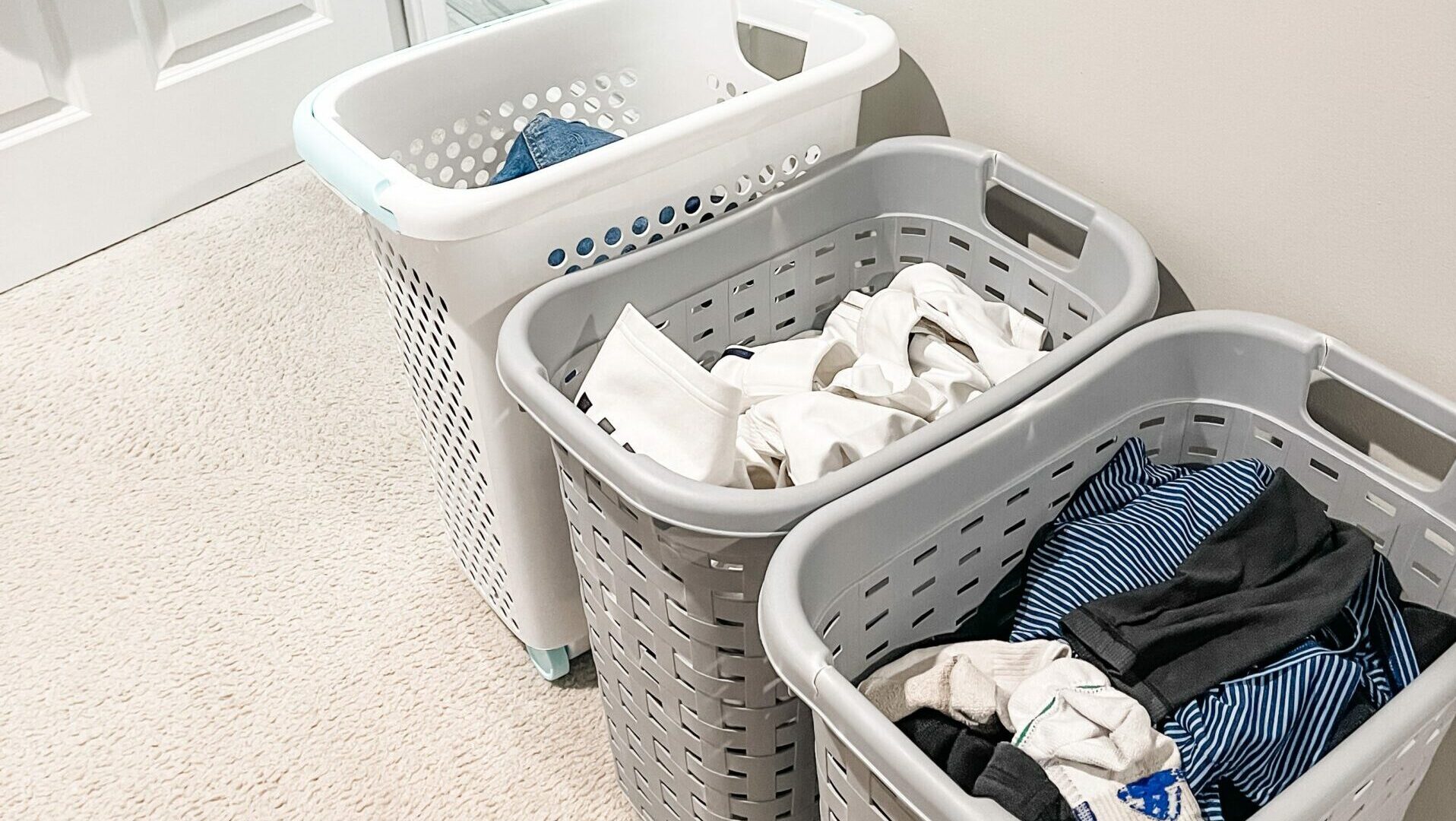
- Prepare separate laundry baskets for white, light-colored, and dark-colored clothing.
- Sort clothes immediately after changing instead of waiting until laundry day.
- Read the care label when purchasing new clothing so you know how to wash it properly.
- Wash garments with grease stains or heavy dirt as soon as possible to prevent stains from setting into the fabric.
- Use laundry bags for underwear, lace garments, and delicate fabrics.
- Avoid leaving dirty clothes in the laundry basket for too long, as this can lead to unpleasant odors and mold growth.
With just a few small changes to your daily routine, laundry can become much easier and more efficient.
Although sorting laundry may seem like a simple step before washing, it plays an important role in protecting and maintaining your clothes. Separating garments based on color, fabric type, level of soiling, and care label instructions not only improves washing performance but also helps prevent color bleeding, shrinkage, and fabric damage after repeated washes.
In addition, making laundry sorting a regular habit allows you to choose the most appropriate wash cycle, reduce the likelihood of laundry mishaps, and extend the lifespan of every garment. Spending only a few extra minutes before each wash can make laundry care more organized, efficient, and effective while helping your clothes stay in excellent condition for years to come.
>>>> Read more: Why is baking soda considered a powerful helper in laundry care?
Green Laundry – the leading company in providing quality and professional laundry solutions in Vietnam
Email: greenlaundry@giatuixanh.com
Phone: 028 36 222 180
Fanpage: Giặt Ủi Xanh – Chuyên Giặt Ủi Công Nghiệp
Address: Lot A57/II-Lot 58/II, Road No. 2D, Vinh Loc Industrial Park, Binh Tan Ward, Ho Chi Minh City.