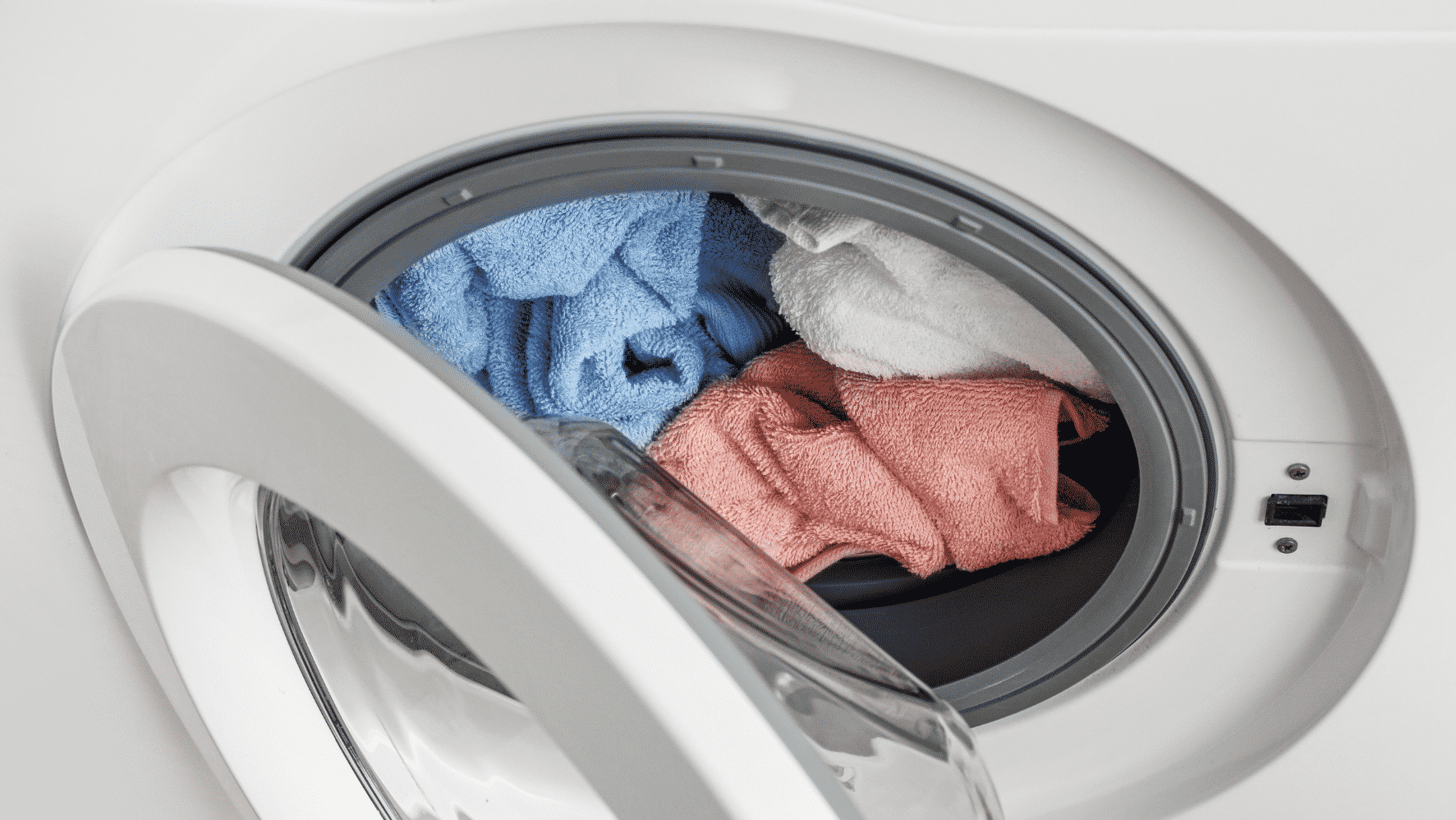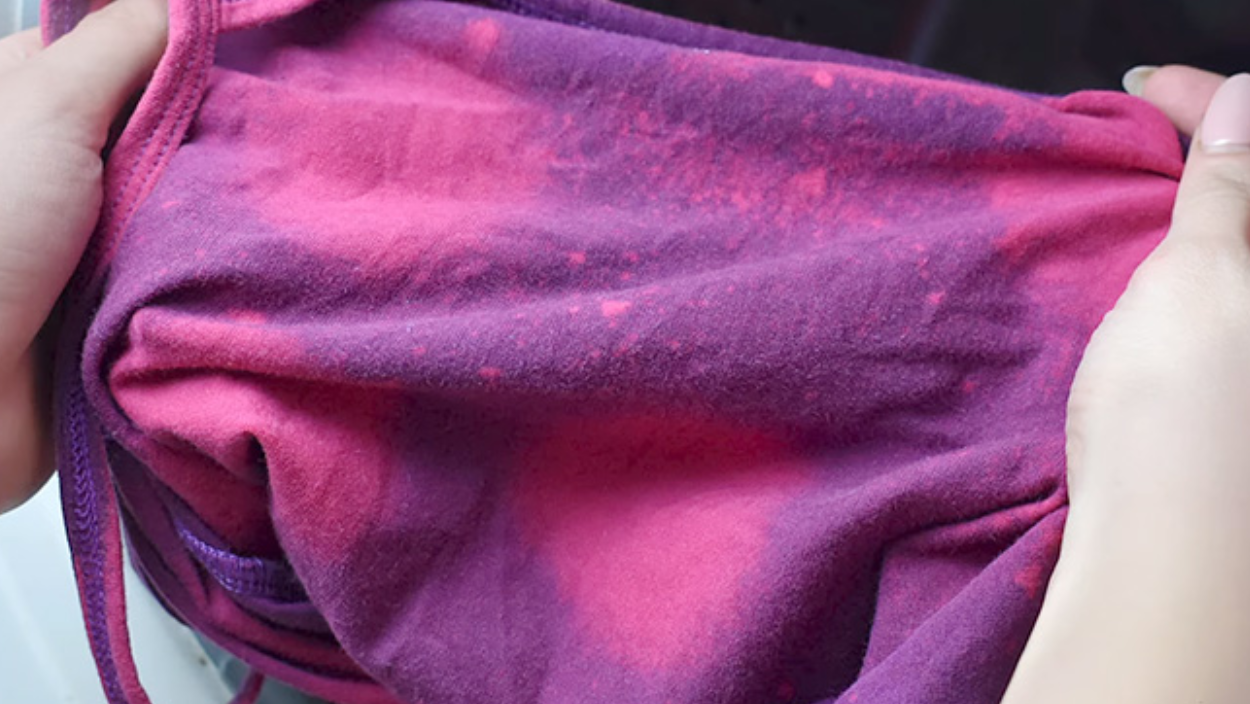
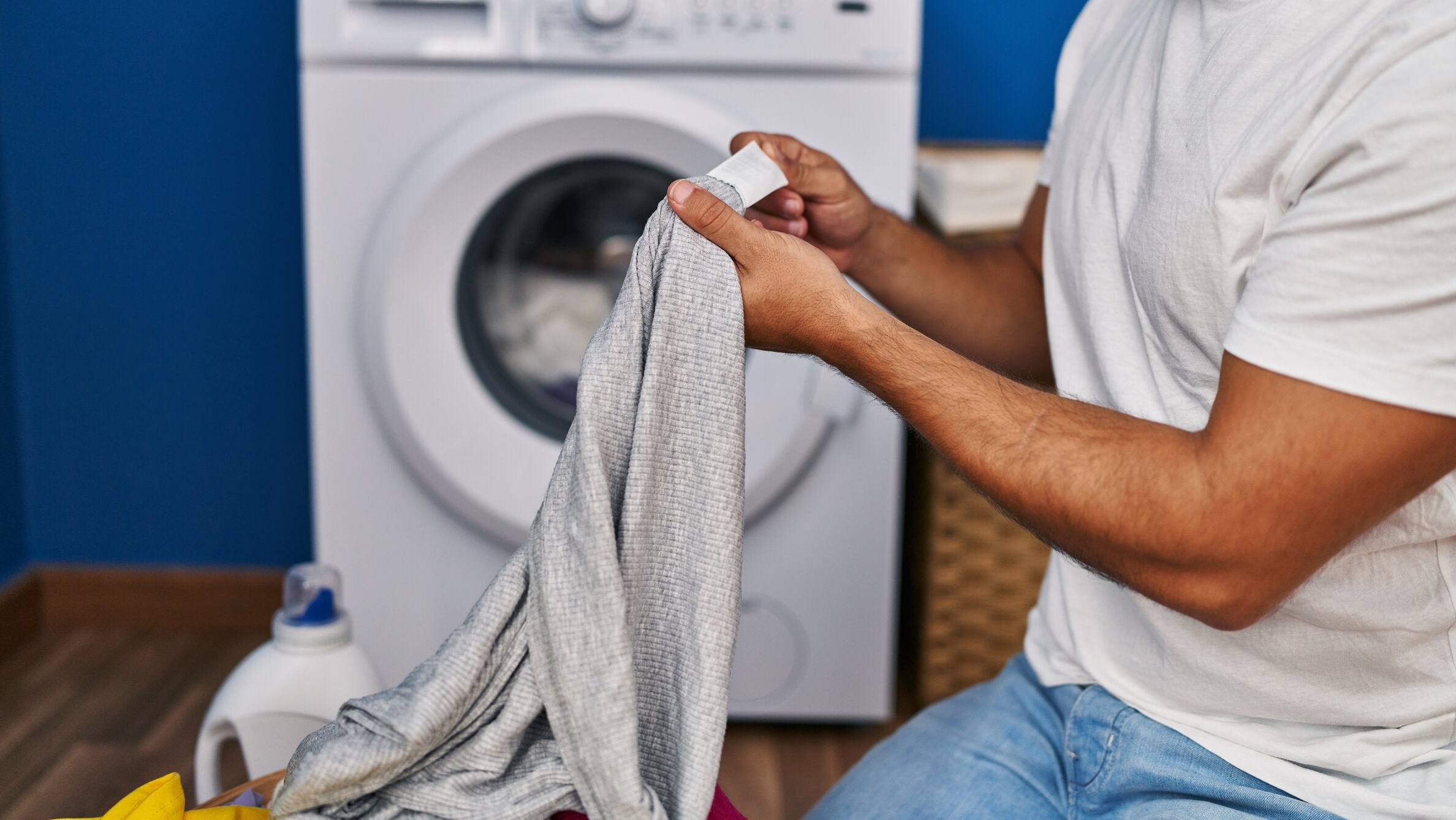
UV protection jackets are essential daily wear, especially in hot and sunny climates like Vietnam. However, many people do not realize that wash UV protection clothing incorrectly can significantly reduce its UV-blocking effectiveness, causing the garment to wear out faster, lose its shape, and provide less protection for the skin. Many still wash UV jackets like regular clothing without understanding that these garments are made with specialized materials and protective fabric structures. Proper washing and maintenance are crucial to preserving their protective performance and extending their lifespan. This guide will walk you through how to wash UV protection clothing correctly from A to Z.
1. Why Is Proper Washing Important for UV Protection Clothing?
Unlike regular clothing, UV protection jackets are often made from fabrics designed to reflect or absorb ultraviolet rays. Some garments are coated with UV-blocking layers, while others use tightly woven fibers to increase protection.
If washed incorrectly, common issues may include:
- Reduced UV protection effectiveness
- Fabric stretching and shape distortion
- Faster fading and material deterioration
- Odor buildup from improper cleaning
Using the correct washing method not only extends the product’s life but also ensures reliable skin protection.
2. Common Types of UV Protection Jackets
Before choosing a washing method, it’s important to understand the type of UV jacket you own.
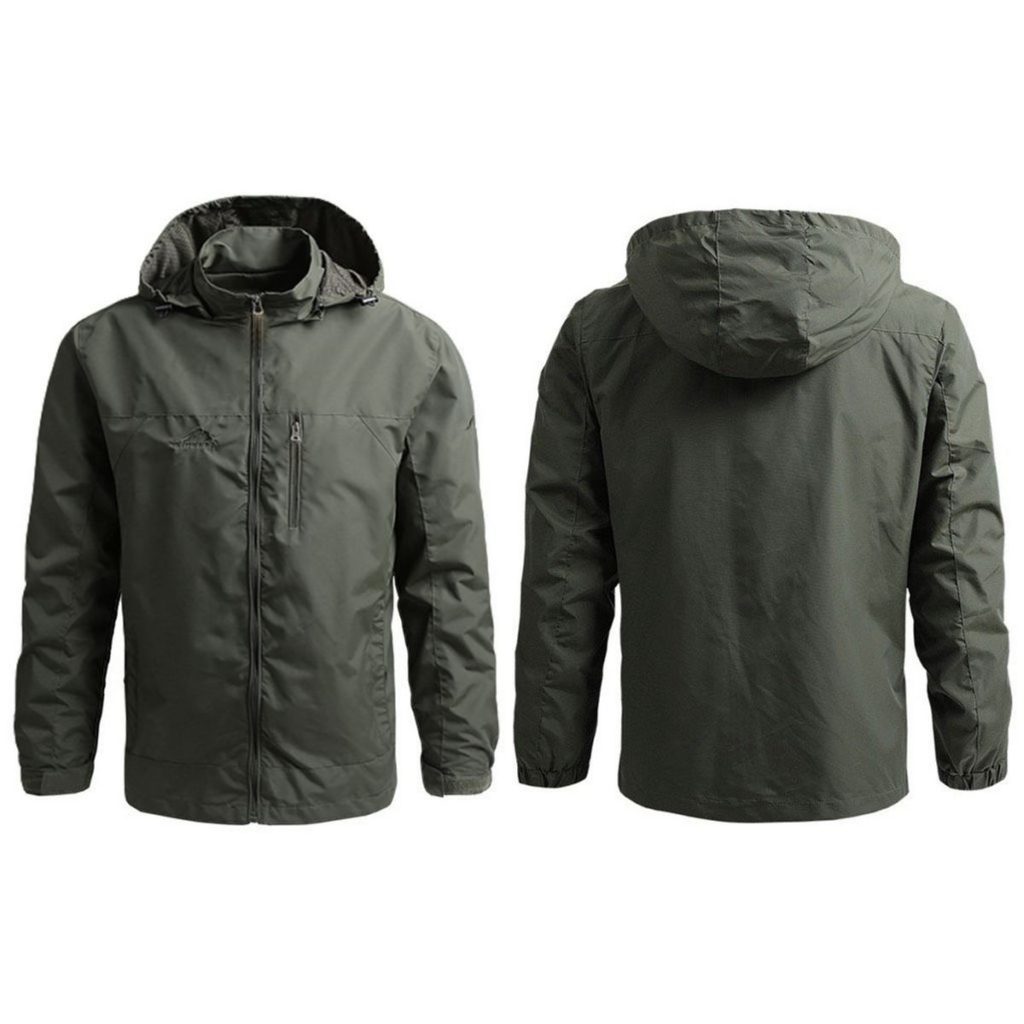
2.1 Windbreaker Fabric UV Jackets
Windbreaker fabrics are commonly made from synthetic fibers or natural blends such as cotton or polyester. These materials offer excellent water resistance and UV protection and are widely used for bags, umbrellas, and protective outerwear. This type is popular because it blocks wind and light moisture but can be easily damaged if washed too aggressively.
2.2 Cotton UV Protection Jackets
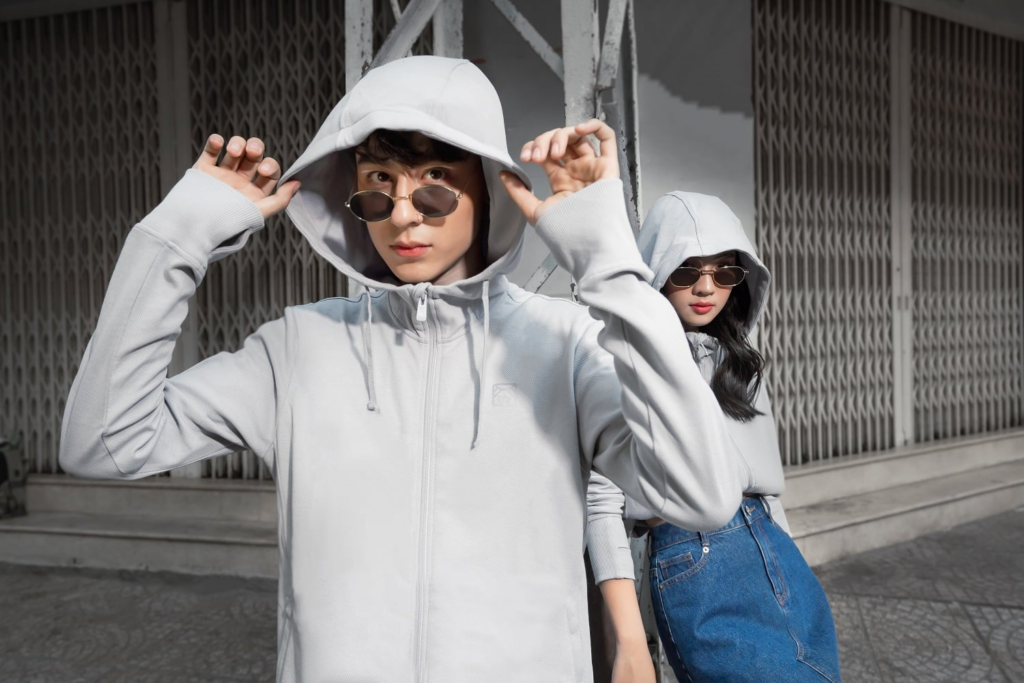
Cotton can be used for UV clothing, but standard cotton generally has lower UV protection (UPF 5–10). While breathable, sweat-absorbent, and skin-friendly, regular cotton only blocks a limited amount of UV radiation. To improve effectiveness, thicker cotton or cotton-blend fabrics are recommended.
2.3 Specialized High-UPF UV Jackets
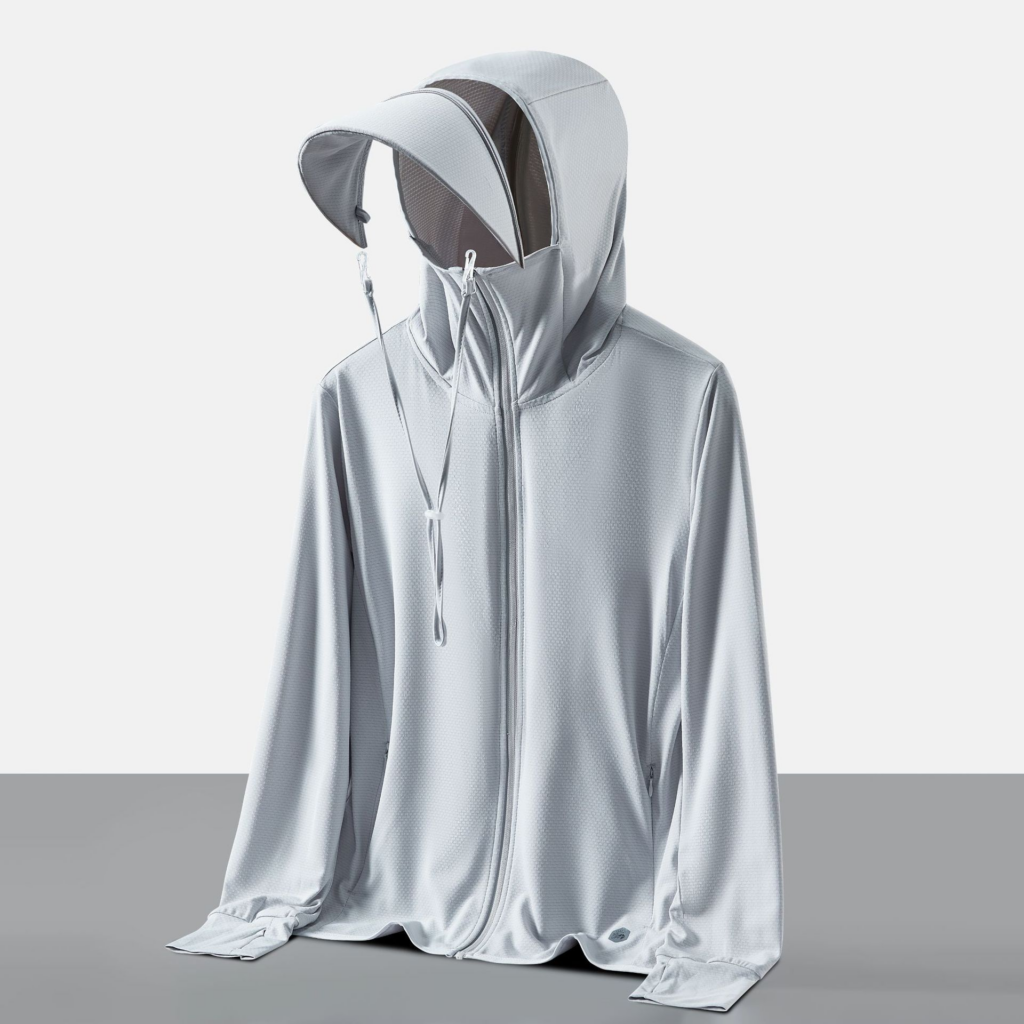
Specialized UV jackets are woven from advanced fibers such as ceramic-infused fibers or titanium dioxide (TiO2) materials with UPF 50+ protection.
Features include:
- Blocks over 98% of UV rays
- Usually made from polyester, spandex, cooling fibers, or ceramic fibers
- Often includes hoods, thumbholes, and face coverage
Because these are premium protective garments, they require extra care during washing.
3. How to Wash UV Protection Clothing Properly
3.1 Read the Care Label Carefully
Every UV protection garment comes with manufacturer instructions. Reading the label helps you determine:
- Whether machine washing is allowed
- Recommended water temperature
- Suitable detergent type
This simple step helps prevent avoidable mistakes.
3.2 Prioritize Hand Washing
Hand washing is the safest method for UV protection jackets.
When washing by hand:
- Do not scrub aggressively
- Avoid excessive twisting
- Gently squeeze to clean
This method protects both the fabric structure and UV-protective layer.
3.3 Machine Wash Correctly If Necessary
If machine washing is unavoidable:
- Choose a delicate cycle
- Use a laundry bag
- Avoid washing with heavy items like jeans
These precautions reduce friction and minimize damage.
3.4 Use Cold or Lukewarm Water
Water temperature directly impacts garment quality.
Recommended:
- Wash with cold water or below 30°C
- Avoid hot water
Hot water can damage UV-protective coatings and fabric performance.
3.5 Choose Suitable Detergent
Best practices include:
- Use mild detergent
- Avoid strong bleach or harsh chemicals
- Limit fabric softener use
Some softener ingredients may reduce UV-blocking capability.
3.6 Do Not Soak for Too Long
Excessive soaking may cause:
- Fabric weakening
- Reduced sun-protection performance
Ideal soaking time is only 10–15 minutes.
3.7 Dry Properly
After washing:
- Hang dry in a cool, ventilated area
- Avoid direct harsh sunlight
- Do not use a dryer
Excessive heat can affect both material quality and UV protection.
4. Common Mistakes When Washing UV Protection Jackets
Many people unknowingly damage their UV clothing through improper care habits. Common mistakes include washing with heavy garments like jeans or thick jackets, which creates strong friction and weakens fibers. Using stiff brushes can also roughen the fabric surface, causing pilling or tears. Over-wringing clothes can stretch fibers and distort the garment’s shape. Additionally, drying under intense sunlight may fade colors and make fabric brittle over time.
Avoiding these mistakes helps preserve both appearance and protective function.
5. How Often Should You Wash UV Protection Clothing?
Washing frequency depends on usage:
- Daily use: Wash every 2–3 days
- Occasional use: Wash about once a week
Overwashing can shorten product lifespan, so balance cleanliness with fabric preservation.
6. Signs Your UV Jacket Has Lost Effectiveness
After prolonged use, replace your jacket if you notice:
- Fabric becoming noticeably thinner
- Stretching or shape loss
- Significant fading
- Feeling hotter while wearing it
These signs may indicate reduced UV protection performance.
Understanding how to wash UV protection clothing properly is essential for maintaining durability, comfort, and sun-blocking performance over time. By making a few simple changes to your washing and care routine, you can keep your UV jacket looking new while maximizing its protective benefits.
Proper garment care is not just about cleanliness—it’s about preserving your clothing’s functionality and protecting your skin every day.
>>>>>>> Read more: Green laundry builds a sustainable laundry facility with high-quality laundry service
Green Laundry – the leading company in providing quality and professional laundry solutions in Vietnam
Email: greenlaundry@giatuixanh.com
Phone: 028 36 222 180
Fanpage: Giặt Ủi Xanh – Chuyên Giặt Ủi Công Nghiệp
Address: Lot A57/II-Lot 58/II, Road No. 2D, Vinh Loc Industrial Park, Binh Tan Ward, Ho Chi Minh City.