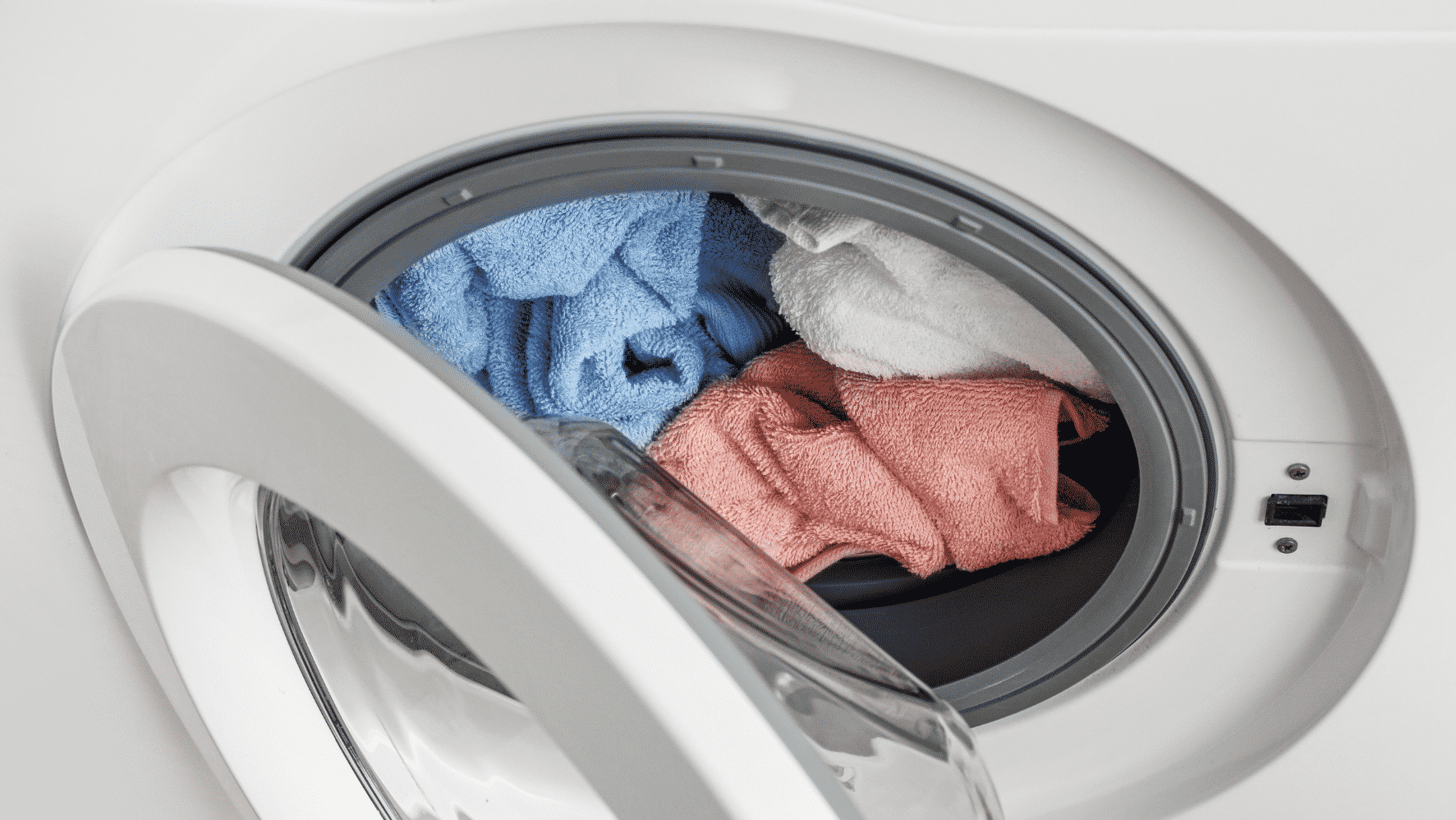
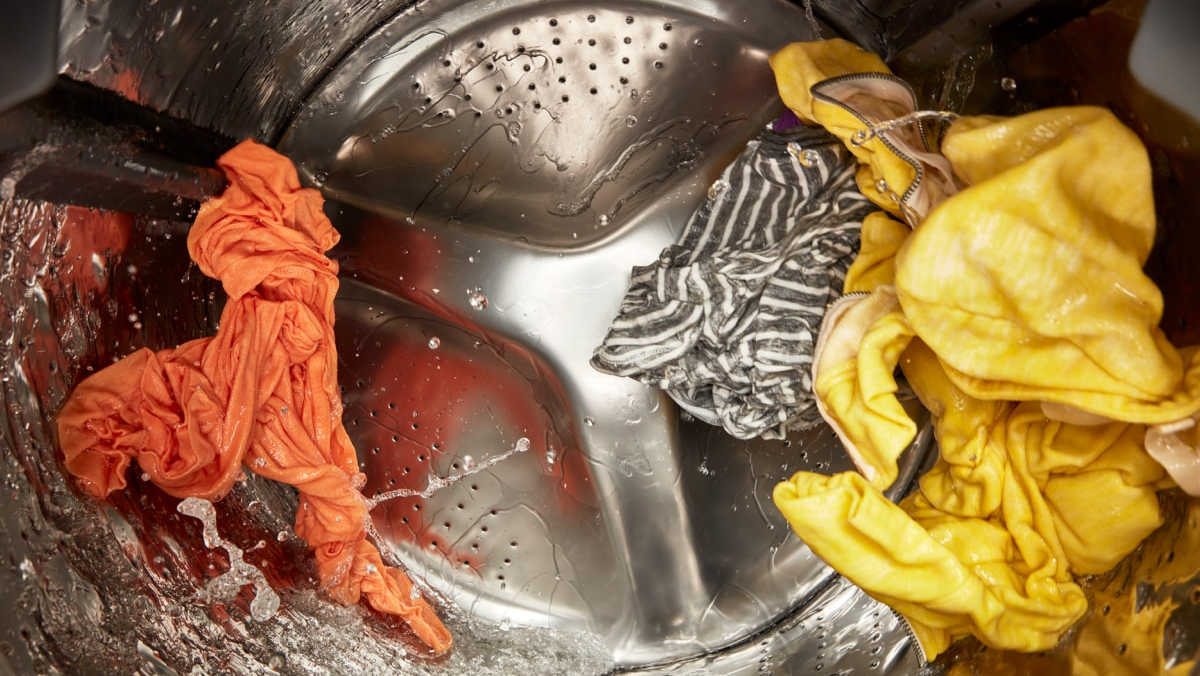
Washing clothes in hot water is a popular method for disinfecting, removing stubborn stains, or treating clothes with unpleasant odors. However, not all fabrics are suitable for high temperatures. If used incorrectly, hot water washing can cause clothes to shrink, fade, or significantly reduce their lifespan.
So, when should you wash with hot water, and what should you keep in mind to ensure both cleanliness and fabric protection? This article will help you understand more before choosing a high-temperature setting for each wash.
1. Is Washing Clothes In Hot Water Really As Good As You Think?
It’s undeniable that washing with hot water offers many benefits. At the right temperature, hot water dissolves detergent better, removes grease, and kills bacteria more effectively than cold water. This method is especially useful for bedding, towels, or sportswear.
However, high temperatures also directly affect the fabric’s structure. Each type of fabric has a different heat tolerance. Without careful consideration, washing with hot water can cause clothes to deteriorate quickly.
2. Types Of Clothing That Should Not Be Washed In Hot Water
One common mistake is applying the same heat level to all clothes. In reality, many materials are very sensitive to high temperatures.
Cotton fabrics can shrink if exposed to excessively hot water for extended periods. Wool and knitwear can even deform and lose their shape completely. Synthetic fabrics like polyester or spandex can also stretch or lose their elasticity if washed frequently in hot water.
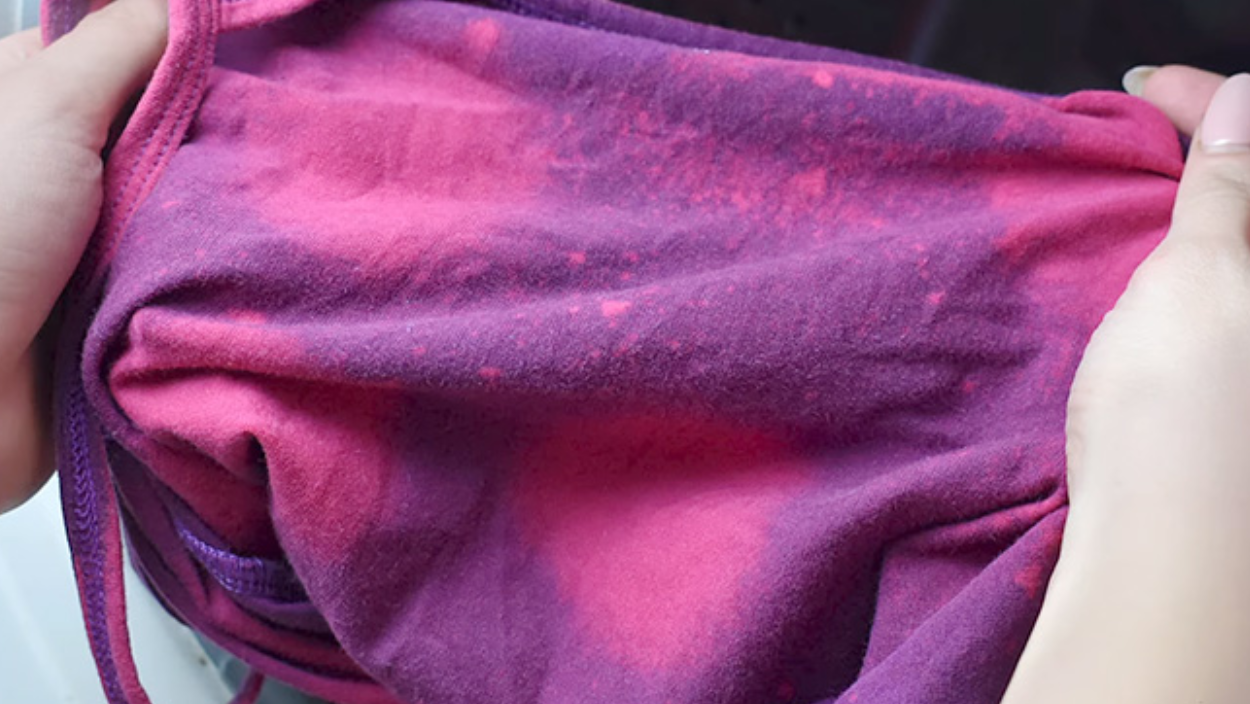
Additionally, dark-colored or printed clothing is more prone to fading when washed at high temperatures. Therefore, before choosing to wash in hot water, you should carefully check the care label on each product.
3. What Is The Appropriate Temperature?
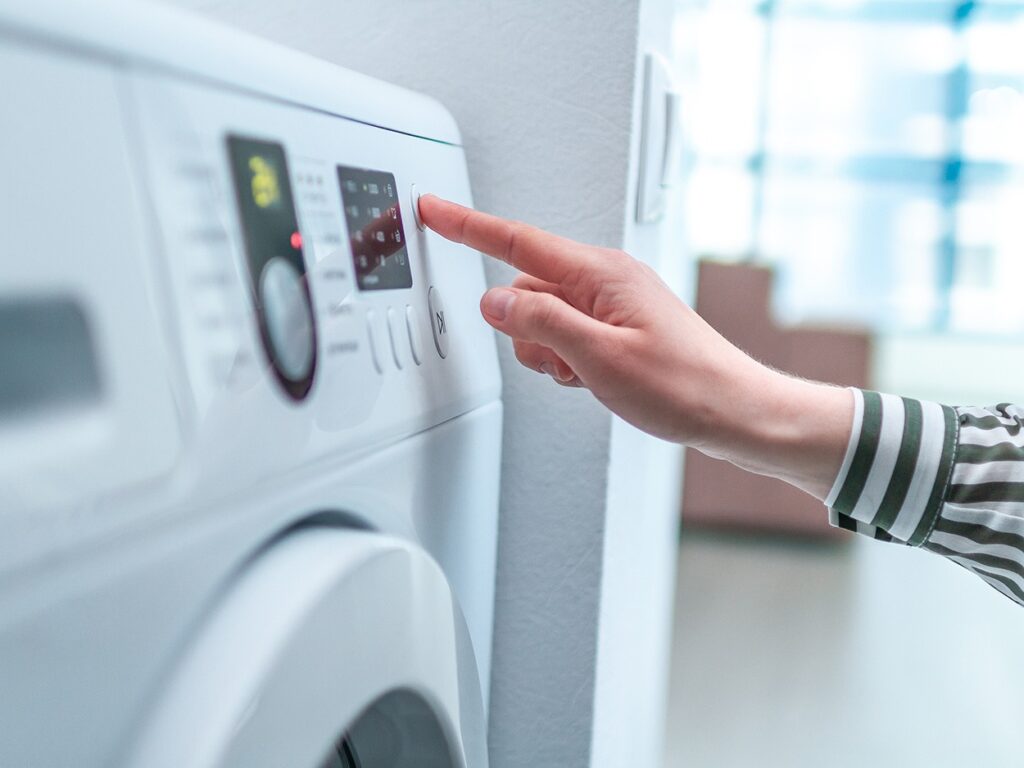
Simply selecting a setting like “Hot” isn’t always the right way to wash. In fact, hot water washing offers various temperature settings, each serving a specific purpose.
40°C is typically suitable for everyday clothes requiring deeper cleaning than cold water, while still being safe for the fabric. 60°C is often used for towels, bedding, or baby clothes to increase disinfection effectiveness. Meanwhile, 90°C should only be used for heat-resistant whites or items requiring thorough sterilization.
4. Risks of Washing with Hot Water Incorrectly
Overusing hot water during washing can lead to several undesirable problems. First, there’s the issue of fabric shrinkage. When exposed to high temperatures, fabric fibers tend to contract. This is especially noticeable in cotton t-shirts or woolen garments. A well-fitting shirt can become tighter after just a few washes at the wrong temperature.
Second, there’s the issue of color fading. High temperatures cause the color molecules in the fabric to break down, leading to faster fading. This often happens with jeans, black shirts, or dark-colored clothing.
Furthermore, washing with hot water too frequently weakens the fabric fibers over time. When the fabric structure is broken down, clothes become thinner, more prone to tearing, and lose their original softness.
5. How to Wash Safely and Effectively with Hot Water
To wash clothes properly in hot water, you should start by sorting them by fabric and color. Avoid mixing easily colored items with whites when washing at high temperatures.
Additionally, use the appropriate amount of detergent. High temperatures help detergents work more effectively, so there’s no need to overdo it. Using too much detergent combined with high temperatures can damage fabrics faster.
You should also avoid repeatedly washing the same type of clothing in hot water. For everyday clothes that aren’t too dirty, warm or cold water is perfectly sufficient for cleaning while protecting the fabric better.
Finally, after washing in hot water, hang clothes to dry in a well-ventilated area instead of in direct sunlight. The combination of high washing temperatures and strong sunlight can cause fabric fibers to degrade quickly.
6. When Should You Prioritize Washing with Hot Water?
Hot water washing is indeed necessary in certain situations. For example, when you need to disinfect bedding after prolonged use, wash damp towels, or treat clothes stained with grease.
However, for fashion items, office wear, or high-quality materials, you should carefully consider before choosing high temperatures. In many cases, warm water washing combined with the appropriate process will yield better results without risking damage to the fabric.
Hot water washing is an effective cleaning method if used correctly. However, not all types of clothing are suitable for high temperatures. Understanding the material, choosing the right temperature, and avoiding overuse will help you maximize the benefits of hot water washing while protecting your clothes and keeping them looking good for longer.
Before each wash, simply taking a few minutes to check labels and sort your clothes can help you avoid unnecessary damage and save on replacement costs in the long run.
>>>>>>> Read more: How to wash jeans to preserve their color and keep them looking like new
Green Laundry – the leading company in providing quality and professional laundry solutions in Vietnam
Email: greenlaundry@giatuixanh.com
Phone: 028 36 222 180
Fanpage: Giặt Ủi Xanh – Chuyên Giặt Ủi Công Nghiệp
Address: Lot A57/II-Lot 58/II, Road No. 2D, Vinh Loc Industrial Park, Binh Tan Ward, Ho Chi Minh City.