After being used for a period of time, many people notice that T-shirts become looser, collars lose their shape, or the shoulders and sleeves no longer maintain their original form. Clothes stretching after washing is quite common, especially among products with a high degree of elasticity or fabrics that are prone to deformation.
The cause does not always come from fabric quality. Washing methods, water temperature, spin speed, drying methods, and even the way clothes are stored after washing can all affect their shape. So why do clothes stretch easily, and how can this condition be minimized? Let’s explore the causes and solutions with Green Laundry in the article below.
1. Why Do Clothes Stretch After Washing?
Clothes are made from textile fibers that are interconnected in specific structures. When exposed to water, temperature, detergents, friction, or the weight of water, these structures can change to some extent.
In particular, garments containing elastic fibers or fabrics with structures that are easily deformed tend to be more sensitive to washing and drying methods. If improper care is repeated over time, clothes may gradually lose their shape and become looser or more stretched than they were originally.
1.1. Washing with Excessive Mechanical Action
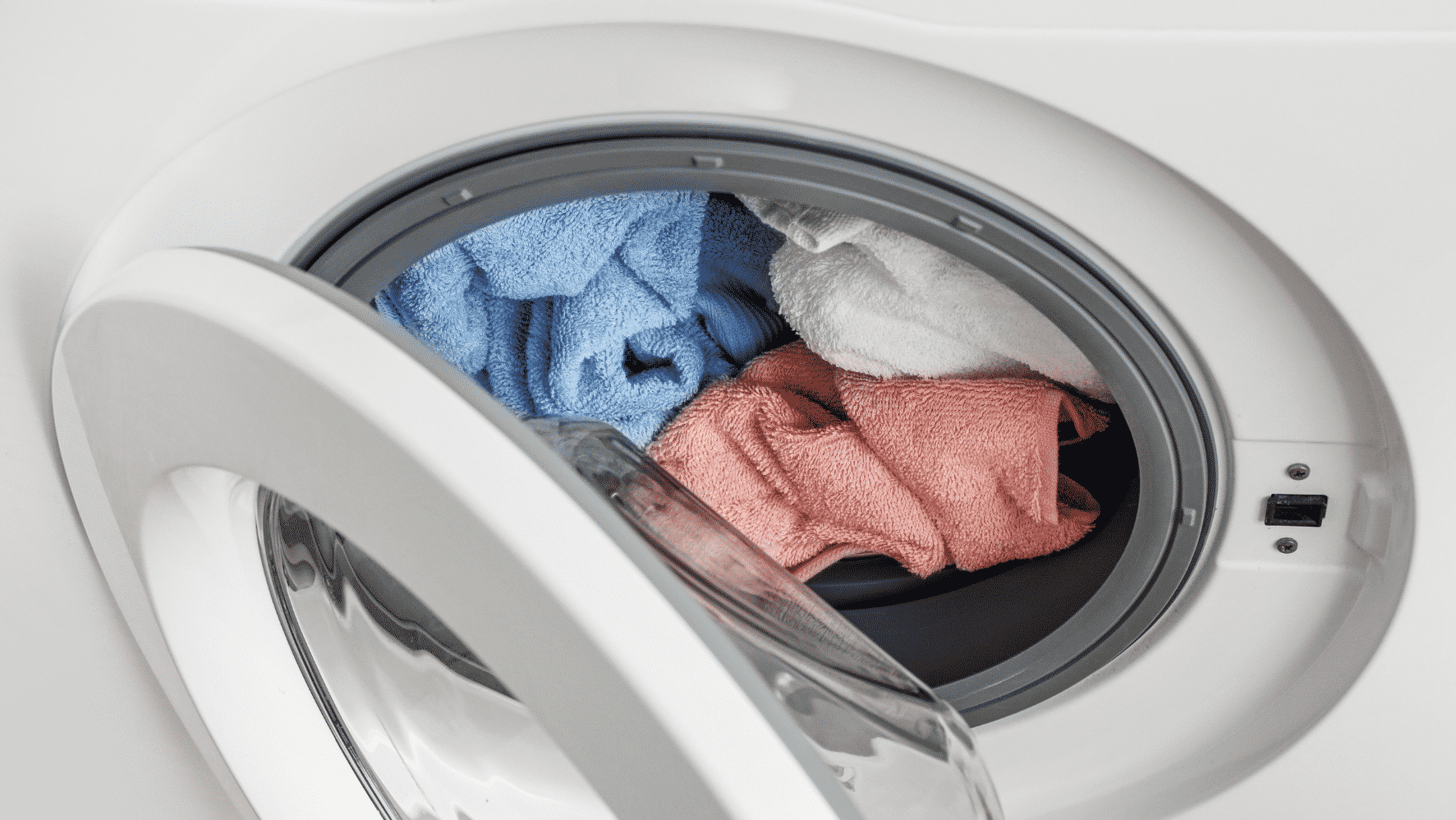
During washing, clothes are continuously exposed to water, movement inside the washing drum, and friction between garments. If a washing program is too aggressive for a delicate or highly elastic fabric, the fibers may experience more mechanical action than necessary.
If this happens repeatedly, certain areas of the garment, such as the collar, sleeves, or ribbed sections, may be more likely to lose their shape.
1.2. Using an Unsuitable Water Temperature
Temperature can have a certain effect on the structure of textile fibers. Some fabrics may change in size or elasticity when exposed to high temperatures, especially when the washing and drying processes do not follow the care instructions on the product label.
Therefore, you should not assume that hot water will always make clothes cleaner. For sensitive fabrics, choosing an appropriate temperature is more important than simply using very hot water.
1.3. Spinning at an Excessively High Speed
After washing, clothes retain a considerable amount of water and therefore become heavier than usual. When a high spin speed is used, clothes are subjected to strong rotational forces and pulling forces over a short period of time.
For fabrics with structures that are easily deformed, excessive spinning may contribute to loss of shape over time. Therefore, spin speed should be adjusted according to the fabric type rather than always selecting the highest available setting.
2. Improper Spinning and Drying Can Also Cause Clothes to Stretch
One factor that is often overlooked when considering clothes stretching after washing is what happens after the clothes are removed from the machine. At this point, clothes still contain a significant amount of water and are therefore heavier than normal.
2.1. Hanging Clothes While They Are Still Too Wet
When a very wet garment is placed on a hanger, the weight of the water creates a downward pulling force throughout the drying period. If the garment is made from a soft or shape-sensitive material, the shoulders may be pulled downward and gradually become deformed.
This is particularly noticeable with wool sweaters, knitted garments, and products made from fibers that are prone to stretching or sagging. For these types of clothing, the drying method should be selected according to the characteristics of the material.
2.2. Using an Unsuitable Hanger
A hanger that is too small, too thin, or poorly shaped for the shoulder area can create pressure points and cause garments to deform. After repeated hanging, the shoulder area may develop bumps or lose its original shape.
For garments made from soft materials, use a hanger with a size and shape that properly supports the shoulders. Some types of clothing may also be better suited to flat drying rather than hanging.
2.3. Pulling Clothes Too Hard While Drying
Clothes are often softer and more damp than usual after washing. Pulling, shaking, or twisting them forcefully to smooth them out can place additional stress on the fibers and cause certain areas to become stretched.
Instead of pulling forcefully, gently reshape the garment before drying. This helps the clothing return to its proper form while minimizing unnecessary stress on the fabric structure.
3. Types of Clothes That Are More Prone to Stretching
Not all clothes have the same risk of stretching. The characteristics of the fibers, fabric construction, and product design can determine how well a garment maintains its shape after repeated washing.
T-shirts and garments containing elastic fibers
T-shirts generally have a soft and flexible structure and are frequently worn. If they are not washed, spun, or dried properly, the collar, shoulders, and body of the garment may gradually lose their shape. Products containing elastic fibers also require appropriate care to maintain their original elasticity.
Wool sweaters and knitted garments
Knitted products often have a distinctive fiber structure and can stretch when wet. Hanging a water-heavy sweater directly on a hanger can cause the body of the garment to lengthen and lose its shape. Therefore, drying and storage methods play an important role in caring for these types of clothing.
Clothes with ribbed sections or collars
Collars, cuffs, and ribbed sections are often the areas where changes in shape are most noticeable. Pulling these areas strongly when putting clothes on, taking them off, or drying them can cause them to lose elasticity more quickly. Therefore, when washing garments with ribbed sections, excessive mechanical action should be minimized and an appropriate washing program should be selected.
4. How to Wash Clothes to Reduce Stretching
To reduce clothes stretching after washing, the first important step is to choose a washing method that is appropriate for the fabric. The same washing program should not be used for every type of clothing.
4.1. Read the Care Label Carefully
Clothing care labels generally provide information about washing temperature, drying methods, drying conditions, and care methods that should be avoided. This is an important basis for determining the appropriate washing method for each product.
If the label recommends a gentle wash or warns against high temperatures, these instructions should be followed rather than choosing an aggressive program simply because it may seem to provide better cleaning performance.
4.2. Sort Clothes Before Washing
Sorting clothes not only helps prevent color transfer but also allows you to select a more suitable washing program. Thick and thin garments, elastic clothing, and products that are prone to deformation do not necessarily need to be washed together in the same cycle.
Proper sorting helps reduce unnecessary mechanical stress on delicate garments and supports better shape retention over time.
4.3. Choose a Gentle Wash Cycle When Necessary
For delicate fabrics, knitted garments, or clothing with a high degree of elasticity, a gentle wash program should be prioritized if the washing machine provides one.
An appropriate program can help reduce friction and mechanical action on the fibers. However, a gentle cycle should not automatically be used for every garment regardless of its level of soiling. The important point is to choose the program based on the fabric type and actual condition of the laundry.
4.4. Avoid Excessive Use of High Spin Speeds
High spin speeds help remove water from clothes more quickly, but not every fabric is suitable for them. For garments that are prone to deformation, a low or medium spin speed may be preferable if permitted by the care instructions.
After washing, clothes should be removed from the machine promptly rather than being left damp inside the drum for an extended period. Then, gently reshape the garments before drying.
5. Dry Clothes Properly to Maintain Their Shape
Drying methods directly affect the shape of clothes after washing. Even a garment that has been washed correctly can become stretched or deformed if it is dried improperly.
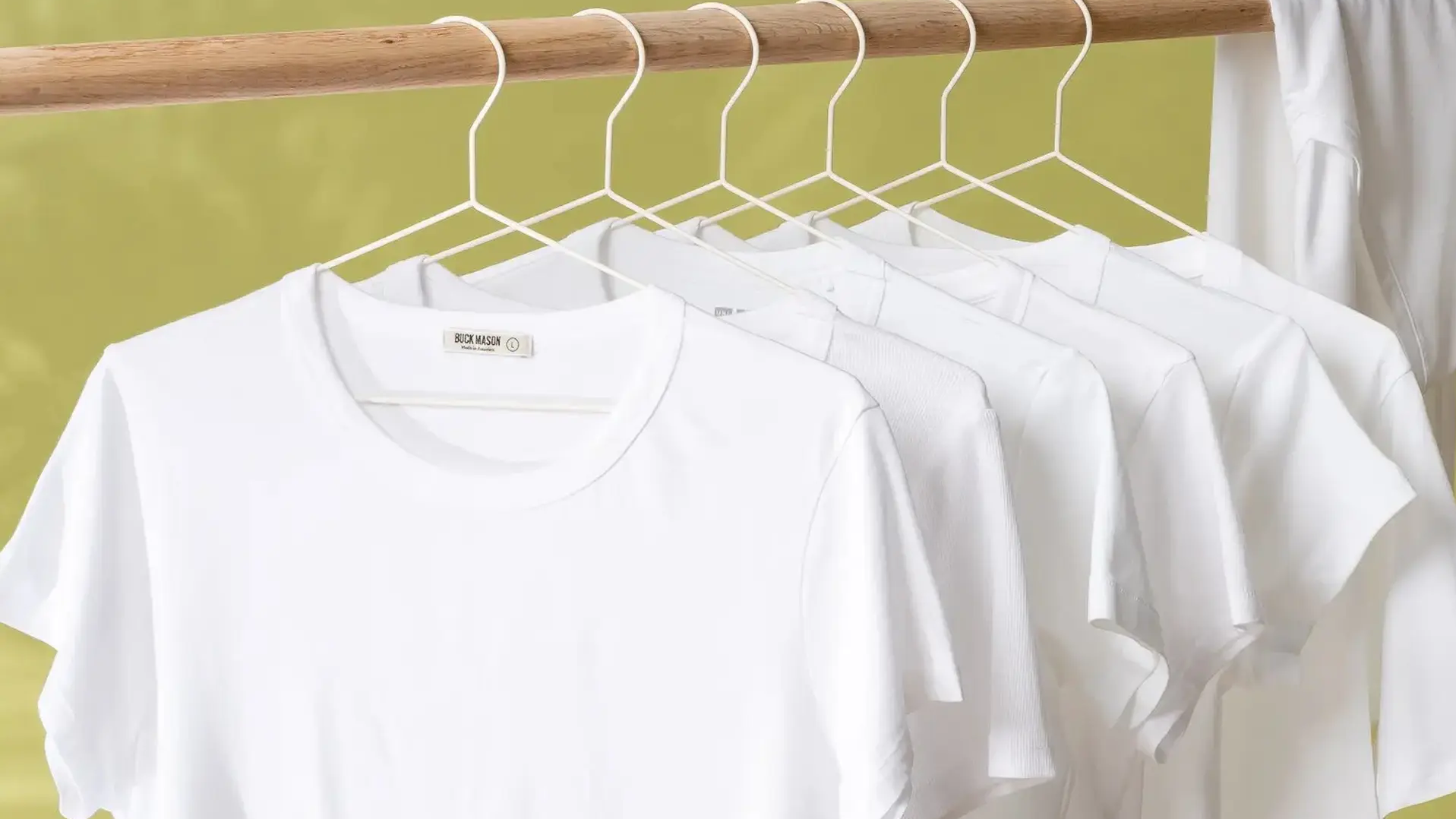
For T-shirts and regular tops, use a hanger with a size and shape that properly supports the shoulders. Do not hang clothes while they are still dripping wet or allow water-heavy garments to remain hanging for an extended period.
For wool garments and certain knitted products, flat drying may be more suitable than hanging. This method distributes the weight of the garment more evenly and reduces concentrated pulling forces around the shoulders.
In addition, avoid strongly twisting clothes to remove water by hand. If excess water needs to be removed, gently press the garment or follow the care instructions recommended for the specific fabric.
6. Can Drying at Excessively High Temperatures Cause Clothes to Lose Their Shape?
Drying is a convenient process, especially during humid weather or when large amounts of clothing need to be dried. However, high temperatures are not suitable for every type of fabric.
Some materials may change in size or elasticity when exposed to unsuitable temperatures. Therefore, before using a dryer, check the symbols on the clothing care label to determine whether the garment is suitable for tumble drying.
If tumble drying is permitted, select a temperature and program appropriate for the fabric. For products that are sensitive to heat, drying under gentler conditions can help reduce the risk of changes in shape.
7. Storage Methods Also Affect Clothing Durability
It is not only the washing process that can cause clothes to lose their shape. Long-term storage methods can also affect the shape of a garment.
Garments that are prone to stretching should not be hung for excessively long periods if the fabric is not suitable for hanging. Hangers that are too small or do not properly support the shoulder area can also create pressure at a fixed point.
For highly elastic clothing, folding and storing garments neatly may be preferable if this is the recommended method for the fabric. At the same time, avoid placing excessively heavy items on top of clothes, as prolonged weight can alter their shape.
8. Can Stretched Clothes Be Restored?
The possibility of restoring stretched clothes depends on the fabric, the extent of deformation, and the cause of the stretching. Some garments that have experienced only minor shape loss may be adjusted during the drying or ironing process if the fabric allows it.
However, if the fibers or elastic components have been significantly damaged, restoring the garment to its original shape may be difficult. In particular, you should not use high temperatures on your own simply to make clothes shrink, as this may cause further deformation.
The best approach is still to prevent stretching from occurring in the first place by washing, spinning, drying, and storing clothes properly. For valuable garments or products made from special materials, prioritize the care methods recommended by the manufacturer.
9. Mistakes to Avoid to Prevent Clothes from Stretching
Some habits may seem insignificant, but when repeated frequently, they can cause clothes to lose their shape more quickly. Users should avoid the following common mistakes:
- Washing clothes with a program that is too aggressive for the fabric.
- Using excessively high washing or drying temperatures.
- Spinning clothes at high speeds when it is not necessary.
- Hanging clothes while they still contain too much water.
- Using a hanger that is unsuitable for the shoulders.
- Pulling or twisting clothes forcefully while they are still wet.
- Overloading the washing machine in a single cycle.
- Ignoring the care instructions on the product label.
Avoiding these habits can not only help reduce clothes stretching after washing but also support the preservation of color, fabric structure, and overall garment durability over time.
10. Proper Washing Helps Clothes Maintain Their Shape Longer
Clothes stretching after washing can result from many factors, including the washing program, temperature, spin force, drying method, and storage conditions. In particular, soft fabrics, knitted garments, and products with a high degree of elasticity generally require more careful handling.
Rather than focusing solely on cleaning performance, users should consider the entire process, from sorting and washing to spinning, drying, and storage. Choosing the appropriate method for each fabric can help minimize unnecessary stress on the fibers and maintain the shape of clothes for longer.
For professional laundry services, controlling these factors becomes even more important when textiles undergo multiple processing cycles. A properly designed process should not only focus on cleanliness but also take into account fabric durability, garment shape, and long-term usability.
>>>> Read more: Why is baking soda considered a powerful helper in laundry care?
Green Laundry – the leading company in providing quality and professional laundry solutions in Vietnam
Email: greenlaundry@giatuixanh.com
Phone: 028 36 222 180
Fanpage: Giặt Ủi Xanh – Chuyên Giặt Ủi Công Nghiệp
Address: Lot A57/II-Lot 58/II, Road No. 2D, Vinh Loc Industrial Park, Binh Tan Ward, Ho Chi Minh City.