
In recent years, customers have become increasingly concerned about service quality, laundry is no longer just about cleaning clothes; it has evolved into a professional service that requires consistency, safety, and environmental responsibility. This is where ISO standards play an important role. Businesses that apply ISO standards demonstrate their commitment to delivering high-quality services, protecting the environment, and ensuring workplace safety. In the laundry industry, adopting ISO standards helps create a structured and reliable system that minimizes risks and enhances customer satisfaction. In this article, you will gain a comprehensive understanding of ISO standards in laundry services, with a focus on three key standards: ISO 9001, ISO 14001, and ISO 45001.
1. What Are ISO Standards?
ISO stands for the International Organization for Standardization, an independent global body that develops standards to ensure quality, safety, efficiency, and interoperability across industries.
ISO standards are not legally mandatory in most cases. However, achieving ISO certification indicates that a business has implemented internationally recognized management systems. This can significantly improve credibility and trust among customers and partners.
In the laundry industry, ISO standards help businesses:
- Standardize washing, drying, and ironing processes
- Maintain consistent service quality
- Ensure employee safety
- Reduce environmental impact
By following ISO frameworks, laundry service providers can operate more efficiently while meeting customer expectations.
2. The Role of ISO Standards in Laundry Services
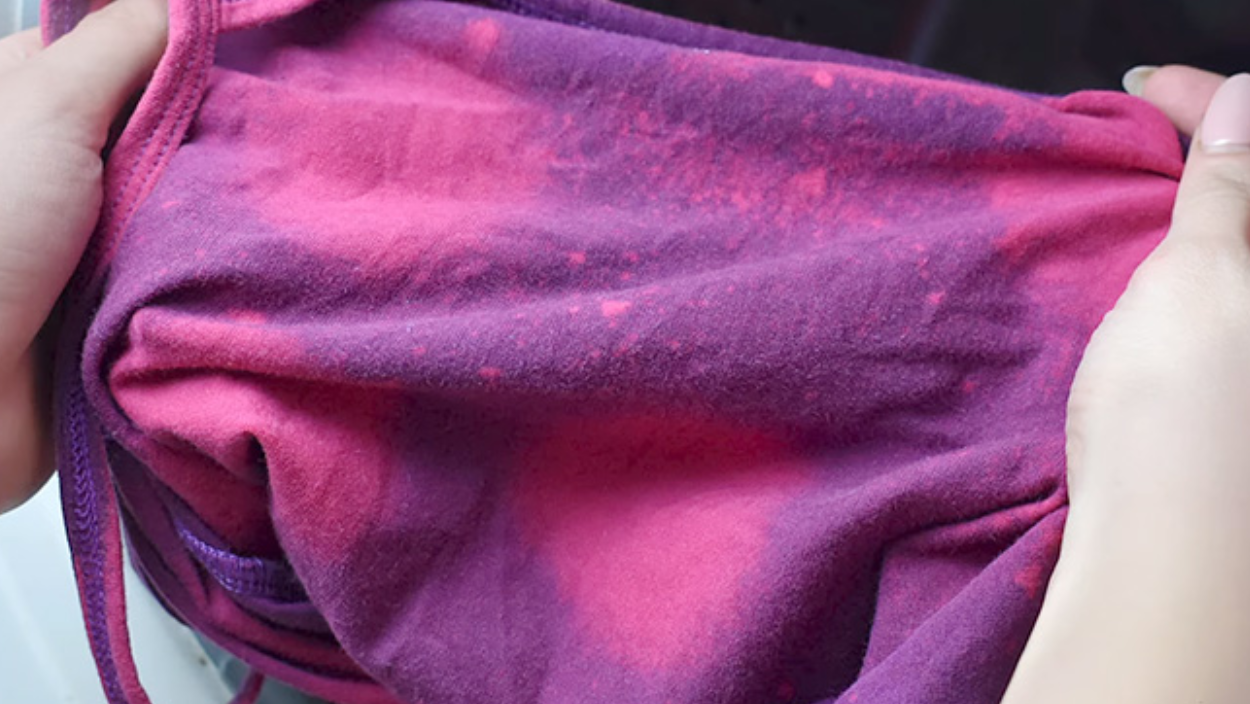
Although laundry services may seem straightforward, they involve multiple steps, including sorting garments, treating stains, washing, drying, ironing, and packaging. Without a structured system, errors can easily occur, such as:
- Washing garments with incorrect settings
- Damaging delicate fabrics
- Mixing up customer orders
- Using unsafe or excessive chemicals
Implementing ISO standards helps eliminate these risks by introducing clear procedures and quality control mechanisms.
Key benefits include:
- Improved operational efficiency
- Reduced errors and rework
- Higher customer satisfaction
- Stronger brand reputation
ISO standards provide a solid foundation for laundry businesses aiming for long-term growth and professionalism.
3. Important ISO Certifications In The Laundry Industry Today
3.1. ISO 9001 – Quality Management in Laundry Services
ISO 9001 is a standard for Quality Management Systems (QMS), focusing on ensuring that products and services consistently meet customer requirements, issued by ISO (International Organization for Standardization).
Adopting ISO 9001 offers several advantages:
- Reduced service errors and customer complaints
- Improved consistency in cleaning results
- Easier staff training and onboarding
- Enhanced customer trust and loyalty
ISO 9001 serves as the backbone of quality assurance in laundry services, helping businesses deliver reliable and professional results.
3.2. ISO 14001 – Environmental Management in Laundry Services
ISO 14001 is an international standard issued by the International Organization for Standardization (ISO) for Environmental Management Systems (EMS). ISO 14001 relates to environmental management systems, helping businesses control and minimize negative impacts on the environment.
The laundry industry is one of the sectors that consumes a significant amount of resources such as water, electricity, and cleaning chemicals during operation. Without proper control and management, these factors can lead to serious consequences.
Firstly, there is the risk of water pollution when wastewater containing chemicals is not properly treated before being discharged into the environment. Furthermore, inefficient resource use leads to wasted water and electricity, increasing operating costs and putting pressure on natural resources.
Moreover, frequent exposure to chemicals or an unsafe working environment can negatively impact human health, both for employees in the industry and for service users.
When applying ISO 14001, businesses focus on sustainable practices such as:
- Using eco-friendly detergents and chemicals
- Optimizing water and energy usage
- Treating wastewater before discharge
- Reducing waste and improving recycling practices
Benefits of ISO 14001
- Lower environmental footprint
- Compliance with environmental regulations
- Enhanced brand image as an eco-conscious business
- Attraction of environmentally aware customers
ISO 14001 is not just about compliance; it represents a commitment to sustainability and responsible business practices.
3.3. ISO 45001 – Occupational Health and Safety in Laundry Services
ISO 45001 is an international standard that specifies the requirements for an Occupational Health and Safety (OH&S) management system, along with guidance on its use, enabling organizations to proactively improve OH&S performance in preventing injuries and health damage.

Businesses implementing ISO 45001 typically:
- Provide protective equipment for employees
- Conduct safety training programs
- Regularly inspect and maintain machinery
- Establish emergency response procedures
Benefits of ISO 45001
- Reduced workplace accidents
- Increased employee productivity
- Safer and healthier working environment
- Improved employee retention
ISO 45001 ensures that employees are protected, which in turn supports sustainable business operations.
4. Comparison of ISO 9001, ISO 14001, and ISO 45001
| Standard | Main Objective | Application |
|---|---|---|
| ISO 9001 | Quality Management | Process control and service consistency |
| ISO 14001 | Environmental Management | Resource efficiency and pollution reduction |
| ISO 45001 | Occupational Safety | Worker protection and risk prevention |
Together, these three standards create a comprehensive management system that covers quality, environment, and safety.
5. Should Laundry Businesses Adopt ISO Standards?
The answer is yes, especially true for large-scale laundry chains, high-end laundry services requiring stringent quality standards, as well as businesses specializing in serving hotels and hospitals – sectors demanding stability, safety, and professionalism in every process.
Applying ISO standards not only helps businesses operate more systematically and control quality better, but also brings many practical benefits. First, it provides a clear competitive advantage in the market, helping businesses stand out from competitors without certification. At the same time, achieving ISO certification makes it easier for businesses to build trust and expand cooperation opportunities with large partners, especially those with high demands for processes and service quality.
More importantly, ISO contributes to affirming brand reputation, helping businesses build a professional and trustworthy image in the eyes of customers.
6. Benefits for Customers
When customers choose a laundry service that follows ISO standards, they can expect:
- Consistent and reliable cleaning quality
- Reduced risk of garment damage
- Safe and hygienic handling processes
- Professional and timely service
This creates a better overall customer experience and increases trust in the service provider.
Applying ISO standards in laundry services is essential for businesses that aim to deliver high-quality, safe, and sustainable services. ISO 9001, ISO 14001, and ISO 45001 together form a powerful framework that supports operational excellence, environmental responsibility, and employee safety.
In an increasingly competitive market, adopting ISO standards is not just an advantage—it is a necessity for long-term success. Businesses that invest in these standards are better positioned to build trust, enhance their reputation, and achieve sustainable growth.
>>>>>>> Read more: Green laundry builds a sustainable laundry facility with high-quality laundry service
Green Laundry – the leading company in providing quality and professional laundry solutions in Vietnam
Email: greenlaundry@giatuixanh.com
Phone: 028 36 222 180
Fanpage: Giặt Ủi Xanh – Chuyên Giặt Ủi Công Nghiệp
Address: Lot A57/II-Lot 58/II, Road No. 2D, Vinh Loc Industrial Park, Binh Tan Ward, Ho Chi Minh City.