Proper clothes drying temperature plays a critical role in maintaining the durability, shape, and overall quality of garments and textiles after every wash. While dryers offer convenience and save time, selecting the wrong temperature can lead to shrinking, fading, fabric weakening, or loss of shape. Many people prioritize speed by choosing high heat settings without realizing that each fabric type has different heat tolerance levels. Understanding how to choose the proper drying temperature not only ensures effective drying but also helps protect clothing, linens, uniforms, and industrial textiles over the long term. Whether for household laundry or large-scale fabric care, temperature control is one of the most important factors in preserving textile quality.
1. Why Proper Clothes Drying Temperature Matters
Proper clothes drying temperature is not simply about drying clothes faster—it directly affects the structure of fabric fibers. Every material responds differently to heat, and exceeding the recommended temperature can cause permanent damage.
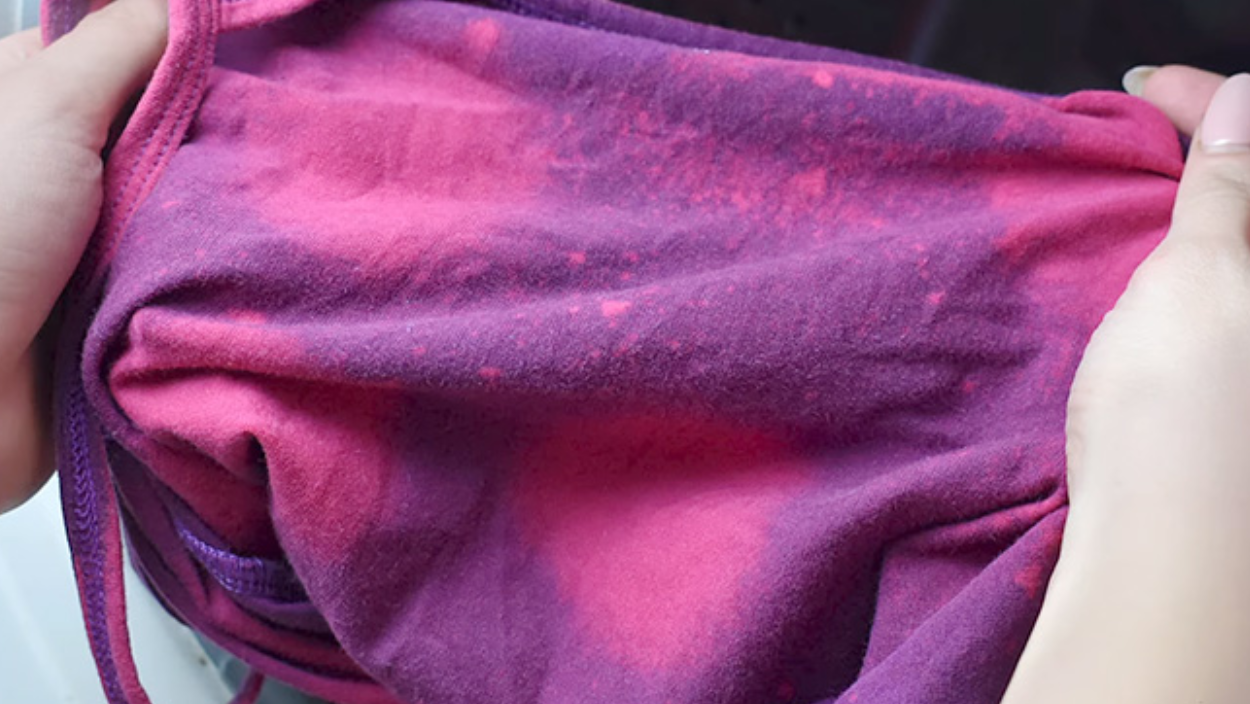
Using incorrect heat settings often results in:
- Shrinking garments
- Loss of elasticity
- Faded colors
- Fabric stiffness
- Reduced lifespan
For high-value textiles such as uniforms, bedding, towels, or commercial fabrics, repeated drying mistakes can significantly increase replacement costs.
That is why understanding temperature control is essential for balancing efficiency with long-term fabric care.
2. Why High Heat Can Damage Fabrics
High temperatures can weaken or alter fabric fibers, especially for delicate or natural materials. Prolonged exposure to excessive heat can break down the structural integrity of textiles, causing visible and invisible damage.
Common effects of excessive heat include:
- Clothes shrinking after drying
- Faster color fading
- Rough or stiff texture
- Weakened fibers that tear more easily
This issue is especially important for industries such as hospitality, healthcare, and spa services, where textile presentation and durability are crucial.
3. Proper Drying Temperature for Different Fabric Types
3.1. Cotton
Cotton is one of the most commonly used fabrics for clothing, towels, and bedding. However, it is also highly prone to shrinking under excessive heat. A medium heat setting is generally the best choice to ensure effective drying while minimizing shrinkage.
3.2. Polyester
Polyester is a synthetic material with better heat resistance than cotton, but it can still become damaged if exposed to very high temperatures. Low to medium heat is typically the safest option to maintain durability and prevent fiber hardening.
3.3. Silk and Satin
Silk and satin are delicate, luxury fabrics that are highly sensitive to heat. Low heat or air-dry settings are strongly recommended to preserve softness, texture, and appearance.
3.4. Wool
Wool is one of the most heat-sensitive fabrics and can shrink dramatically under high temperatures. Specialized low-heat dryer settings or air drying are usually the safest options.
3.5. Denim
Denim is thicker and often requires longer drying time, but high heat can cause fading and reduce fabric lifespan. Medium heat is generally the best balance between efficiency and protection.
4. How to Read Care Labels to Avoid Temperature Mistakes
One of the easiest ways to determine the proper clothes drying temperature is by checking the garment care label. These labels provide manufacturer recommendations based on fabric composition.
Care labels are especially important for:
- Uniforms
- Sportswear
- Premium bedding
- Industrial textiles
Ignoring these instructions can quickly lead to unnecessary damage, even after just one drying cycle.
5. Proper Clothes Drying Temperature for Industrial Textiles
In industries such as hotels, hospitals, and spas, fabrics are processed in large volumes. This makes temperature control even more important, as mistakes can affect large quantities of inventory.
For industrial textile care, drying temperatures must balance:
- Complete moisture removal
- Fabric durability
- Visual quality
- Cost efficiency
Professional textile operations often separate fabrics by material before drying to optimize both performance and lifespan.
6. Common Dryer Mistakes That Damage Fabrics
Many fabric problems are caused not by the dryer itself but by improper usage habits.
Common mistakes include:
- Using high heat for all fabrics
- Overdrying clothes
- Failing to sort fabrics by material
- Overloading the dryer
These habits can dramatically shorten the life of garments and textiles.
7. Tips for Drying Clothes Properly to Protect Fabrics
To maintain the proper clothes drying temperature, it is important to build smarter drying habits.
First, always sort clothes by fabric type before drying. Different materials require different heat levels.
Second, when uncertain, choose lower heat settings. Although drying may take longer, lower temperatures are generally safer for most fabrics.
Finally, for delicate garments, removing them while slightly damp and allowing them to air dry can reduce heat exposure and prolong fabric life.
8. When Should You Prioritize Low Heat Drying?
Low heat drying is often the safest option when caring for:
- Baby clothes
- Premium fabrics
- Shrink-prone garments
- Shape-sensitive textiles
Although low heat may require more time, it offers better long-term fabric protection.
Proper clothes drying temperature is one of the most important factors in preventing fabric damage such as shrinking, fading, stiffness, or shape loss. By understanding different fabric types, reading care labels, and selecting appropriate heat settings, you can significantly extend the lifespan of your clothing and textiles.
Whether for household laundry or industrial fabric care, proper drying practices are essential for maintaining quality, reducing replacement costs, and protecting your investment.
By applying these guidelines, you can dry clothes more effectively while preserving their appearance, comfort, and durability over time.
>>>>>>> Read more: Green laundry builds a sustainable laundry facility with high-quality laundry service
Green Laundry – the leading company in providing quality and professional laundry solutions in Vietnam
Email: greenlaundry@giatuixanh.com
Phone: 028 36 222 180
Fanpage: Giặt Ủi Xanh – Chuyên Giặt Ủi Công Nghiệp
Address: Lot A57/II-Lot 58/II, Road No. 2D, Vinh Loc Industrial Park, Binh Tan Ward, Ho Chi Minh City.