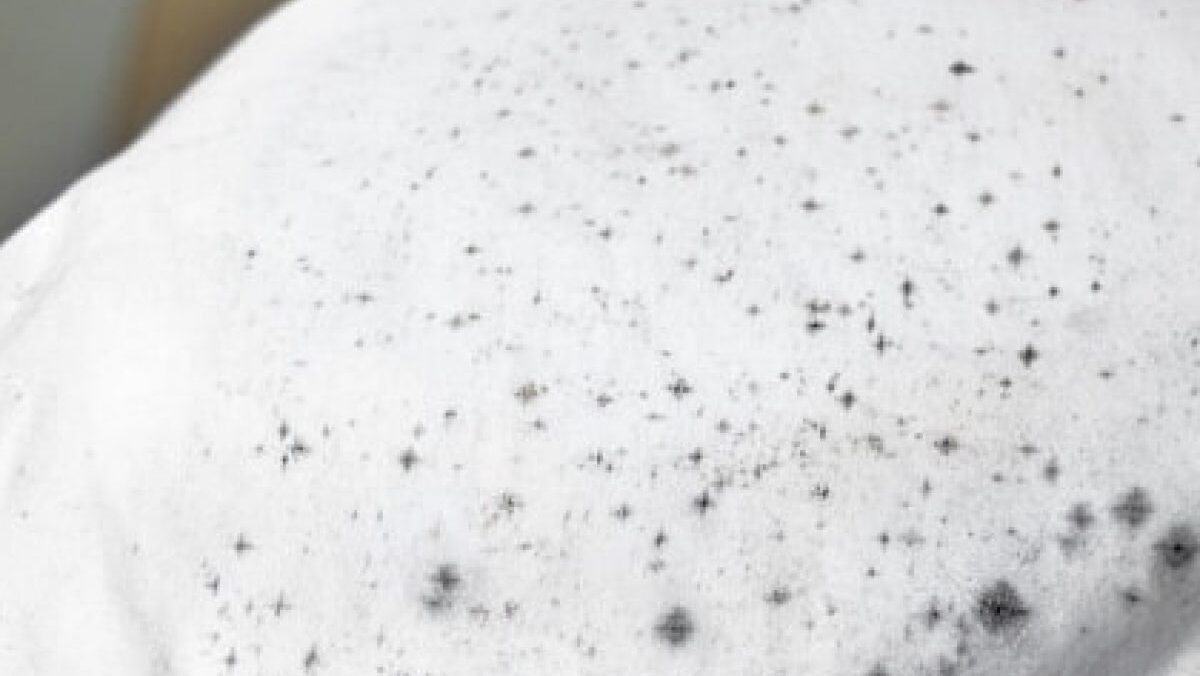
How to remove mold from clothes is a common concern for many households, especially during the rainy season, periods of high humidity, or when clothes are not stored properly. Mold stains not only affect the appearance of clothing but can also create unpleasant odors, reduce wearing comfort, and even impact health if exposure continues over a long period. Mold usually develops when clothes remain damp, are stored in poorly ventilated areas, or are not completely dried before being put away. However, if detected early and treated correctly, you can effectively remove mold from clothes and prevent it from returning.
1. Why Do Clothes Get Moldy?
Before learning how to remove mold from clothes, it is important to understand the main causes of mold growth.
Mold thrives in environments that are:
- Damp
- Dark
- Poorly ventilated
- Filled with clothes that are not completely dry
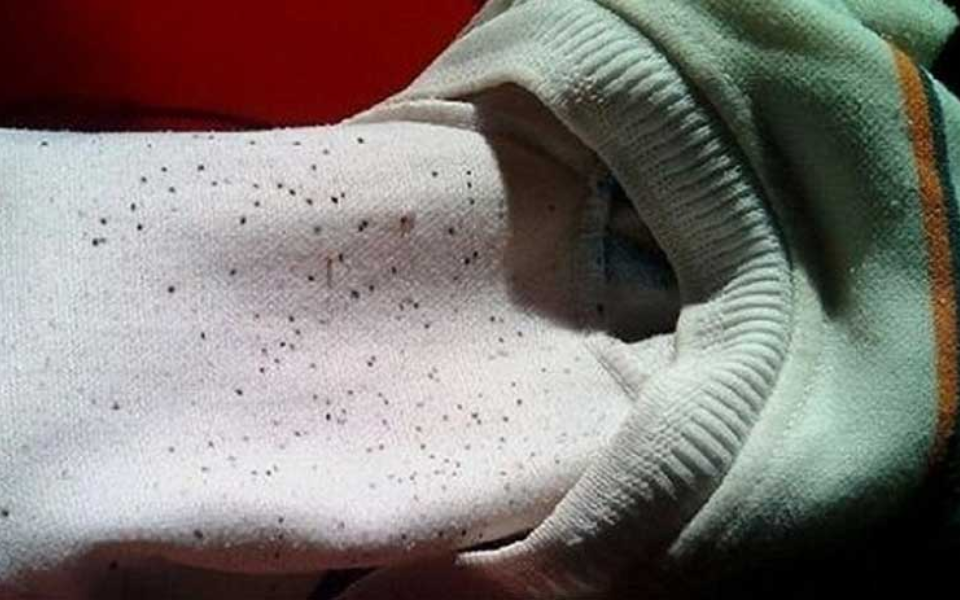
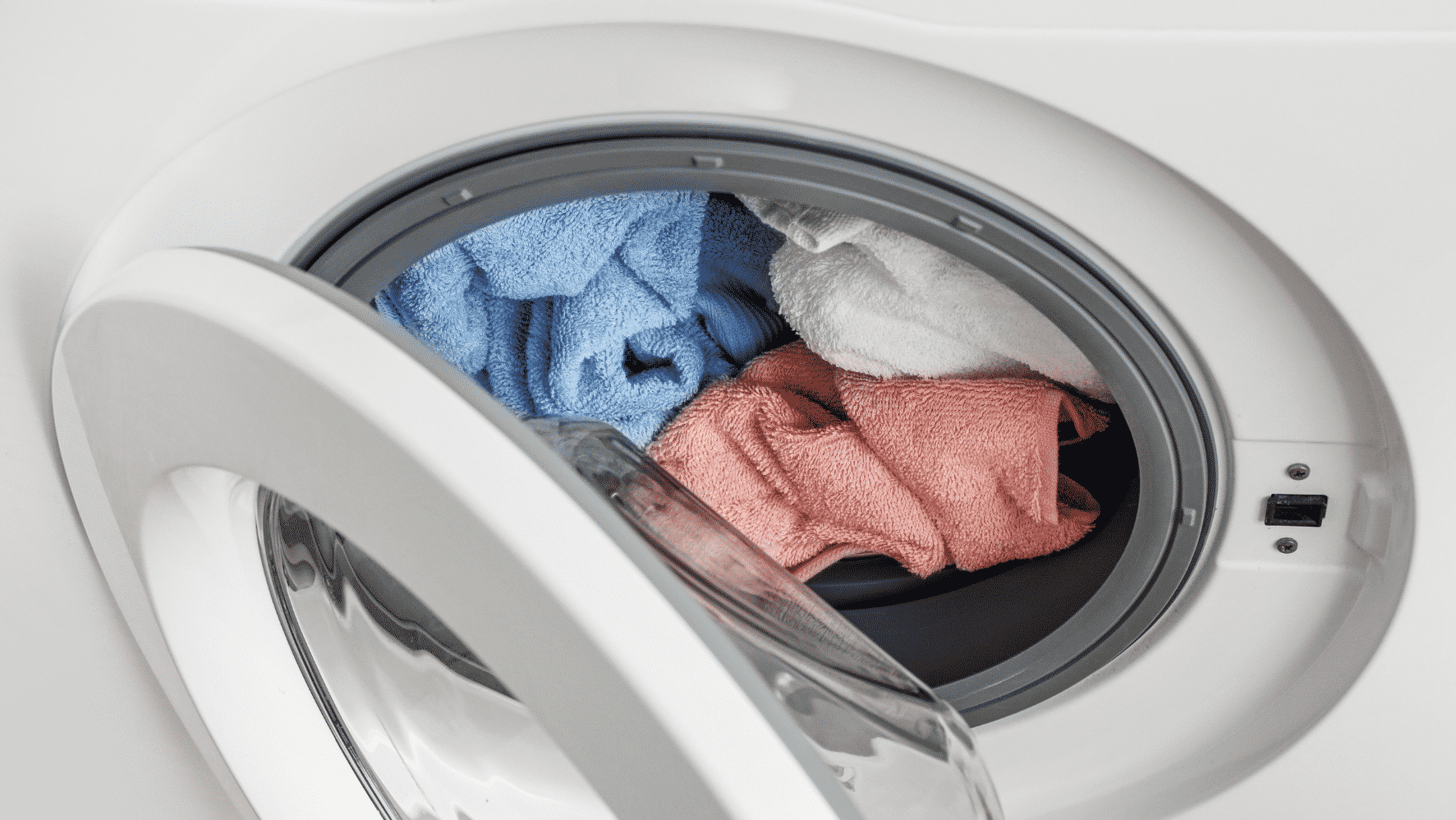
High Humidity: When clothes remain wet or damp for extended periods without being properly dried, they create the perfect environment for mold growth. Clothing left inside the washing machine or piled up after washing can easily develop unpleasant odors and mold spots.
Poorly Ventilated Storage Areas: Clothes stored in closed wardrobes, humid spaces, or areas with poor air circulation are more likely to develop mold. Trapped moisture creates ideal conditions for bacteria and mold to multiply.
Clothes Not Thoroughly Cleaned: Stains, sweat, body oils, and dirt left on clothing can become food sources for mold. If these contaminants are not completely removed, clothes may deteriorate faster and develop unpleasant odors.
Washing Machines That Are Not Cleaned Regularly: A dirty washing machine containing detergent residue, bacteria, or mold inside the drum can transfer mold back onto clothing after every wash. Regular washing machine maintenance is therefore essential for keeping clothes clean and safe.
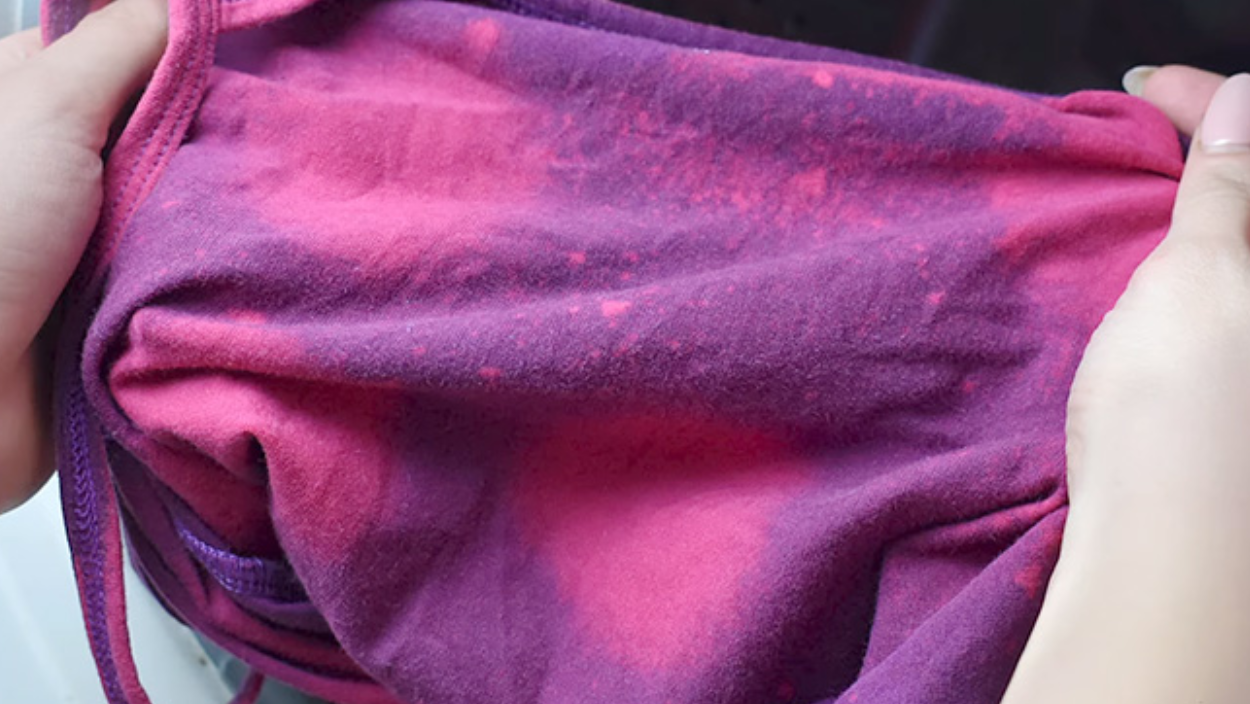
As mold spores grow on fabric fibers, they can create black, yellow, or green spots accompanied by a musty odor.
2. Can Moldy Clothes Affect Your Health?
Moldy clothes do more than simply reduce the clean and neat appearance of your garments. In reality, mold can cause several serious issues if not addressed promptly.
Unpleasant Odors: Mold often produces a distinctive musty smell, making clothes uncomfortable to wear even after washing.
Weakening Fabric Fibers: When mold grows for a long time, it can penetrate deep into the fabric structure, weakening fibers, reducing durability, and causing clothes to wear out faster.
Difficult-to-Remove Stains: Long-standing mold stains often leave discoloration, yellowing, or black spots that are difficult to eliminate completely, especially on light-colored fabrics.
Skin Irritation: For people with sensitive skin, moldy clothing may increase the risk of itching, irritation, and discomfort during direct contact.
If left untreated, mold can continue spreading deeper into the fabric, making the cleaning process much more difficult and potentially preventing the garment from being fully restored.
3. Effective Ways to Remove Mold from Clothes
3.1. Using White Vinegar
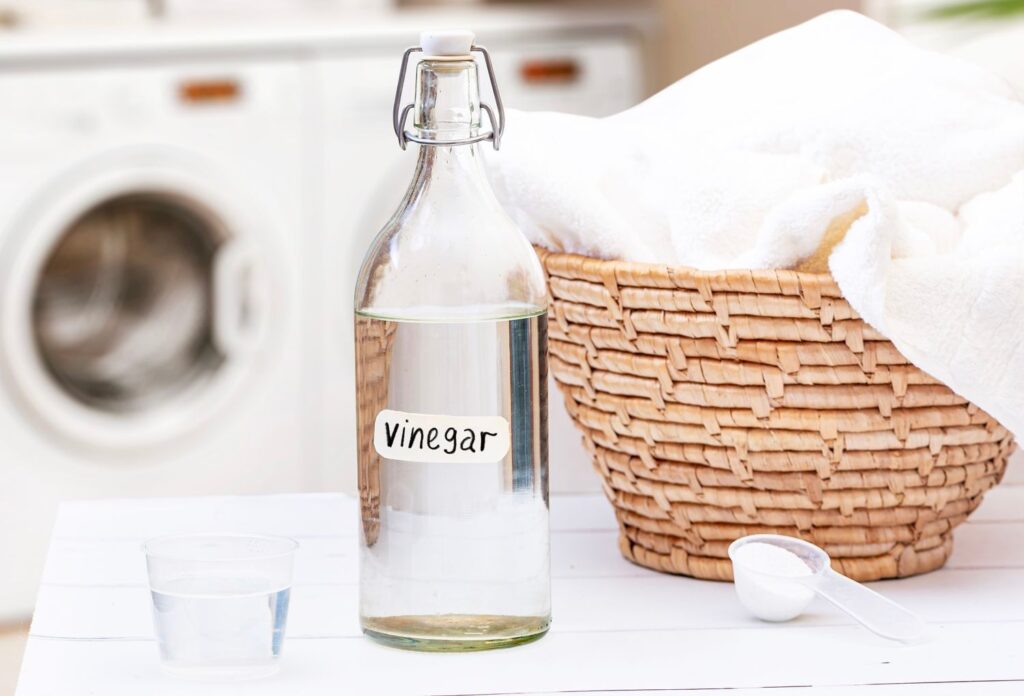
White vinegar is a common natural ingredient with mild acidity that can effectively help remove mold from clothes. This method is simple, easy to perform at home, and suitable for many common fabric types.
To use this method, mix white vinegar and clean water at a 1:1 ratio. Because vinegar has relatively mild acidity, soak the clothing in the solution for about one hour to allow the mold stains to soften and become easier to remove.
After soaking, rinse thoroughly with clean water and wash the garment again as usual to eliminate any remaining vinegar smell and musty odor.
This method not only helps remove stubborn mold stains but can also leave fabrics feeling softer after washing.
3.2. Using Aspirin
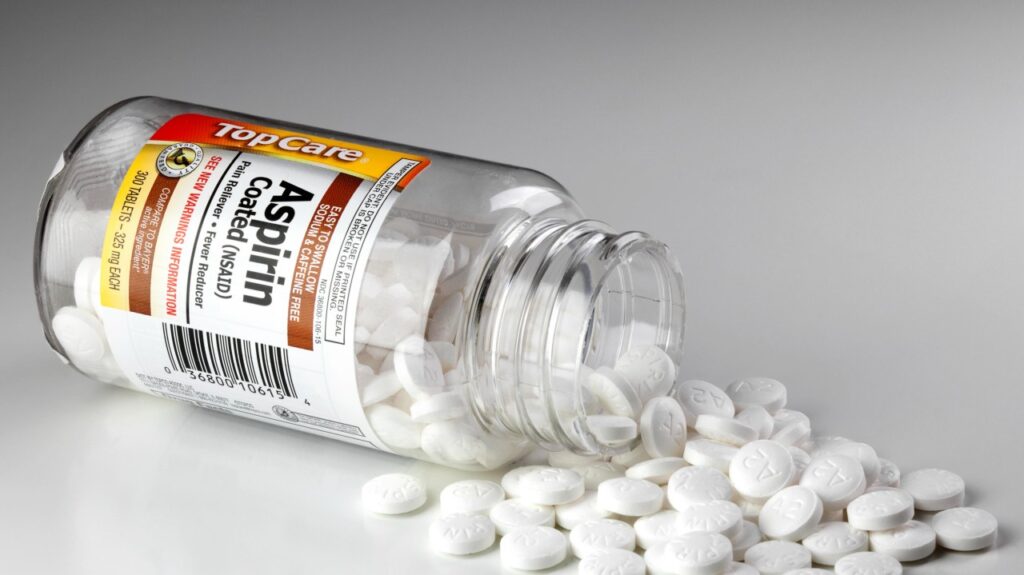
In addition to common methods, Aspirin is a useful trick for treating black mold stains on colored clothing that many people may not know about. Because it contains salicylic acid, Aspirin can help break down stubborn mold stains on fabric surfaces.
The process is simple. Crush several Aspirin tablets into a fine powder and mix them with a small amount of water to create a paste. Apply the mixture directly to the moldy area and leave it for approximately one hour to allow the active ingredients to work.
Afterward, wash the clothing thoroughly with clean water as usual.
3.3. Using Bleach
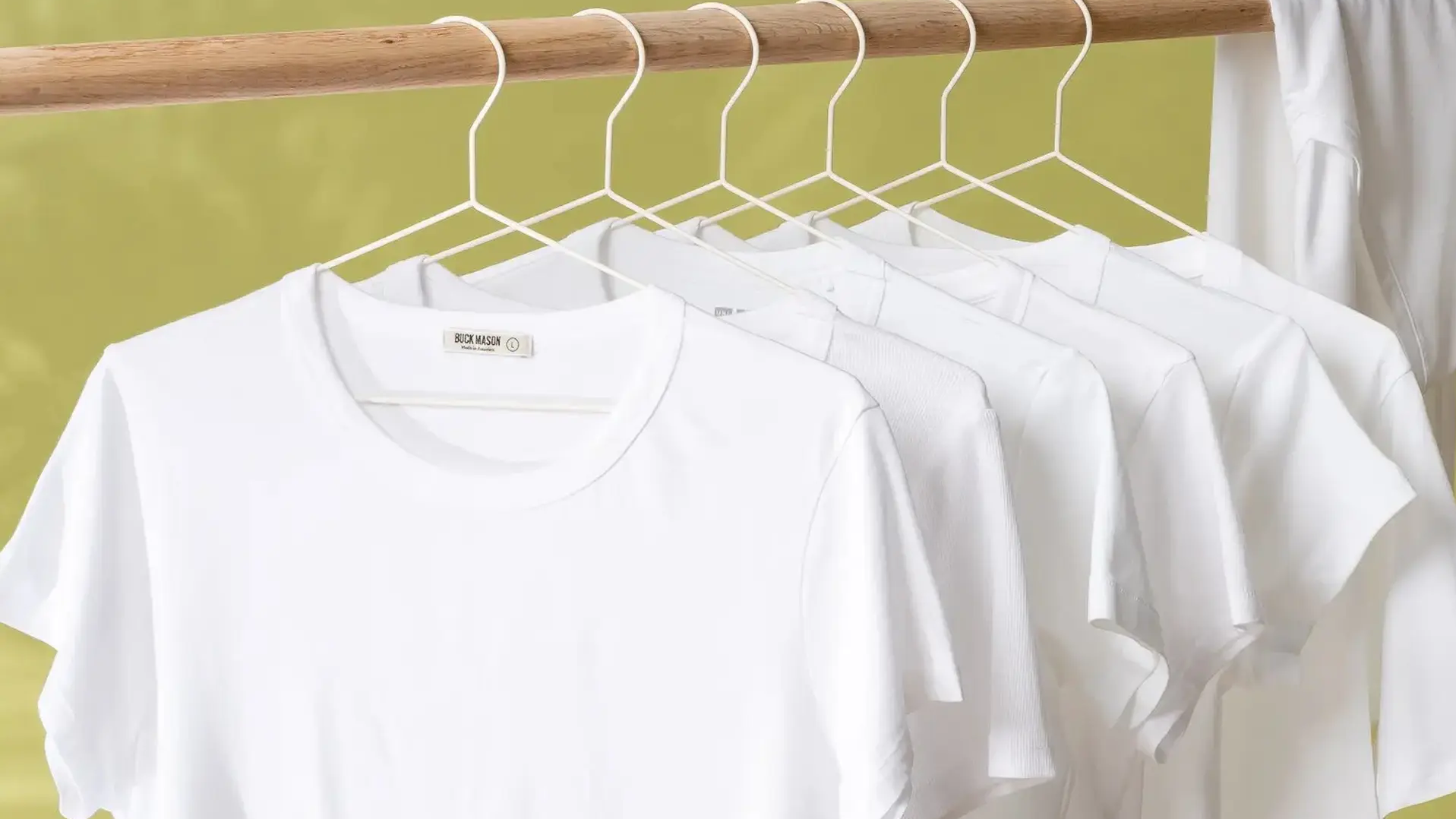
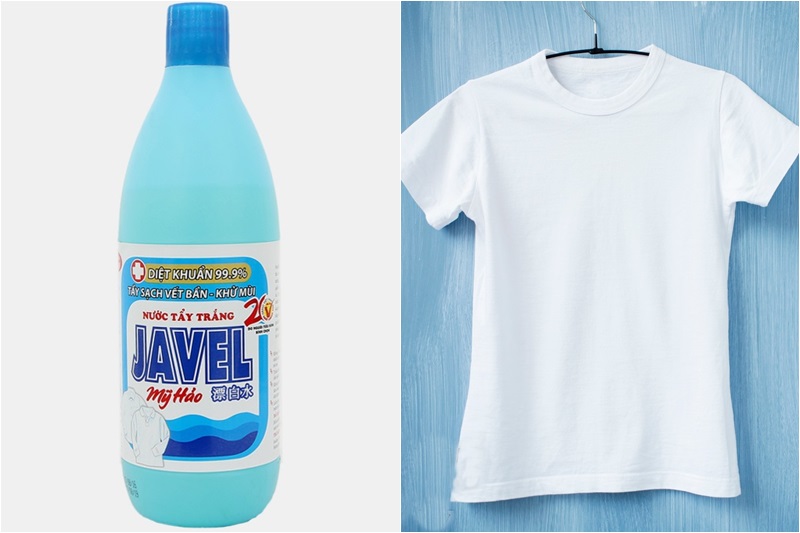
Bleach (Sodium Hypochlorite) is a powerful cleaning agent commonly used to remove stubborn mold stains from white clothing. Due to its strong bleaching properties, it is considered one of the most effective methods for eliminating black mold and long-standing stains on light-colored fabrics.
Mix one part bleach with four parts water and soak the moldy garment in the solution for approximately 30 minutes. During this time, the bleach will help fade and remove mold stains from the fabric fibers.
After soaking, wash the clothing thoroughly with clean water and detergent to completely remove any chemical residue and odor.
However, because bleach can cause discoloration, this method should only be used on white clothing. Using bleach on colored garments or delicate fabrics may result in fading, color damage, or fabric deterioration.
3.4. Using Potassium Permanganate
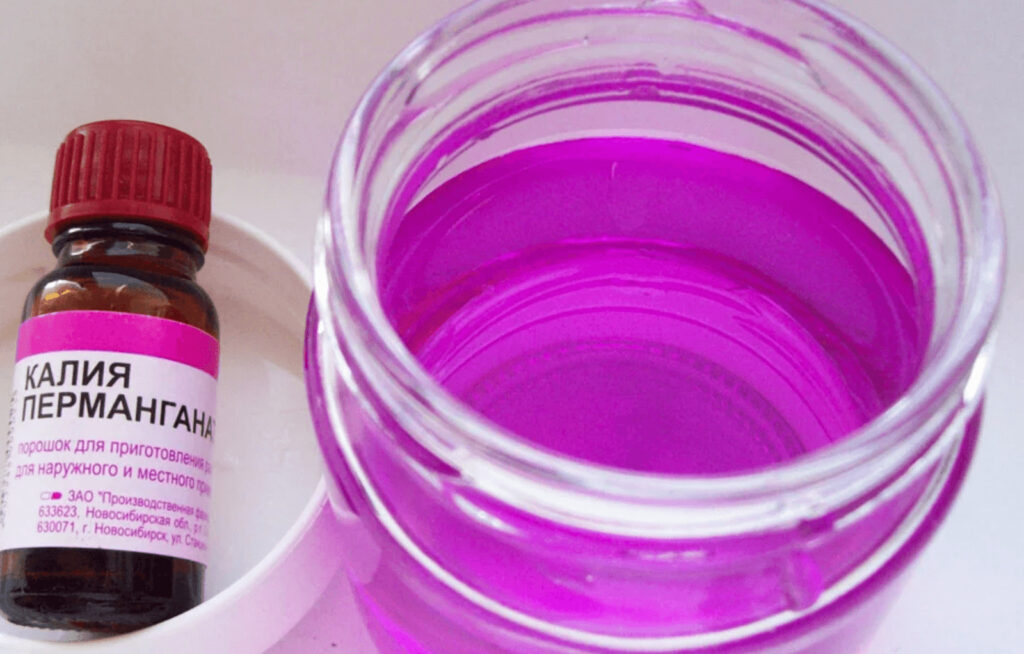
Potassium permanganate (KMnO4) is a compound known for its strong antibacterial properties and is sometimes used to help remove mold from clothing. Its oxidizing ability can help clean mold stains from fabric surfaces when used properly.
To apply this method, mix one part potassium permanganate with five parts clean water and soak the clothing for approximately 30 minutes. This allows the solution enough time to act on mold-affected areas.
After soaking, wash the garment thoroughly with clean water and detergent to remove any remaining chemical residue.
Because potassium permanganate may stain or alter fabric color if used incorrectly, it is recommended to test it on a small hidden area first. Extra caution should be taken when using this method on colored garments or delicate fabrics.
4. How to Prevent Mold on Clothes Effectively
Besides learning how to remove mold from clothes, prevention is always the better solution.
- Ensure clothes are completely dry before storing them.
- Keep wardrobes and storage spaces well ventilated, as enclosed areas encourage mold growth.
- Do not leave clothes in the washing machine for extended periods after washing.
- Use moisture absorbers or humidity-control products when necessary.
5. Common Mistakes That Make Clothes More Likely to Develop Mold
Some seemingly minor habits can significantly increase the risk of mold growth:
- Storing clothes while they are still slightly damp
- Overcrowding wardrobes
- Neglecting washing machine maintenance
- Drying clothes in areas with poor airflow
Avoiding these mistakes is one of the best ways to protect your clothing.
6. When Should You Use Professional Laundry Services?
For clothing with severe mold damage, strong odors, or delicate materials, professional laundry services may be a more suitable solution.
This is particularly important for:
- Suits
- Premium uniforms
- Large quantities of bedding
- High-value textile items
How to remove mold from clothes is not only about cleaning visible mold stains. It also involves eliminating the causes of moisture and developing better storage habits.
By washing clothes properly, ensuring they are completely dry, storing them correctly, and controlling humidity, you can keep your garments clean, fresh, and protected from future mold growth.
Proper clothing care not only helps reduce replacement costs but also improves comfort, extends garment lifespan, and protects the long-term health of your family.
>>>> Read more: Why is baking soda considered a powerful helper in laundry care?
Green Laundry – the leading company in providing quality and professional laundry solutions in Vietnam
Email: greenlaundry@giatuixanh.com
Phone: 028 36 222 180
Fanpage: Giặt Ủi Xanh – Chuyên Giặt Ủi Công Nghiệp
Address: Lot A57/II-Lot 58/II, Road No. 2D, Vinh Loc Industrial Park, Binh Tan Ward, Ho Chi Minh City.