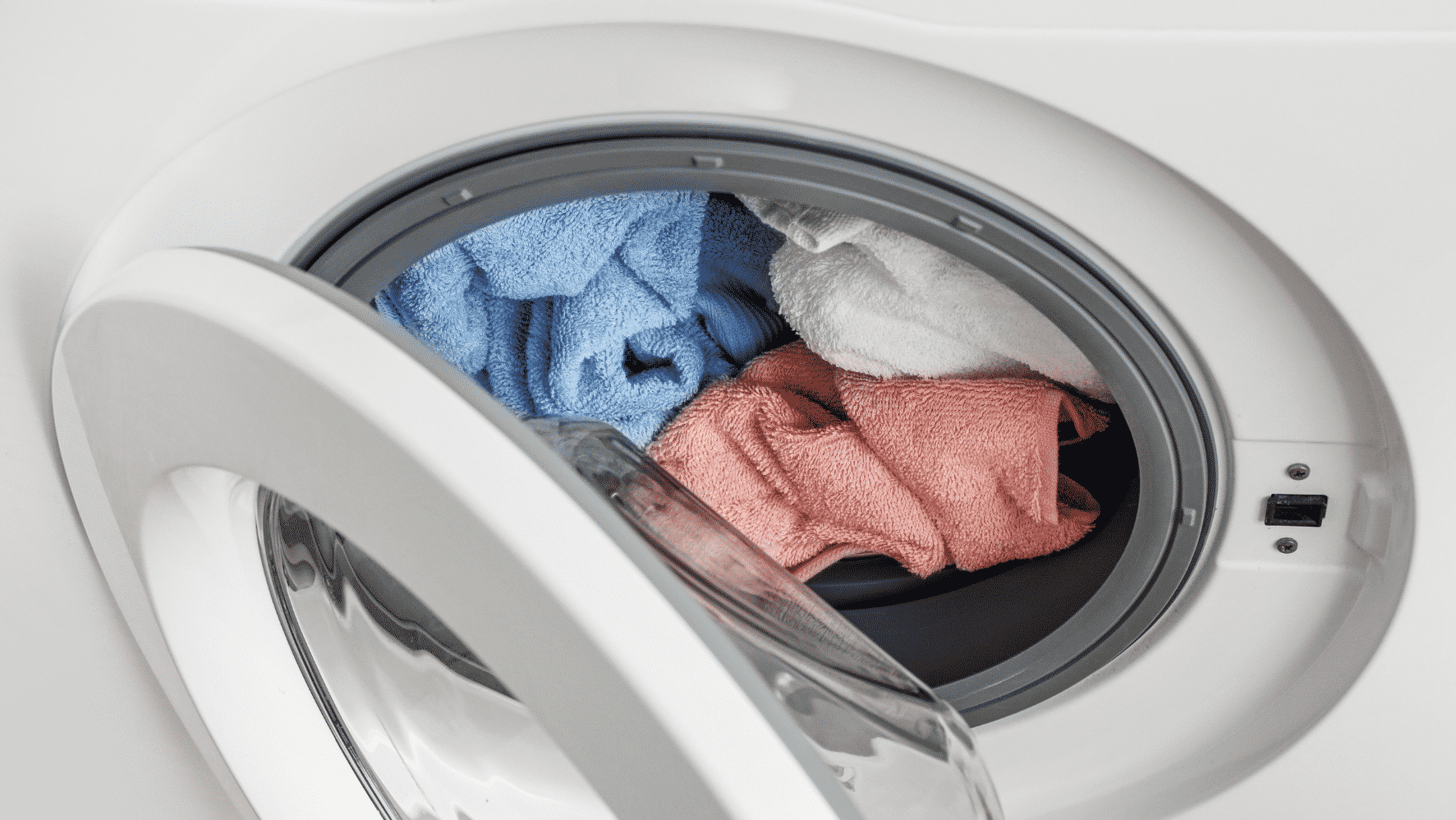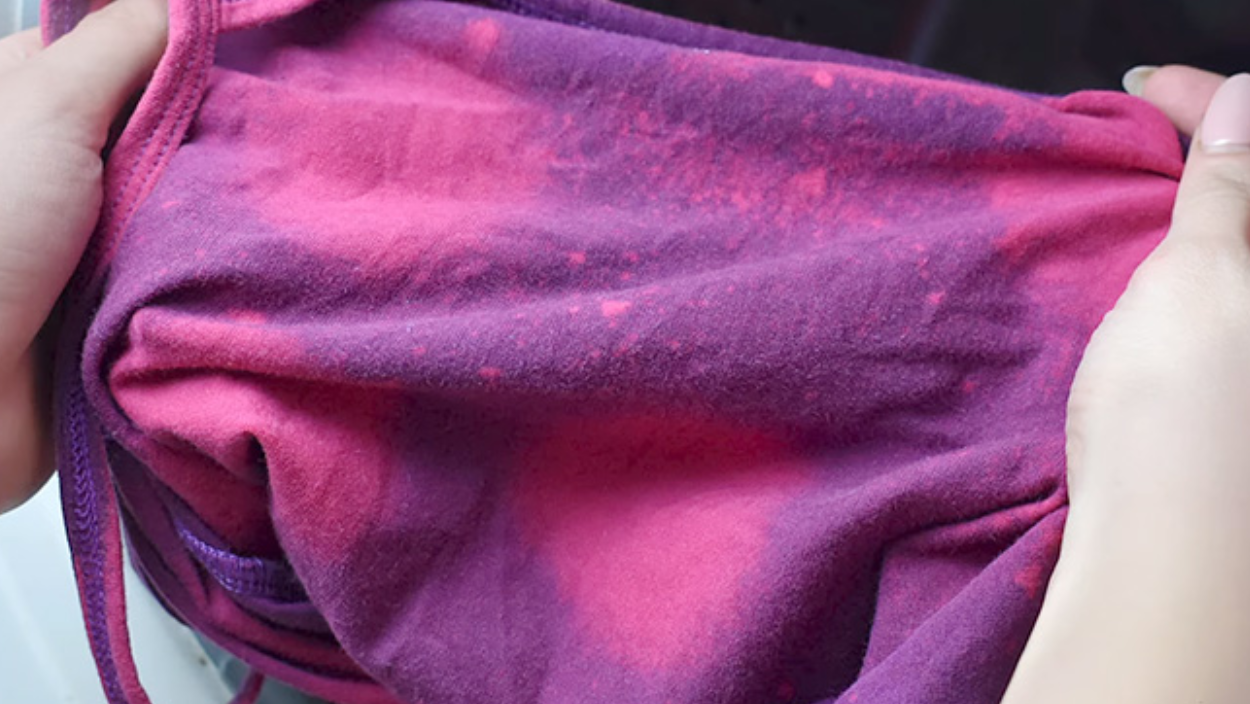

Infection control in laundry services is one of the most important factors in the laundry industry, especially when handling healthcare textiles, hospital linens, and fabrics used in environments that require high hygiene standards. If processing procedures are not carefully controlled, bacteria and other infectious agents may remain on textiles, directly affecting user safety and service quality.
At Green Laundry, infection control is emphasized throughout every stage of operations, from collection and sorting to washing, drying, transportation, and storage. Establishing a professional process not only helps ensure safety but also contributes to improving the quality of laundry services in professional environments.
1. Why Is Infection Control Important in Laundry Services?
In the laundry industry, particularly in healthcare laundry services, infection control plays a critical role in reducing the risk of spreading bacteria, viruses, and other harmful microorganisms through textiles during use and transportation. This is not merely a hygiene issue but also a matter that directly impacts hospital safety and human health.
Items such as towels, bed linens, medical uniforms, and patient garments may contain various contaminants if they are not processed properly.
Bacteria
Textiles that come into regular contact with patients may carry different types of bacteria capable of surviving on fabric surfaces for extended periods.
Bodily Fluids
Blood, sweat, and other bodily fluids present on fabrics can become potential sources of contamination if not handled according to proper standards.
Biological Dirt and Debris
Organic matter accumulated on towels, linens, or medical garments can create favorable conditions for microbial growth and compromise hygiene standards.
Disease-Causing Agents
Viruses, mold, and other harmful microorganisms may remain on textiles and spread during collection, transportation, or laundry processing.
Without proper handling procedures, these contaminants can spread throughout operations, increasing the risk of cross-contamination among patients, healthcare workers, and surrounding environments.
For this reason, infection control is not simply about cleaning textiles. It is a critical requirement in professional laundry services, particularly for facilities serving hospitals, clinics, and healthcare organizations.
2. How Is Infection Control Implemented at Green Laundry?
At Green Laundry, infection control in laundry services is integrated throughout the entire textile processing workflow to ensure optimal hygiene and safety standards.
This process goes beyond ordinary cleaning. It involves systematic controls designed to minimize the presence and spread of microorganisms on textiles after laundering.
Achieving this objective requires coordination among several important factors:
Operational Procedures
Collection, sorting, washing, drying, and storage processes are carried out according to clearly defined procedures to reduce the risk of cross-contamination between clean and soiled textiles.
Laundry Equipment
Washing and drying systems are operated according to the specific requirements of each textile category to ensure effective cleaning and hygiene performance.
Environmental Control
Textile processing areas are maintained in a clean and well-organized condition while environmental factors that may affect hygiene quality are carefully managed.
Staff Awareness and Compliance
Employees involved in textile processing are required to follow hygiene and safety procedures throughout every stage of operation.
Textile Processing Standards
Each textile category is processed using methods appropriate to its characteristics, ensuring effective cleaning while maintaining fabric quality and durability.
Every stage of the workflow is carefully monitored and controlled to minimize the risk of cross-contamination while supporting safe and professional laundry services.
3. Sorting Textiles at the Beginning of the Process
One of the most important steps in infection control in laundry services is sorting textiles immediately upon receipt.
This stage helps determine contamination levels, textile characteristics, and appropriate treatment methods before items enter the washing process.
Different textile categories require different handling procedures. Towels, bed linens, uniforms, and healthcare textiles all have unique hygiene requirements that must be addressed appropriately.
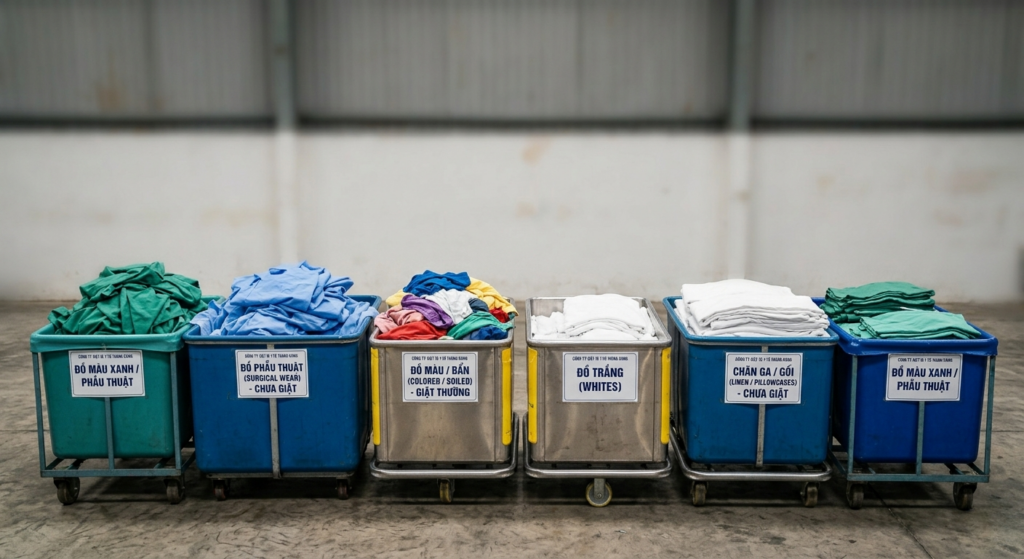
Separating textile categories helps reduce the risk of bacteria and other infectious agents spreading from contaminated items to cleaner ones during transportation and processing.
When textiles are sorted correctly, appropriate washing programs, temperatures, and treatment methods can be applied, resulting in more effective cleaning outcomes.
Proper sorting also improves the effectiveness of washing, drying, and sanitation procedures while reducing the possibility of uneven treatment or residual contamination.
In addition, because each fabric type has unique characteristics, proper sorting helps minimize damage, color fading, and premature wear during processing.
For healthcare textiles in particular, separate handling procedures are essential to maintaining hygiene standards and minimizing cross-contamination risks in hospitals and healthcare facilities.
4. Laundry Procedures That Support Effective Infection Control
To improve infection control in laundry services, washing procedures must be designed according to textile type and contamination level.
At Green Laundry, textile processing extends beyond the removal of visible dirt. The objective is also to help eliminate factors that may contribute to contamination throughout the laundry cycle.
Several operational elements are carefully monitored and controlled:
Temperature Management
Water temperatures are adjusted according to textile type to support effective cleaning and hygiene performance while preserving fabric quality.
Appropriate Chemical Selection
Laundry chemicals and supporting treatment agents are selected according to their intended purpose to ensure effective cleaning while minimizing fabric damage.
Adequate Processing Time
Each stage of the washing process is allocated sufficient time to allow cleaning agents to perform effectively and support infection control objectives.
Rinsing and Cleaning Control
Rinsing procedures are carefully managed to remove chemical residues, dirt, and contaminants that may remain on textiles after washing.
Following the correct procedures not only improves hygiene performance but also helps maintain textile durability, softness, and long-term usability.
5. How Infection Control Improves Service Quality
In addition to hygiene and safety benefits, infection control in laundry services plays an important role in enhancing overall service quality.
A textile processing system that follows proper standards contributes to professionalism, reliability, and customer confidence.
Textiles that are cleaned and processed correctly provide several important benefits:
Increased Customer Confidence
Customers feel more comfortable using services that follow transparent procedures and maintain high standards of hygiene and safety.
Improved User Experience
Clean, fresh, and professionally processed textiles provide a more comfortable and pleasant experience for end users.
Better Hygiene Standards
Effective infection control helps reduce the presence of bacteria, dirt, and potentially harmful contaminants on laundered textiles.
Reduced Operational Risks
Well-controlled processes help minimize cross-contamination risks and reduce incidents that could affect service quality.
This is particularly important in hospitals, clinics, hotels, and healthcare facilities where textile quality directly affects both user experience and overall hygiene standards.
6. Moving Toward Safer and More Professional Laundry Operations
As hygiene expectations continue to rise, infection control is no longer an optional practice but an essential standard within the laundry industry.
Investing in processes, equipment, and operational management helps organizations improve service quality while providing customers with greater confidence and peace of mind.
Green Laundry remains committed to maintaining a safe, professional textile processing environment that aligns with modern hygiene requirements.
Infection control in laundry services is a fundamental component of professional laundry operations, particularly when processing healthcare textiles and materials used in environments that require strict hygiene standards.
At Green Laundry, infection control measures are integrated into every stage of the workflow to reduce cross-contamination risks, maintain textile quality, and enhance overall service performance.
Developing and maintaining appropriate infection control procedures not only helps protect users’ health but also strengthens operational quality and professional credibility within the modern laundry industry.
>>>> Read more: Why is baking soda considered a powerful helper in laundry care?
Green Laundry – the leading company in providing quality and professional laundry solutions in Vietnam
Email: greenlaundry@giatuixanh.com
Phone: 028 36 222 180
Fanpage: Giặt Ủi Xanh – Chuyên Giặt Ủi Công Nghiệp
Address: Lot A57/II-Lot 58/II, Road No. 2D, Vinh Loc Industrial Park, Binh Tan Ward, Ho Chi Minh City.