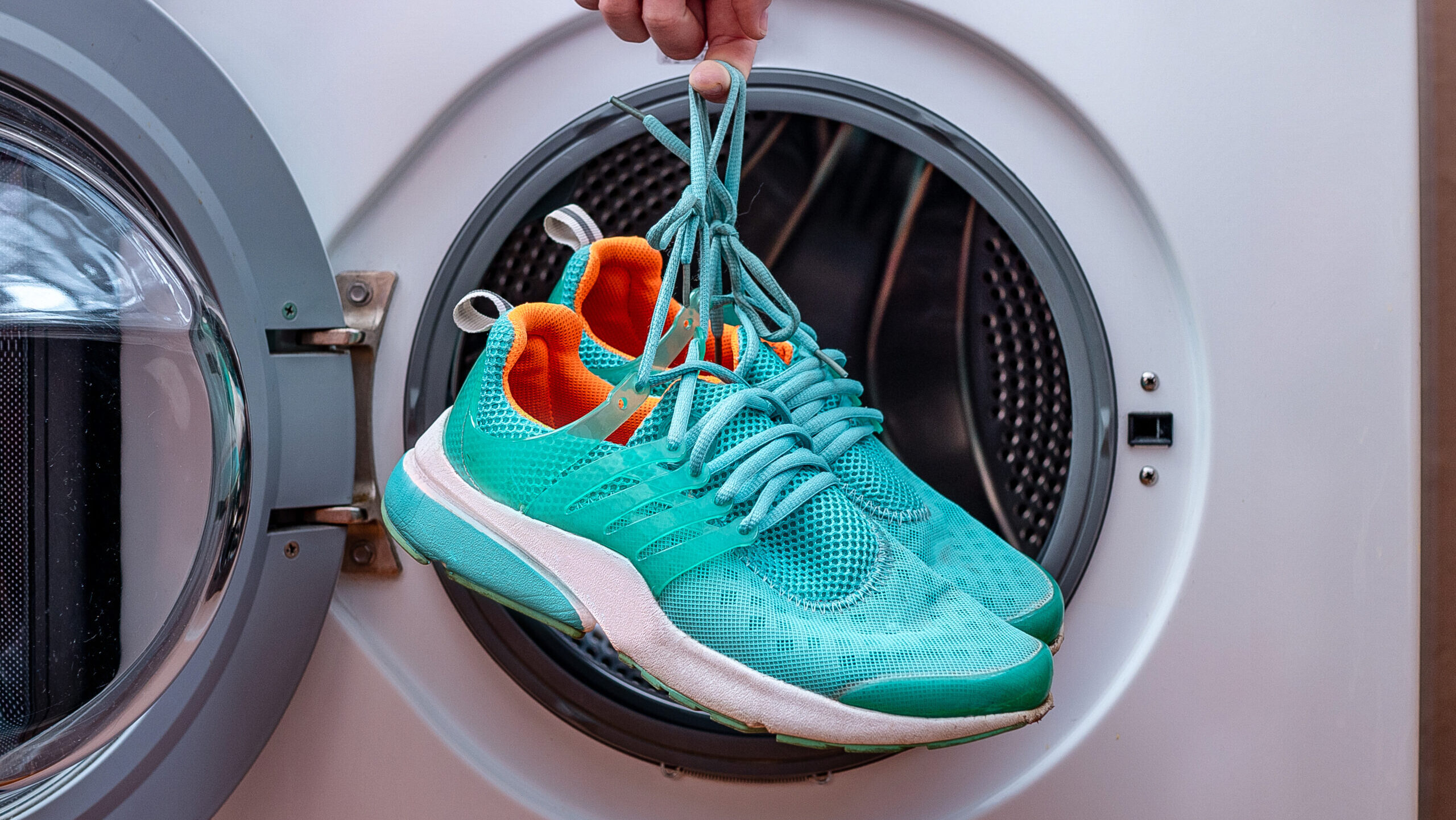
Cleaning shoes at home is a common habit that helps keep footwear clean and free from unpleasant odors during daily use. However, not everyone knows how to properly clean and dry their shoes. Incorrect cleaning methods can cause glue separation, loss of shape, fading, or a significant reduction in the lifespan of the shoes.
In addition to the cleaning process, drying plays an equally important role. Even if shoes are thoroughly cleaned, improper drying can still lead to odors, mold growth, or structural damage. Understanding the proper process of how to clean shoes at home will help you clean your footwear effectively while protecting it for long-term use.
1. Why Is It Important to Clean Shoes Regularly?
Throughout daily use, shoes are constantly exposed to various sources of dirt and contamination, including road dust, mud, rainwater, sweat, and bacteria from the surrounding environment. Even when the exterior of your shoes appears relatively clean, dirt, moisture, and microorganisms can gradually accumulate inside the fabric layers, insoles, and hard-to-reach areas over time.
If shoes are not cleaned regularly, these contaminants can do more than simply affect their appearance. They can also create an ideal environment for bacteria and mold to thrive. This is one of the most common causes of unpleasant shoe odors, especially for individuals who engage in physical activities frequently or wear shoes for extended periods each day.
Learning how to clean shoes at home on a regular basis is not just about maintaining a clean appearance. It also plays an important role in preserving shoe quality and extending the product’s lifespan. Shoes that are cleaned properly tend to maintain their color, shape, comfort, and overall appearance much better than those that are neglected for long periods.
Regular cleaning also allows users to identify signs of wear and tear early, such as loose glue, worn-out soles, damaged stitching, or other structural issues. Detecting these problems early makes it easier to repair them before they become more serious and costly.
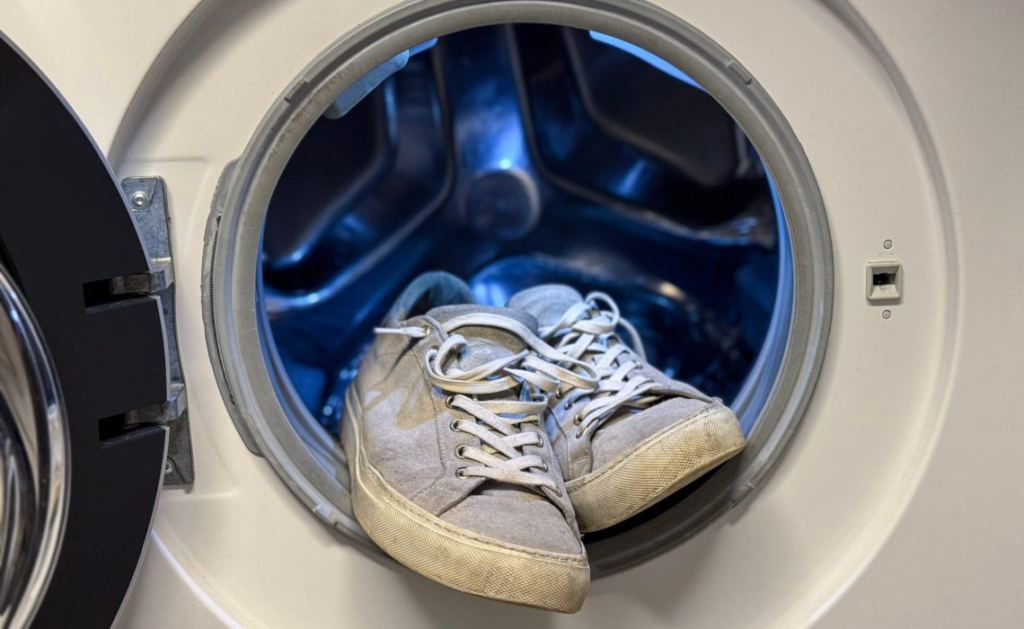
Some of the key benefits of cleaning shoes regularly include:
- Keeping shoes clean and maintaining a neat appearance.
- Reducing the buildup of bacteria and unpleasant odors inside the shoes.
- Helping extend the lifespan of materials and structural components.
- Improving comfort during everyday use.
- Enhancing the overall appearance of your outfit.
The ideal cleaning frequency depends on how often the shoes are worn and the environment in which they are used. For shoes that are worn daily, such as sneakers, work shoes, or uniform shoes, cleaning every two to four weeks is generally recommended.
If your shoes are frequently exposed to muddy conditions, rainwater, sports activities, or dusty environments, more frequent cleaning may be necessary to keep them in optimal condition.
It is safe to say that developing the habit of learning how to clean shoes at home properly and performing regular maintenance not only protects your footwear investment but also improves your overall wearing experience in everyday life.
2. What Should You Prepare Before Cleaning Shoes at Home?
To achieve the best results when learning how to clean shoes at home, proper preparation is essential. Many people tend to start cleaning their shoes as soon as they notice dirt, without gathering the necessary tools or considering whether their cleaning method is suitable for the shoe material.
Taking time to prepare beforehand not only makes the cleaning process more efficient but also helps protect the color, shape, and durability of your footwear. This step becomes even more important when dealing with expensive shoes or footwear made from delicate materials.
Some common items you should prepare before cleaning shoes at home include:
- A soft-bristle brush for cleaning the shoe surface.
- A clean cloth for wiping and absorbing moisture.
- Laundry detergent or a shoe-cleaning solution suitable for the material.
- A basin of clean water for washing.
- Newspaper, moisture-absorbing paper, or dry towels to help maintain the shoe’s shape during drying.
In addition to these tools, it is advisable to choose a well-lit and comfortable workspace. Good lighting allows you to spot stains more easily and clean every part of the shoe thoroughly.
Another important step before beginning the cleaning process is identifying the shoe material. Not all shoes can be cleaned using the same method. Different materials require different care techniques to avoid damage during cleaning.
For example, canvas shoes and mesh sneakers generally have better water resistance and are relatively easy to clean. On the other hand, synthetic leather and genuine leather shoes require more careful handling to prevent peeling, cracking, discoloration, or surface damage.
Shoes that contain decorative elements, glued components, or specialty materials may also require specific cleaning products and techniques to maintain their quality.
Before cleaning, it is also important to inspect the overall condition of the shoes. Look for issues such as loose glue, torn fabric, damaged stitching, or worn-out components. Addressing these problems beforehand can prevent them from becoming worse during the cleaning process.
Although preparation may seem like a simple step, it has a significant impact on the effectiveness of how to clean shoes at home and the overall lifespan of your footwear. Spending a few extra minutes preparing properly can make the cleaning process smoother and help keep your shoes looking their best after repeated use.
3. How to Clean Shoes at Home Properly
Once all necessary tools have been prepared, the next step is to clean the shoes following the proper process. Performing each step correctly will help maximize cleaning effectiveness while minimizing the risk of damaging materials or altering the original shape of the shoes.
Below are the commonly recommended steps for how to clean shoes at home effectively while preserving their durability and appearance.
3.1. Remove the Shoelaces and Insoles
Before beginning the cleaning process, remove the shoelaces and insoles from the shoes. Although simple, this step is extremely important because these areas often accumulate large amounts of dirt, sweat, and bacteria after prolonged use.
Separating these components makes it easier to access hard-to-reach areas inside the shoes and allows for a more thorough cleaning process. Additionally, cleaning the shoelaces separately helps create a more uniform and refreshed appearance once the entire shoe has been cleaned.
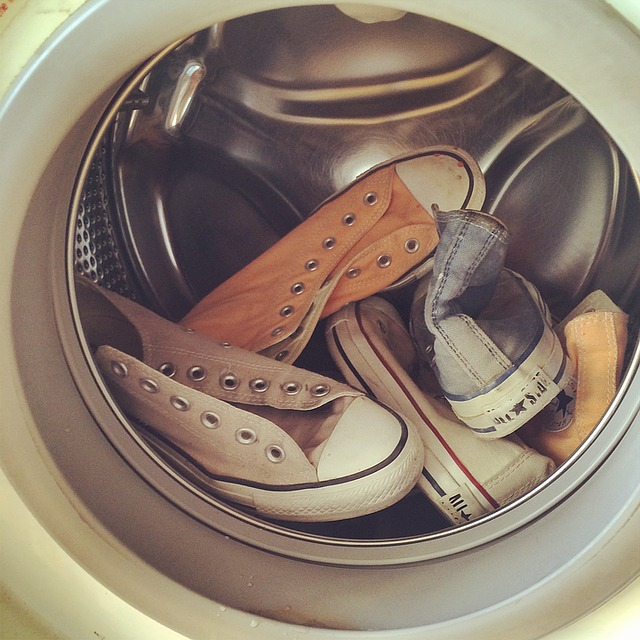
Shoelaces can be washed by hand using diluted detergent or soaked briefly before gently scrubbing away accumulated dirt. Insoles should be cleaned carefully to avoid damaging their structure or reducing their cushioning and support properties.
3.2. Remove Surface Dirt and Dust
Before introducing water, it is important to remove loose dirt and debris from the shoe surface. Although often overlooked, this step can significantly improve overall cleaning effectiveness.
Use a soft-bristle brush or a dry cloth to remove dust, dirt, sand, and debris from the upper, sole, and small crevices of the shoes. Doing so prevents loose dirt from mixing with water during washing, which could spread stains to other parts of the shoe.
For shoes frequently used outdoors or exposed to muddy conditions, this preliminary cleaning step becomes even more important. Once most of the dry dirt has been removed, the following cleaning stages can be completed more efficiently and effectively.
3.3. Clean the Upper Part of the Shoe
After completing the preliminary cleaning stage, you can begin cleaning the upper section of the shoe using diluted detergent or a cleaning solution suitable for the shoe material.
When performing how to clean shoes at home, use a soft brush or clean cloth and gently clean one section at a time. This approach allows better control over the cleaning process while reducing the risk of damaging delicate materials.
For canvas shoes and athletic footwear, focus on areas that tend to accumulate dirt most easily, such as:
- The toe box.
- The side panels.
- Areas that frequently come into contact with the ground.
If stubborn stains remain, repeat the cleaning process several times rather than applying excessive force during a single attempt.
Particular attention should also be paid to glued areas. Soaking shoes for extended periods or using excessive amounts of water can weaken adhesive bonds and increase the risk of glue separation after repeated use.
3.4. Clean the Shoe Sole
The sole is often the dirtiest part of the shoe because it comes into direct contact with the ground. Cleaning only the upper while neglecting the sole can leave the shoes looking incomplete and less hygienic.
When cleaning shoes at home, a slightly firmer brush may be used for the sole area. However, excessive force should still be avoided to prevent scratching or damaging nearby components.
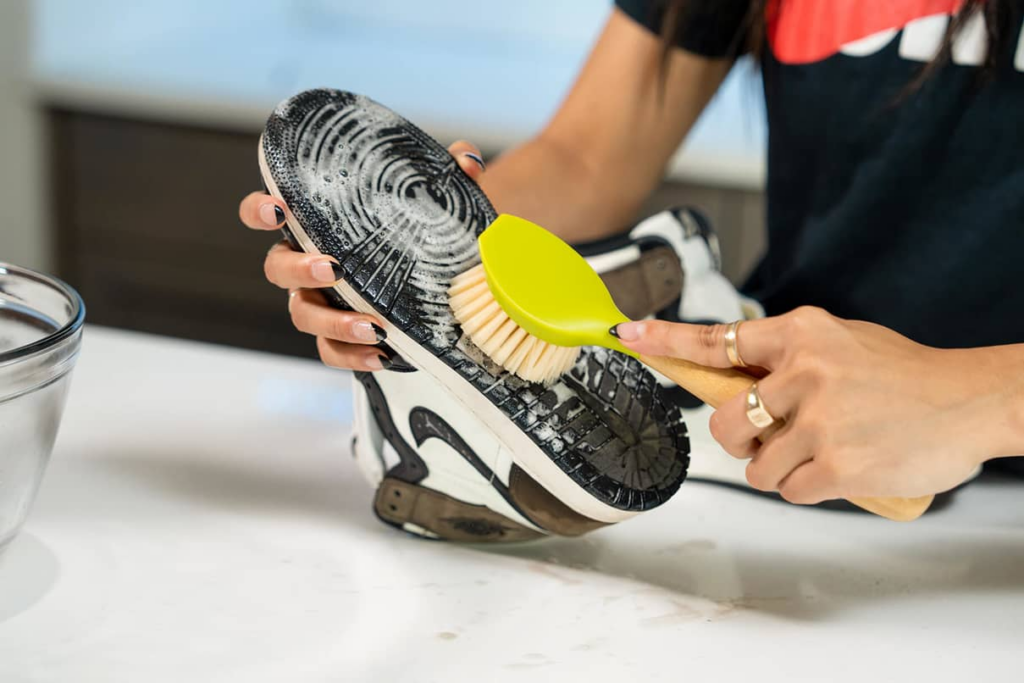
For soles with deep grooves that trap dirt and debris, clean small sections individually to achieve better results. Thoroughly cleaning the sole not only improves the appearance of the shoes but also helps maintain traction and reduces the accumulation of bacteria over time.
3.5. Rinse Thoroughly and Remove Excess Water
After all cleaning steps have been completed, it is important to remove any remaining detergent or cleaning solution from the shoe surface.
Leaving cleaning agents on the shoes for an extended period may affect the material and cause stains or discoloration after drying.
Use a clean damp cloth or rinse gently with clean water until no traces of detergent remain on the surface.
During this stage, avoid twisting, wringing, or squeezing the shoes aggressively to force water out. Such actions can distort the structure of the shoes, affect their original shape, and shorten their lifespan.
Once most of the excess moisture has been removed, the shoes are ready for the drying stage. Proper drying is a critical part of how to clean shoes at home, helping prevent unpleasant odors, mold growth, and long-term material damage.
4. How to Dry Shoes Properly After Cleaning
Many people spend a considerable amount of time cleaning their shoes but pay very little attention to the drying process. In reality, drying is one of the most important factors affecting the durability, shape, and overall lifespan of footwear after washing.
Even if shoes are cleaned thoroughly, improper drying methods can still lead to unpleasant odors, mold growth, glue separation, or deformation. This is especially true for athletic shoes, canvas shoes, and footwear that contains multiple glued components.
For this reason, after learning how to clean shoes at home, it is equally important to understand the correct way to dry them. Proper drying helps maintain the appearance, comfort, and structural integrity of your shoes over time.
4.1. Remove Excess Moisture with a Dry Towel
Immediately after washing, shoes should not be placed directly under a fan or left out to dry without first removing excess water. This simple step can significantly reduce drying time.
Use a soft, clean towel with good absorbent properties to gently wipe the entire surface of the shoes. Removing excess moisture helps prevent water from remaining trapped inside the shoe, reducing the risk of unpleasant odors during the drying process.
This step also helps prevent water from accumulating around stitching lines and glued areas, which can weaken the structure of the shoe over time.
By taking a few minutes to absorb excess moisture, you can make the drying process faster and more effective.
4.2. Stuff Paper Inside the Shoes
One of the most commonly recommended techniques when learning how to clean shoes at home is placing newspaper, moisture-absorbing paper, or dry towels inside the shoes after washing.
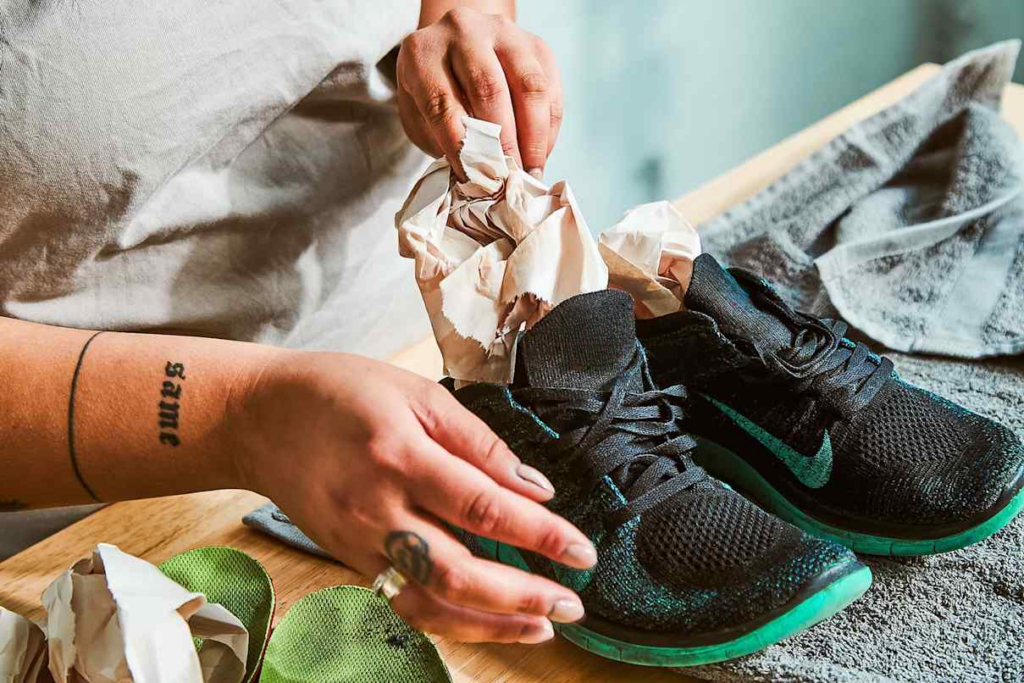
This simple method offers several important benefits:
- Helps absorb moisture trapped inside the shoes.
- Speeds up the drying process.
- Maintains the original shape of the shoes.
- Reduces the risk of creasing, collapsing, or deformation.
- Promotes more even drying throughout the shoe.
As the paper absorbs moisture, it may become damp and lose effectiveness. If this happens, replace it with fresh paper to continue drawing moisture out efficiently.
For shoes made from softer materials or footwear that is prone to losing its shape, this step is particularly important. Proper support during drying helps preserve the original form and appearance of the shoes after cleaning.
4.3. Air Dry Shoes in a Well-Ventilated Area
After removing excess water and stuffing the shoes with paper, place them in an area with good airflow to dry naturally.
Locations with steady air circulation, light breezes, or open spaces are generally ideal for drying shoes. Proper ventilation allows moisture trapped inside the shoe to evaporate gradually and evenly.
A dry and well-ventilated environment also helps prevent the growth of bacteria and mold, which are among the leading causes of unpleasant shoe odors.
When practicing how to clean shoes at home, many people make the mistake of placing shoes in enclosed spaces with limited airflow. This can significantly extend drying time and increase the likelihood of odor development after cleaning.
Allowing shoes to dry naturally in a suitable environment may take longer, but it is one of the safest ways to protect the materials and structure of the footwear.
4.4. Avoid Direct Exposure to Strong Sunlight
One of the most common mistakes people make after cleaning shoes is placing them under direct sunlight for extended periods in an attempt to speed up drying.
While intense heat can accelerate water evaporation, it can also cause several problems that negatively affect the quality and longevity of the shoes.
Prolonged exposure to strong sunlight or excessive heat may result in:
- Glue separation in bonded areas.
- Material shrinkage or deformation.
- Color fading.
- Reduced durability of fabric and structural components.
- Faster wear and deterioration after repeated cleaning.
These risks are especially significant for athletic shoes, canvas footwear, and shoes that rely heavily on adhesives during construction.
Although direct sunlight may appear to be a convenient solution, the potential damage often outweighs the benefits of slightly faster drying times.
Instead of exposing shoes to harsh sunlight, it is generally recommended to dry them naturally in a shaded, well-ventilated location. While the drying process may take longer, this approach helps preserve the shape, color, and overall quality of the shoes much more effectively.
It is safe to say that drying is just as important as cleaning when learning how to clean shoes at home. By following proper drying techniques, you can not only help your shoes dry more efficiently but also extend their lifespan and maintain their appearance for years to come.
5. Common Mistakes When Cleaning Shoes at Home
Although how to clean shoes at home is not a complicated task, many people still make mistakes during the cleaning process without realizing it. These habits may seem harmless at first, but they can cause shoes to wear out faster, lose their original shape, or significantly reduce their lifespan.
In addition to learning the proper cleaning techniques, it is equally important to understand and avoid common mistakes that could damage your footwear.
5.1. Soaking Shoes for Too Long
One of the most common mistakes when learning how to clean shoes at home is soaking shoes in water for extended periods with the belief that it will make stains easier to remove.
In reality, prolonged soaking does not necessarily improve cleaning effectiveness. Instead, excessive exposure to water can penetrate deep into the shoe’s materials and negatively affect its overall structure.
This is particularly problematic for athletic shoes and canvas footwear that contain adhesive components. Long periods of soaking may weaken the glue that holds different parts of the shoe together.
Potential issues caused by excessive soaking include:
- Glue separation around the sole or upper.
- Reduced durability of shoe materials.
- Longer drying times.
- Increased risk of mold growth and unpleasant odors.
- Faster deterioration of the shoe structure.
In most cases, direct cleaning or brief soaking is sufficient to remove dirt without causing unnecessary damage.
5.2. Using a Brush That Is Too Hard
Many people assume that using a stiff brush and scrubbing aggressively will remove dirt more effectively. However, this is often one of the quickest ways to damage shoes during cleaning.
Many modern shoes are made from relatively delicate materials such as mesh fabric, canvas, knit textiles, or synthetic materials. Excessive scrubbing with a hard brush can damage the outer surface and compromise the shoe’s appearance.
Possible consequences include:
- Scratches on the shoe surface.
- Fraying or fuzzing of fabric materials.
- Loss of texture.
- Premature wear of delicate areas.
- Reduced aesthetic appeal.
Repeated aggressive scrubbing in the same area may also cause discoloration or fading.
To clean shoes safely, it is generally recommended to use a soft-bristle brush and clean gently section by section instead of applying excessive force.
5.3. Using Harsh Cleaning Chemicals
Another common mistake in how to clean shoes at home is using strong cleaning agents or harsh chemicals to remove stubborn stains quickly.
Although these products may appear effective at first, they can cause long-term damage to shoe materials and finishes.
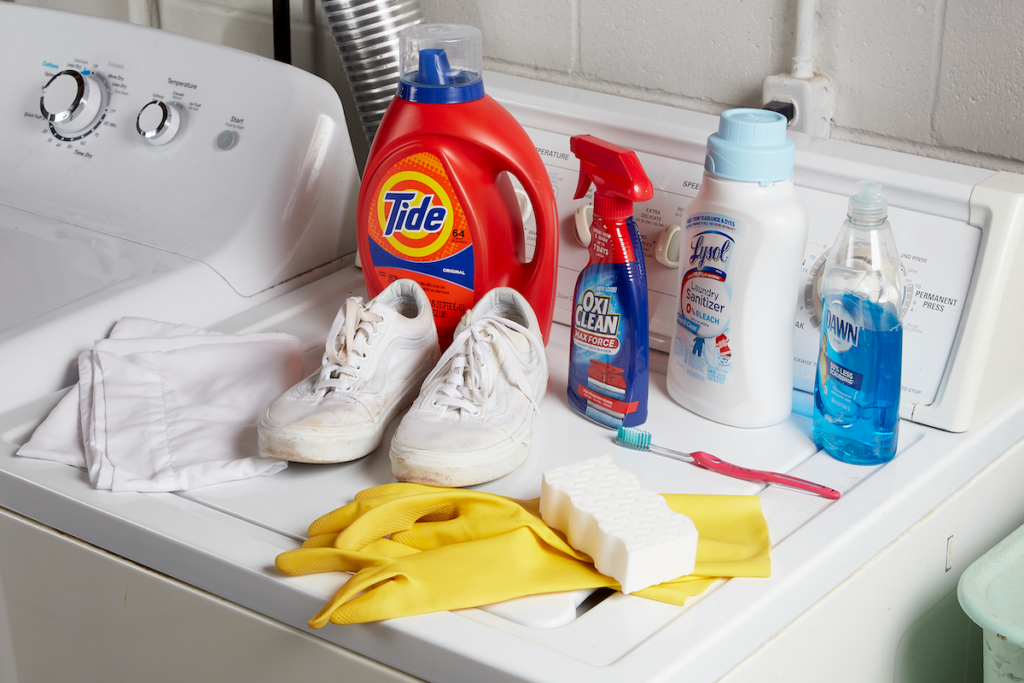
For colored shoes or footwear with protective surface coatings, harsh chemicals may lead to:
- Color fading.
- Uneven discoloration.
- Surface damage.
- Loss of protective coatings.
- Reduced material durability.
Over time, repeated exposure to strong chemicals can weaken fabrics and shorten the lifespan of the shoes.
Instead of using aggressive cleaning products, it is generally safer to choose mild detergents or specialized shoe-cleaning solutions designed specifically for footwear care.
These products provide effective cleaning while minimizing the risk of damaging the materials.
5.4. Drying Shoes with Excessive Heat
After completing the washing process, many people want their shoes to dry as quickly as possible. As a result, they often place shoes near heaters, use high-temperature dryers, or expose them to other intense heat sources.
Unfortunately, this practice can significantly reduce the lifespan of the shoes.
Excessive heat may cause:
- Loss of shoe shape.
- Shrinkage of certain materials.
- Glue separation.
- Reduced flexibility of the sole.
- Cracking or fading of the upper material.
- Structural damage to different components.
These risks are particularly serious for athletic shoes, which are often constructed from multiple layers of materials bonded together with adhesives.
Rather than relying on high temperatures, natural air drying in a well-ventilated area is usually the safest option. Although this method takes longer, it helps preserve the shoe’s structure and maintain its quality over time.
As you can see, most mistakes related to how to clean shoes at home stem from the desire to clean or dry shoes more quickly. However, choosing the proper techniques and following the correct process will help keep shoes clean while preserving their appearance and durability for years to come.
6. When Should You Use Professional Shoe Cleaning Services?
Although learning how to clean shoes at home can be effective for many types of everyday footwear, there are situations where professional cleaning services may be the better option.
Certain shoes require specialized care, equipment, and cleaning techniques that are difficult to replicate at home without risking damage.
Examples include:
- Genuine leather shoes.
- Premium or luxury footwear.
- Shoes with delicate decorative details.
- Shoes with long-standing stains.
- Footwear requiring deep odor removal.
- Shoes affected by mold or mildew.
- Specialty footwear made from sensitive materials.
Professional shoe-cleaning providers typically use specialized equipment, cleaning solutions, and restoration techniques designed to clean shoes thoroughly while minimizing the risk of damage.
These services can often achieve better results for difficult cleaning situations while helping preserve the value and condition of the footwear.
Learning how to clean shoes at home properly is one of the best ways to keep your footwear clean, comfortable, and attractive while extending its lifespan. Regular cleaning helps remove dirt, reduce unpleasant odors, and maintain the overall appearance of your shoes.
However, cleaning alone is not enough. Proper drying techniques are equally important for preventing glue separation, mold growth, unpleasant odors, and deformation.
By following the correct cleaning and drying procedures, you can protect your shoes from unnecessary damage and keep them looking their best for years to come.
With just a few simple steps and a consistent maintenance routine, you can ensure that your shoes remain clean, durable, and ready to accompany you through everyday activities.
Whether you wear sneakers, work shoes, school shoes, or casual footwear, understanding how to clean shoes at home correctly can help you maximize comfort, improve hygiene, and protect your investment in quality footwear.
Green Laundry is always committed to sharing practical garment and footwear care tips that help customers maintain their belongings effectively and extend their lifespan through proper cleaning practices.