When shopping for a washing machine, one of the biggest decisions homeowners face is choosing between a front load vs top load washing machine. Both types are widely available and offer unique advantages, but they differ significantly in cleaning performance, water consumption, energy efficiency, fabric care, price, and overall user experience.
The right choice depends on several factors, including your household size, laundry habits, installation space, and budget. Understanding the differences between these two washing machine types will help you make a more informed investment and enjoy better laundry performance for years to come.
1. What Is a Front Load vs Top Load Washing Machine?
Before comparing a front load vs top load washing machine, it’s important to understand how each type works. Although both machines are designed to clean clothes, they use different drum designs and washing mechanisms, resulting in noticeable differences in washing efficiency, resource consumption, and garment care.
1.1. What Is a Top Load Washing Machine?
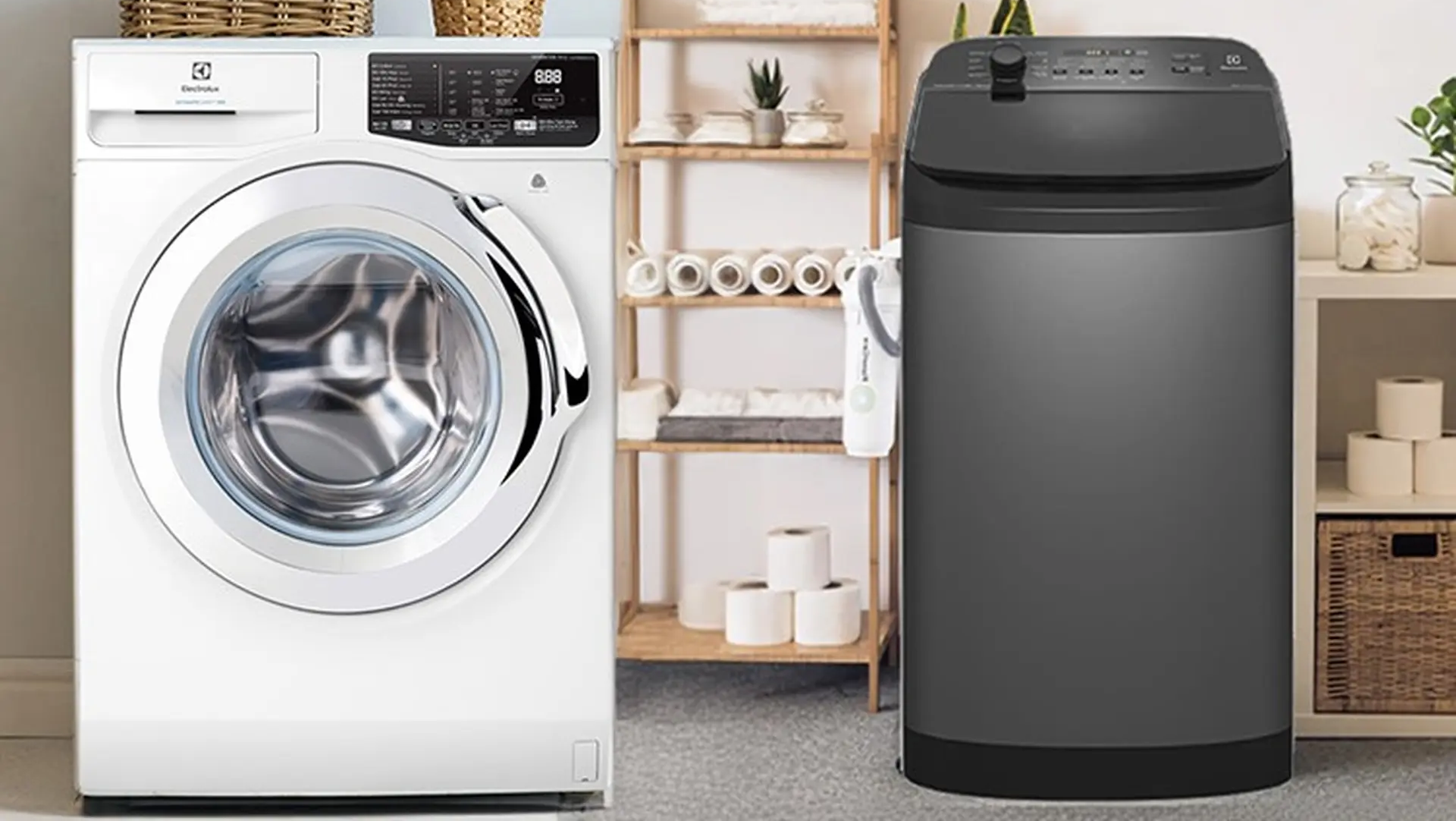
A top load washing machine features a lid located on the top of the appliance, allowing users to load laundry from above.
Most modern top load washers operate using an impeller or agitator located at the bottom of the drum. During the wash cycle, water fills the drum while the agitator or impeller creates movement that causes clothes to rub against each other, helping remove dirt and stains.
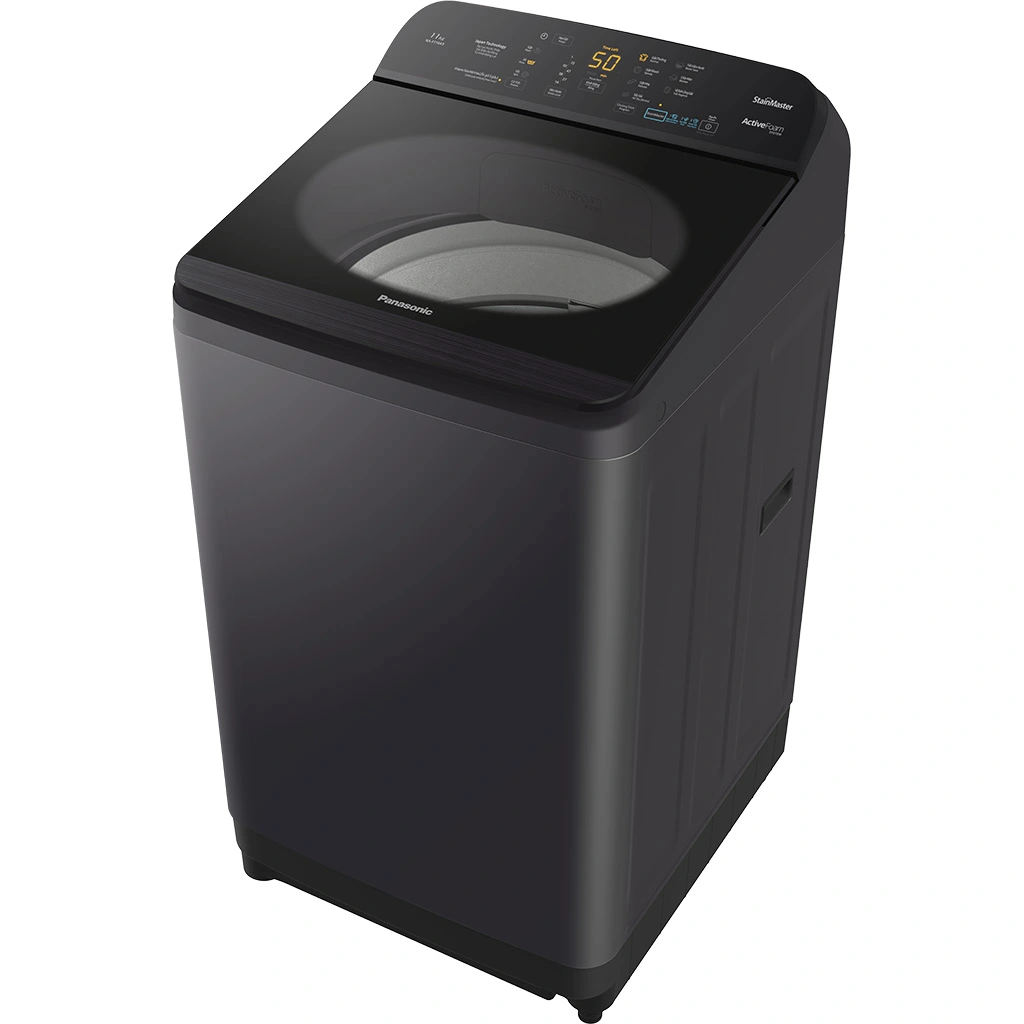
Thanks to their simple design, top load washing machines are generally easy to operate, affordable, and suitable for a wide range of households. Many models also allow users to add forgotten garments even after the wash cycle has already started.
1.2. What Is a Front Load Washing Machine?
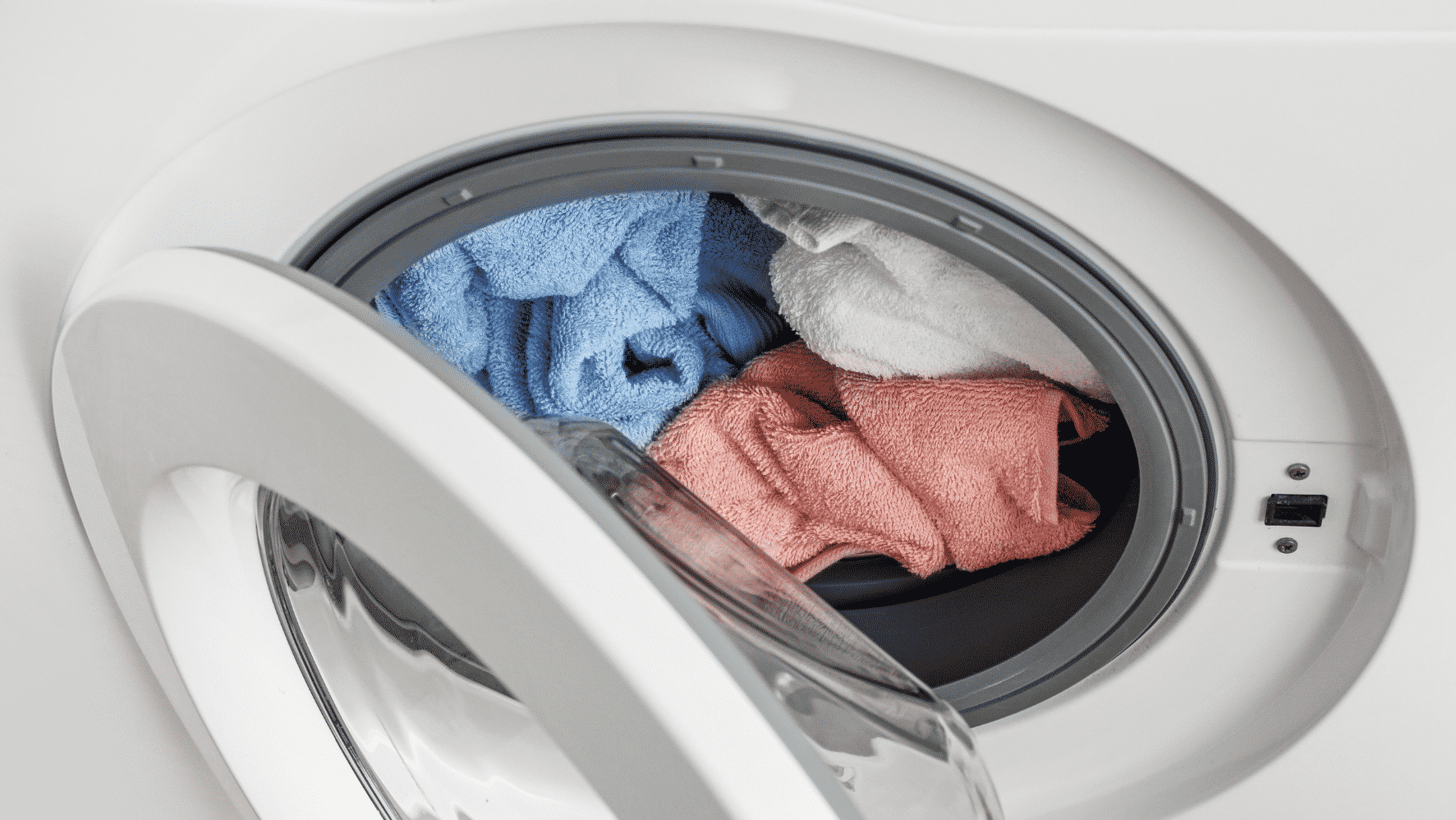
A front load washing machine is designed with a door positioned on the front of the machine. Unlike top load models, its drum is mounted horizontally and rotates to lift clothes before dropping them using gravity.
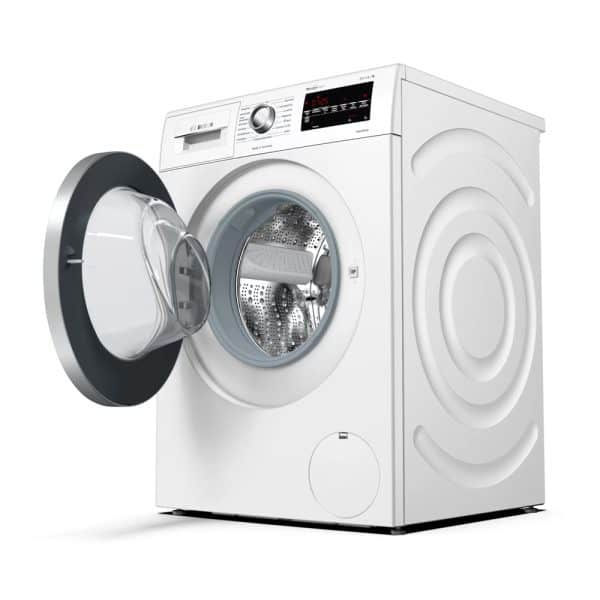
This tumbling motion provides effective cleaning while requiring significantly less water than traditional top load machines. Instead of continuously agitating clothes, the drum gently tumbles garments throughout the wash cycle, reducing friction and minimizing fabric tangling.
Many modern front load washing machines also include advanced technologies such as:
- Hot water washing
- Steam cleaning
- Automatic load sensing
- Specialized wash programs for different fabric types
These technologies improve cleaning performance while providing better protection for delicate garments.
2. Which Cleans Clothes Better?
When comparing a front load vs top load washing machine, cleaning performance is often one of the first factors consumers consider. Although both machine types can effectively handle everyday laundry, their different washing mechanisms produce different cleaning results.
Understanding how each machine removes dirt can help you choose the right appliance based on your family’s laundry needs.
2.1. Front Load Washing Machines Deliver Better Cleaning Performance
One of the most noticeable differences in the front load vs top load washing machine comparison is how each machine creates cleaning action.
A front load washing machine uses a horizontal drum that continuously lifts clothes before allowing them to fall naturally. This tumbling action repeatedly loosens dirt, sweat, and common stains from fabric fibers.
Because this cleaning process relies on gravity rather than heavy agitation, front load washers can achieve excellent cleaning results while using less water. The tumbling motion also distributes washing action more evenly throughout the entire load, making it particularly effective for larger loads of laundry.
Today’s front load washers often include advanced technologies such as:
- Hot water wash cycles
- Steam washing
- Intensive cleaning programs
- Automatic load sensors
- Fabric-specific washing modes
These features further enhance cleaning performance and improve stain removal in a variety of washing situations.
For everyday clothing, bed sheets, lightweight blankets, towels, and other household linens that require a high level of cleanliness, front load washing machines are generally considered the superior choice.
2.2. Top Load Washing Machines Are Still Suitable for Everyday Use
Although top load washing machines are generally considered slightly less effective than front load models when it comes to deep cleaning, they remain one of the most popular choices for households around the world.
These machines rely on an agitator or impeller to generate strong water movement inside the drum. This motion causes clothes to rub against one another while detergent circulates throughout the load, effectively removing everyday dirt.
For routine laundry such as:
- Daily clothing
- School uniforms
- Casual wear
- Lightly soiled fabrics
a top load washing machine provides more than enough cleaning performance for most families.
Another advantage is its shorter wash cycles and user-friendly operation. These practical benefits make top load machines especially attractive for households that prioritize convenience and speed over premium washing technologies.
Overall, while a front load washing machine generally offers superior cleaning performance, that doesn’t mean a top load washer is inadequate. For families with moderate laundry needs who value simplicity and quick wash times, a top load washing machine remains an excellent option.
3. Water Consumption Comparison
Water efficiency is another important consideration when comparing a front load vs top load washing machine. Thanks to their different washing mechanisms, these two machine types use water in very different ways.
3.1. Front Load Washing Machines Use Less Water
One of the biggest advantages of a front load washing machine is its excellent water efficiency.
Because the drum rotates horizontally, clothes do not need to be completely submerged in water. Instead, the washer uses just enough water to soak the garments while allowing the tumbling action to perform most of the cleaning work.
As the drum rotates, clothes are continuously lifted and dropped, removing dirt without requiring excessive amounts of water. As a result, front load washing machines typically consume significantly less water per cycle than similarly sized top load models.

For larger households or families who do laundry frequently, this reduced water usage can lead to noticeable savings on utility bills over time while also supporting more sustainable water consumption.
Many modern front load washers also feature intelligent sensors that automatically adjust water levels based on the size of each load, further improving efficiency and minimizing unnecessary water waste.
3.2. Top Load Washing Machines Consume More Water
Compared with front load models, top load washing machines generally require more water to complete each wash cycle.
This is because their washing mechanism depends on garments being fully immersed in water so that the agitator or impeller can generate enough movement to clean the clothes effectively.
As a result, top load washers typically fill the drum with a larger volume of water before washing begins.
For larger-capacity models, water consumption can increase substantially, particularly if users frequently wash full loads or run multiple cycles throughout the day.
However, this doesn’t necessarily make top load washing machines a poor choice. For households with basic laundry needs or those who place less emphasis on water conservation, they continue to provide reliable everyday performance.
That said, when long-term operating costs and resource efficiency are taken into account, this remains one of the most significant differences in the front load vs top load washing machine comparison. For users who do laundry frequently and want to reduce water usage over time, front load washing machines generally offer a clear advantage.
4. Electricity Consumption Comparison
When comparing a front load vs top load washing machine, many people assume that front load washers always consume less electricity. However, the reality is more complex. Energy consumption depends on various factors, including the technologies built into the machine, the selected wash cycle, operating time, and how frequently the appliance is used.
Modern front load washing machines are equipped with advanced technologies designed to improve cleaning performance and garment care. In addition to standard wash programs, many models feature:
- Hot water washing
- Steam cleaning
- Intensive wash cycles
- Fabric care programs
- Washer-dryer combinations
These features allow clothes to be cleaned more thoroughly while providing better protection for different fabric types. However, they also extend the duration of each wash cycle.
Depending on the selected program, a front load washing machine may run for 60 to 120 minutes or even longer. Longer operating times generally result in higher electricity consumption per cycle, especially when hot water washing or drying functions are used.
By comparison, top load washing machines are typically designed with simpler wash programs and shorter cycle times. A standard wash cycle usually takes 30 to 45 minutes, making them a convenient option for households that need quick laundry turnaround.
Because they operate for a shorter period, top load washing machines may consume less electricity per wash cycle in many situations.
This is one reason why they remain a popular choice among families with basic laundry needs or those who frequently need clean clothes within a short period.
However, it’s important to remember that top load washers usually require significantly more water for each wash cycle. Over time, this additional water consumption can increase the overall operating cost.
When considering both electricity and water usage together, front load washing machines are generally the more cost-efficient solution in the long run. Their ability to reduce water consumption, combined with smart load sensors and optimized wash cycles, helps minimize overall resource usage throughout the appliance’s lifespan.
For households that do laundry frequently or expect to use the machine for many years, the long-term savings on water and improved washing efficiency often outweigh the higher initial purchase price of a front load washer.
5. Fabric Care Comparison
Besides cleaning performance and operating costs, fabric care is another important factor when evaluating a front load vs top load washing machine.
Over time, the mechanical action inside a washing machine can affect the durability, appearance, and texture of clothing. For households that regularly wash business attire, fashion garments, delicate fabrics, or premium clothing, choosing the right washing machine can significantly extend the lifespan of their wardrobe.
5.1. Front Load Washing Machines Are Gentler on Clothes
One of the biggest advantages of a front load washing machine is its ability to protect fabrics during the wash cycle.
Thanks to its horizontal drum design, clothes are gently lifted and dropped as the drum rotates instead of being continuously twisted or aggressively agitated.
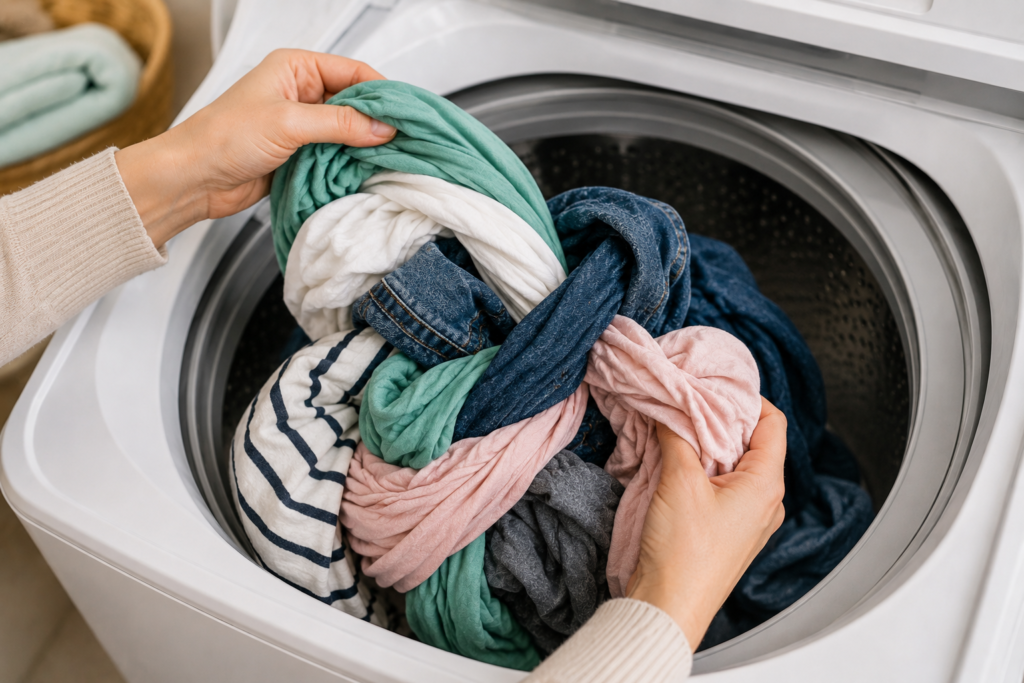
This tumbling motion greatly reduces tangling between garments and minimizes unnecessary stress on fabric fibers.
With less twisting and friction, clothes are less likely to experience common issues such as:
- Fabric stretching
- Fiber damage
- Excessive wrinkling
- Shape distortion
- Premature wear
For delicate materials such as premium cotton, wool, silk, and other specialty fabrics, front load washing machines are generally considered the safer option.
Many modern front load models also include specialized wash programs tailored to different fabric types, allowing users to maximize cleaning performance while minimizing wear and tear.
Because of these advantages, households that regularly wash high-quality clothing often prefer front load washing machines for their superior garment care.
5.2. Top Load Washing Machines Create Stronger Mechanical Action
Unlike front load washers, top load washing machines typically rely on an agitator or impeller to create strong water movement inside the drum.
During operation, clothes are continuously pulled, rotated, and rubbed together to remove dirt and stains.
This washing mechanism is highly effective for cleaning everyday laundry, especially garments with normal levels of dirt.
However, the stronger mechanical action also increases the likelihood of clothes becoming tangled during the wash cycle.
Over time, repeated washing may contribute to:
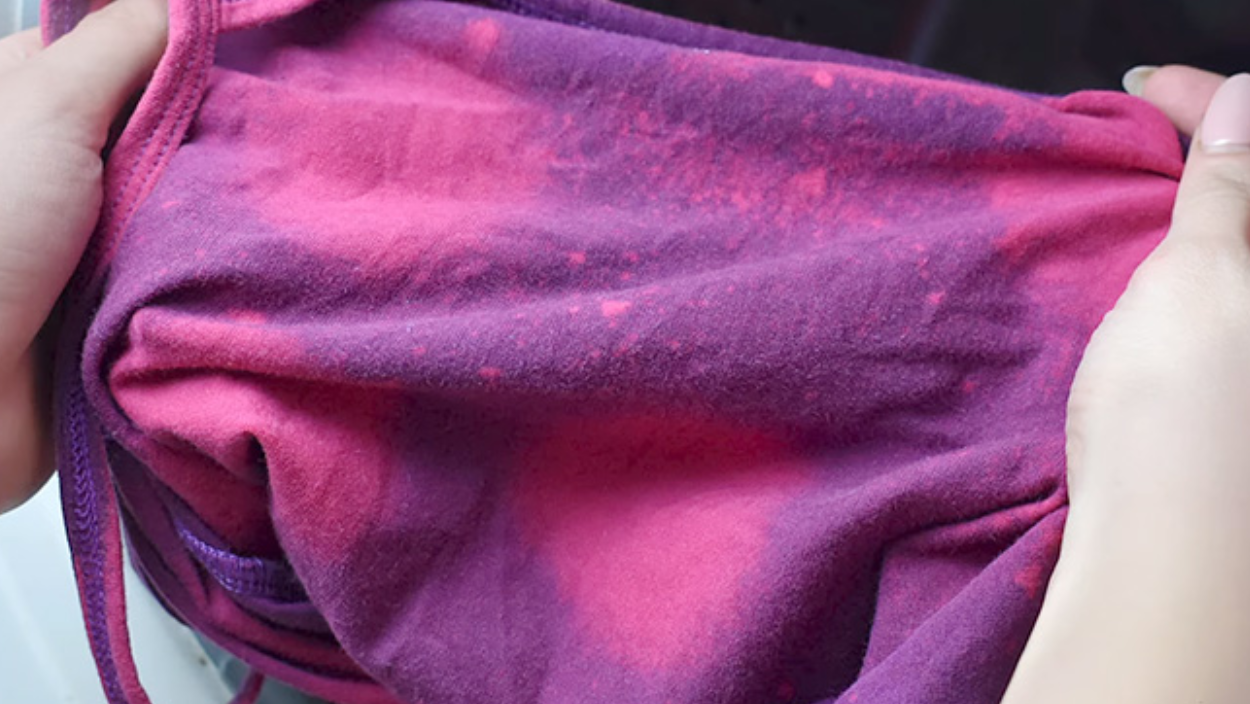
- Faster color fading
- Fabric pilling
- Gradual fiber wear
- Loss of garment shape
- Increased stress on buttons, drawstrings, zippers, and decorative details
This does not mean that top load washing machines immediately damage clothing. However, users who frequently wash delicate fabrics or expensive garments may notice these effects after prolonged use.
5.3. Which Washing Machine Protects Clothes Better?
When it comes to preserving fabric quality and extending the lifespan of clothing, front load washing machines generally have the advantage.
Their gentle tumbling motion reduces friction, minimizes tangling, and helps prevent unnecessary wear throughout repeated wash cycles.
Top load washing machines remain an excellent solution for everyday laundry and offer dependable cleaning performance. However, their stronger mechanical action places greater stress on fabrics over time.
For households that frequently wash delicate garments, business attire, luxury fabrics, or clothing that requires extra care, investing in a front load washing machine is often the better long-term choice.
6. Price Comparison
Price is one of the most important factors to consider when choosing between a front load vs top load washing machine.
In general, top load washing machines are more affordable, making them an attractive option for households with limited budgets or those looking for a simple solution for everyday laundry.
On the other hand, front load washing machines typically come with a higher upfront cost because they are equipped with more advanced technologies, a wider variety of wash programs, and enhanced fabric care features.
However, the purchase price is only one part of the overall investment.
Thanks to their superior water efficiency, optimized wash cycles, and gentler treatment of clothing, front load washing machines can help reduce operating costs over time while extending the lifespan of your garments.
For this reason, many homeowners view a front load washer as a worthwhile long-term investment rather than simply comparing the initial purchase price.
Ultimately, choosing the right washing machine should involve evaluating not only the upfront cost but also your laundry habits, utility expenses, and long-term value.
7. Should You Choose a Front Load or Top Load Washing Machine?
There is no one-size-fits-all answer when deciding between a front load vs top load washing machine. The best option depends on your household’s priorities and daily laundry needs.
A top load washing machine may be the better choice if you prioritize:
- A lower purchase price
- Faster wash cycles
- Easy operation
- Basic everyday laundry needs
- The convenience of adding clothes during certain wash cycles
Conversely, a front load washing machine is often the better option if you value:
- Superior cleaning performance
- Greater water efficiency
- Better protection for clothing and delicate fabrics
- Advanced washing technologies
- Lower long-term operating costs
- Long-lasting performance and durability
By identifying what matters most to your household, you’ll be able to select a washing machine that delivers the best balance between performance, convenience, and cost.
When comparing a front load vs top load washing machine, it’s clear that each type offers its own set of advantages.
Top load washing machines stand out for their affordability, simple operation, and shorter wash cycles, making them a practical choice for families with basic laundry needs.
Meanwhile, front load washing machines are widely recognized for their superior cleaning performance, lower water consumption, advanced washing technologies, and gentler treatment of fabrics. Although they typically require a higher initial investment, their long-term efficiency and ability to better protect clothing often make them the preferred choice for many homeowners.
Before making your decision, consider your budget, household size, laundry frequency, available installation space, and the types of clothing you wash most often.
By carefully evaluating these factors, you can confidently choose the washing machine that best fits your lifestyle while maximizing performance, efficiency, and long-term value.
>>>> Read more: Why is baking soda considered a powerful helper in laundry care?
Green Laundry – the leading company in providing quality and professional laundry solutions in Vietnam
Email: greenlaundry@giatuixanh.com
Phone: 028 36 222 180
Fanpage: Giặt Ủi Xanh – Chuyên Giặt Ủi Công Nghiệp
Address: Lot A57/II-Lot 58/II, Road No. 2D, Vinh Loc Industrial Park, Binh Tan Ward, Ho Chi Minh City.