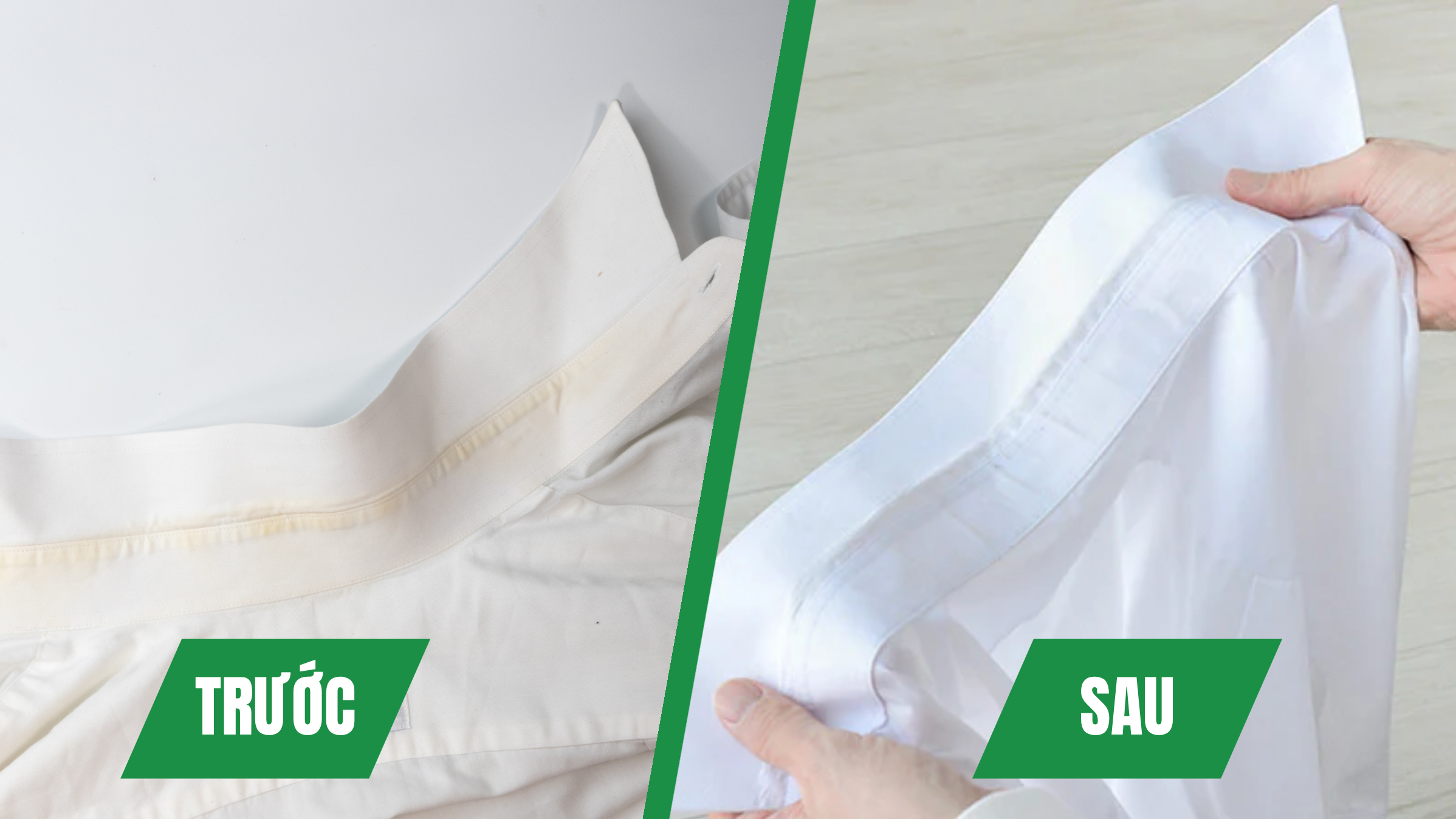
White shirts are among the most versatile and commonly worn garments in everyday life. However, after repeated use, many people notice that the collar gradually develops stubborn yellow stains that are difficult to remove. Even if the rest of the shirt remains bright white, a discolored collar can make the entire garment look worn, aged, and less presentable. Fortunately, removing yellow stains from white shirt collars is not as difficult as it may seem—provided that the stains are treated using the right methods and at the right time. In this article, we’ll explore the most common causes of yellow collar stains and share effective solutions to restore your white shirts while helping prevent the problem from recurring.
1. Why Do White Shirt Collars Develop Yellow Stains?
Before learning how to remove yellow stains from white shirt collars, it’s important to understand why this area becomes discolored more easily than other parts of the garment. In reality, the collar is in constant contact with the skin throughout the day. It is also regularly exposed to sweat, natural body oils, and dust from the surrounding environment.
If these substances are not completely removed during washing, they gradually build up within the fabric fibers and eventually form stubborn yellow stains that become increasingly difficult to eliminate.
Identifying the underlying cause not only helps you choose the most effective cleaning method but also plays an important role in preventing yellow stains from returning in the future.
1.1. Sweat Accumulates During Daily Wear
Sweat is one of the most common causes of yellow stains on white shirt collars. The area around the neck contains numerous sweat glands that remain active throughout the day, particularly during hot weather or after physical activity.
As you wear the shirt, sweat is absorbed directly into the collar fabric. If the garment is not washed promptly—or if the washing process fails to completely remove the accumulated residue—these substances gradually become trapped within the fibers.
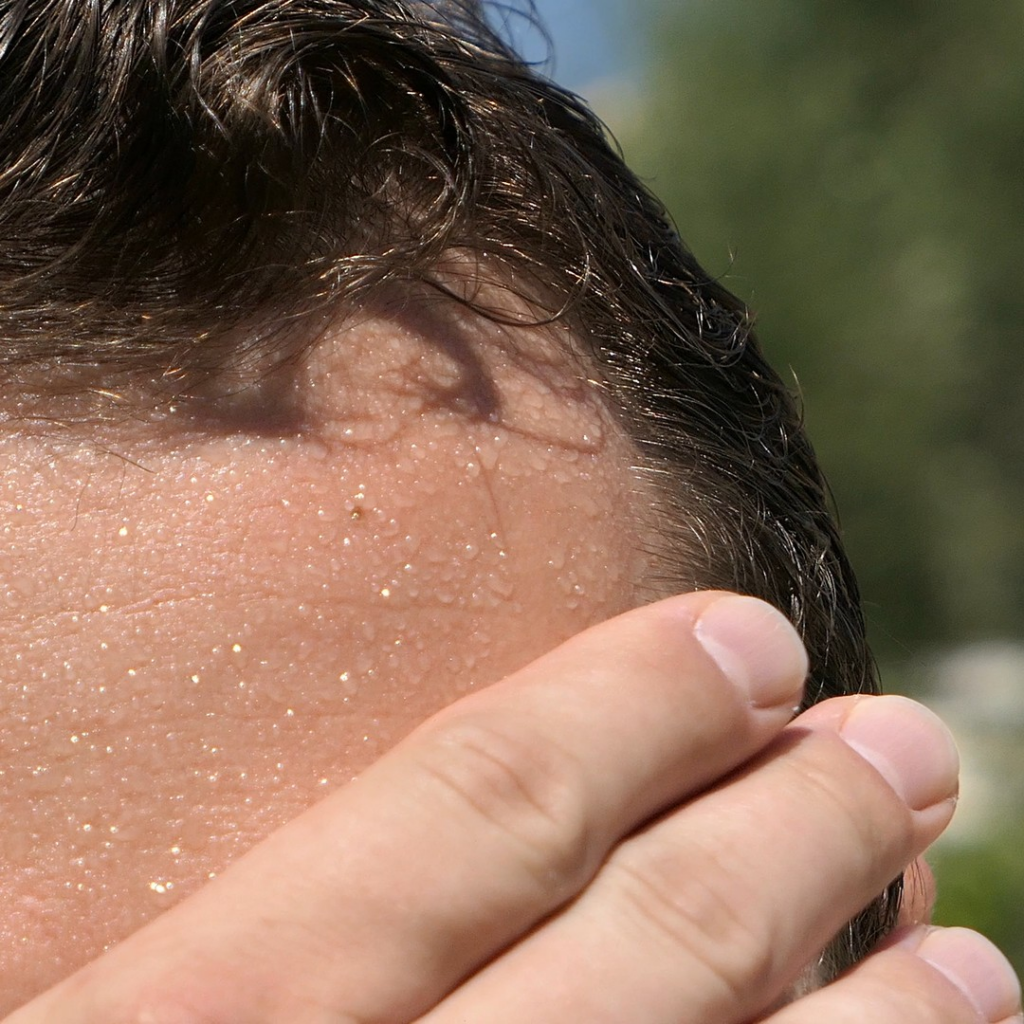
Over time, the remaining residue combines with the natural minerals found in sweat, forming increasingly noticeable yellow stains.This is also why many people find that the collar becomes discolored much faster than the rest of the shirt, even when the garment is washed regularly.
1.2. Natural Body Oils
In addition to sweat, the human body naturally produces oils that help keep the skin healthy and protected. While wearing a shirt, these natural oils are easily transferred to the collar because the neckline remains in constant contact with the skin.
At first, this oily residue is usually invisible to the naked eye. However, when it combines with airborne dust and other impurities, it gradually forms a layer of buildup deep within the fabric fibers. After repeated wear, this buildup accumulates and causes the collar to develop yellow or dull-looking stains.
People with naturally oily skin or those who spend a great deal of time outdoors often experience this problem more quickly and may need to clean their shirt collars more thoroughly after each use.
1.3. Improper Washing Techniques
Many people simply place all of their laundry into the washing machine without giving extra attention to areas that tend to collect the most dirt, such as collars and cuffs. Although washing machines are capable of removing most everyday dirt, they may not completely eliminate the sweat, body oils, and grime that accumulate deep within these high-contact areas.
Over time, any remaining residue continues to build up inside the fabric, eventually resulting in stubborn yellow stains. In addition, using too little detergent, selecting an inappropriate wash cycle, or choosing a cycle that is too short can all reduce cleaning performance and make shirt collars more likely to become discolored.
1.4. Storing Clothes in Damp Conditions
Humidity is often overlooked, yet it can have a significant impact on the appearance of yellow stains on clothing. When clothes are stored before they have completely dried—or when they are kept in damp, poorly ventilated environments—the remaining moisture creates favorable conditions for bacteria and mold to grow.
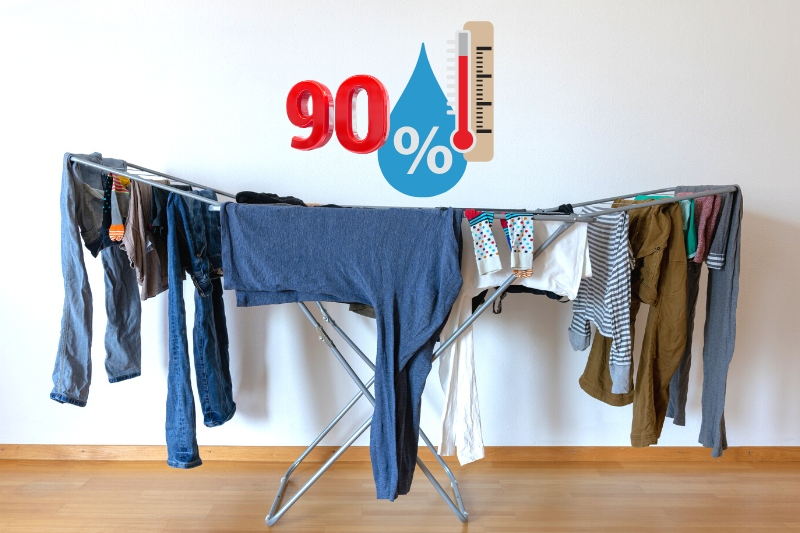
Over time, these microorganisms may cause yellow spots, unpleasant odors, or general discoloration on the fabric. These signs are especially noticeable on white clothing, where even slight color changes become much more visible than on darker fabrics.
To reduce the risk of developing yellow stains on shirt collars, always make sure clothing is completely dry before placing it in a wardrobe or storage area. Keeping garments in a clean, dry, and well-ventilated environment is one of the simplest yet most effective ways to preserve both their appearance and durability over time.
2. Why Should Yellow Collar Stains Be Treated as Soon as Possible?
Many people pay little attention when they first notice faint yellow stains appearing on their shirt collars and continue wearing their clothes as usual. However, this is one of the main reasons why removing yellow stains from white shirt collars becomes increasingly difficult over time.
In reality, yellow stains do not appear overnight. They develop gradually as sweat, body oils, and dirt accumulate within the fabric fibers. During the early stages, these contaminants remain on or near the surface of the fabric, making them relatively easy to remove. However, if left untreated for too long, they gradually penetrate deeper into the fibers, oxidize, and eventually form stubborn stains that are much harder to eliminate.
This is why newly formed stains are generally much easier to remove than stains that have been left untreated for weeks or even months.
Treating yellow stains early not only improves cleaning effectiveness but also offers several additional benefits for both your clothing and your daily laundry routine.
2.1. Easier Cleaning
When yellow stains first begin to develop, the dirt and oils have not yet bonded tightly to the fabric fibers. As a result, they can usually be removed using standard laundry methods without requiring strong cleaning agents or complicated stain-removal techniques.
In contrast, older stains often require more time and effort to remove. In some cases, the cleaning process must be repeated several times before satisfactory results can be achieved.
2.2. Saves Time During Laundry
One of the most obvious benefits of treating stains early is the time it saves.
When stains have not yet penetrated deeply into the fabric, they can be removed much more quickly, reducing the need for prolonged soaking, excessive scrubbing, or multiple wash cycles.
This is especially beneficial for people who regularly wear white dress shirts, uniforms, or other garments that need to maintain a clean and professional appearance.
2.3. Reduces the Need for Harsh Chemicals
Once yellow stains become deeply embedded in the fabric, many people resort to chlorine bleach or other powerful stain-removal products.
Although these products can be effective, frequent use may gradually affect the quality and durability of the fabric fibers.
Treating stains as soon as they appear reduces the need for harsh chemicals, helping to protect your clothing while still achieving excellent cleaning results.
2.4. Helps Preserve Fabric Durability
Aggressive scrubbing and repeated exposure to strong cleaning chemicals can cause fabric fibers to wear out more quickly.
Over time, shirt collars may become fuzzy, faded, or less durable than they were originally.
By removing stains early with gentler cleaning methods, clothing is exposed to less stress, helping maintain fabric quality and extend the lifespan of your garments.
2.5. Keeps White Shirts Looking Brighter for Longer
For white shirts, keeping the collar clean plays an important role in maintaining the garment’s overall appearance.
Even if the rest of the shirt remains bright white, a single yellowed collar can make the entire garment look old, worn, and less attractive.
Treating the first signs of yellow discoloration helps white shirts maintain their brightness for longer while reducing the risk of stubborn stains that become difficult—or even impossible—to restore in the future.
For these reasons, laundry care professionals always recommend inspecting shirt collars regularly and treating yellow stains as soon as they appear.
This simple habit makes removing yellow stains from white shirt collars much easier while helping preserve the quality, appearance, and longevity of your clothing.
3. Effective Ways to Remove Yellow Stains from White Shirt Collars at Home
Once you understand the causes of yellow stains, choosing the appropriate cleaning method becomes much easier. The right approach not only improves stain-removal results but also helps protect the quality of your clothing.
Depending on the severity of the stain, you can try one of the following methods to remove yellow stains from white shirt collars.
3.1. Use the Right Laundry Detergent
This is one of the simplest and most effective methods for treating newly formed yellow stains.
In many cases, shirt collars only begin to show slight discoloration caused by the gradual buildup of sweat and body oils. When treated promptly, these stains can often be removed using a quality laundry detergent without the need for additional cleaning agents.
Before washing, apply a small amount of detergent directly to the stained collar.
Then, gently rub the area with your fingers or use a soft-bristled brush to help the detergent penetrate the fabric fibers.
Allow the detergent to sit for approximately 10–15 minutes before washing the garment as usual.
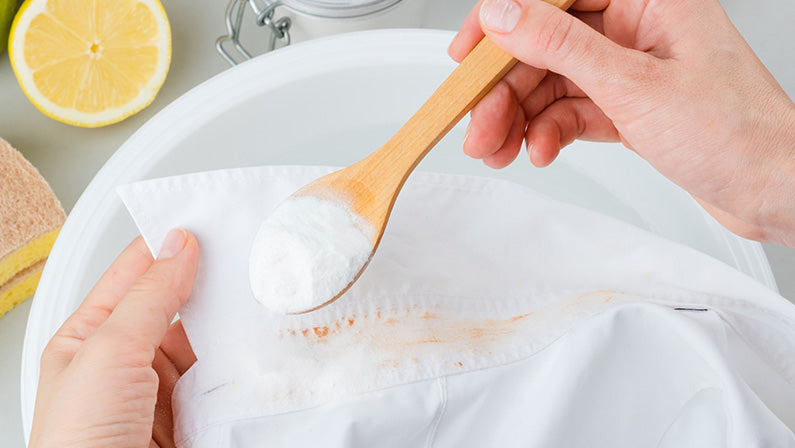
This waiting period allows the detergent’s cleaning agents to break down accumulated dirt, body oils, and other residues trapped within the collar, resulting in more effective stain removal.
For white shirts that are washed regularly, this is one of the easiest yet most effective methods for removing yellow collar stains.
3.2. Use Baking Soda
Baking soda is a common household ingredient that is well known for its gentle yet effective cleaning properties. Because it cleans without being overly abrasive, baking soda is frequently used to remove stains from clothing while minimizing damage to fabric fibers.
To use this method, mix baking soda with a small amount of water until it forms a thick paste. Apply the paste evenly to the yellow-stained collar and leave it in place for 20–30 minutes.
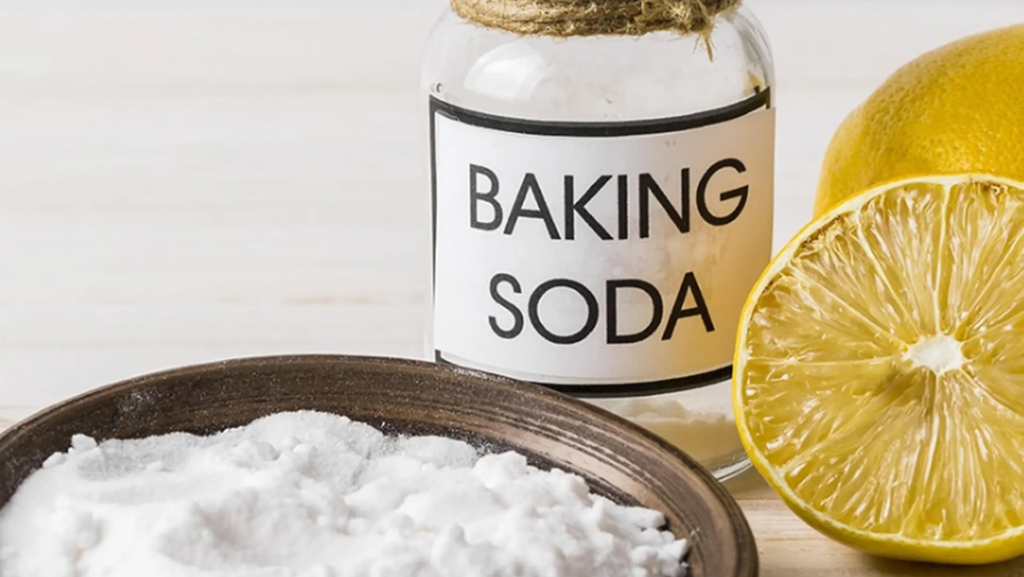
After soaking, gently scrub the fabric using a soft brush before rinsing thoroughly or washing the garment according to your normal laundry routine. This method is generally suitable for light to moderate yellow stains. In addition to helping remove stains, baking soda can also neutralize unpleasant odors, leaving clothes feeling fresher after washing.
3.3. Combine Baking Soda and White Vinegar
If yellow stains have been present for a long time or have become deeply embedded in the fabric, combining baking soda with white vinegar may provide better cleaning results.
When these two ingredients are used together, they create a reaction that helps loosen accumulated dirt and residue from both the surface and the inner fibers of the fabric.
This is a popular home remedy for treating shirt collars that have developed noticeable yellow discoloration.
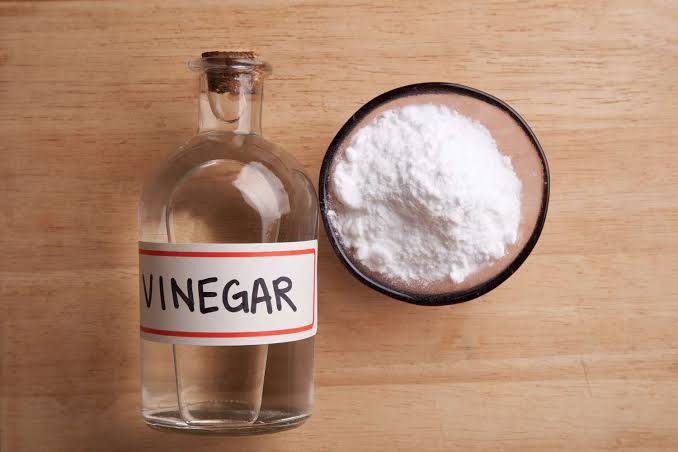
After preparing the mixture, apply it directly to the stained area and leave it for approximately 15–20 minutes. Next, gently scrub the collar with a soft brush before rinsing thoroughly with clean water. To protect your clothing—especially colored garments or fabrics made from delicate materials—it is recommended to test the mixture on a small, inconspicuous area first. Doing so helps reduce the risk of unwanted changes to the fabric’s color or texture.
3.4. Use Oxygen Bleach
For white shirts with long-standing yellow stains—or when conventional cleaning methods have not produced the desired results—oxygen bleach can be an effective solution.
Unlike some harsh bleaching agents, oxygen bleach is specifically formulated to help remove stains while minimizing the risk of damaging fabric fibers. It is commonly used to treat stains on white shirts, towels, and other light-colored textiles.
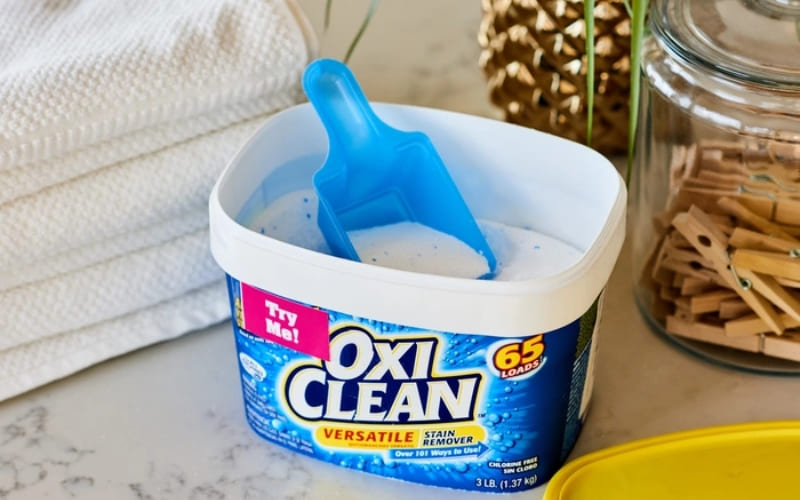
When used correctly, oxygen bleach offers several benefits, including:
- Helping remove stubborn yellow stains.
- Making white clothing look brighter after washing.
- Reducing the risk of damaging fabric fibers.
- Helping garments maintain a clean and fresh appearance.
However, each oxygen bleach product has its own instructions for use. To achieve the best results, always read the manufacturer’s directions carefully and follow the recommended dosage.
3.5. Soak Clothes Before Washing
One simple yet often overlooked step in removing yellow stains from white shirt collars is soaking clothes before washing. Soaking gives the cleaning solution more time to penetrate the fabric fibers, helping soften accumulated dirt, body oils, and long-standing residue.
Depending on the severity of the stain, the recommended soaking time is generally 20 to 30 minutes. For light stains, this amount of time is usually sufficient to improve cleaning performance. More stubborn stains, however, may require soaking in combination with other stain-removal methods for optimal results.
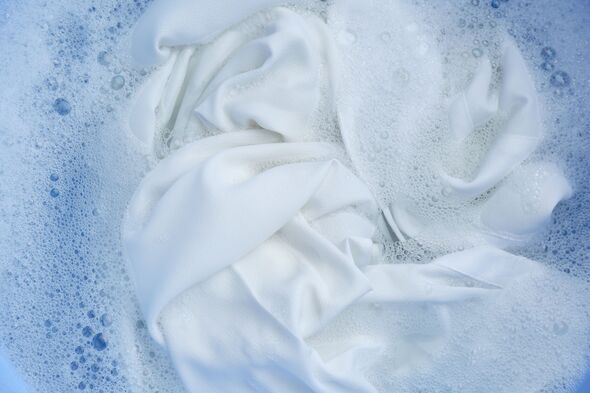
Although soaking can improve washing performance, garments should not be left in the solution for an excessive amount of time.
Soaking clothes for several hours may affect the color or reduce the durability of certain fabrics, particularly delicate materials.
For the best results, choose an appropriate soaking time and combine it with suitable cleaning methods. This approach helps remove yellow stains from white shirt collars effectively while preserving the quality and longevity of your clothing.
4. How to Prevent Yellow Stains on Shirt Collars
Although there are many effective ways to remove yellow stains from white shirt collars, preventing stains from developing in the first place is always the easiest and most time-saving solution.
By adopting proper laundry habits and storing clothing correctly, you can significantly reduce the risk of yellow stains while keeping your white shirts looking bright and clean for much longer.
4.1. Wash Shirts Promptly After Wearing
One of the main reasons shirt collars develop yellow stains is that sweat and body oils remain on the fabric for too long. For this reason, it’s best to wash your clothes as soon as possible after wearing them, especially during hot weather or after physical activity.
Many people leave dirty clothes in the laundry basket for several days—or even an entire week—before washing them. During this time, sweat, body oils, and dirt gradually penetrate deeper into the fabric, making yellow stains much more difficult to remove. Washing shirts promptly not only improves overall cleanliness but also greatly reduces the likelihood of yellow discoloration developing around the collar.
4.2. Pay Extra Attention to the Collar During Every Wash
The collar is one of the areas that comes into constant contact with the skin, making it more likely to accumulate sweat and body oils than other parts of the shirt. As a result, washing the entire garment as usual may not always remove all of the residue trapped in this high-contact area. When washing white shirts, take a few extra moments to inspect and treat the collar separately.
Applying a small amount of laundry detergent directly to the collar before washing—or gently scrubbing it with a soft brush—can significantly improve cleaning performance. This simple habit helps prevent dirt from building up over time and greatly reduces the need to remove yellow stains from white shirt collars later.
4.3. Dry Clothes Properly
After washing, clothes should be dried completely before being worn or stored. Moisture left inside the fabric creates favorable conditions for bacteria and mold growth, which can eventually lead to yellow stains and unpleasant odors.
To help clothes dry more quickly and evenly, hang them in a well-ventilated area with good airflow, avoiding damp or poorly lit spaces. Proper drying is especially important for white shirts, as it helps maintain their brightness while preventing musty odors during storage.
4.4. Store Clothes in a Dry, Well-Ventilated Place
Even after clothes have been thoroughly cleaned, improper storage can cause yellow stains to develop over time. Closets located in humid environments are more likely to encourage mold growth, unpleasant odors, and fabric discoloration.
To reduce these risks, keep your wardrobe clean, dry, and well ventilated. Opening the closet regularly to improve air circulation or using moisture absorbers in humid environments can help protect your clothing. Proper storage not only keeps white shirts looking clean and fresh but also helps extend the lifespan of the fabric.
4.5. Maintain Good Personal Hygiene
In addition to proper washing and storage habits, personal hygiene also plays an important role in preventing yellow collar stains. Throughout the day, sweat, body oils, and dirt from the skin are easily transferred onto clothing, particularly around the neck area. Bathing regularly, keeping your skin clean, and avoiding prolonged sweat buildup can significantly reduce the amount of residue that comes into contact with your clothes.
People who spend a lot of time outdoors or naturally perspire more should pay extra attention to cleaning the neck area and changing clothes promptly after physical activity. These simple habits can greatly reduce the likelihood of shirt collars becoming yellow over time.
Overall, preventing yellow stains does not require complicated techniques. By maintaining simple habits such as washing shirts promptly, paying extra attention to the collar during laundering, drying garments completely, and storing them properly, you can greatly reduce the risk of yellow stains while keeping your white shirts looking clean, bright, and durable for years to come.
5. When Should You Use a Professional Laundry Service?
Not every yellow stain can be removed easily at home.
Professional laundry services may be the better option in situations such as:
- Yellow stains that have been present for a long time.
- Premium or high-quality white shirts.
- Uniforms that must maintain a clean and professional appearance.
- Garments made from delicate or specialty fabrics.
Professional laundry providers typically use specialized cleaning procedures tailored to different types of stains and fabric materials. This helps improve stain-removal results while minimizing the risk of damaging your clothing.
Yellow stains on white shirt collars are a common problem that many people encounter during everyday wear.
In most cases, these stains are caused by the gradual buildup of sweat, body oils, dirt, or improper laundry habits.
Fortunately, removing yellow stains from white shirt collars becomes much easier when stains are treated promptly using the appropriate cleaning methods.
At the same time, developing good laundry and garment care habits is one of the most effective ways to prevent yellow stains from returning.
A clean, bright white shirt not only enhances your overall appearance but also helps you project confidence and professionalism in both your personal and professional life.
>>>> Read more: Why is baking soda considered a powerful helper in laundry care?
Green Laundry – the leading company in providing quality and professional laundry solutions in Vietnam
Email: greenlaundry@giatuixanh.com
Phone: 028 36 222 180
Fanpage: Giặt Ủi Xanh – Chuyên Giặt Ủi Công Nghiệp
Address: Lot A57/II-Lot 58/II, Road No. 2D, Vinh Loc Industrial Park, Binh Tan Ward, Ho Chi Minh City.