Bath towels come into direct contact with your skin every day, yet many people overlook the importance of cleaning and replacing them regularly. Even if a towel still looks intact, it can accumulate bacteria, mold, and dirt over time if it is not properly cared for. So, when should you replace bath towels? What are the signs that indicate it’s time to get a new one? Understanding the answers to these questions can help you maintain better towel hygiene and protect the health of everyone in your household.
1. Why Is It Important to Replace Bath Towels Regularly?
Bath towels come into direct contact with your skin after every shower or bath and are typically used every day. As they dry your body, towels absorb not only water but also sweat, body oils, dead skin cells, and other impurities left on the skin.
After each use, if a towel is not washed regularly or allowed to dry completely, the remaining moisture trapped within the fibers creates an ideal environment for bacteria, mold, and other microorganisms to grow. Hanging towels in enclosed bathrooms with poor ventilation or leaving them damp for extended periods can accelerate this process.
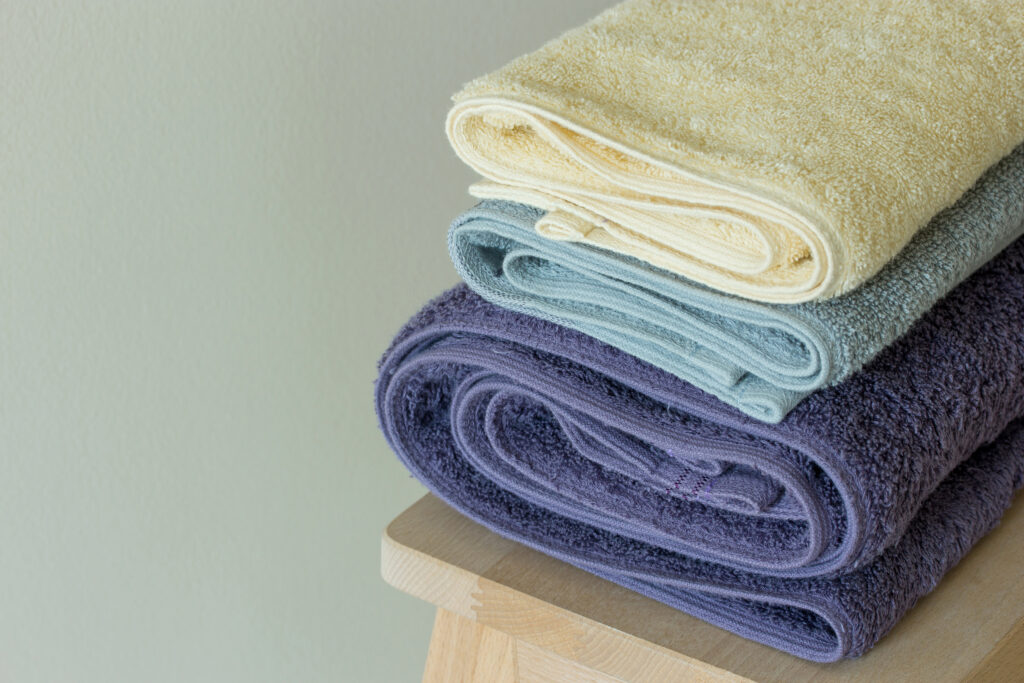
Over time, even if a towel still appears to be in good condition and shows no obvious signs of damage, its fibers may already contain large numbers of microorganisms that are invisible to the naked eye. Continuing to use the same towel for too long may reduce its hygiene, contribute to unpleasant odors, increase the risk of skin irritation, and make it less comfortable to use.
In addition, repeated washing gradually wears down the towel’s fibers. As a result, towels may become rougher, lose their softness, and absorb water less effectively than when they were new. This is another important reason why you should not keep using the same towel indefinitely without replacing it.
Replacing bath towels regularly offers several practical benefits, including:
- Reducing the buildup of bacteria, mold, and other microorganisms within the fabric.
- Lowering the risk of skin irritation, especially for children and people with sensitive skin.
- Maintaining the towel’s softness and absorbency.
- Providing a cleaner and more comfortable drying experience after every shower.
- Supporting better personal hygiene and helping protect the health of the entire family.
For these reasons, knowing when to replace bath towels is not only essential for preserving towel quality but also an important habit for maintaining good hygiene and supporting overall health.
2. How Often Should You Replace Bath Towels?
There is no single replacement schedule that applies to everyone. When to replace bath towels depends on several factors, including how often they are used, the quality of the towel, washing habits, and how well they are cared for after each use.
For households that use towels daily while washing and drying them properly, many experts recommend replacing bath towels approximately every one to two years. This time frame is generally considered appropriate for maintaining absorbency, softness, and proper hygiene.
However, towels that are used multiple times a day, frequently exposed to humid environments, or not properly maintained may wear out much sooner. In these situations, replacing towels earlier may be necessary to ensure they remain hygienic and comfortable to use.
On the other hand, towels used less frequently, washed regularly, dried thoroughly, and stored in a clean, dry place may last longer. Even so, keeping towels for too many years is not recommended because fabric fibers naturally deteriorate over time, regardless of how carefully they are maintained.
Rather than relying solely on how many months or years a towel has been used, it’s also important to evaluate its actual condition.
If your towel begins to:
- Lose its absorbency,
- Develop unpleasant odors even after washing,
- Feel rough or stiff,
- Show visible stains or mold that cannot be removed,
then it is likely time to replace it, even if it has not yet reached the typical one-to-two-year lifespan.
Ultimately, time is only one factor in determining when to replace bath towels. By considering both the towel’s age and its overall condition, you can make a better decision about when to replace it, helping maintain personal hygiene and protect your family’s health.
3. Signs It’s Time to Replace Your Bath Towels
Many people only replace their bath towels when they become torn or unusable. In reality, however, a towel may no longer be hygienic or perform effectively long before visible damage appears. Besides considering how long you’ve been using it, you should also watch for the following signs to determine when to replace bath towels.
3.1. The Towel Develops an Unpleasant Odor Even After Washing
This is one of the easiest signs to recognize. A properly washed and thoroughly dried bath towel should smell fresh and clean. If your towel continues to have a musty, damp, or unpleasant odor even after being washed correctly, bacteria, mold, or other microorganisms may have accumulated deep within the fabric fibers.
Over time, these contaminants can penetrate the towel’s structure, making them difficult to remove through regular washing. Besides creating an unpleasant experience, they can also reduce the towel’s hygiene and potentially irritate the skin, especially for people with sensitive skin. If you’ve washed and dried your towel properly but the odor still remains, it’s probably time to replace it.
3.2. The Towel Becomes Rough and Loses Its Absorbency
A high-quality bath towel should absorb water quickly while feeling soft and comfortable against your skin. However, after prolonged use, fabric fibers naturally wear down and may accumulate residues from laundry detergent, fabric softener, and minerals found in hard water. These deposits can make the towel feel stiff, heavier, and significantly less absorbent.
When a towel no longer dries your body efficiently, you’ll likely need to wipe yourself several times before getting dry, making it far less comfortable to use. If the towel’s absorbency doesn’t improve despite proper washing and care, you should consider replacing it to maintain both comfort and hygiene.
3.3. The Fabric Fibers Become Frayed or Damaged
Regular use and repeated washing gradually weaken the towel’s fibers.
Common signs of wear include:
- Excessive lint or pilling.
- Frayed or torn edges.
- Loose or broken stitching.
- A noticeably thinner texture than when the towel was new.
As these signs appear, the towel’s ability to absorb moisture usually declines as well. Damaged towels are also more likely to tear further during everyday use or future wash cycles. Continuing to use a worn-out towel not only reduces comfort but may also make it more difficult to clean thoroughly after each wash. Replacing the towel at this stage is the best way to maintain both performance and hygiene.
3.4. Stains or Mold Begin to Appear
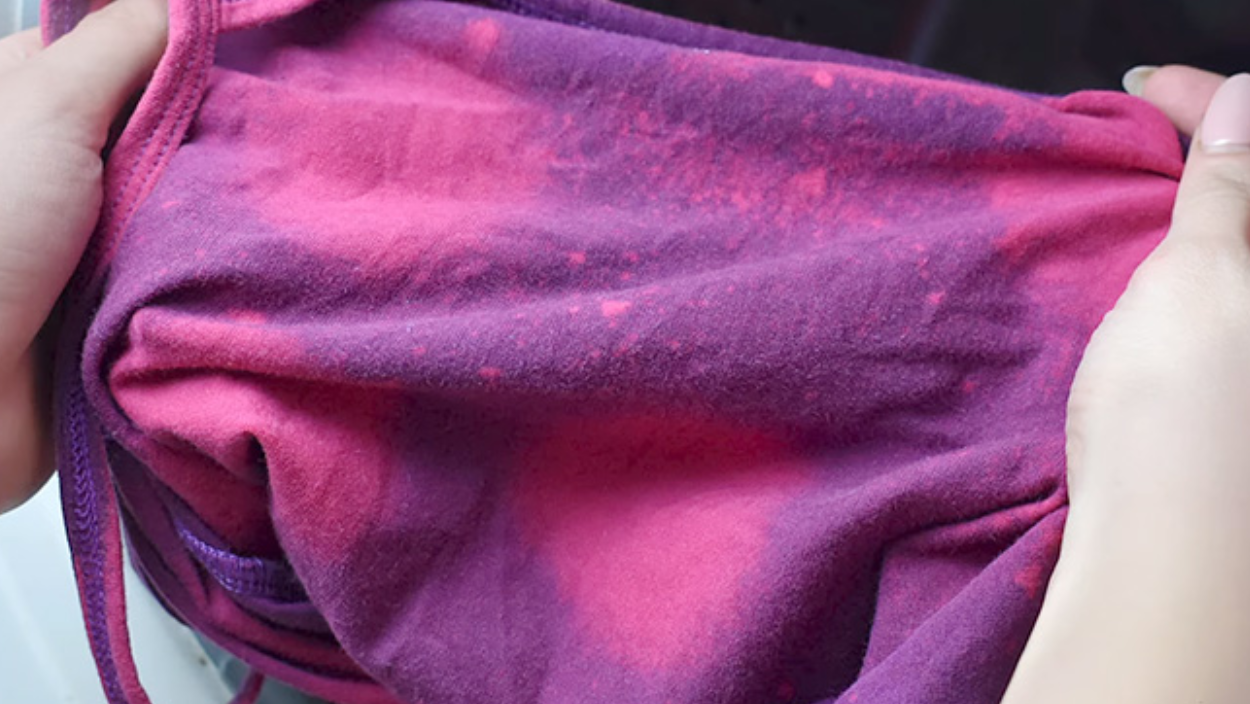
If yellow stains, black spots, or visible mold begin to appear on your bath towel, they should not be ignored. In many cases, these stains cannot be completely removed even after washing with hot water or using specialized cleaning products. This often indicates that the towel’s fibers have deteriorated and no longer provide the same level of cleanliness as before.
Continuing to use a moldy or heavily stained towel may increase exposure to bacteria and fungi, particularly for children, older adults, and people with sensitive skin. Instead of trying to extend the life of a towel that has clearly deteriorated, replacing it is the safer choice for maintaining good hygiene and protecting your health.
4. Habits That Cause Bath Towels to Wear Out Faster
Besides age, the way you wash, dry, and care for your towels plays a major role in determining their lifespan. A high-quality towel can remain soft and absorbent for years when properly maintained. On the other hand, seemingly harmless daily habits can significantly shorten its lifespan, causing you to replace bath towels sooner than expected. Below are some of the most common mistakes.
4.1. Not Washing Towels Frequently Enough
Many people only wash their towels once they notice an unpleasant odor or visible stains. However, after every use, towels absorb moisture, sweat, body oils, and dead skin cells.
If the same towel continues to be used for several days without washing, these substances accumulate within the fibers and create an ideal environment for bacteria and mold growth. This not only reduces the towel’s quality but may also affect personal hygiene. To keep bath towels clean, they should generally be washed after every three to four uses, or even sooner if they remain damp for long periods or become visibly dirty.
4.2. Drying Towels in Damp Areas
After use or washing, towels should be completely dry before they are reused or stored. However, many households simply hang towels inside the bathroom, where humidity is high and airflow is limited.
Under these conditions, towels dry much more slowly, allowing bacteria and mold to grow more easily. To extend the life of your bath towels, dry them in a well-ventilated area with plenty of natural sunlight or good airflow. Allowing towels to dry quickly not only helps prevent unpleasant odors but also keeps them cleaner and in better condition over time.
4.3. Using Too Much Fabric Softener
Fabric softener helps towels feel softer and smell pleasant. However, when used excessively or too frequently, fabric softener can leave a thin coating on the towel’s fibers. This coating reduces absorbency—the most important feature of any bath towel.
Over time, towels may feel smooth but become less effective at drying your body because they absorb much less water. For best results, use fabric softener only in the amount recommended by the manufacturer. Reducing how often you use fabric softener can also help towels retain their natural absorbency and last longer.
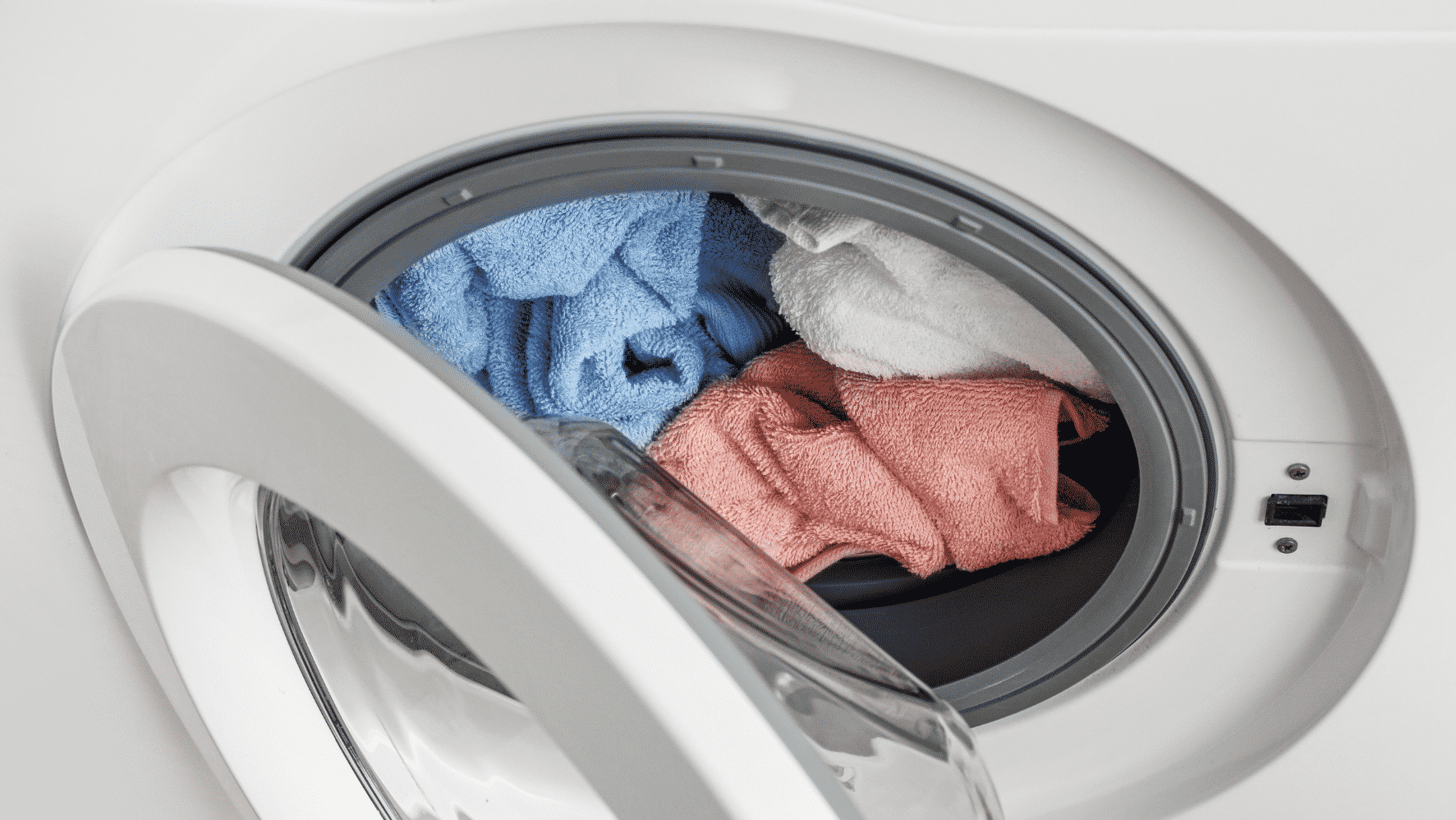
4.4. Washing Towels Together with Dirty Clothing
Another common mistake is washing bath towels together with heavily soiled clothing, work uniforms, or garments covered in dirt and debris. During the wash cycle, dirt, bacteria, and lint from these items can transfer onto the towels, reducing cleaning effectiveness and accelerating fabric wear.
Likewise, washing towels together with clothing that has zippers, metal buttons, or other hard accessories may cause towel fibers to snag, fray, or tear after repeated washes. To maintain towel quality, sort towels before washing whenever possible. Wash them separately or together with similarly soft fabrics that have comparable levels of dirt. Choosing an appropriate wash cycle can also minimize mechanical stress on the fibers, helping towels remain soft, absorbent, and durable for much longer.
5. How to Extend the Lifespan of Your Bath Towels
Although replacing bath towels regularly is important, you can significantly extend their lifespan by taking proper care of them.
Here are some simple practices to help keep your towels clean, soft, and highly absorbent:
- Wash bath towels after every three to four uses, or sooner if they become visibly dirty.
- Dry towels in a well-ventilated area with plenty of natural sunlight whenever possible.
- Avoid leaving damp towels hanging in the bathroom for extended periods.
- Use the recommended amount of laundry detergent and fabric softener.
- Wash towels separately or sort them before washing.
- Replace towels as soon as they begin showing clear signs of wear or deterioration.
These simple habits help maintain towel hygiene, preserve softness, and ensure your towels continue to absorb moisture effectively throughout their lifespan.
6. Should You Share Bath Towels with Other People?
Sharing bath towels is generally not recommended, even among family members.
During normal use, towels collect dead skin cells, body oils, bacteria, and other microorganisms from the user’s body. When multiple people use the same towel, the risk of transferring bacteria, fungi, and other skin-related microorganisms increases.
Although healthy individuals may not always experience immediate problems, sharing towels can increase the possibility of skin irritation or the spread of certain skin infections, particularly among children, older adults, or people with weakened immune systems.
For better personal hygiene, each family member should have their own bath towel and replace bath towels at the appropriate time. This simple habit not only helps protect personal health but also improves towel hygiene and extends the overall quality of each towel.
Bath towels are essential household items used every day, but they can also become breeding grounds for bacteria if they are not cleaned and replaced regularly. Knowing when to replace bath towels helps maintain their cleanliness, softness, and absorbency while supporting healthier hygiene habits for everyone in the household.
In addition to replacing towels at the right time, proper washing, drying, and storage are equally important. A clean, dry, and well-maintained towel provides a more comfortable drying experience after every shower while contributing to better personal hygiene and long-term health.
>>>> Read more: Why is baking soda considered a powerful helper in laundry care?
Green Laundry – the leading company in providing quality and professional laundry solutions in Vietnam
Email: greenlaundry@giatuixanh.com
Phone: 028 36 222 180
Fanpage: Giặt Ủi Xanh – Chuyên Giặt Ủi Công Nghiệp
Address: Lot A57/II-Lot 58/II, Road No. 2D, Vinh Loc Industrial Park, Binh Tan Ward, Ho Chi Minh City.