How to Remove Ballpoint Pen Ink from Clothes Without Damaging the Fabric
Ballpoint pen ink stains can be frustrating if they are not treated properly. Learn why ink stains are difficult to remove, effective ways to clean them, and important tips for protecting your fabrics throughout the cleaning process.
1. Why Are Ballpoint Pen Ink Stains Difficult to Remove?
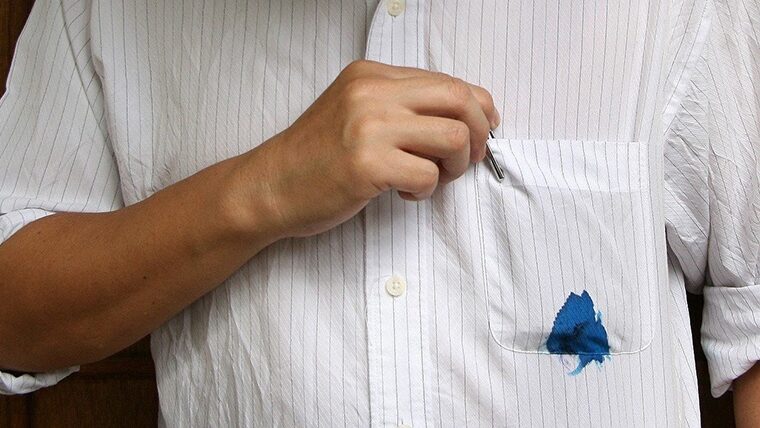
Ballpoint pen ink stains are a common problem during work, school, or everyday activities. A leaking pen inside a shirt pocket, pants pocket, or bag—or even accidental contact with freshly written ink—can quickly leave noticeable marks on clothing.
Unlike ordinary stains such as dirt or sweat, ballpoint pen ink contains a combination of pigments, solvents, and binding agents. Once absorbed into fabric fibers, these components adhere tightly to the textile structure, making the stain much more difficult to remove.
If treated incorrectly, the ink may spread further, penetrate deeper into the fabric, or leave permanent marks even after multiple washes. Choosing the appropriate cleaning method from the beginning greatly improves stain removal while helping preserve the quality of the garment.
2. What Should You Do Immediately After Discovering an Ink Stain?
Timing is one of the most important factors when dealing with ballpoint pen ink stains. The sooner the stain is treated, the greater the chance of removing it completely. If left untreated for too long, the ink has more time to penetrate the fabric, making removal increasingly difficult.
As soon as you notice the stain, avoid rubbing it aggressively, as this may spread the ink to surrounding areas. Instead, place the garment on a flat surface and gently blot the wet ink with a clean cloth or paper towel.
It is also recommended not to place the garment directly into the washing machine before pre-treating the stain. The agitation and heat generated during washing may cause the ink to set more firmly into the fabric fibers, making later removal more challenging.
3. How to Remove Ballpoint Pen Ink from Clothes
3.1. Identify the Fabric Type
Before treating the stain, determine the fabric type.
Cotton, polyester, denim, silk, wool, and synthetic fabrics each respond differently to chemicals and friction. Applying the same cleaning method to every material increases the risk of fading or damaging the fabric structure.
For delicate or valuable garments, always test the cleaning solution on a hidden area before treating the visible stain.
3.2. Blot Excess Wet Ink
If the ink stain is still fresh, gently blot the affected area using a paper towel or soft cloth.
Blotting removes some of the ink sitting on the surface before it penetrates deeper into the fabric. During this process, use gentle pressure and avoid rubbing back and forth, as doing so may spread the stain.
Although simple, this step significantly improves the overall stain removal process.
3.3. Use an Appropriate Cleaning Solution
After the initial treatment, use a stain-removal solution that is suitable for the specific fabric.
Today, many commercial stain removers are specially formulated for ink stains on clothing. Always follow the manufacturer’s instructions to achieve the best results.
If using common household products such as rubbing alcohol or specialized cleaning solutions, first test them on an inconspicuous area of the garment to reduce the risk of discoloration or fabric damage.
Selecting the right cleaning product helps remove ballpoint pen ink effectively while preserving fabric durability.
3.4. Wash the Garment with Laundry Detergent
Once the stain has faded significantly, wash the garment using an appropriate laundry detergent.
This step removes any remaining cleaning solution while thoroughly cleaning the fabric.
If traces of ink are still visible after washing, repeat the stain-removal process before drying the garment or exposing it to high heat.
Patience and proper treatment at each stage greatly increase the chances of completely removing the stain.
3.5. Inspect Before Drying
This is a step that many people overlook.
Before placing the garment in a dryer or hanging it to dry, carefully inspect the stained area to ensure the ink has been completely removed. If any traces remain, the high heat from drying may permanently set the stain into the fabric.
If necessary, repeat the cleaning process before drying the garment.
Developing this simple habit can significantly improve stain removal results and reduce the risk of permanent ink stains.
4. Common Mistakes to Avoid When Removing Ballpoint Pen Ink
Many people believe that scrubbing vigorously will remove ink more quickly. In reality, this often spreads the stain and makes it even harder to remove.
Some of the most common mistakes include:
Washing the Garment Immediately
Putting the garment directly into the washing machine before pre-treating the stain may cause the ink to spread to other areas while reducing cleaning effectiveness.
Scrubbing Too Hard
Excessive friction can damage fabric fibers, cause pilling, and force the ink deeper into the material.
Using Unsuitable Chemicals
Strong cleaning chemicals may cause fading or damage certain fabrics if used improperly.
Skipping the Spot Test
For colored garments or delicate fabrics, always test the cleaning solution on a hidden area first to minimize the risk of damage.
Drying Before the Stain Is Completely Removed
High drying temperatures can permanently set the ink into the fabric, making future stain removal much more difficult.
5. How Green Laundry Handles Stubborn Ink Stains
In commercial laundry operations, removing stubborn stains such as ballpoint pen ink requires treatment methods tailored to both the fabric type and the severity of the stain.
At Green Laundry, every textile is carefully inspected and sorted before treatment. Evaluating the fabric, color, and overall condition of each item allows our team to select the most appropriate cleaning method while minimizing the risk of fiber damage.
In addition, combining standardized operating procedures with advanced equipment and professional-grade cleaning chemicals improves the removal of difficult stains while helping maintain the quality and durability of textiles through repeated laundering.
When ballpoint pen ink stains clothing, treating the stain correctly from the very beginning significantly improves the chances of successful removal while protecting the garment.
Instead of scrubbing aggressively or applying random cleaning chemicals, it is best to choose a cleaning method that matches both the fabric type and the severity of the stain.
For older ink stains or delicate fabrics, following an appropriate treatment process helps reduce the risk of damage while preserving the garment’s appearance and durability. This is why professional laundry providers always begin by carefully inspecting each textile before selecting the most suitable stain-removal method.
>>>> Read more: Why is baking soda considered a powerful helper in laundry care?
Green Laundry – the leading company in providing quality and professional laundry solutions in Vietnam
Email: greenlaundry@giatuixanh.com
Phone: 028 36 222 180
Fanpage: Giặt Ủi Xanh – Chuyên Giặt Ủi Công Nghiệp
Address: Lot A57/II-Lot 58/II, Road No. 2D, Vinh Loc Industrial Park, Binh Tan Ward, Ho Chi Minh City.