Bedding is used almost daily but is often not cleaned as frequently as clothing. During use, bed sheets, pillowcases, and blankets can accumulate sweat, dirt, skin cells, and other impurities. If left unwashed for too long, bedding will not only develop unpleasant odors but also reduce the feeling of cleanliness and comfort during rest. So, how often should you wash your bedding? Do all blankets, sheets, and pillowcases need to be washed at the same frequency? Furthermore, the washing method is also important because incorrect washing can cause fading, deformation, or slow drying.
In this article, let’s explore the recommended washing times for different types of bedding, how to clean bedding at home, and situations where using a professional bedding cleaning service is advisable to save time and better care for your bedding.
1. Why Should You Wash Your Bedding Regularly?
Bedding is used almost every day, yet it is often not cleaned as frequently as clothing. During use, bed sheets, pillowcases, and blankets can accumulate sweat, dirt, dead skin cells, and other impurities. If they are left unwashed for too long, bedding can develop unpleasant odors and reduce the feeling of cleanliness and comfort while resting.
So, how often should you wash your bedding? Do blankets, bed sheets, and pillowcases all need to be washed at the same frequency? In addition, the way you wash your bedding also plays an important role. Using the wrong washing method can cause fabrics to fade, lose their shape, or take too long to dry.
In this article, let’s explore how often different types of bedding should be cleaned, how to clean bedding properly at home, and when you should consider using a professional bedding cleaning service to save time and take better care of your bedding.
2. How Often Should You Wash Your Bedding?
How Often Should You Wash Your Bed Sheets?
If you are wondering how often to wash your bed sheets, you can consider cleaning them about once a week or according to your actual level of use. Bed sheets come into direct contact with your body for long periods, so they generally need to be cleaned more frequently than blankets.
If the weather is hot, the bedroom is poorly ventilated, or you tend to sweat a lot, you may need to wash your bed sheets more often. On the other hand, with lighter use, you can adjust the cleaning schedule according to the actual condition of the sheets.
How Often Should You Wash Your Pillowcases?
Pillowcases come into direct contact with your hair, face, and sweat, so they should also be changed and washed regularly. If you use them every day, it is a good idea to replace and wash pillowcases frequently rather than waiting until they develop an odor or visible stains.
Changing pillowcases regularly is especially important if you tend to sweat while sleeping or use a lot of hair and skincare products before going to bed.
How Often Should You Wash Your Blanket?
Blankets generally have less direct contact with the skin than bed sheets and pillowcases, especially when an additional sheet or lightweight blanket is used. Therefore, blankets can usually be washed less frequently than bed sheets and pillowcases.
However, blankets still need to be cleaned regularly, especially when they develop an odor, collect dust, have visible stains, or have been used for a long time. Thick and large blankets can be difficult to wash at home because they absorb a significant amount of water and require plenty of space to dry.
3. How to Wash Your Bedding Properly at Home
If your bedding is a manageable size and the care label allows machine or water washing, you can wash it at home. However, before washing, always check the fabric type and the care instructions provided on the product.
First, remove the bed sheets, pillowcases, and blanket separately and inspect each item. If there are visible stains, pre-treat them before placing the items in the washing machine. Treating stains early can help prevent them from becoming deeply embedded in the fabric.
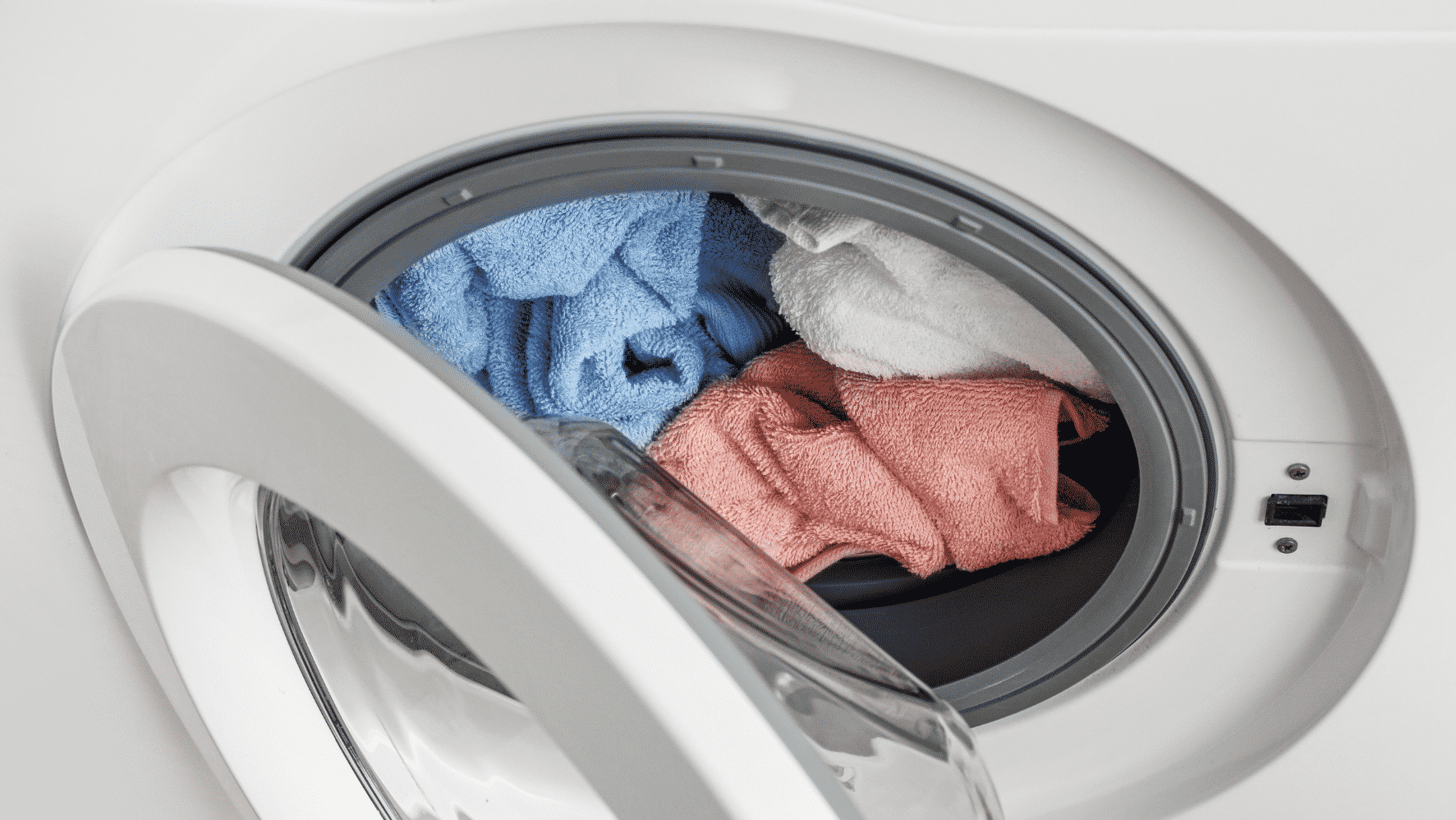
When washing bedding at home, avoid putting too many items into the washing machine at once. Blankets and bed sheets are large and need enough space for water and detergent to circulate evenly across the fabric. Overloading the washing machine can result in uneven cleaning and place additional strain on the appliance.
You should also choose a suitable laundry detergent and use an appropriate amount. Using more detergent does not necessarily mean your bedding will be cleaner. In fact, excess detergent residue can remain on the fabric and make it feel uncomfortable after washing.
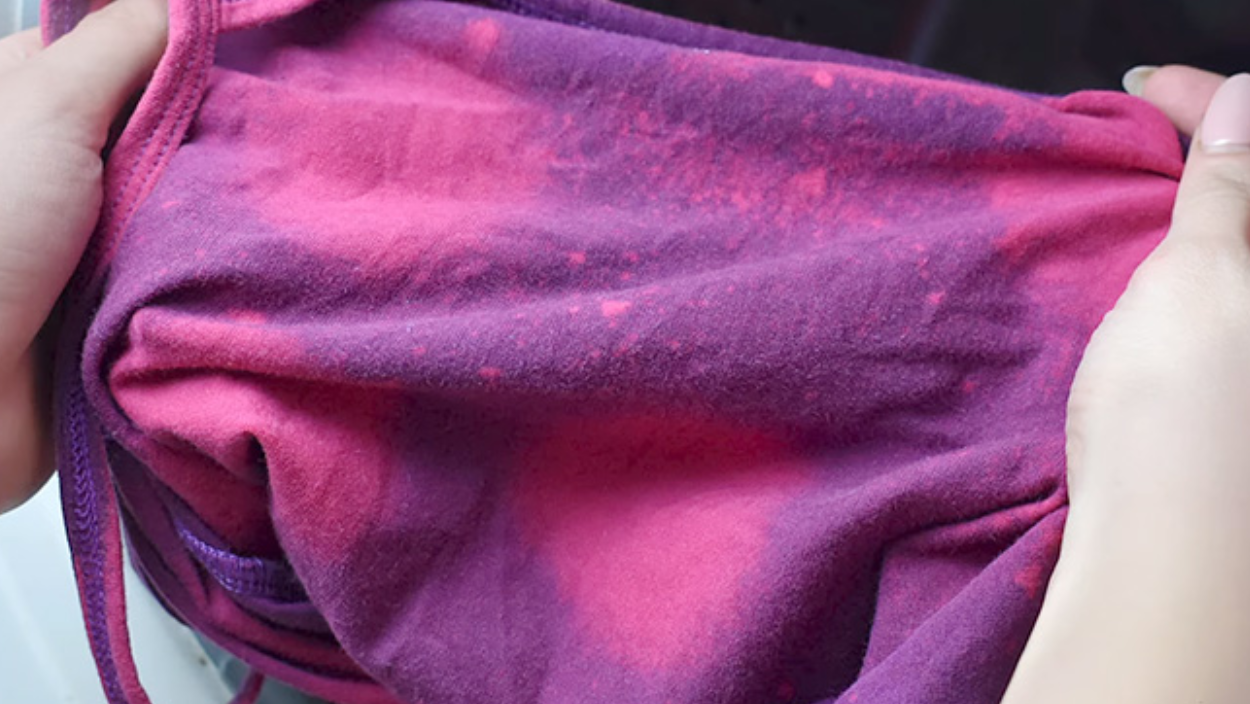
For bedding with special or dark colors, sort the items before washing to reduce the risk of color fading or bleeding. This is an important step in washing bed sheets and bedding thoroughly while maintaining their original color and quality.
4. How to Clean and Dry Your Bedding After Washing
After washing, drying is just as important as the cleaning process itself. If bedding remains damp for too long, it can develop unpleasant odors. Therefore, when cleaning your bedding, you should pay attention to both the washing and drying stages.
For bed sheets and pillowcases, gently shake them out after washing to spread the fabric evenly before hanging them to dry. This can also help reduce some wrinkles and allow the items to dry more quickly.
For thick blankets, make sure the inside is completely dry as well. Do not check only the outer surface, as the inner filling may still be damp. Storing a blanket before it is fully dry can cause a musty and unpleasant odor to develop.

When the weather is suitable, you can dry your bedding in a well-ventilated area. However, avoid exposing every type of fabric to strong sunlight for extended periods if the care label does not recommend it. Certain fabrics and dyes can be affected by prolonged exposure to intense sunlight.
If it is raining or humidity levels are high, drying bedding at home can take much longer. In such cases, make sure the bedding is properly dried or tumble-dried under suitable conditions before storing it.
5. Common Mistakes When Washing Bedding
One of the most common mistakes when washing bedding is putting too many items into the washing machine at once. Blankets, bed sheets, and pillowcases are relatively large, and they become heavier when wet. If the machine is overloaded, cleaning performance may decrease, and the bedding may not be rinsed thoroughly.
Another common mistake is failing to read the care instructions on the product. Different types of bedding may be made from different materials, so you should not assume that all bedding can be washed in hot water, tumble-dried at high temperatures, or treated with the same cleaning products.
Using too much laundry detergent or stain remover is also not the right way to wash bedding. For colored products, unsuitable cleaning agents may affect the fabric’s color. Meanwhile, excessive detergent can make the rinsing process take longer.
In addition, you should never store bedding before it is completely dry. This is one of the reasons why many bedding sets develop a musty smell even after being freshly washed. If you want to remove odors from bedding, the first step is to make sure the products are properly cleaned and dried rather than simply using fragranced products to mask the damp smell.
6. When Should You Use a Professional Bedding Cleaning Service?
Washing bedding at home is not always the most convenient option. Large bedding sets, thick blankets, or products that require special care can take considerable time and effort to clean properly.
If your household washing machine is not large enough to handle a blanket, forcing the item into the machine can affect both washing performance and the appliance itself. In this situation, using a professional bedding cleaning service is worth considering.
Professional cleaning providers generally have suitable equipment for handling large bedding items, as well as enough space to properly dry them after washing. This can be especially useful during rainy or highly humid weather.
When choosing a bedding cleaning service, you should discuss the material, size, and condition of your bedding in advance. If the blanket has particularly difficult stains, has not been cleaned for a long time, or requires special treatment, let the cleaning provider know so they can recommend a suitable cleaning method.
For busy people, using a professional bedding cleaning service can also save time throughout the entire process, from washing and spinning to drying. Instead of handling a large bedding set yourself at home, you can schedule regular cleaning services to keep your bedding consistently clean.
7. Regular Bedding Cleaning for a Cleaner, More Comfortable Sleeping Space
So, how often should you wash your bedding? There is no single cleaning frequency that works for every household because the appropriate schedule depends on the type of product, frequency of use, weather conditions, and bedroom environment. However, bed sheets and pillowcases generally need to be cleaned more frequently than blankets because they come into direct contact with the body more often.
Most importantly, do not wait until your bedding develops an odor or visible stains before washing it. Establishing a regular cleaning schedule allows you to take better care of the bedding products you use every day and maintain a clean, comfortable sleeping environment.
If possible, you can wash your bedding at home when the items are suitable for your washing machine and easy to handle. For thick blankets, oversized bedding, or bedding sets that require special care, a professional bedding cleaning service can be a more convenient solution.
In particular, during rainy or humid weather, or when you do not have enough space to air-dry large bedding items, using a professional service can make the drying process much more effective. Proper bedding care is not just about cleaning. It also involves sorting, choosing the right washing method, treating stains, and making sure the bedding is completely dry before use or storage.
Bedding is an essential part of our daily lives, so regular cleaning deserves proper attention. By maintaining a consistent cleaning schedule, choosing suitable cleaning methods, and avoiding common washing mistakes, you can keep your bedding cleaner, fresher, and in better condition for longer.
>>>> Read more: Why is baking soda considered a powerful helper in laundry care?
Green Laundry – the leading company in providing quality and professional laundry solutions in Vietnam
Email: greenlaundry@giatuixanh.com
Phone: 028 36 222 180
Fanpage: Giặt Ủi Xanh – Chuyên Giặt Ủi Công Nghiệp
Address: Lot A57/II-Lot 58/II, Road No. 2D, Vinh Loc Industrial Park, Binh Tan Ward, Ho Chi Minh City.