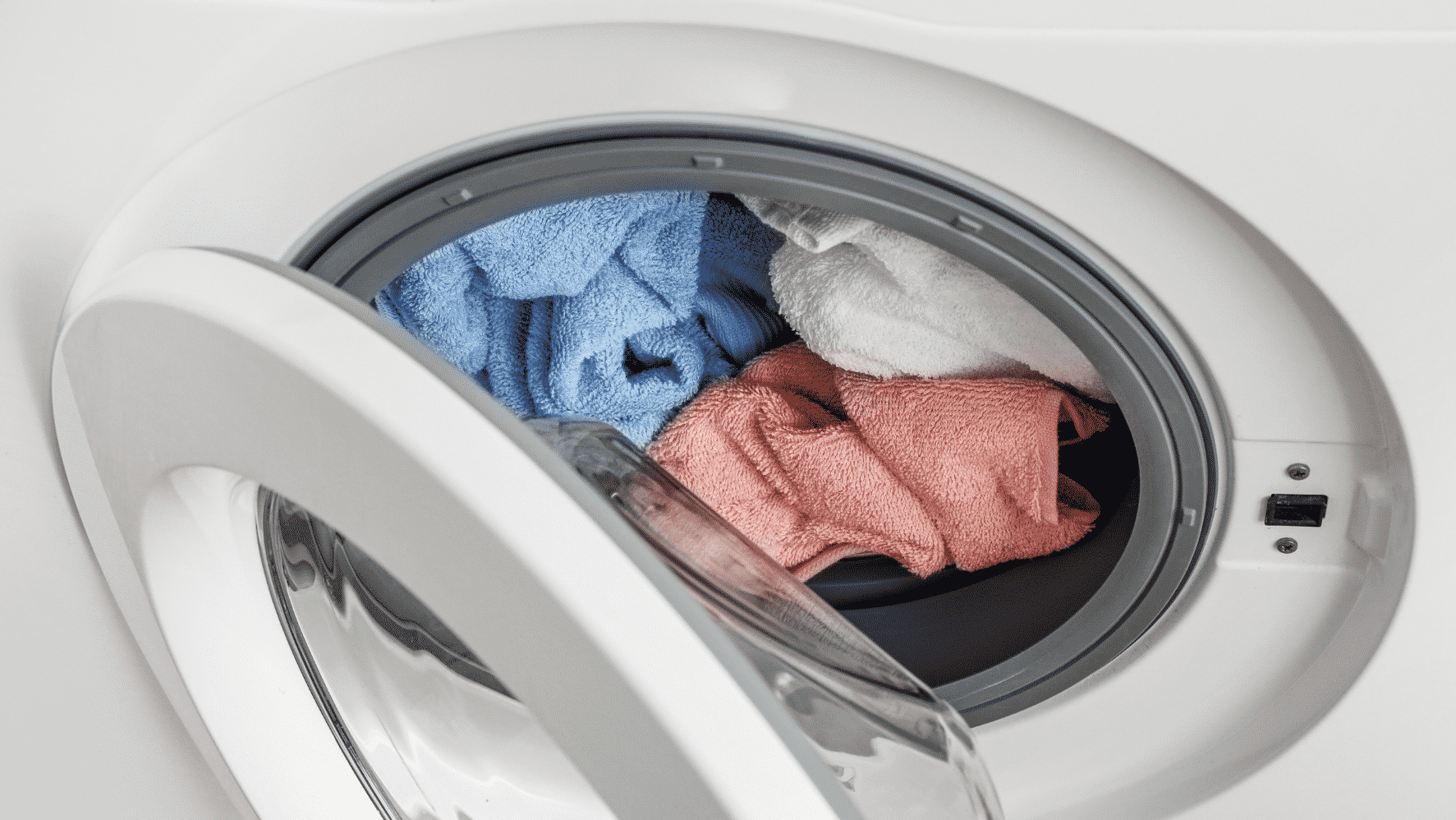

As the demand for high-volume laundry services continues to increase, industrial laundry facilities are facing growing requirements in terms of productivity, quality, and processing time. In particular, for customers such as hospitals, hotels, spas, and businesses, textiles need to be cleaned, finished, and returned on schedule so that their operations are not disrupted. This is one of the reasons why automation in industrial laundry is receiving increasing attention. The application of machinery, control systems, and automated solutions to laundry processes not only improves textile processing capacity but also supports quality control, resource optimization, and operational stability. So, what role does automation play in industrial laundry? Why is it not simply a technological trend but also an important factor in the development of modern laundry facilities?
1. What Is Automation in Industrial Laundry?
Automation in industrial laundry refers to the application of machinery, equipment, and control systems to perform or support various stages of the laundry process. Depending on the scale and level of investment, automation systems can be implemented at individual stages or integrated across multiple stages to create a continuous operating process.
In an industrial laundry facility, automation can be applied to various stages, including textile feeding, washing, chemical dosing, drying, ironing and finishing, folding, and textile sorting. Some systems can also monitor operating parameters, store data, and issue alerts when equipment-related problems occur.
The key aspect of automation in industrial laundry is not simply replacing people with machines. Its primary objective is to ensure that processes are carried out according to clearly defined procedures, reduce repetitive tasks, and improve quality control throughout the entire production operation.
When implemented appropriately, automation enables laundry facilities to process large volumes of textiles more consistently while creating a foundation for businesses to continuously improve and expand their operational capacity.
2. Why Is Automation Becoming Increasingly Important in Industrial Laundry?
2.1. Meeting the Demand for High-Volume Textile Processing
Unlike household laundry, industrial laundry facilities often have to receive and process thousands of products every day, depending on the scale of each facility. Textiles may come from different customers, each with specific requirements regarding material, level of soiling, processing methods, and turnaround time.
As textile volumes increase, relying entirely on manual operations can cause certain stages to become bottlenecks. For example, if textile feeding, transportation, or towel folding cannot keep up with the speed of washing and drying machines, the entire production line may slow down.
Automation helps businesses significantly throughout the production process.
The application of automation in industrial laundry increases processing capacity at suitable stages, reduces waiting time between processes, and helps maintain a more stable workflow. As a result, laundry facilities can respond more proactively to daily demand, particularly during periods when textile volumes increase significantly.
2.2. Increasing Productivity and Shortening Processing Time
In an industrial laundry process, every stage is interconnected. If one stage takes too long or is not properly organized, the progress of subsequent stages may also be affected.
Automation systems help reduce the time required for certain repetitive tasks, support textile movement between stages, and minimize unnecessary waiting time. For example, automated feeding systems or towel-folding equipment can help process large quantities of products at a more consistent speed compared with completely manual operations.
However, actual productivity gains depend on factors such as production-line design, equipment capacity, facility layout, and coordination between different stages. Automation delivers the greatest benefits when it is implemented in combination with an appropriate operating process, rather than simply investing in a single piece of equipment without addressing other bottlenecks.
2.3. Improving Consistency in Laundry Quality
The quality of textiles after washing depends not only on equipment but also on operating methods, processing parameters, and compliance with established procedures. If parameters such as temperature, processing time, water volume, or chemical dosage vary significantly between wash loads, the quality of the final output may also become inconsistent.
One of the benefits of automation in industrial laundry is its ability to support the setup and control of operating parameters according to established programs. When processes are standardized, wash loads with similar characteristics can be processed under relatively consistent conditions.
This is particularly important for laundry facilities serving B2B customers, where textiles need to maintain stable quality across multiple delivery cycles. Nevertheless, automation does not completely replace quality inspections; personnel still need to monitor results and make adjustments whenever abnormalities are detected.
2.4. Reducing Dependence on Manual Operations
In an industrial laundry environment, many tasks are repetitive, such as loading textiles into machines, transferring textiles between areas, folding towels, or arranging products after processing. When performed entirely by hand, these tasks can consume considerable time and labor resources.
Automating suitable processes helps reduce the amount of repetitive manual work while allowing employees to focus on tasks that require observation, evaluation, and problem-solving abilities. This is a way of improving the efficiency of human resources rather than simply reducing the number of workers.
In addition, reducing manual lifting, transportation, and handling of heavy textiles may help improve working conditions when the system is properly designed and operated. However, businesses still need to train employees in machine safety, operating procedures, and troubleshooting to ensure stable operations.
3. Which Stages of Industrial Laundry Can Be Automated?
3.1. Automating Textile Feeding and Distribution
Textile feeding is the process of introducing textiles into the processing line. For large-scale laundry facilities, manually loading textiles into machines can be time-consuming and may result in inconsistent feeding speeds between loads.
Some modern systems can use conveyors, feeding equipment, or automated textile distribution mechanisms to support transportation and deliver textiles to the appropriate processing area. Proper organization of this stage helps reduce waiting time and maintain the operating rhythm of the production line.
However, automated textile feeding needs to be combined with an appropriate textile-sorting process. In particular, for hospital textiles or textile groups with specific processing requirements, proper sorting before entering the production line remains an important factor that must be controlled.
3.2. Automating Washing and Chemical Dosing
Modern industrial washing machines can be equipped with program control systems that allow operators to set parameters such as processing time, temperature, water level, and other treatment steps appropriate for each textile group. Some systems can also be connected to chemical dosing equipment to dispense chemicals according to pre-established programs.
Automated control of these parameters helps minimize variations caused by manual operations while supporting the use of water and chemicals according to established procedures. When programs are properly designed for specific textile materials and levels of soiling, laundry facilities can maintain greater consistency between processing loads.
Nevertheless, an automated system can only operate effectively when its parameters are correctly configured and the equipment is regularly maintained. Personnel responsible for operations still need to monitor the process, inspect washing results, and adjust programs when necessary.
3.3. Automating Drying and Textile Finishing
After washing, textiles need to be dried before being transferred to finishing stages. If this stage cannot keep up with the processing capacity of the washing line, textiles may accumulate and affect the overall schedule.
Industrial drying systems can control programs based on processing time and operating conditions appropriate for different textile groups. Controlling the drying process helps prevent products from remaining damp or being exposed to high temperatures for longer than necessary.
In addition, some production lines can integrate ironing, pressing, or textile-finishing equipment to reduce manual operations and maintain more consistent output quality. Depending on the characteristics of each product, laundry facilities need to select appropriate equipment and programs to ensure processing schedules while minimizing potential effects on textile durability.
3.4. Automating Folding and Post-Wash Sorting
Folding and sorting are stages that often require considerable time when laundry facilities process towels, bed sheets, or products with relatively uniform dimensions. As production volume increases, completely manual operations may cause the finishing process to fall behind the preceding stages.
Towel-folding machines and other automated finishing equipment can support the folding of products according to predetermined dimensions and methods. This helps save handling time, create greater consistency in appearance, and facilitate textile organization before packaging or delivery.
For systems capable of identifying or distributing textiles according to programmed instructions, integration with data management processes can help reduce confusion between different product groups. However, quantity, quality, and order information still need to be checked to ensure that textiles are delivered to the correct customers.
4. How Does Automation Help Optimize Operating Costs?
4.1. Optimizing Human Resources
Labor is one of the key factors in the operation of an industrial laundry facility. When repetitive tasks are supported by machinery, businesses can allocate personnel more effectively across different areas and reduce pressure at positions with heavy workloads.
Instead of spending most of their time performing manual tasks, employees can focus on equipment monitoring, quality inspection, textile management, and handling unexpected situations. This improves resource utilization while creating opportunities for employees to develop their operational and process-control skills.
However, automation does not mean that businesses no longer need employees. Systems still require personnel for operation, maintenance, supervision, and troubleshooting, particularly in highly automated production lines.
4.2. Reducing Waste of Water, Electricity, and Chemicals
In industrial laundry, water, electricity, and chemicals are resources that directly affect operating costs. If processing parameters are not properly controlled, laundry facilities may consume more resources than necessary or have to rewash loads that do not meet quality requirements.
Automation systems can help control water consumption, operating time, and chemical dosing according to established programs. When parameters are adjusted appropriately for each textile group, businesses have greater opportunities to reduce waste and improve resource efficiency.
However, actual savings depend on equipment technology, maintenance conditions, water quality, and the way washing programs are designed. Therefore, automation should be accompanied by monitoring consumption data and regularly evaluating operational efficiency.
4.3. Reducing Costs Resulting from Errors and Rewashing
Errors during textile sorting, feeding, chemical dosing, or program selection can cause textiles to fail to meet requirements after washing. When this happens, businesses may need to reprocess the products, consuming additional time, labor, and resources.
The application of control systems and standardized operating programs helps reduce certain variations caused by manual operations. At the same time, operational data can support traceability when it is necessary to identify the cause of a wash load that does not meet requirements.
However, automated systems cannot completely eliminate all risks. Businesses still need quality-control procedures, equipment maintenance, and employee training to identify problems that may affect textiles at an early stage.
5. What Are the Challenges of Implementing Automation in Industrial Laundry?
5.1. Initial Investment Costs
One of the major challenges of implementing automation in industrial laundry is the investment required for equipment and operating systems. Depending on the scale of the production line, businesses may need to invest in specialized machinery, control systems, transportation equipment, and supporting infrastructure.
In addition to purchasing costs, businesses also need to consider installation, employee training, maintenance, and equipment upgrade costs throughout the system’s service life. Therefore, investment decisions should be based on actual requirements, textile volume, and the business’s ability to utilize the system’s capacity.
Not every laundry facility needs to automate its entire production line from the beginning. In many cases, identifying the specific stages that are causing bottlenecks or consuming excessive resources can help businesses select more suitable areas for investment.
5.2. Requirements for Operation and Maintenance Personnel
Modern machinery can reduce manual operations, but it also requires personnel with knowledge of operation, inspection, and troubleshooting. If operators do not understand the operating principles or fail to follow usage instructions, the system may not deliver the expected results.
In addition, automated equipment requires regular maintenance to maintain performance and reduce the risk of unplanned production-line downtime. Businesses need to establish inspection, maintenance, and troubleshooting procedures appropriate for each type of machine.
Employee training is therefore an essential part of the automation process. When people and equipment work together effectively, the system can fully contribute to industrial laundry operations.
5.3. Integration with Existing Processes
Not every automation system can be easily integrated into an existing production line. Differences in capacity, facility layout, textile types, and equipment structure can make the upgrading process more complicated.
If a business invests in a new piece of equipment without evaluating its ability to connect with the remaining stages, the system may create new bottlenecks instead of improving overall productivity. Therefore, businesses need to assess the entire process before selecting an automation solution.
Implementing automation in stages, combined with evaluating performance after each phase, can help businesses better control costs and minimize disruption to ongoing operations.
6. Can Automation Completely Replace Humans in Industrial Laundry?
Although automation can support many stages of the process, people continue to play an important role in industrial laundry operations. Machines can perform repetitive tasks according to programmed instructions, but evaluating textile quality, handling abnormal situations, and making adjustment decisions still require human supervision.
Automated systems still depend significantly on people.
For example, a system can operate a washing program according to predetermined parameters, but employees still need to check whether textiles have been properly sorted, whether the selected program is appropriate for the material, and whether the washing results meet requirements.
Therefore, automation in industrial laundry should be viewed as a solution for enhancing operational capabilities rather than completely replacing the role of people. The combination of technology, standardized processes, and a trained workforce can help laundry facilities maintain more efficient and flexible operations.
7. Green Laundry and Its Direction Toward Improving Operational Efficiency
In industrial laundry operations, investment in machinery and technology needs to go hand in hand with objectives related to quality control, resource optimization, and process stability. For businesses serving B2B customers, these are important factors in meeting the demand for high-volume textile processing on a regular basis.
At Green Laundry, attention to equipment systems, operating procedures, and quality control is part of the company’s direction toward improving operational efficiency. Washing, drying, and textile-finishing stages need to be organized appropriately to help maintain consistent output quality and meet the requirements of different customer groups.
In particular, automation can only truly deliver value when combined with a professionally trained workforce, clearly defined operating procedures, and regular inspections. This also provides a foundation for businesses to gradually improve their textile-processing capabilities and move toward more stable and efficient industrial laundry operations.
Automation in industrial laundry is becoming increasingly important in the modernization of laundry facilities. The appropriate application of machinery and control systems can increase productivity, improve consistency, reduce repetitive operations, and support better resource management throughout the production process.
However, the effectiveness of automation depends not only on how advanced the equipment is but also on how businesses select technology, organize their production lines, and train their employees. A system that is invested in according to actual needs, operated according to proper procedures, and regularly maintained has greater potential to deliver long-term benefits.
As industrial laundry demand becomes increasingly diverse, automation is one of the approaches that can help businesses improve textile-processing capacity and meet increasingly demanding customer requirements. When technology is combined with strict quality-management processes, laundry operations can achieve greater efficiency while creating a foundation for sustainable development in the future.
>>>> Read more: Why is baking soda considered a powerful helper in laundry care?
Green Laundry – the leading company in providing quality and professional laundry solutions in Vietnam
Email: greenlaundry@giatuixanh.com
Phone: 028 36 222 180
Fanpage: Giặt Ủi Xanh – Chuyên Giặt Ủi Công Nghiệp
Address: Lot A57/II-Lot 58/II, Road No. 2D, Vinh Loc Industrial Park, Binh Tan Ward, Ho Chi Minh City.