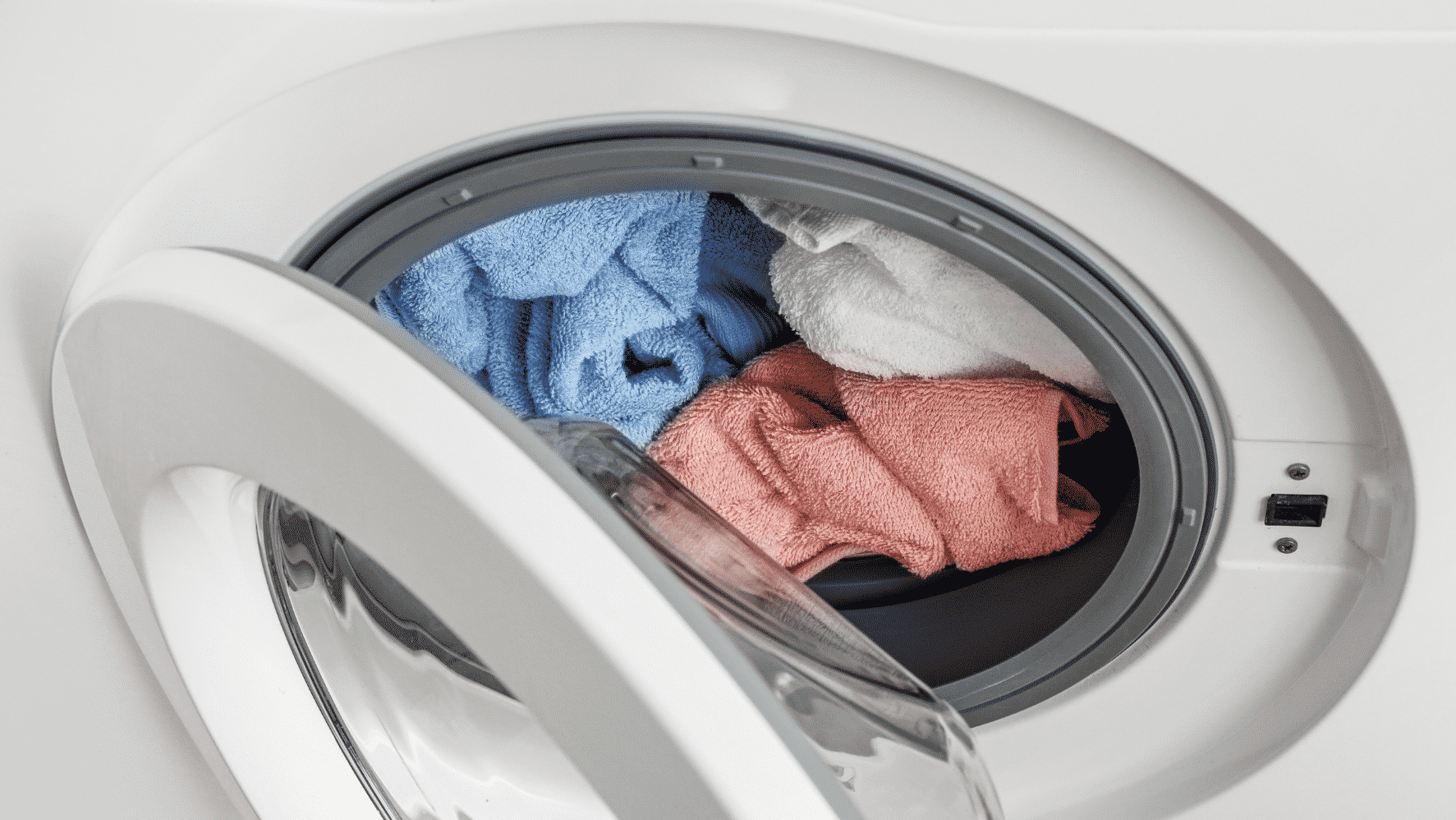
Washing machines are frequently used to clean clothes, towels, and various types of textiles in everyday life. However, not everyone realizes that after repeated washing cycles, detergent residue, fabric softener, lint, hair, and other contaminants can still accumulate inside the machine. If the machine is not cleaned regularly, these residues can cause unpleasant odors, affect washing performance, and prevent clothes from smelling and feeling as clean and fresh as expected.
So, how often should you clean your washing machine, and which parts need to be cleaned regularly? Join Green Laundry to learn how to clean and use your washing machine properly so that the equipment can operate consistently while supporting effective clothing care.
1. How Often Should You Clean Your Washing Machine?
Washing machines are frequently used to clean clothes, but this does not mean that the inside of the machine is always clean. After repeated washing cycles, detergent residue, fabric softener, lint, hair, and dirt from clothing can accumulate in the washing drum, rubber gasket, dispenser, or drainage system.
Therefore, regular washing machine cleaning is an important part of equipment use and maintenance. For typical household use, a washing machine should be cleaned approximately once every 1–2 months if it is used frequently. If the washing frequency is lower, cleaning every 2–3 months may be sufficient. Households that wash large amounts of clothing every day or frequently wash dirty clothes, towels, blankets, and bedding should inspect and clean the machine more often.
However, users should not rely solely on a fixed cleaning schedule. If the machine develops an unpleasant odor, clothes still smell after washing, visible residue appears inside the washing drum, or water drains slowly, these may be signs that the machine needs to be cleaned sooner.
2. Why Does a Washing Machine Need Regular Cleaning?
During every washing cycle, water and cleaning agents continuously pass through the washing drum, pipes, and various internal components of the machine. Some contaminants are carried away with the water, but not all of them are completely removed.
Over time, these residues can remain in areas that are difficult to see. If they are not cleaned, the machine may not only develop unpleasant odors but may also experience reduced cleaning performance.
2.1. Preventing the Accumulation of Dirt and Lint
After use, clothing may contain dust, sweat, skin oils, hair, and many other types of dirt. During the washing process, some of these contaminants may be trapped in the filter, rubber gasket, washing drum, or drainage system.
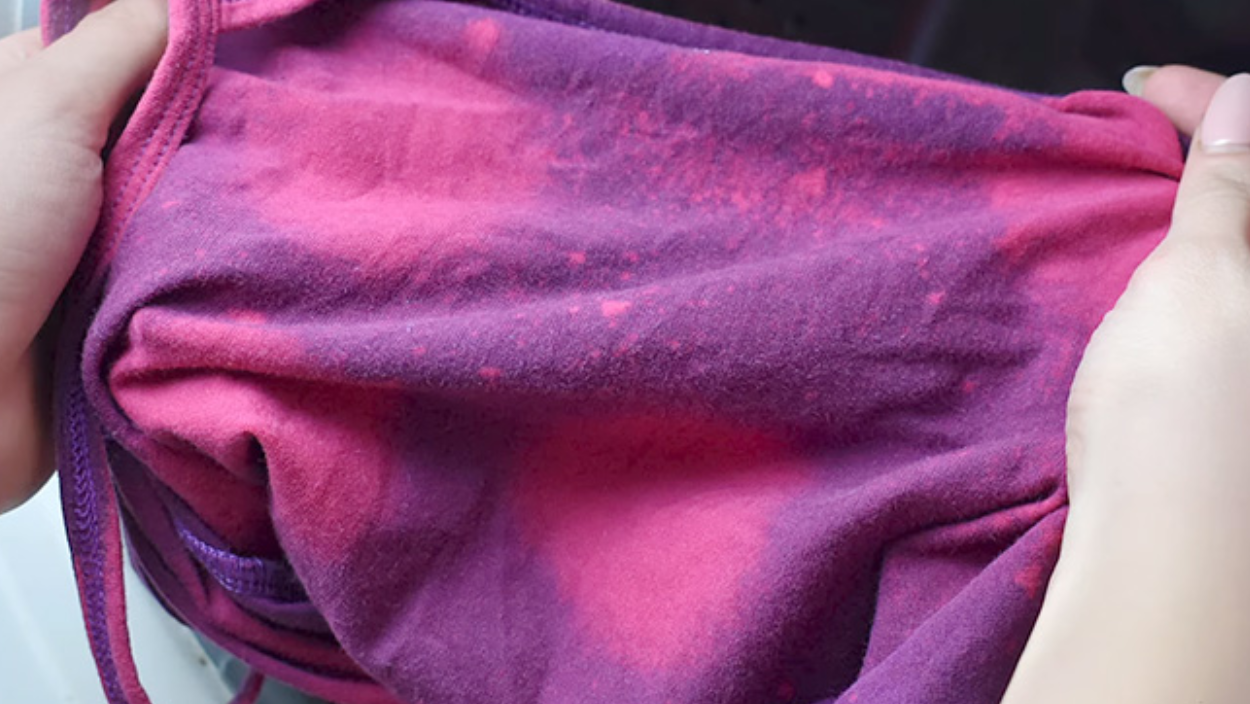
Residue buildup inside the washing drum can prevent clothes from being cleaned properly.
This is particularly relevant when towels, heavily lint-producing clothing, or textiles that shed fibers easily are washed frequently, as these materials may contribute to greater residue accumulation. Regular cleaning helps minimize this buildup and keeps the machine’s components in a cleaner condition.
2.2. Reducing Unpleasant Odors from the Washing Machine
One of the most noticeable signs that a washing machine needs cleaning is an unpleasant odor coming from the washing drum. A damp environment combined with accumulated dirt and leftover cleaning products can create conditions that allow microorganisms to grow.
If the machine door is closed immediately after washing or water remains trapped in certain components, musty odors may become more noticeable. As a result, even though clothes are washed with water and laundry detergents, they may still develop an unpleasant smell after being removed from the machine.
2.3. Maintaining Washing Performance
A clean washing machine allows water and laundry detergents to circulate more effectively during operation. In contrast, residue that accumulates over a long period may affect drainage or reduce the effectiveness of certain washing cycles.
Cleaning a washing machine does not mean that the machine will continue operating perfectly indefinitely, but it is one of the basic maintenance steps that helps keep the equipment in an appropriate operating condition.
3. Which Parts of the Washing Machine Need to Be Cleaned?
When cleaning a washing machine, users should not focus only on the washing drum. Many other areas can also accumulate residue but are often overlooked during everyday use.
3.1. The Washing Drum
The washing drum comes into direct contact with clothing, water, and laundry detergents, so it needs to be cleaned regularly. Some modern washing machines come with a dedicated drum-cleaning program, making it more convenient for users to clean the equipment.
When using this function, users should follow the manufacturer’s instructions regarding temperature, duration, and the type of cleaning product suitable for each machine.
3.2. The Rubber Door Gasket of Front-Load Washing Machines
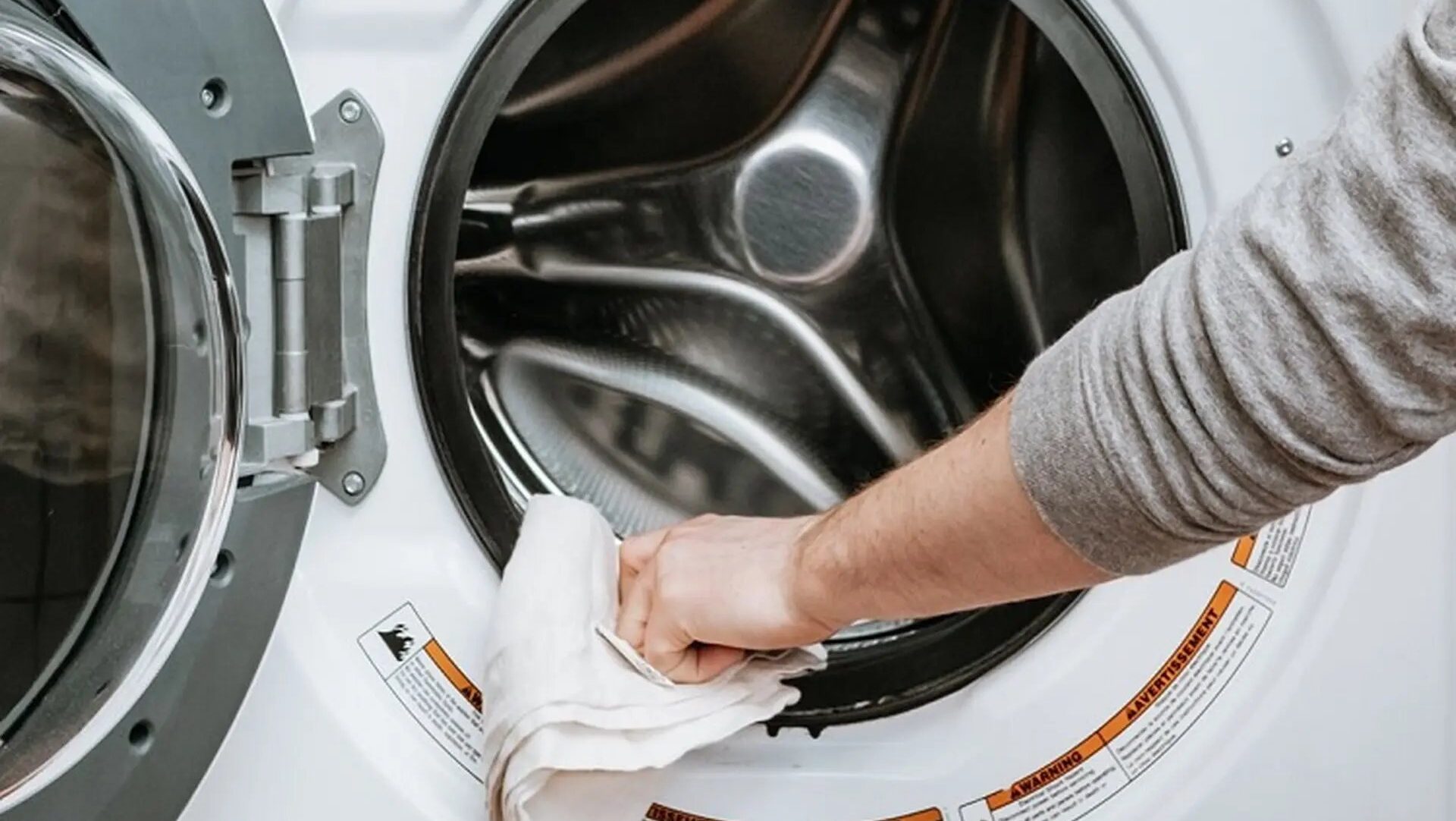
For front-load washing machines, the rubber gasket around the door can easily retain water, hair, lint, and small particles of dirt. If it is not wiped regularly, this area may develop a damp odor or accumulate stains that are difficult to remove.
After every few washing cycles, users can inspect and wipe the gasket with a clean cloth, especially the folds and inner sections.
3.3. The Detergent and Fabric Softener Dispenser
Detergent and fabric softener are not always completely washed out of the dispenser. Over time, product residue can remain inside and form a layer of buildup.
Therefore, the dispenser should also be removed and cleaned periodically. This is a relatively simple task, but it can help reduce the amount of residue that returns to the washing machine during subsequent washing cycles.
3.4. The Filter and Drainage System
The filter is designed to capture some hair, lint, and small objects during the washing process. If too much residue accumulates in the filter, water may drain slowly or the machine may operate less efficiently.
The recommended filter-cleaning frequency may vary depending on the design of each washing machine, so users should check the manufacturer’s instructions and clean it accordingly.
4. Signs That Your Washing Machine Needs to Be Cleaned Immediately
Users do not always need to wait until the scheduled cleaning date to clean their washing machine. Certain signs that appear during everyday use may indicate that a significant amount of residue has accumulated inside the machine.
The washing machine has an unpleasant odor: This is one of the most common signs. If an odor is noticeable even when the machine is not operating or transfers to clothes after washing, the washing drum and related components should be inspected.
Clothes no longer smell fresh and clean after washing: If an appropriate amount of laundry detergent has been used but clothes still have a damp or unpleasant smell, the washing machine itself may be the source of the problem.
Residue appears on clothes: Patches of residue, lint, or small particles of dirt remaining on clothes after washing may indicate that the washing drum or internal components need to be cleaned.
Water drains slowly: When water drains more slowly than usual, users should check the filter and drainage system rather than continuing to operate the machine without identifying the cause.
The rubber gasket or dispenser is dirty: This is another easily observable sign and often indicates that the washing machine is due for cleaning.
5. How Often Should You Clean Your Washing Machine Based on Usage Frequency?
Not every household follows the same washing machine cleaning schedule. A machine that is used only a few times a week has different maintenance needs from one that operates almost every day.
If a household uses its washing machine at a moderate frequency, cleaning it approximately once every 1–2 months may be an appropriate reference point. If the machine is used frequently, particularly for washing towels, sportswear, blankets, bedding, or large quantities of clothing, components that are prone to residue buildup should be inspected more regularly.
Environmental conditions can also affect cleaning frequency. Areas with high humidity, poorly ventilated locations, or machines that are frequently kept closed after washing may be more prone to developing unpleasant odors. Therefore, instead of relying solely on one fixed number, users should combine a regular cleaning schedule with inspections based on the actual condition of the machine.
6. Habits That Help Keep Your Washing Machine Cleaner for Longer
Regular cleaning is necessary, but everyday washing machine habits also have a significant impact on how quickly residue accumulates. Several simple practices can help minimize this issue.
Avoid using excessive amounts of detergent or fabric softener simply because you believe that more product will make clothes cleaner. Excessive amounts of laundry products can leave behind more residue and make thorough rinsing more difficult.
After a washing cycle is complete, clothes should be removed promptly, and the machine door should be left open or slightly ajar as appropriate to allow the interior to ventilate. At the same time, the door gasket should be wiped and the dispenser checked regularly rather than waiting until an unpleasant odor appears before taking action.
Another point to keep in mind is to avoid leaving small objects such as tissues, coins, or packaging materials in clothing pockets before putting them into the washing machine. These objects may obstruct the filter and drainage system.
7. Why Cleaning and Maintaining Industrial Laundry Systems Is Even More Important
In an industrial laundry environment, machines operate at a much higher frequency and handle significantly larger volumes than household washing machines. Therefore, equipment cleaning, inspection, and maintenance need to be carried out according to specific procedures rather than only when the machine develops a problem.
At professional laundry service providers such as Green Laundry, equipment control is part of the operating process to help ensure that washing, drying, and finishing stages are carried out consistently. With large volumes of textiles being processed every day, maintaining machinery in good operating condition also contributes to supporting consistent output quality.
This is particularly important for hotel, spa, and hospital textiles, where cleanliness and process consistency requirements are higher than those of ordinary household laundry. Therefore, machinery systems need not only to have appropriate capacity but also to undergo scheduled cleaning, inspection, and maintenance.
8. Clean Your Washing Machine on Schedule to Maintain Its Performance
How often should you clean your washing machine? For typical household use, approximately once every 1–2 months can be considered a reference point, but the actual frequency should be adjusted based on the level of use and the condition of the machine.
More importantly, users should not focus only on the washing drum but should also inspect the door gasket, dispenser, filter, and drainage system. When regular washing machine cleaning is combined with proper usage habits, the machine can be maintained in a cleaner condition and operate more consistently.
A clean washing machine not only helps clothes be cleaned effectively but also contributes to reducing unpleasant odors, residue buildup, and problems that may arise during use. Therefore, instead of waiting until the machine develops an odor or visible residue before cleaning it, it is better to establish an appropriate regular washing machine cleaning schedule from the beginning.
>>>> Read more: Why is baking soda considered a powerful helper in laundry care?
Green Laundry – the leading company in providing quality and professional laundry solutions in Vietnam
Email: greenlaundry@giatuixanh.com
Phone: 028 36 222 180
Fanpage: Giặt Ủi Xanh – Chuyên Giặt Ủi Công Nghiệp
Address: Lot A57/II-Lot 58/II, Road No. 2D, Vinh Loc Industrial Park, Binh Tan Ward, Ho Chi Minh City.