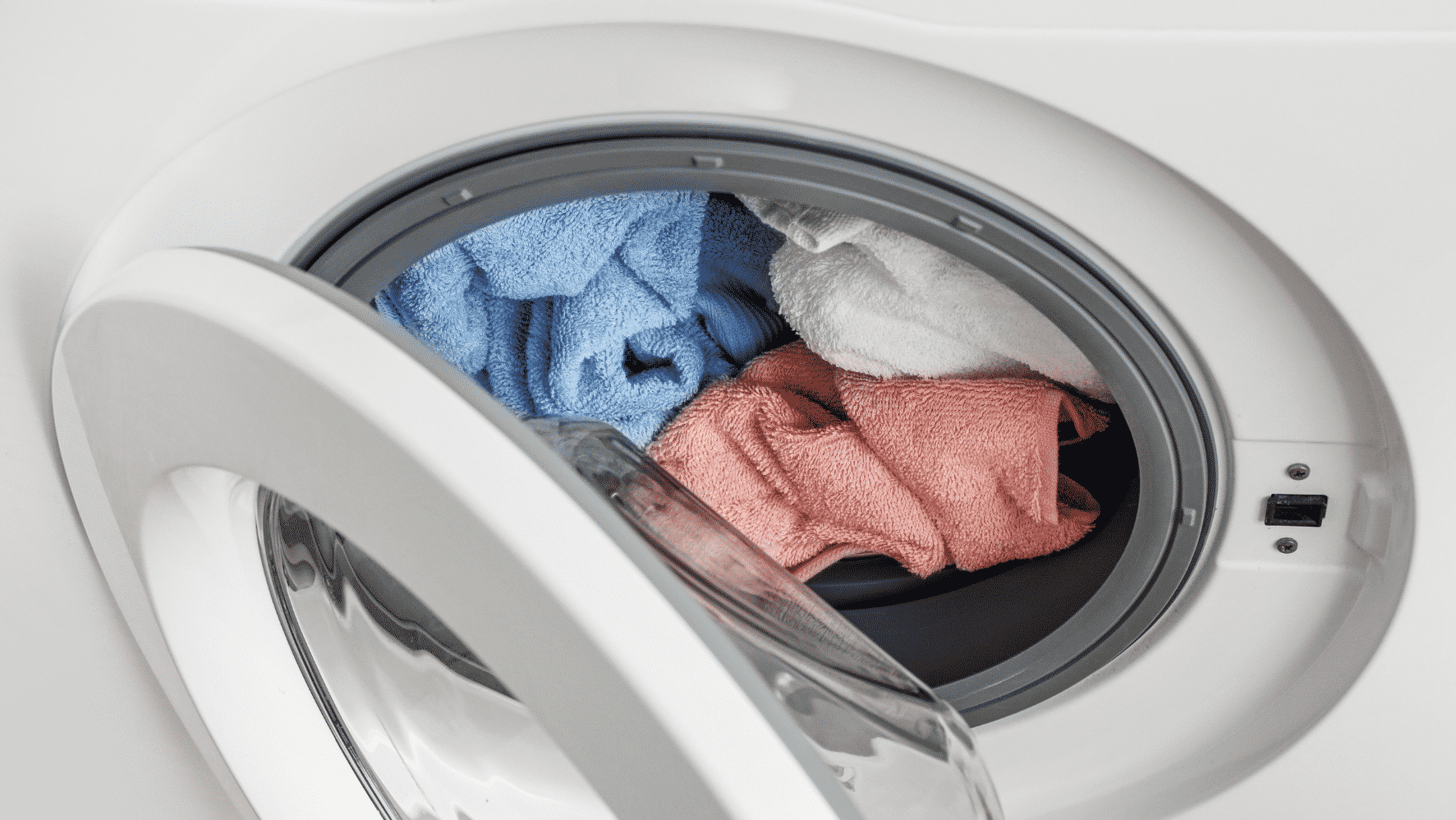

Washing clothes is a regular household task, but it can also consume a considerable amount of water when not done properly. From washing very small loads at a time and using more water than necessary to choosing an unsuitable washing program, these seemingly minor habits can significantly increase water consumption.
Therefore, saving water when washing clothes does not necessarily mean mechanically reducing the amount of water used. More importantly, it means using the right amount of water for the load size and cleaning requirements. So, how can you save water while still making sure your clothes are properly cleaned and maintaining fabric quality? Let’s explore some simple methods with Green Laundry below.
1. Why Should You Save Water When Washing Clothes?
Water is one of the essential elements in the washing process, from wetting clothes and dissolving detergents to rinsing away dirt and detergent residue. However, using more water does not necessarily mean that clothes will be cleaner.
If the water level or washing program is not appropriate, the machine may consume more water without providing a corresponding improvement in cleaning performance. For example, washing a small load using a program designed for a large load can result in inefficient water consumption.
Saving water when washing clothes also helps reduce the amount of wastewater generated during household activities. When combined with appropriate use of electricity and detergents, this habit can make the laundry process more efficient and sustainable.
2. Factors That Affect the Amount of Water Used for Laundry
The amount of water used in each washing cycle is not fixed and depends on several different factors. Among them, the type of washing machine, load size, washing program, and the way the machine is operated can all affect water consumption.
2.1. Type of Washing Machine
The design of a washing machine directly affects how water is used. Top-load and front-load washing machines operate differently, so the amount of water required for each cycle may also vary.
Some modern washing machines are equipped with sensors that detect the size of the laundry load and automatically adjust the amount of water. If your machine has this feature, you should select an appropriate program and avoid manually changing the water level when it is not necessary.
2.2. Load Size
The amount of clothing placed in the washing machine is another important factor. Washing very small loads frequently can result in a higher total amount of water being used compared with grouping suitable items together and washing them in one cycle.
However, this does not mean that you should fill the machine as much as possible. When the machine is overloaded, clothes have less room to move and come into contact with water evenly, which can affect cleaning performance and the removal of detergent during rinsing.
2.3. Washing Program
Different washing programs are generally designed for different types of clothing and levels of dirt. Choosing the correct program allows the machine to use an appropriate amount of time, water, and energy for each type of laundry.
For clothes that have only been worn for a short period and are lightly soiled, it is not always necessary to choose a long program or multiple rinse cycles. On the other hand, clothes with heavy perspiration, significant dirt, or specific textile requirements should be processed using an appropriate program.
3. How Can You Save Water When Washing Clothes?
To save water when washing clothes, users can start with some fairly simple changes in the way they sort and operate their washing machine.
3.1. Wait Until You Have Enough Clothes Before Washing
One of the easiest ways to save water is to avoid running multiple small loads when it is not necessary. Instead of washing only a few pieces of clothing at a time, you can group items with similar washing requirements and wash them together in one cycle.
However, you should make sure that the amount of clothing remains within the washing machine’s load capacity. Overloading the machine simply to reduce the number of washing cycles can have the opposite effect, because clothes will not have enough space to move around and be cleaned effectively.
3.2. Use the Correct Washing Program
Not all clothes require the same washing program. Consider the fabric type, level of soiling, and care instructions on the garment label when selecting the appropriate program.
For lightly soiled clothes, a quick wash or an eco-saving program, if supported by the machine, may provide sufficient cleaning without requiring an unnecessarily long cycle. For heavily soiled clothes, however, it is still important to choose an appropriate program rather than reducing water or washing time to the point where cleaning performance is compromised.
3.3. Take Advantage of Automatic Water-Level Adjustment
If your washing machine has a load sensor or an automatic water-level adjustment function, take advantage of this feature. The machine can determine the amount of water required for the cycle based on the weight of the laundry.
This is a convenient way to avoid using excessive water caused by manually selecting an unsuitable water level.
3.4. Do Not Overload the Washing Machine
Overloading a washing machine is sometimes seen as a way to make the most of its capacity, but in reality, it can affect cleaning performance. When clothes are packed too tightly, water and detergent may not be distributed evenly throughout the layers of fabric.
As a result, you may need to wash the clothes again or add additional rinse cycles. This not only prevents you from saving water when washing clothes but also increases overall water consumption. Therefore, washing within the recommended load capacity is generally more effective than trying to fit extra clothes into a single cycle.
4. Avoid Using Too Many Rinse Cycles
Rinsing is an important step in removing detergent residue from clothes. However, setting too many rinse cycles when they are not necessary can also increase water consumption.
If the washing machine and detergent being used allow it, select the number of rinse cycles according to actual needs. The important thing is that clothes should not feel slippery or have visible residue or an excessively strong detergent smell after the cycle is completed.
For people with sensitive skin or for children’s clothing, the required number of rinse cycles may differ from that of regular clothing. In such cases, ensuring thorough rinsing remains more important than trying to reduce water consumption at all costs.
5. Use the Right Amount of Detergent
Many people believe that using more laundry detergent will make clothes cleaner. However, excessive detergent can create more foam and residue, which may require more water or additional rinse cycles to remove completely.
Therefore, use the amount of detergent recommended by the product manufacturer while also considering the laundry load and actual level of soiling. Using the right amount not only helps prevent detergent waste but also supports a more effective rinsing process.
In particular, you should not automatically increase the amount of detergent simply because clothes have a lot of sweat or dirt. For localized stains, treating the affected area beforehand is often more appropriate than increasing the detergent amount for the entire load.
6. Treat Stains Before Putting Clothes in the Washing Machine
Some stains, such as grease, food, ink, or cosmetics, may require pre-treatment before washing. If you simply put the clothes directly into the washing machine and expect a standard cycle to completely remove the stain, you may sometimes need to wash the clothes again.
Proper pre-treatment increases the likelihood of removing stains during the first washing cycle. As a result, unnecessary repeat cycles can be reduced, helping you save water when washing clothes.
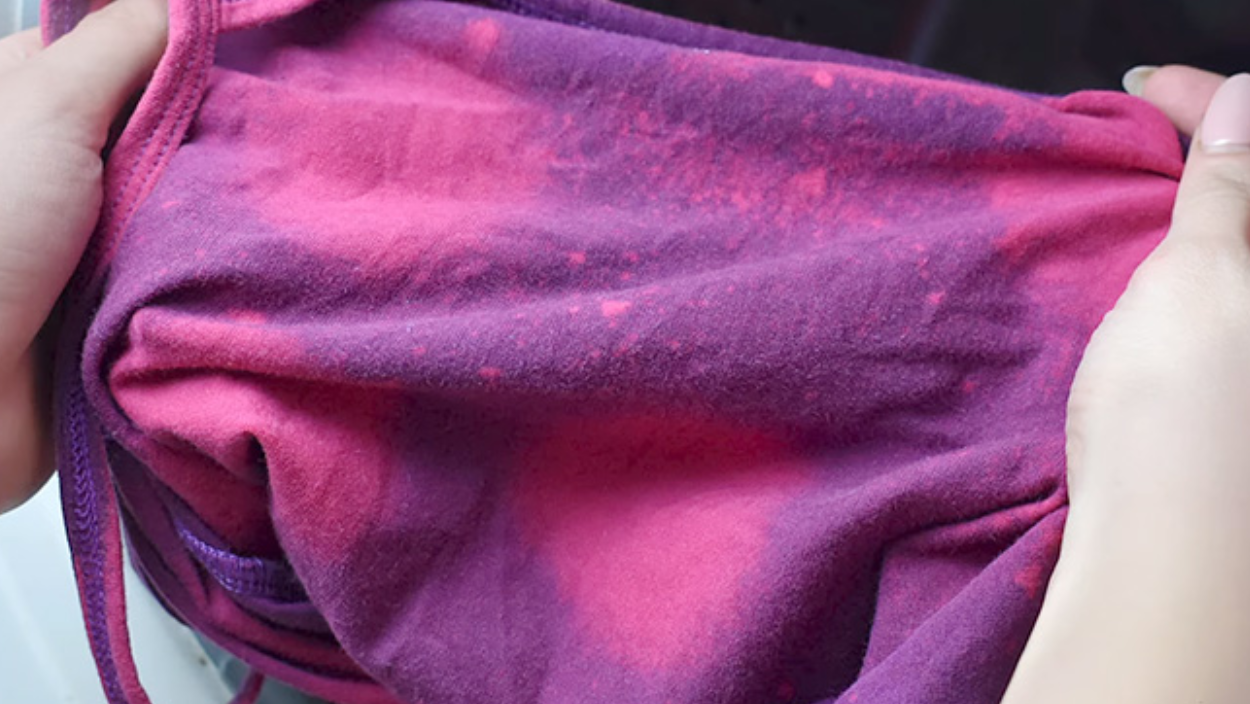
However, you should choose a treatment method that is appropriate for each type of fabric. Do not use strong stain removers or bleaching agents indiscriminately, as they may cause fading, weaken the fibers, or create damage that is difficult to repair.
7. Do Not Rewash Clothes Unless Necessary
Another habit that can increase water consumption is rewashing clothes even when they are already clean. This can happen when users do not carefully check the washing program or are concerned that their clothes have not been cleaned sufficiently.
If the clothes have been properly washed and rinsed and do not have any unusual odor, there is no need to put them through another washing cycle. Checking the condition of clothes after each cycle can help prevent unnecessary washing.
For clothes that have only been worn for a short period and show no obvious signs of dirt, you can also consider whether they really need to be washed immediately. An appropriate washing frequency can help save water while also reducing the amount of washing and detergent exposure that clothes undergo.
8. Clean Your Washing Machine Regularly to Maintain Efficiency
Cleaning your washing machine is also related to efficient water use. When the washing drum, filter, or drainage system accumulates excessive dirt and residue, the machine may not operate efficiently, which can affect the washing and rinsing process.
Regular cleaning helps prevent the accumulation of residue and maintains suitable operating conditions for the machine. Users should also check the filter, detergent dispenser, and rubber door gasket depending on the design of their washing machine.
In addition, if you notice that the machine is draining slowly or producing an unusual odor, do not continue using it as normal without checking the cause. Addressing the issue early can help prevent more serious problems during operation.
9. Should You Hand Wash Clothes to Save Water?
Hand washing does not necessarily mean that you will save water. If the amount of water used during soaking, washing, and rinsing is not controlled, water consumption can still be relatively high.
For a few small items, hand washing may be more convenient and appropriate than running an entire washing machine cycle. However, when washing a large amount of clothing, using a washing machine with the correct load size and appropriate program can often provide better control over the washing process.
Therefore, rather than simply asking whether hand washing or machine washing is better for saving water, it is more important to choose the method that is appropriate for the amount of clothing, fabric type, and level of soiling.
11. Small Habits That Help Save Water When Doing Laundry
You do not need to completely change your laundry routine to reduce water consumption. A few simple habits can already make a difference. First, sort your clothes properly to avoid having to run too many separate loads simply because of differences in color or fabric type.
Next, check clothing pockets before washing, pre-treat difficult stains, and choose an appropriate washing program. These steps increase the likelihood that clothes will be properly cleaned during the first cycle, reducing the need for rewashing.
In addition, follow the washing machine’s recommended load capacity, use the appropriate amount of detergent, and avoid adding extra rinse cycles unless they are genuinely necessary. Small adjustments that are maintained consistently can make saving water a natural part of your regular laundry routine.
12. Washing Clothes Properly Is an Effective Way to Save Water
Saving water when washing clothes does not mean reducing the amount of water to the lowest possible level. The more important goal is to use the right amount of water needed to properly wash and rinse clothes through an appropriate process.
From waiting until you have an appropriate load size and avoiding overloading the machine to choosing the right washing program, using the correct amount of detergent, and pre-treating difficult stains, every step can help reduce unnecessary water consumption.
When practiced consistently, these habits can help save not only water but also detergent, energy, and time. A well-planned laundry process is therefore beneficial not only for your clothes but also for making more efficient use of resources.
>>>> Read more: Why is baking soda considered a powerful helper in laundry care?
Green Laundry – the leading company in providing quality and professional laundry solutions in Vietnam
Email: greenlaundry@giatuixanh.com
Phone: 028 36 222 180
Fanpage: Giặt Ủi Xanh – Chuyên Giặt Ủi Công Nghiệp
Address: Lot A57/II-Lot 58/II, Road No. 2D, Vinh Loc Industrial Park, Binh Tan Ward, Ho Chi Minh City.