After being used for some time, many people notice that their clothes no longer retain the same color as when they were new. Some shirts can show obvious fading after only a few washes, while other products maintain their color relatively well despite being worn and washed frequently. This difference is not only related to washing methods but also to the characteristics of the fabric fibers, the type of dye used, and how the color is fixed onto the material. So why do some fabrics fade more easily than others, and how can fading be minimized during use? Let’s explore the answer with Green Laundry in the article below.
1. Why Do Fabrics Fade?
The color of clothing is created by pigments or dyes that are introduced into or attached to the fabric fibers during the dyeing process. Color durability afterward depends on many factors, including the type of fiber, type of dye, dyeing method, and the strength of the bond between the colorant and the fibers.
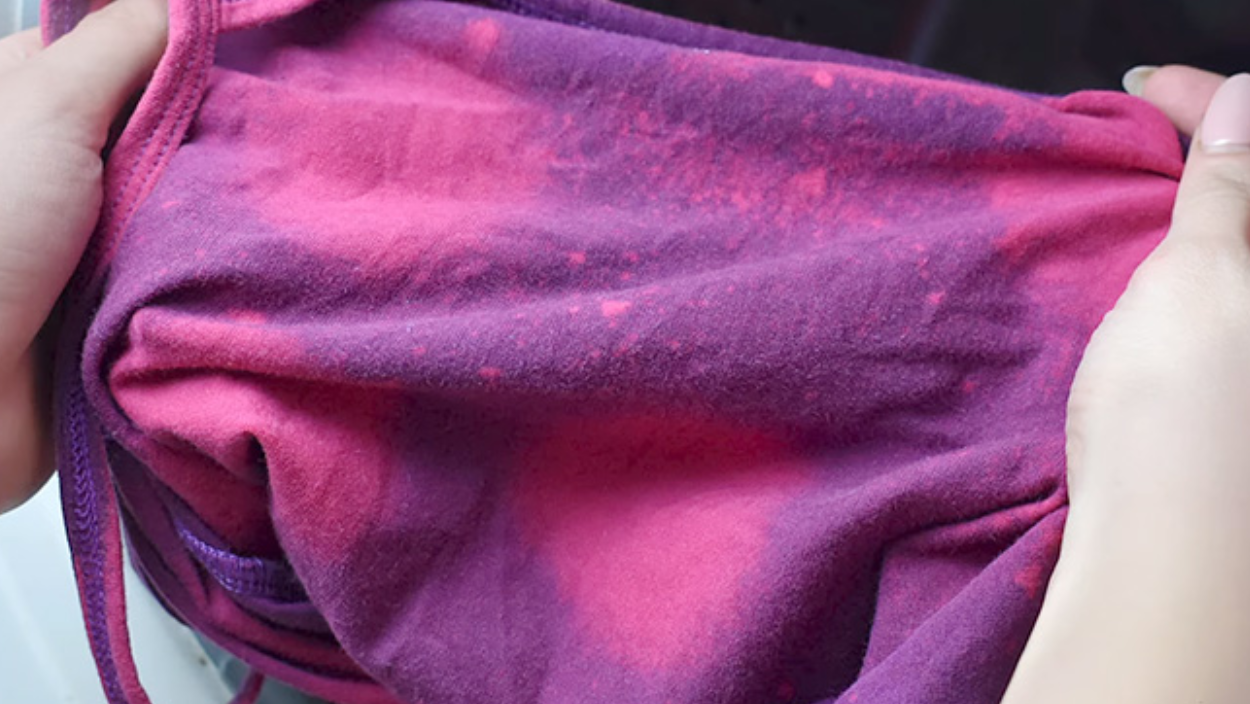
During use, clothes are exposed to water, detergents, friction, light, and temperature. These factors can cause some of the colorants to be released from the fabric fibers, gradually making the color appear lighter.
The degree of fading also varies between different fabrics. Some materials have good color retention, while others are more sensitive to water, heat, friction, or chemicals.
2. How Does Fabric Fiber Type Affect Color Retention?
One of the important factors determining whether a fabric is prone to fading is its fiber composition. Each type of fiber has a different structure and chemical characteristics, so its ability to absorb and retain dyes also varies.
2.1. Cotton Fibers
Cotton is a natural fiber commonly used in clothing, towels, and many textile products. The color retention of cotton depends on the type of dye and the processing method used during production.
Some cotton products have deep colors or are dyed using methods that make the color more susceptible to fading during the first few washes. Therefore, newly purchased cotton clothes, especially dark-colored garments, should generally be washed and cared for carefully to minimize fading.
2.2. Polyester Fibers
Polyester has different characteristics from cotton and generally offers relatively good color retention when dyed with an appropriate type of dye. However, this does not mean that all polyester products are completely resistant to fading.
Colorfastness also depends on fiber quality, color, dyeing methods, and the finishing processes used for the product. Exposure to excessively high temperatures or inappropriate care can still affect the color and surface of the fabric.
2.3. Blended Fabrics
Many modern garments are made from blends of different fibers to combine the advantages of various materials. In such cases, the color retention of the product depends on both the fiber composition and the dyeing method used.
Therefore, you should not determine whether a product is likely to fade based solely on the name of the fabric. The information on the product label and the recommended care instructions remain important references when choosing the appropriate washing method.
3. Does a Darker Color Mean It Is More Likely to Fade?
Dark-colored clothes often make fading more noticeable than lighter-colored garments. Colors such as black, dark blue, red, purple, and other high-intensity shades can show a significant visible change when some of the colorant is lost from the fabric surface.
This does not mean that all dark-colored clothes have poor dyeing quality. The degree of fading also depends on the type of dye, dye concentration, processing methods during production, and actual washing conditions.
In particular, some new clothes may release excess dye during the first few washes. This is why users should be careful when washing newly purchased dark-colored garments together with light-colored products.
4. Factors That Make Fabrics More Likely to Fade During Washing
In addition to the characteristics of the fabric itself, washing methods can also have a significant effect on the rate of fading. Even a product with good color retention can lose its color more quickly if it is repeatedly exposed to unsuitable conditions.
4.1. Water Temperature That Is Too High
Temperature is one of the factors that should be considered when caring for colored clothing. For some types of fabric and dyes, high temperatures can increase the likelihood of colorants being released from the fibers.
Therefore, if the clothing label does not require hot water, washing with cold water or water at an appropriate temperature is generally a safer option for colored garments.
4.2. Harsh Detergents
Not every type of cleaning product is suitable for colored clothing. Some products with strong cleaning or bleaching properties may cause clothing colors to change more quickly if they are used for purposes they were not designed for.
When washing colored clothes, choose an appropriate detergent and use the recommended amount. Using more detergent than necessary does not necessarily mean that clothes will be cleaner or retain their color better.
4.3. Excessive Friction
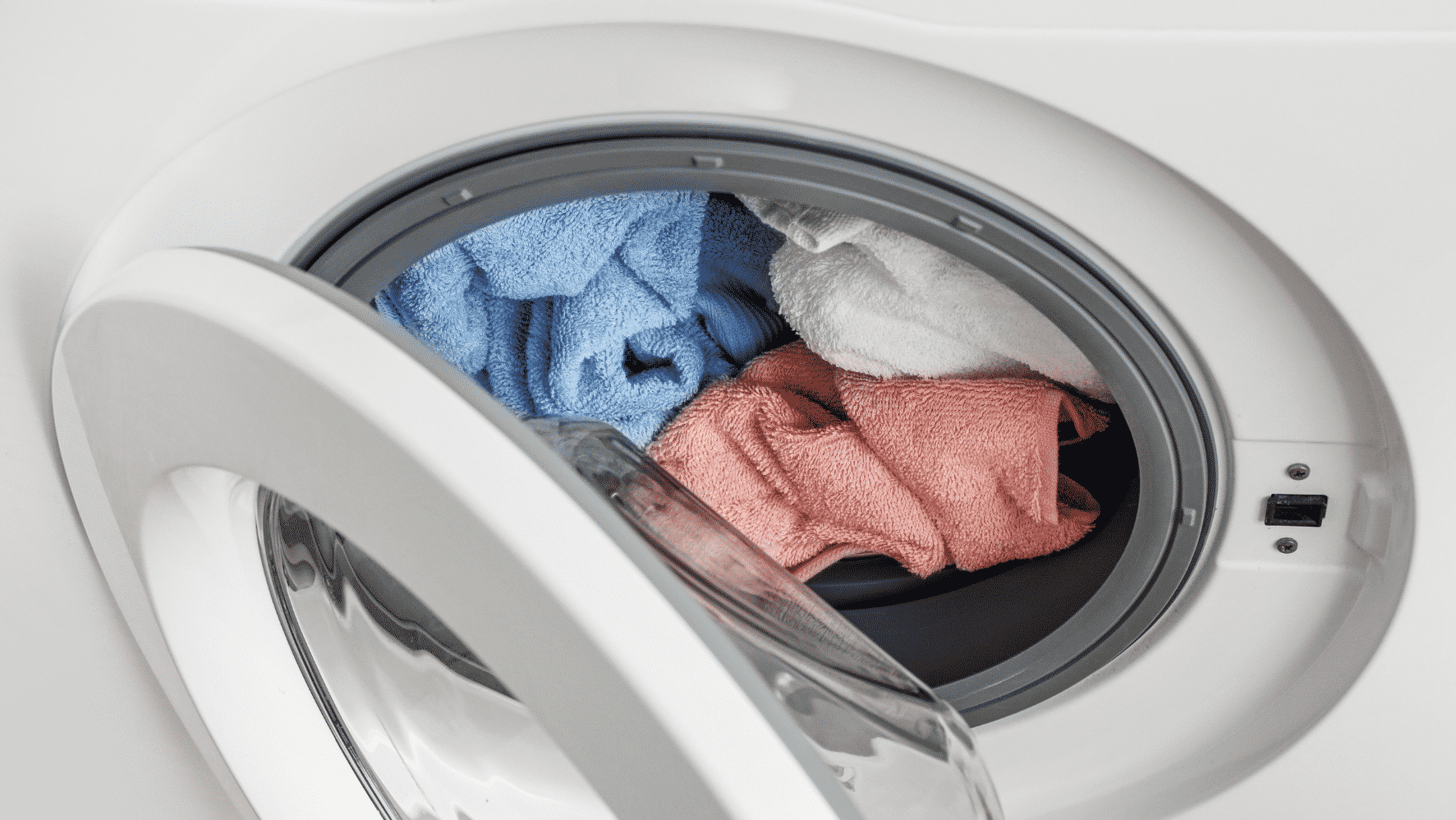
During washing, clothes continuously move and rub against one another as well as against the surface of the washing drum. Strong and repeated friction can alter the surface of fabric fibers and contribute to a gradual loss of color vibrancy over time.
This is why dark-colored products or sensitive fabrics are often better suited to a gentle washing program, provided that the care instructions allow it.
4.4. Prolonged Exposure to Direct Sunlight
The washing process is not the only factor that can affect fabric color. Light exposure can also affect the appearance of textiles. UV rays and prolonged exposure to light can cause certain colorants to degrade, gradually making clothes look faded.
Products that are frequently exposed to strong sunlight for extended periods may therefore lose their color more quickly. After washing, it is advisable to choose a well-ventilated drying area and a drying method appropriate for the specific fabric.
5. Why Do New Clothes Often Release Dye?
Some new clothes, particularly dark-colored products, may release dye during the first few washes. This may be caused by excess dye that has not been completely removed after the fabric dyeing and finishing processes.
The amount of dye released varies between products, and this phenomenon alone cannot be used to assess the overall quality of a garment. However, dye released from new clothes can increase the risk of color transfer if they are washed together with other products.
Therefore, newly purchased dark-colored clothing should ideally be washed separately during the first few washes or sorted with products of similar colors. This can help reduce the risk of color transfer and prevent one garment from affecting another.
6. How Can You Prevent Clothes from Fading?
To help clothes retain their color for longer, it is important to minimize unnecessary stress on the fabric fibers throughout the washing and storage process.
6.1. Sort Clothes Before Washing
Sorting clothes is a simple but important step. White, light-colored, and dark-colored clothes should be separated, especially when washing new garments that may release excess dye.
In addition to color, fabric type and level of soiling should also be considered. Proper sorting makes it easier to select an appropriate washing program and temperature for each group of garments.
6.2. Turn Clothes Inside Out Before Washing
Turning clothes inside out before putting them into the washing machine can help reduce direct exposure of the outer surface to friction during the washing process. This can be particularly useful for garments with printed designs, surfaces that are easily scratched, or colors that need additional protection.
However, this is only a supporting measure. Color retention still depends on the material, dye, and the overall care process.
6.3. Prefer Cold Water or an Appropriate Temperature
If the clothing label does not require hot water, you can prioritize washing at a lower temperature. This can help reduce the effect of heat on fabric color and is suitable for many types of everyday clothing.
The important point is not to apply one fixed temperature to every type of fabric. Always check the care instructions to determine the most appropriate temperature.
6.4. Use the Right Amount of Detergent
Using the correct amount of detergent helps minimize residue and prevents unnecessary effects on the fabric. For colored clothes, avoid using bleaching agents or other products that may alter the color unless the garment is specifically designed to be treated with them.
If only a few areas of a garment are stained, appropriate spot treatment is often better than increasing the detergent concentration for the entire load.
7. Should You Soak Colored Clothes Before Washing?
Soaking can help loosen and remove certain types of stains, but not every garment needs to be soaked for a long period. For colored clothing, prolonged soaking can increase the amount of time the fabric is exposed to water and detergent.
If the clothes are not heavily soiled, they can be washed directly using an appropriate program instead of being soaked for an extended period. For stains that require pre-treatment, the method should be selected based on the fabric type and care instructions.
In particular, avoid soaking different colored garments together in the same container, as dye from one product may transfer to another.
8. How Should You Dry Colored Clothes to Reduce Fading?
After washing, the way clothes are dried can also affect color retention. Clothes should be removed from the washing machine promptly rather than being left damp in the drum for too long, and then dried in a well-ventilated area according to the product’s care instructions.
For dark-colored clothes, limiting prolonged exposure to direct sunlight can help reduce the effect of light on the fabric color. If outdoor drying is necessary, choose an appropriate time and location so that the clothes can dry properly without being exposed to strong sunlight for an extended period.
Once the clothes are dry, they should be collected and stored in a dry place away from direct light. This is particularly useful for products that are not used frequently but need to maintain their color over a long period.
9. Does Washing Clothes Less Often Help Them Retain Their Color?
Washing frequency is related to clothing durability, but this does not mean that simply washing clothes less often will automatically help them retain their color for longer. Clothes should be washed according to how frequently they are used, as well as their exposure to sweat, dirt, and hygiene requirements.
Instead of simply trying to extend the time between washes, users should focus on choosing an appropriate washing method. A gentle cycle, suitable temperature, and correct amount of detergent can help reduce the impact on fabric color while still ensuring that clothes are properly cleaned.
For garments that have only been worn for a short period and show no obvious signs of dirt, users may consider wearing them again if appropriate. This can also help reduce unnecessary washing and minimize repeated stress on the fabric fibers.
10. Habits That Cause Clothes to Fade More Quickly
Some habits during washing and storage can cause clothing colors to deteriorate more quickly. Users should avoid common mistakes such as:
- Washing newly purchased dark-colored clothes together with white or light-colored garments.
- Using water that is unnecessarily hot.
- Choosing an aggressive washing program for ordinary clothing.
- Using unsuitable detergents or bleaching agents.
- Adding too much detergent to the washing machine.
- Soaking colored clothes for too long.
- Leaving colored clothes exposed to direct sunlight for extended periods.
- Failing to check the care instructions on the product label.
Small changes in the way clothes are washed and cared for can help reduce stress on fabric color and maintain the appearance of garments for longer.
>>>> Read more: Why is baking soda considered a powerful helper in laundry care?
Green Laundry – the leading company in providing quality and professional laundry solutions in Vietnam
Email: greenlaundry@giatuixanh.com
Phone: 028 36 222 180
Fanpage: Giặt Ủi Xanh – Chuyên Giặt Ủi Công Nghiệp
Address: Lot A57/II-Lot 58/II, Road No. 2D, Vinh Loc Industrial Park, Binh Tan Ward, Ho Chi Minh City.