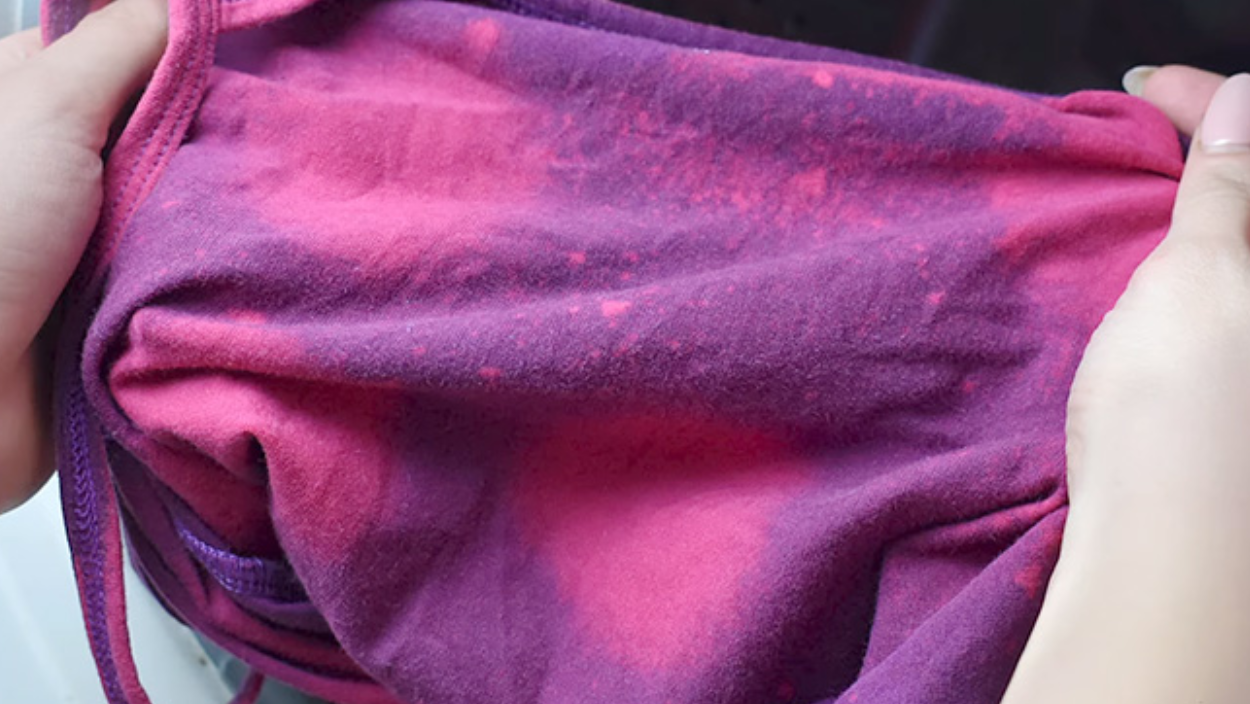
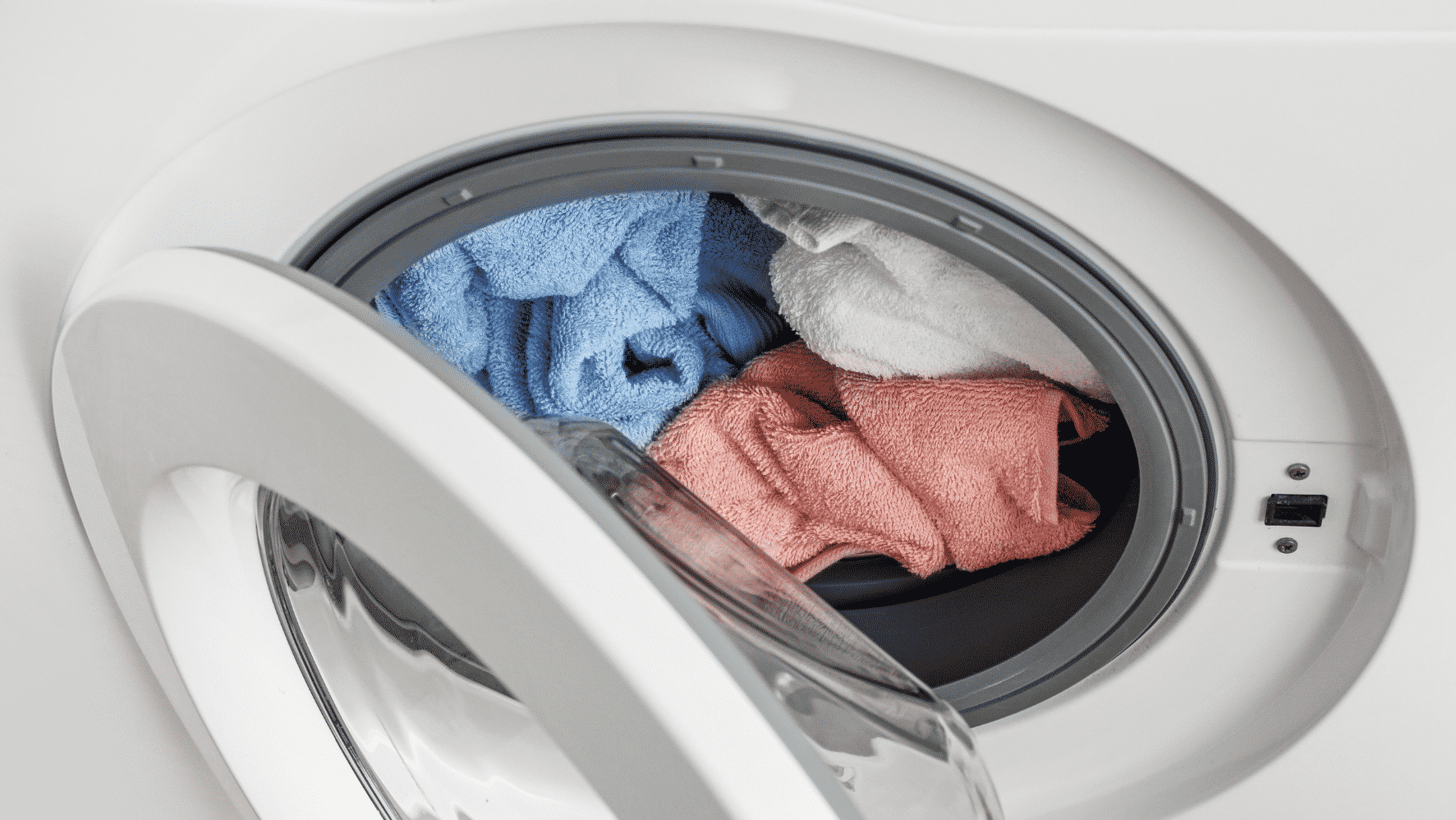
When there are too many clothes to wash, many people tend to put everything into the washing machine to reduce the number of wash cycles and save time. However, putting too many clothes into the washing machine is not always the most effective way to use the machine. When the amount of laundry exceeds the machine’s designed load capacity, clothes may not be cleaned and rinsed evenly, while the machine has to operate under a heavier load. In the long run, this habit can also affect clothing quality and the durability of the equipment. So, how much laundry should be loaded into a washing machine per cycle, and what are the signs that the machine is overloaded? Let Green Laundry explore these questions in the article below.
1. What Is the Washing Machine Load Capacity?
Washing machine load capacity refers to the maximum weight of clothing that the machine is designed to handle during a wash cycle under appropriate operating conditions. This specification is usually indicated by the manufacturer on the machine, such as 7 kg, 9 kg, 10 kg, or 12 kg.
However, the number shown does not mean that users should always put exactly that amount of laundry into the machine. The actual amount of laundry should be considered together with the fabric type, size of the items, and the selected washing program.
For example, a load consisting of several thick towels or bed linens may take up a significant amount of space even if its weight has not reached the machine’s maximum capacity. In this case, it is also important to consider whether there is enough space for the clothes to move freely during the washing process.
2. Can Putting Too Many Clothes in the Washing Machine Cause Problems?
The answer is yes. Overloading the washing machine can affect washing performance, clothing condition, and the equipment itself if it happens regularly. When the drum is packed with too many items, clothes no longer have enough space to move freely and come into adequate contact with water and detergent.
As a result, some areas of the clothes may still contain dirt, sweat, or detergent residue after the cycle is complete. In some cases, users may need to wash or rinse the clothes again, increasing water, electricity, and time consumption.
Therefore, trying to reduce the number of wash cycles by putting as many clothes as possible into the machine does not necessarily save resources. More importantly, users need to balance the amount of laundry, the available space inside the drum, and the requirements of each load.
2.1. Clothes May Not Be Completely Clean
One of the most noticeable problems caused by overloading a washing machine is reduced cleaning effectiveness.
A washing machine needs sufficient space for clothes to tumble, lift, and fall during operation. This movement allows water and detergent to come into contact with different areas of the fabric surface.
When the drum is too full, clothes become tightly compressed against one another. Water and detergent may not be distributed evenly, while the movement of the clothes is also restricted.
As a result, areas with heavy sweat, dirt, or stains may not be treated effectively. Users may notice that clothes still have an unpleasant odor after washing or that some stains have not been completely removed.
2.2. Clothes Are More Likely to Wrinkle and Lose Their Shape
Limited space inside the washing drum can affect not only cleaning performance but also the shape of the clothes.
When too many items move together in a restricted space, they are more likely to become tangled and form multiple creases. After being removed from the machine, some garments may be more wrinkled than usual.
For shirts, uniforms, wrinkle-prone fabrics, or garments that need to maintain their shape, washing an overloaded load can make the subsequent pressing or smoothing process more time-consuming.
In addition, excessive compression and friction between clothes can also affect the fabric surface if this situation occurs frequently.
2.3. The Washing Machine Has to Operate Under a Heavier Load
When the washing drum contains too many clothes, the weight of the load increases significantly, especially after the clothes absorb water. This requires the motor and related components to handle a heavier load.
The issue may become more noticeable during the spin cycle if the clothes are distributed unevenly inside the drum. The machine may vibrate or produce louder noises than usual as it attempts to rotate at a high speed.
If the machine is frequently operated under overloaded conditions, its mechanical components may be subjected to greater stress than under appropriate operating conditions. Therefore, following the recommended load capacity is one of the basic ways to help maintain the durability of the equipment.
2.4. An Overloaded Washing Machine May Prevent Clothes from Being Rinsed Properly
It is not only the washing stage that can be affected when the drum contains too many items. The rinsing process may also become less effective. Water needs sufficient space to circulate through the clothes and carry away detergent residue.
When clothes are tightly compressed, rinse water may not be able to reach all items evenly. As a result, some garments may still contain residue or may not feel completely clean after the cycle is finished.
If clothes have a significant amount of foam, residue, or a slippery feeling after washing, users should not immediately add more detergent. Instead, they should first check the amount of detergent used and determine whether the washing machine is overloaded.
3. How Can You Tell If the Washing Machine Is Overloaded?
Users do not always have a scale available to accurately determine the weight of their laundry. Therefore, in addition to checking the machine’s load capacity, it is possible to observe several practical signs.
Clothes Are Packed Too Tightly
If there is almost no empty space in the drum after loading the clothes and the items are tightly compressed, this may be a sign that the load is too full.
In particular, users should not try to force more clothes into the machine when the drum is already full simply to avoid another wash cycle.
The Machine Vibrates Strongly During the Spin Cycle
Strong vibrations can result from several causes, such as an unbalanced machine, unevenly distributed laundry, or an excessive amount of clothing. If this situation occurs frequently when washing large loads, users should check the load capacity and how the clothes are distributed inside the drum.
Clothes Are Still Dirty After Washing
If the machine appears to operate normally but clothes frequently fail to come out as clean as expected, an excessive amount of laundry may be one of the factors that should be checked.
Clothes Still Contain a Significant Amount of Residue After Rinsing
Detergent powder or liquid detergent residue remaining on clothes may also be related to using too much detergent, an unsuitable rinsing program, or an overloaded drum.
4. Do Not Rely Solely on the Kilogram Capacity Shown on the Machine
A common mistake is to assume that a 9 kg washing machine can always be loaded with exactly 9 kg of clothes regardless of the type of laundry.
In reality, the weight of the clothes is only one factor. The size, thickness, and water absorption capacity of the textile items also affect how the load moves inside the washing drum.
For example, bath towels, blankets, or thick garments can take up a considerable amount of space and absorb a large amount of water. In such cases, even if the total weight has not reached the maximum capacity, the drum may still become too crowded.
Therefore, users should consider the machine’s load capacity together with the manufacturer’s instructions and the actual condition of the laundry load.
5. How to Load Clothes into the Washing Machine Properly
To reduce the risk of overloading the washing machine, users should sort clothes before washing instead of putting everything into a single load.
Colored clothes, white clothes, thick items, and lightweight fabrics should be sorted appropriately. Items with specific washing requirements should also be handled according to the instructions on their care labels.
After sorting, clothes should be placed into the machine loosely and evenly rather than being compressed into a single mass. This helps provide enough space for the clothes to move during the washing process.
For large items such as blankets, bed linens, or thick towels, particular attention should be paid to the amount of space they occupy inside the drum. If an item takes up nearly the entire drum, users should not try to add many other items to the same cycle.
6. Use the Correct Load Capacity to Protect Both Clothes and the Washing Machine
Putting too many clothes into the washing machine can cause a range of problems, from reduced cleaning effectiveness and rinsing performance to increased wrinkling and greater load on the equipment. Trying to reduce the number of wash cycles by packing too many clothes into a single load does not necessarily produce the desired results.
Instead, users should follow the load capacity recommended by the manufacturer while also considering the size and characteristics of the textile items. A properly sized load provides enough space for clothes to move freely, allowing water and detergent to make better contact with the fabrics during the cleaning process.
Using the correct load capacity is also one of the simplest ways to operate a washing machine more effectively. When combined with proper clothing sorting, selecting a suitable washing program, and using an appropriate amount of detergent, the washing process can provide effective cleaning while minimizing unnecessary impact on both clothes and equipment.
>>>> Read more: Why is baking soda considered a powerful helper in laundry care?
Green Laundry – the leading company in providing quality and professional laundry solutions in Vietnam
Email: greenlaundry@giatuixanh.com
Phone: 028 36 222 180
Fanpage: Giặt Ủi Xanh – Chuyên Giặt Ủi Công Nghiệp
Address: Lot A57/II-Lot 58/II, Road No. 2D, Vinh Loc Industrial Park, Binh Tan Ward, Ho Chi Minh City.