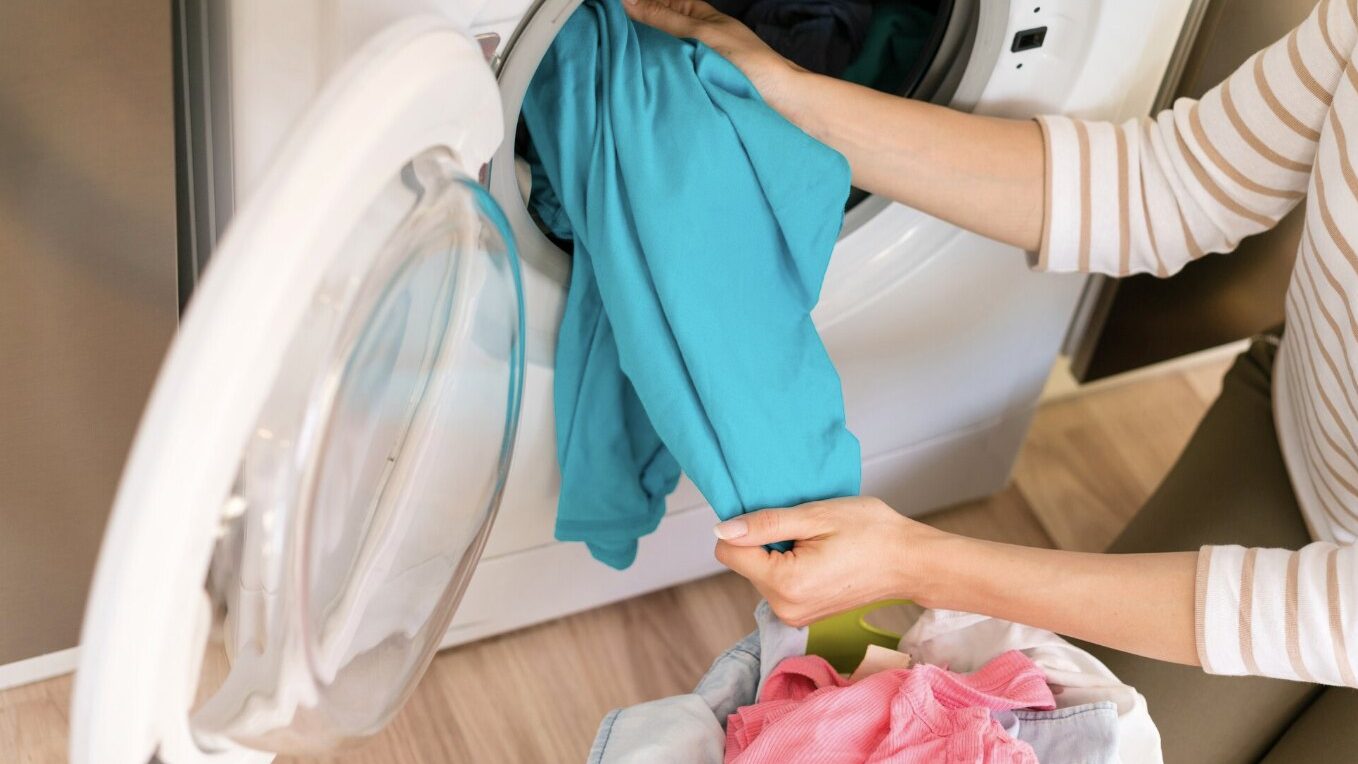
Discover common washing habits that damage clothes, from using too much detergent to washing in hot water, and learn how to protect fabric durability.
1. Why Do Laundry Habits Affect Clothing Durability?
Doing laundry is a familiar part of everyday life. To keep clothes clean and fresh while removing stubborn stains, many people tend to use more laundry detergent, choose higher water temperatures, scrub fabrics vigorously, or extend washing cycles. However, not every action improves cleaning performance. Some seemingly harmless habits can actually cause clothes to fade, pill, shrink, or lose their original shape more quickly.
In fact, clothing durability depends on several factors, including fiber composition, dye quality, fabric construction, frequency of use, and care methods. When fabrics are repeatedly exposed to unsuitable temperatures, chemicals, and friction, their fibers can gradually weaken, reducing the lifespan of garments.
Therefore, recognizing improper washing habits that damage clothes is an important step toward improving laundry practices. By making a few simple adjustments, you can maintain garment quality, minimize damage, and save money on clothing replacement in the long run.
2. Washing Habits That Damage Clothes Even Though They Seem to Make Them Cleaner
2.1. Using Too Much Laundry Detergent
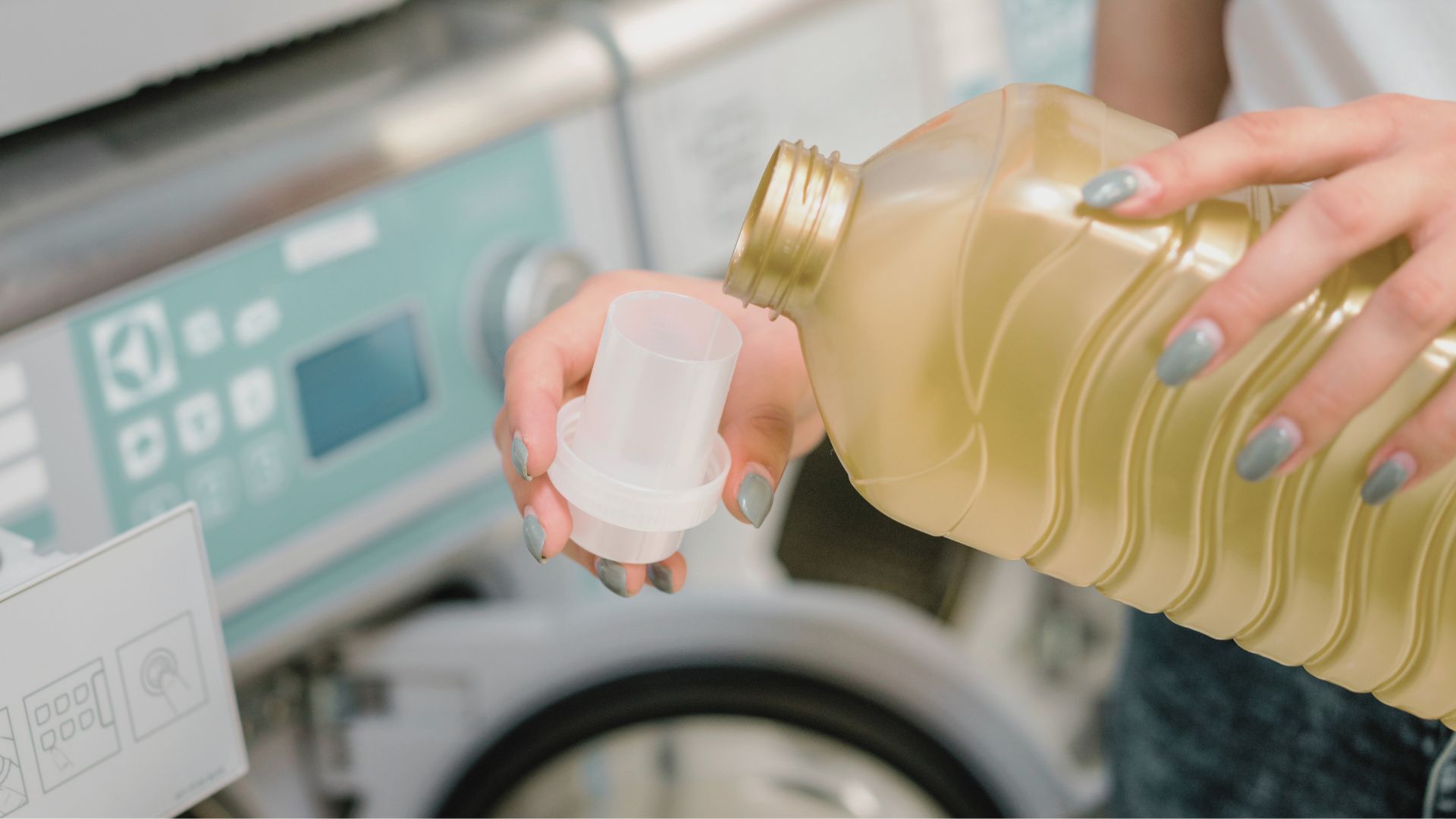
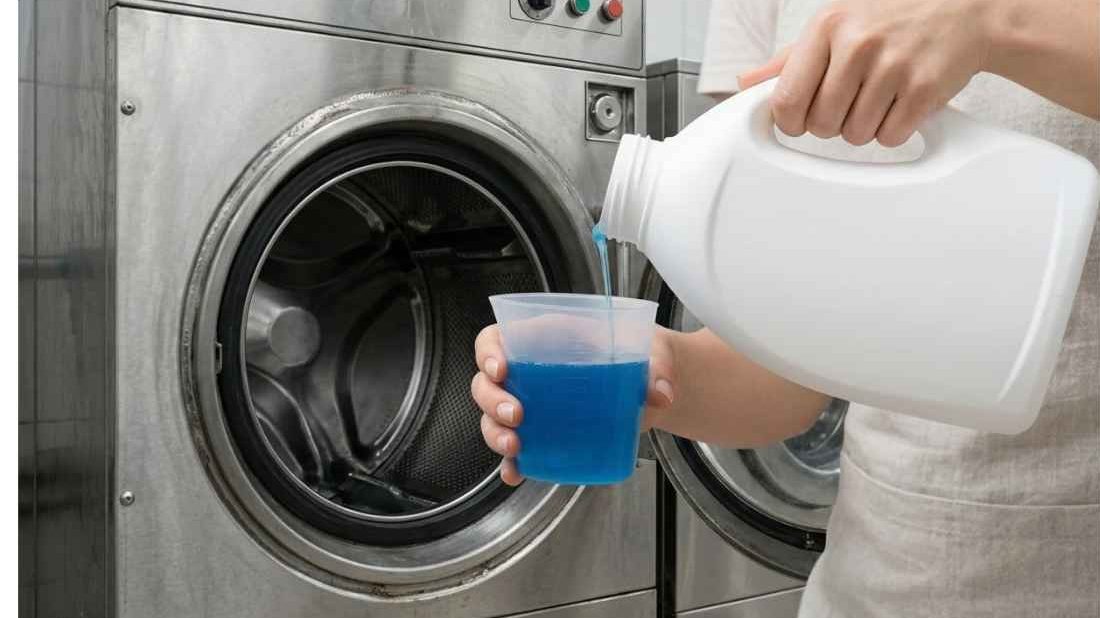
Many people believe that using more liquid or powdered detergent will make clothes cleaner, especially when garments contain a lot of sweat, dust, or stains. However, cleaning performance does not depend solely on the amount of detergent used. It also depends on the laundry load, soil level, water quality, and selected wash cycle.
When too much detergent is used, the washing machine may struggle to rinse away all the excess product, particularly when the drum is overloaded. Detergent residue left behind can make fabrics feel stiff or greasy and may even cause unpleasant odors. Choosing products that are unsuitable for certain fabric types can also affect their color and quality over time.
How to prevent it: Use liquid or powdered detergent according to the manufacturer’s recommended dosage. Adjust the amount based on the laundry load, soil level, and washing machine instructions. Avoid adding extra detergent simply because you want your clothes to be cleaner.
2.2. Washing Clothes in Water That Is Too Hot
Hot water can help remove certain types of stains and is used in specific laundry processes. However, not all fabrics can withstand high temperatures. Choosing an unsuitable water temperature may cause some garments to shrink, become distorted, or lose their durability.
For example, wool and certain fabrics with heat-sensitive fiber structures may change shape when exposed to unsuitable temperatures. For colored garments, hot water may also accelerate fading, depending on the type of dye and the characteristics of the fabric. In addition, high temperatures can affect elastic components, printed designs, and other garment details.
How to prevent it: Check clothing care labels before selecting a washing temperature. For lightly soiled garments and suitable fabric types, cold or low-temperature washing is often a reasonable choice. Only use hot water when the care instructions allow it and the washing process genuinely requires it.
2.3. Overloading the Washing Machine
Putting many clothes into one wash cycle may save time, but exceeding the machine’s recommended load capacity can reduce cleaning performance. When the drum is too full, clothes do not have enough room to move freely, making it difficult for water and detergent to reach all fabric surfaces evenly.
Overloading also increases friction and pulling between garments. Delicate fabrics, clothing with decorative details, and easily distorted garments may become wrinkled, develop pilling, or suffer seam damage. In addition, clothes may not be rinsed thoroughly and may retain more water after the spin cycle.
How to prevent it: Divide laundry into loads that match the washing machine’s capacity. Do not consider only the number of garments; their weight and fabric thickness should also be taken into account. Towels, blankets, and thick clothing should be washed according to the appliance manufacturer’s instructions to ensure effective cleaning.
2.4. Scrubbing and Rubbing Clothes Too Hard When Removing Stains
When people notice stains on their clothes, they often use stiff brushes or rub the fabric repeatedly with excessive force to remove them quickly. However, this approach can damage fabric surfaces, particularly delicate materials, knitted fabrics, and garments with soft textures.
Excessive friction can cause fibers to pill or break, making the treated area rough. In some cases, improper scrubbing can also spread the stain or push it deeper into the fabric fibers, making it more difficult to remove.
How to prevent it: Treat stains as soon as possible using a method suitable for the specific stain and fabric type. Instead of scrubbing aggressively, gently blot away excess dirt before applying a stain remover according to its instructions. For fabrics that are prone to fading, test the product on an inconspicuous area before applying it more widely.
2.5. Overusing Fabric Softener to Make Clothes Smell Better for Longer
Fabric softener is commonly used to make clothes feel softer and smell pleasant after washing. However, using more fabric softener does not necessarily mean that garments are receiving better care. Certain ingredients in fabric softeners can leave a coating on fabric surfaces, potentially affecting the performance of some textile products.
For towels, cleaning cloths, and sportswear designed to absorb moisture or wick it away, unsuitable fabric softener may reduce their functional performance. Using more than the recommended amount can also leave residue in the washing machine’s dispenser, particularly when the appliance is not cleaned regularly.
How to prevent it: Use fabric softener only when necessary and follow the recommended dosage. For towels, sportswear, and fabrics with special functional properties, check the care labels to determine whether fabric softener is appropriate. Fragrance should not be the only factor used to evaluate laundry quality.
2.6. Leaving Clothes in Direct Sunlight for Too Long
Drying clothes outdoors allows garments to dry through a combination of sunlight, temperature, and airflow. However, exposing clothes to strong direct sunlight for extended periods can affect colorfastness and certain fabric properties.
Ultraviolet (UV) rays from sunlight can accelerate the degradation of certain dyes, causing colored garments to fade or lose their brightness. Prolonged exposure to high temperatures may also affect heat-sensitive fabrics, elastic components, and printed designs.
For white garments, sunlight is not always harmful. However, excessive drying time or failure to follow care instructions can still contribute to fabric deterioration.
How to prevent it: Choose a well-ventilated drying area with suitable light exposure, and avoid prolonged direct sunlight for colored garments or heat-sensitive fabrics. Turning clothes inside out before drying can help reduce direct exposure to their outer surfaces. Remove garments once they are dry instead of leaving them outdoors longer than necessary.
2.7. Washing Clothes Too Frequently or Unnecessarily
Washing clothes regularly is an important part of maintaining personal hygiene, but washing frequency should be appropriate for each garment. Every washing cycle creates a certain amount of stress on fabric fibers through soaking, agitation, spinning, and rinsing. If clothes are exposed to unnecessary friction repeatedly, their surfaces and colors may deteriorate more quickly over time.
This effect can be more noticeable in garments made from delicate fabrics, clothing with special structures, or items that require specific care. However, avoiding unnecessary washing should never come at the expense of hygiene. Underwear, workout clothes, heavily sweat-soaked garments, and visibly soiled clothing should be washed appropriately after use.
How to prevent it: Determine washing frequency based on garment type, soil level, perspiration, and usage conditions. Items worn briefly that show no signs of dirt may be aired out before deciding whether they need another wash, provided this is consistent with hygiene requirements. Conversely, garments that come into direct contact with the body or may be contaminated should be cleaned at the appropriate time.
2.8. Using Bleach That Is Unsuitable for the Fabric
Bleach can help remove certain stains and brighten clothes, but not every product is suitable for all fabric types. Some people have a habit of using strong bleach on both white and colored garments or increasing the concentration in an attempt to remove stains more quickly.
Using incompatible chemicals can cause clothes to fade, develop discoloration, or experience reduced fiber strength. Certain materials, such as wool, silk, and other fabrics requiring special care, can be particularly vulnerable to damage when exposed to unsuitable bleaching agents.
How to prevent it: Carefully read clothing care labels and the instructions on bleach packaging before use. Choose products that are compatible with the fabric type and garment color, and follow the recommended dosage. Never mix bleach with vinegar, acids, ammonia, or other cleaning products unless their compatibility has been explicitly confirmed, as this may produce dangerous toxic gases.
3. How to Wash Clothes Properly to Maintain Fabric Durability
After identifying the habits that can cause clothes to deteriorate more quickly, users should establish more appropriate laundry practices. Effective garment care does not necessarily require using more products or performing complicated procedures. The key is to choose a washing method that suits the characteristics of each fabric type.
3.1. Read Clothing Care Labels Carefully
Clothing care labels provide important information about washing temperatures, whether bleach can be used, drying methods, and storage requirements. These instructions help users avoid practices that may cause garments to shrink, fade, or become distorted.
For garments made from multiple fiber types, follow the care instructions provided for the finished product. If an item requires specialized cleaning, do not automatically use a regular washing cycle simply to save time.
3.2. Sort Clothes Before Washing
Sorting clothes by color, fabric type, and soil level helps prevent color bleeding while making it easier to select an appropriate wash cycle. White garments should be separated from colored items that may bleed, while delicate or easily distorted clothing requires gentler handling.
In addition, zipping up zippers, fastening hooks, and turning suitable garments inside out before washing can help reduce friction and prevent surface damage. For garments with decorative details or fabrics that are prone to pilling, laundry bags can provide additional protection during the washing cycle.
3.3. Choose the Right Wash Cycle and Laundry Detergent
Different garments may require different washing programs depending on their fabric composition and soil level. Everyday clothing, sportswear, towels, and delicate garments do not necessarily need to be washed using the same cycle.
Choose a wash program based on the manufacturer’s instructions, and use laundry detergent that is suitable for both the washing machine and the fabric type. Avoid combining multiple chemicals or increasing detergent quantities beyond the recommended dosage in an attempt to shorten the cleaning process.
3.4. Clean the Washing Machine Regularly
Washing machines need regular cleaning to prevent detergent residue, lint, and dirt from accumulating during use. If the detergent dispenser, drum, or door seal is not cleaned properly, unpleasant odors may develop and affect laundry performance.
Users should run the machine’s cleaning cycle according to the manufacturer’s instructions and clean the components as recommended. Do not mix washing machine cleaning products with bleach or other chemicals without first confirming that they are compatible.
4. What Are the Benefits of Washing Clothes Properly?
Adjusting improper washing habits that damage clothes not only helps keep garments clean but also provides several long-term benefits.
Extending garment lifespan: Reducing friction, excessive heat, and exposure to unsuitable chemicals helps minimize the risk of fading, shrinking, pilling, and weakened fabric fibers. As a result, garments can maintain their shape and quality through more washing cycles.
Saving household expenses: When clothes are less likely to become damaged, users can reduce the need to replace garments frequently. Using the correct amount of detergent and selecting suitable wash programs also helps prevent product waste.
Using water and energy more efficiently: Sorting laundry, choosing appropriate washing temperatures, and operating the machine with a suitable load can help reduce resource consumption, depending on the equipment and selected washing program.
Maintaining garment quality and appearance: Properly cared-for clothes are more likely to retain their color, softness, and original shape. This is particularly important for valuable garments or items that require special care.
5. Green Laundry – Suitable Fabric Care Solutions for Businesses
For households, maintaining proper laundry habits helps keep clothes clean and in good condition. Meanwhile, for hotels, spas, healthcare facilities, and businesses that handle large volumes of textiles, laundry quality control also involves operational procedures, chemical management, and the hygiene requirements of different product categories.
Green Laundry provides laundry solutions tailored to the needs of business customers, with a focus on textile processing procedures and service quality. Selecting appropriate washing methods for different fabric types, combined with effective control over cleaning and drying processes, plays an important role in maintaining textile quality after multiple usage cycles.
For businesses handling large volumes of textiles, using professional laundry services can help optimize daily operations, reduce operational pressure, and support more effective linen management. Appropriate processing procedures also help minimize unnecessary stress on fabrics during cleaning.
If your business is looking for laundry solutions for hotels, spas, or other operations that require regular textile processing, Green Laundry can support you in selecting a service plan that meets your actual needs.
Some washing habits that damage clothes may seem helpful for achieving better cleaning results, but they can actually cause fabrics to deteriorate more quickly when performed incorrectly. Using too much detergent, washing clothes in excessively hot water, overloading the washing machine, scrubbing too hard, overusing fabric softener, or leaving garments under strong sunlight for too long can all affect clothing durability. Using bleach that is unsuitable for the fabric can also increase the risk of fading and fiber damage.
To keep clothes clean and in good condition, start with a few simple changes: read care labels carefully, sort laundry properly, use the correct amount of detergent, and select suitable wash programs. Proper garment care not only extends clothing lifespan but also helps reduce expenses and use resources more efficiently in everyday life.
>>>> Read more: Why is baking soda considered a powerful helper in laundry care?
Green Laundry – the leading company in providing quality and professional laundry solutions in Vietnam
Email: greenlaundry@giatuixanh.com
Phone: 028 36 222 180
Fanpage: Giặt Ủi Xanh – Chuyên Giặt Ủi Công Nghiệp
Address: Lot A57/II-Lot 58/II, Road No. 2D, Vinh Loc Industrial Park, Binh Tan Ward, Ho Chi Minh City.