
For businesses operating in the hotel, healthcare, restaurant, manufacturing, and hospitality industries, laundry is an activity that needs to be maintained regularly. The volume of textiles generated each day can be substantial, requiring stable processing procedures, consistent quality, and on-time delivery. Therefore, choosing a suitable laundry service provider does not simply address immediate needs; it also directly affects long-term operational efficiency.
Instead of constantly searching for and changing suppliers, many businesses prioritize building relationships with a long-term laundry partner. This ongoing collaboration allows both parties to understand the business’s operational characteristics, quality requirements, and specific standards, resulting in more effective coordination throughout the textile processing process.
So why should businesses prioritize long-term cooperation rather than choosing laundry services on a case-by-case basis? Below are some of the key benefits this partnership model can offer.
1. Maintaining Consistent and Uniform Laundry Quality
The quality of textiles after washing directly affects user experience and a business’s professional image. For example, hotels need clean and soft towels and bed linens; hospitals require textiles to be processed according to appropriate hygiene requirements; and restaurants need tablecloths and uniforms to remain clean and presentable.
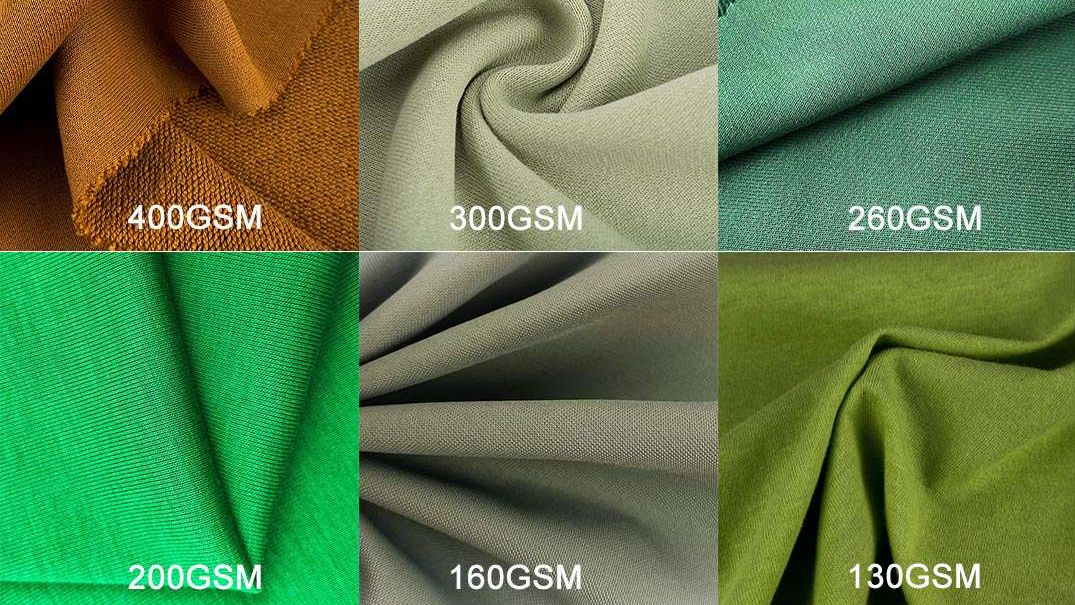
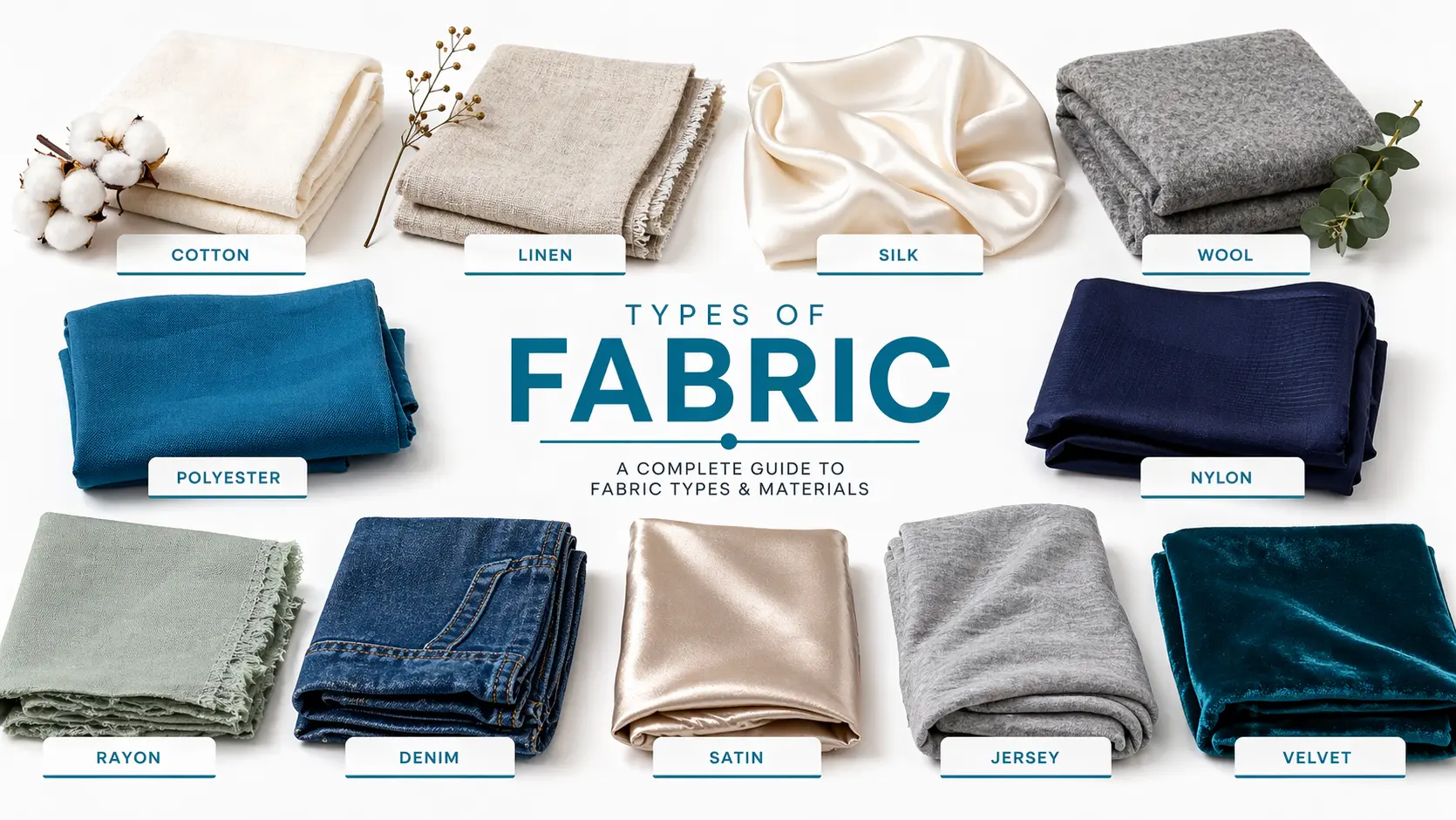
When working with a long-term laundry partner, businesses have the opportunity to establish and standardize specific textile processing requirements. The service provider can become familiar with fabric characteristics, soil levels, cleaning requirements, and special handling instructions for each product category.
Over time, the laundry process can be adjusted based on actual feedback and operational needs. This helps minimize quality differences between processing cycles while reducing the risk of issues such as residual stains, unpleasant odors, color fading, or premature fabric deterioration.
In particular, maintaining a long-term laundry partner also makes it easier for businesses to monitor service quality through previously agreed criteria. Instead of repeatedly explaining processing requirements to new suppliers, both parties can focus on addressing areas that need improvement and maintaining consistent quality standards.
2. Optimizing Costs and Managing Budgets Effectively
Laundry costs do not simply include service rates. They also involve various factors such as textile volume, processing frequency, transportation expenses, sorting requirements, and unexpected costs that may arise during cooperation.
Frequently changing service providers can require businesses to spend additional time researching suppliers, comparing quotations, evaluating quality, and renegotiating service terms. In some cases, an initially attractive price may lead to additional expenses due to inconsistent quality or inefficient coordination procedures.
In contrast, when choosing a long-term laundry partner, businesses can develop service plans based on actual textile volumes and operational requirements. The service provider can also use this information to forecast production volumes, allocate resources, and recommend more suitable processing solutions.
Furthermore, both parties can agree on pricing policies, payment methods, and other relevant terms for a specified period. This allows businesses to plan their budgets more proactively, minimize unnecessary fluctuations, and monitor expenses more easily across different periods.
A suitable long-term laundry partner does not necessarily have to be the provider offering the lowest price. Instead, the provider should deliver a balance between cost, quality, and service efficiency. This is the key factor in helping businesses optimize their budgets over the long term.
3. Saving Time and Internal Management Resources
Maintaining laundry operations requires businesses to spend time on various tasks, including finding suppliers, communicating requirements, inspecting quality, verifying quantities, and handling unexpected issues. If service providers are constantly changed, these tasks can become an additional burden for management and operational teams.
Working with a long-term laundry partner helps businesses reduce repetitive tasks associated with selecting and setting up services. Once both parties understand how to coordinate, communication, collection and delivery scheduling, and the handling of routine requests become more convenient.
Businesses also do not need to spend excessive time explaining basic standards again whenever a new order is placed. Instead, employees can focus on more important activities, such as customer service, product quality management, and business development.
For businesses handling large textile volumes, maintaining a long-term laundry partner can also reduce the pressure of coordinating with multiple suppliers. Having one stable service provider helps make management procedures clearer and more consistent.
4. Ensuring Processing Timelines and Meeting Business Needs
In business operations, clean textiles need to be available at the right time to avoid disrupting related activities. Hotels need towels and bed linens to prepare guest rooms, hospitals require textiles for patient care, and restaurants need clean tablecloths and uniforms for each working shift.
If a service provider cannot meet collection and delivery schedules, businesses may face shortages of clean textiles, accumulated soiled laundry, or the need to adjust their operating plans.
When working with a long-term laundry partner, both parties can proactively agree on collection schedules, turnaround times, delivery frequency, and expected processing volumes. By understanding the customer’s recurring needs, the laundry provider has a better basis for allocating personnel, machinery, and processing capacity.
In addition, a stable partnership makes it easier for both parties to communicate when there are changes in production volumes or unexpected requirements. For example, during peak tourism seasons, special events, or periods when a business increases its operating capacity, the service provider can coordinate with the customer to consider suitable solutions based on actual operational capabilities.
However, service capacity and response capabilities still need to be clearly defined in the service agreement. Businesses should choose a long-term laundry partner with appropriate processing capacity, clear collection and delivery procedures, and contingency plans for unexpected situations.
5. Minimizing Risks and Making Service Quality Easier to Control
One of the common challenges businesses face when using laundry services is inconsistent quality, missing textiles, incorrect delivery quantities, or processing that does not meet specific requirements. Without clear control procedures, these incidents can affect business operations and increase the costs of corrective actions.
Choosing a long-term laundry partner creates opportunities for both parties to establish clear quality control procedures from the beginning. The agreed requirements may include:
- Quality standards: Define cleanliness levels, the condition of textiles after washing, fragrance requirements, and product finishing standards.
- Inventory checking procedures: Agree on how textile quantities are recorded during collection and delivery to minimize losses or discrepancies.
- Collection and delivery schedules: Establish collection times, completion deadlines, and responsibilities in the event of delays.
- Incident handling: Define solutions for situations involving damaged or missing textiles, or products that fail to meet agreed standards.
- Periodic evaluations: Monitor service quality, response capabilities, and areas requiring improvement throughout the partnership.
When these criteria are consistently maintained, businesses can evaluate service provider performance more easily and identify issues that require adjustment. This also provides a foundation for building a transparent partnership, minimizing disputes, and strengthening the accountability of both parties.
6. Enabling Process Improvements to Support Business Growth
A business’s laundry requirements are not always fixed. As a business expands its operations, increases the number of rooms, introduces additional services, or changes its operating standards, the volume and characteristics of textiles requiring processing may also change.
A long-term laundry partner has the advantage of understanding the business’s cooperation history, textile characteristics, and specific requirements. As a result, discussions about process adjustments can take place more smoothly.
For example, when a business increases the volume of textiles requiring processing, both parties can consider adjusting collection and delivery schedules. If new fabric categories are introduced, the service provider can discuss appropriate sorting and processing methods. When a business needs to improve its hygiene standards, both parties can also review technical requirements and quality control criteria.
Beyond meeting current needs, a long-term laundry partner can also support businesses in improving resource efficiency, controlling chemical usage, and protecting textile durability. These factors are important for sustainable business operations.
7. Key Criteria Businesses Should Consider When Choosing a Long-Term Laundry Partner
Long-term cooperation can only deliver real benefits when businesses choose a service provider with the right capabilities and a good understanding of their operational requirements. Therefore, before signing a contract, businesses should evaluate potential partners based on specific criteria.
Processing Capacity and Machinery: The laundry provider should have sufficient capacity to handle the business’s textile volume, together with equipment suitable for processing different product categories.
Processes and Quality Standards: Businesses should understand how the provider sorts, washes, dries, finishes, and inspects textiles. In particular, companies operating in industries with strict hygiene requirements should carefully evaluate the processing procedures and relevant standards.
Experience Serving Corporate Clients: Experience working with hotels, hospitals, restaurants, or factories helps laundry providers better understand the characteristics of different textile categories and the operational requirements of each industry.
Costs and Partnership Policies: Pricing should be transparent, calculation methods for laundry volume should be clearly defined, and any additional charges must be agreed upon before service implementation. Businesses should also pay attention to payment policies and price adjustment terms throughout the partnership.
Collection, Delivery, and Customer Support: The service provider should have an appropriate collection and delivery plan, a clear point of contact, and the ability to coordinate when requests arise outside the original schedule.
In addition, businesses should consider requesting a trial processing service for a certain quantity of textiles before signing a long-term contract. This is a practical way to evaluate actual cleaning quality, processing time, and the provider’s ability to meet service requirements.
A reliable long-term laundry partner should not only complete individual orders successfully but also maintain consistent quality, ensure transparency throughout the partnership, and adapt to changing business needs.
8. Green Laundry – Supporting Businesses with Professional Laundry Services
For businesses with recurring textile processing requirements, choosing a professional laundry service provider is a solution that can help optimize resources and maintain service quality. However, successful cooperation depends not only on cleaning performance but also on operating procedures, collection and delivery capabilities, and coordination between both parties.
Green Laundry aims to provide laundry solutions for corporate clients, supporting the processing of different textile categories according to actual usage needs and operational requirements. Depending on each business’s characteristics, customers can discuss textile volumes, washing frequency, fabric types, and required quality standards to receive recommendations for suitable service solutions.
Building a relationship with a long-term laundry partner such as Green Laundry can help businesses reduce the pressure of managing in-house laundry operations, allocate resources to their core business activities, and gradually improve their textile management procedures.
Green Laundry aims to accompany customers by providing suitable service solutions, clear coordination procedures, and careful attention to quality throughout every stage of textile processing.
If your business is looking for a laundry service provider for long-term cooperation, contact Green Laundry for consultation and to discuss your service requirements.
Choosing a long-term laundry partner not only helps businesses meet their recurring textile cleaning needs but also delivers various benefits in management and operations. From maintaining consistent quality and optimizing budgets to saving time, minimizing risks, and improving processes, a sustainable partnership can create practical value for both parties.
However, to achieve these benefits, businesses need to select service providers based on actual capabilities, service quality, transparent costs, and the ability to meet long-term requirements. A suitable long-term laundry partner is more than just a service provider; it is a business partner that contributes to stable operations and sustainable growth.
>>>> Read more: Why is baking soda considered a powerful helper in laundry care?
Green Laundry – the leading company in providing quality and professional laundry solutions in Vietnam
Email: greenlaundry@giatuixanh.com
Phone: 028 36 222 180
Fanpage: Giặt Ủi Xanh – Chuyên Giặt Ủi Công Nghiệp
Address: Lot A57/II-Lot 58/II, Road No. 2D, Vinh Loc Industrial Park, Binh Tan Ward, Ho Chi Minh City.