In industrial laundry operations, cleaning quality depends not only on modern machinery, water temperature, and washing time but also directly on how chemicals are used. Each chemical serves a specific purpose, from removing stains and breaking down grease to supporting bleaching, neutralization, and fabric finishing. Therefore, using the right chemicals in appropriate quantities is essential for maintaining consistent washing performance.
For laundry facilities serving hotels, hospitals, restaurants, and manufacturing businesses, chemical control is particularly important. An appropriate dosing procedure not only improves the quality of finished laundry but also contributes to efficient resource utilization, reduces operational risks, and enhances the overall stability of the laundry system.
1. What Is Chemical Dosing in Industrial Laundry?
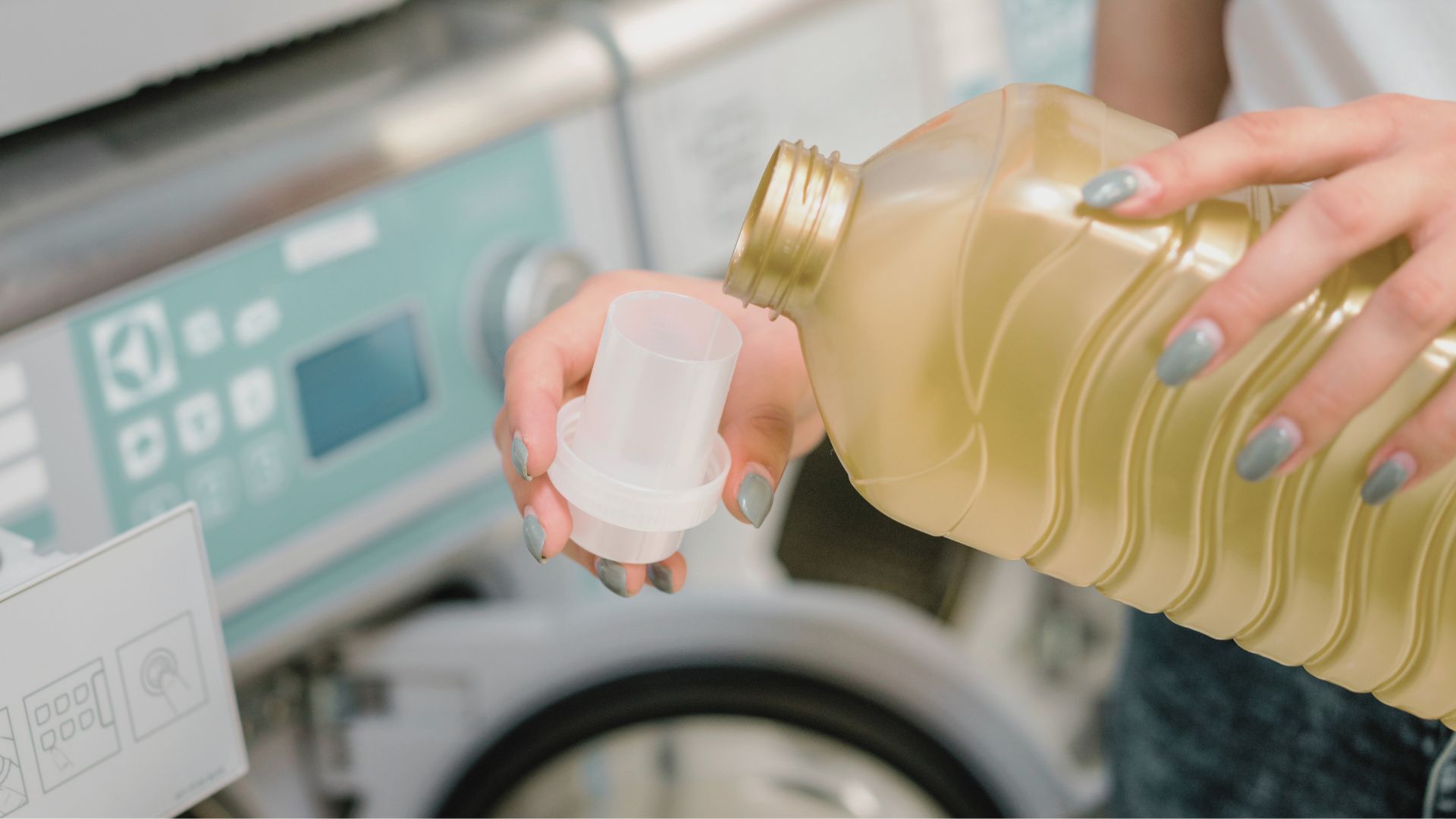
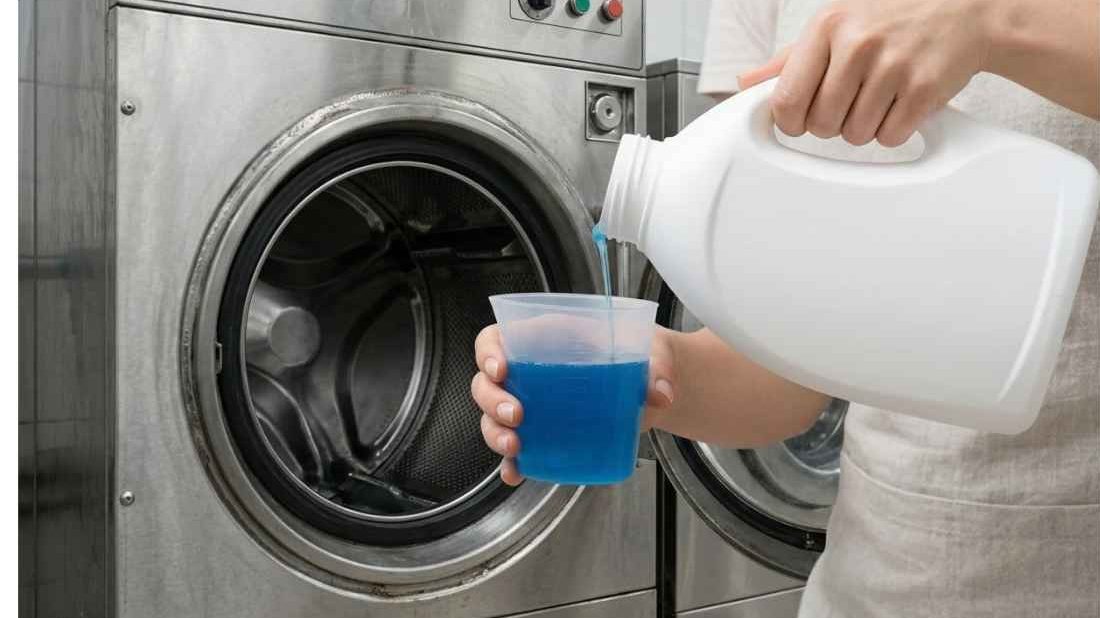
Chemical dosing in industrial laundry is the process of determining and supplying the required amount of chemicals for each wash load based on specific operating parameters. These parameters may include the dry weight of the laundry, fabric type, soil level, water volume, temperature, washing time, and the characteristics of each chemical product.
In an industrial laundry process, several groups of chemicals may be used for different purposes. For example, main detergents help remove dirt and grease; bleaching agents are used to treat certain stains or discoloration; and neutralizing agents help adjust the pH after the necessary washing stages. Some processes also use products that help soften or finish fabrics.
Each product has its own composition, concentration, and usage instructions. Therefore, a single dosage cannot be applied to all chemical products or every wash load. Accurate chemical dosing in industrial laundry must be based on the manufacturer’s instructions, actual operating conditions, and the quality requirements of each laundry category.
At facilities handling large laundry volumes, chemical dosing is generally controlled through standardized procedures or automatic dosing systems. These systems can dispense chemicals according to preset programs, reducing reliance on manual operations and improving consistency between wash loads. However, equipment can only perform effectively when correctly configured, properly calibrated, and regularly maintained.
2. Why Is Accurate Chemical Dosing Necessary in Industrial Laundry?
2.1. Ensuring Effective Cleaning and Stain Removal
The primary objective of industrial laundry is to remove dirt, grease, sweat, and other contaminants from fabrics. To achieve this, the amount of chemicals used must be appropriate for the characteristics of each laundry load and the required treatment conditions.
If the amount of chemical used is lower than necessary, cleaning performance may not meet the required standards. Laundry may still contain visible stains, develop unpleasant odors, or require additional treatment. This increases operating time, consumes more water, electricity, and chemicals, and may also affect laundry delivery schedules.
On the other hand, using more chemicals does not necessarily result in better cleaning. When the dosage exceeds the appropriate level, chemicals may not be completely removed during the rinsing stages, leaving residues on fabrics or increasing the amount of water required for rinsing. Treatment effectiveness may also be affected if the chemical dosage is incompatible with the temperature, processing time, or water characteristics.
Therefore, accurate chemical dosing helps balance cleaning performance with the amount of chemicals required. This provides a foundation for maintaining consistent finished-laundry quality, particularly at facilities that process large quantities of textiles every day.
2.2. Protecting Fabric Quality and Extending Linen Lifespan
Textiles used in hotels, hospitals, and restaurants often go through multiple washing cycles within a short period. If chemicals are not used correctly, fabric quality may gradually deteriorate over time.
Using chemicals at excessively high concentrations, especially when combined with unsuitable temperatures or processing times, can weaken fabric fibers, cause colors to fade more quickly, or make fabric surfaces feel rough. For delicate materials, the risk of damage may increase when unsuitable detergents or bleaching products are used.
In addition, excessive chemical residues may remain on fabrics if the rinsing process does not meet the required standards. This can affect the feel of the finished laundry, reduce product quality, and result in textiles having to be washed again.
Controlling industrial laundry chemical dosing helps minimize these risks while maintaining fabric color, softness, and durability. When textile lifespan improves, businesses can also reduce the frequency of replacing towels, bed linens, uniforms, and other frequently used fabric products.
2.3. Reducing Chemical Costs and Optimizing Operating Budgets
Chemicals are one of the operating expenses that need to be controlled in industrial laundry. When processing large laundry volumes, even a small amount of excess chemical used in each wash load can accumulate into significant consumption over time.
Without clear dosing procedures, employees may use chemicals based on personal judgment or increase the dosage when handling heavily soiled laundry. This practice leads to inconsistent chemical consumption and makes cost forecasting more difficult.
In contrast, when chemical quantities are determined based on laundry weight and treatment requirements, facilities can monitor actual consumption, identify unusual patterns, and adjust procedures when necessary. Using the correct chemical dosage also helps reduce the risk of rewashing due to insufficient cleaning or chemical residues remaining on fabrics.
Accurate dosing therefore not only helps save chemicals but also supports the control of total costs per kilogram of finished laundry. This is a useful indicator for businesses to evaluate operational efficiency and develop long-term budget plans.
2.4. Minimizing Water and Energy Waste
The relationship between chemicals, water, and energy in industrial laundry is often overlooked when evaluating operational efficiency. In practice, inappropriate chemical dosing may require process adjustments or additional stages to achieve the required quality standards.
For example, when excessive chemicals are used and residues remain on fabrics after washing, facilities may need to increase rinsing or reprocess the laundry. This increases water consumption, extends operating time, and may create additional demand for water heating or drying.
Conversely, if the amount of chemicals is insufficient to remove stains, rewashing also results in additional resource consumption. These extra costs can become significant when such situations occur frequently in industrial-scale operations.
Therefore, accurate chemical dosing should be considered part of an overall strategy for optimizing the entire laundry process. When chemicals, water volume, temperature, processing time, and machine operation are properly coordinated, facilities can minimize unnecessary stages and use resources more efficiently.
2.5. Ensuring Worker and Environmental Safety
Industrial laundry chemicals have different properties depending on their composition and intended applications. Some products are strongly alkaline, acidic, or oxidizing, so they must be stored, prepared, and used in accordance with the relevant safety instructions.
Uncontrolled manual dosing can increase the risk of exposure to concentrated chemicals, spills, or the use of inappropriate quantities. In particular, mixing incompatible products without authorization may cause dangerous chemical reactions. Employees must receive proper training on chemical handling, use appropriate personal protective equipment, and follow workplace safety procedures.
Accurate dosing also helps limit the amount of excess chemicals entering wastewater streams. However, to reduce environmental impacts, industrial laundry facilities still need to implement additional measures, such as selecting suitable products, managing wastewater, and complying with relevant regulations.
Therefore, accurate chemical dosing in industrial laundry serves not only the purpose of cleaning but also contributes to creating a safer working environment and more responsible operating processes.
3. Factors Affecting the Amount of Chemicals Required
There is no single dosage that is suitable for every wash load. To determine the appropriate amount of chemicals, facilities need to consider several factors together.
3.1. Laundry Load and Soil Level
The dry weight of laundry is an important basis for calculating the amount of chemicals required for each wash load. When the actual laundry weight changes but the chemical quantity remains unchanged, the chemical concentration in the washing process may no longer be appropriate.
The level of soiling also affects treatment requirements. Lightly soiled textiles may not require the same washing program as towels or uniforms containing large amounts of grease, organic stains, or other difficult-to-remove contaminants. However, chemical dosages should not be increased automatically based only on visual inspection. Adjustments must follow verified procedures and the manufacturer’s recommendations.
3.2. Fabric Type and Color
Different fabrics have different levels of resistance to chemicals, temperature, and mechanical action. Cotton, blended fabrics, synthetic fibers, and specialized materials may require separate washing programs.
Colored textiles also need appropriate treatment to minimize fading or color transfer to other items. For delicate fabrics, selecting the wrong chemicals or using unsuitable concentrations may damage the products.
Therefore, chemical dosing must be closely linked to laundry sorting and the selection of appropriate washing programs, rather than applying one general formula to all laundry items.
3.3. Water Quality
Water hardness and certain mineral components can affect the performance of laundry chemicals. Under hard-water conditions, mineral ions may reduce the effectiveness of certain detergent ingredients and contribute to scale formation.
For this reason, industrial laundry facilities need to assess water quality to select suitable products, establish appropriate dosages, and determine the right treatment programs. If water quality changes seasonally or varies according to the water supply system, regular testing can also help identify factors that may affect washing performance.
3.4. Chemical Types and Dosing Equipment
Each chemical product has its own concentration, composition, and usage instructions. Therefore, the same volume or weight should not be applied to different products simply because they serve similar functions.
In addition, dosing accuracy depends on the condition of the chemical dispensing equipment. Dosing pumps, pipelines, sensors, and control units need to be inspected regularly to ensure that the actual amount of chemicals supplied matches the preset specifications.
When changing chemical products or operating conditions, facilities should review their dosing programs instead of keeping previous settings without verification.
4. How Can Accurate Chemical Dosing Be Controlled in Industrial Laundry?
4.1. Establishing Standard Chemical Dosing Procedures
Industrial laundry facilities should establish specific procedures for each laundry category and soil level. These procedures should define the chemicals to be used, the appropriate quantities based on relevant instructions, the necessary operating conditions, and the criteria for evaluating post-wash quality.
Standardization provides employees with clear guidelines, reducing situations in which individuals use chemicals based solely on personal experience. Procedures should also be reviewed whenever there are changes to equipment, chemicals, water sources, or customer requirements.
4.2. Prioritizing Automatic Chemical Dosing Systems When Appropriate
For facilities handling large laundry volumes and multiple washing programs, automatic dosing systems can help dispense chemicals according to preset quantities and timings. This solution reduces manual operations, improves consistency between wash loads, and makes chemical consumption easier to monitor.
However, an automatic system does not guarantee that chemical quantities will always be accurate. Equipment must be installed correctly, configured according to technical recommendations, and regularly inspected and calibrated to ensure proper flow rates. Employees should also know how to identify chemical dispensing errors so that they can respond promptly.
4.3. Training Employees to Use Chemicals Correctly
People remain an important factor in maintaining safe and effective industrial laundry operations. Employees need to be trained on how to read product labels, follow chemical preparation procedures, use personal protective equipment, and respond to incidents according to safety instructions.
In addition, facilities should clearly assign responsibility for checking chemical quantities, monitoring equipment conditions, and recording unusual changes. Regular training helps minimize operational errors and improve employees’ awareness of resource conservation.
4.4. Monitoring Chemical Consumption and Evaluating Post-Wash Quality
To maintain effective control, facilities should monitor the amount of chemicals consumed in relation to the weight of laundry processed. This data helps identify wash loads with unusually high consumption and evaluate whether the current dosing program is appropriate.
In addition to consumption figures, finished laundry should be inspected for cleanliness, fabric condition, post-wash odor, and signs of chemical residue. If quality requirements are not met, facilities should identify the cause by reviewing sorting procedures, chemicals, water quality, temperature, processing time, and equipment before adjusting the dosage.
Combining operational data with quality inspections allows businesses to optimize their processes based on actual performance rather than increasing or reducing chemical quantities based on guesswork.
5. Accurate Chemical Dosing: A Solution for Improving Operational Efficiency with Green Laundry
In industrial laundry, finished-product quality is the result of several coordinated factors, including equipment, procedures, chemicals, water quality, and operational capabilities. Among these factors, controlling chemical quantities is an important step in maintaining cleaning performance, minimizing fabric damage, and using resources efficiently.
For businesses that need to process textiles regularly, choosing a professional laundry service can help reduce the management burden associated with operating an in-house laundry system. Green Laundry aims to provide laundry services for corporate clients, with a focus on textile treatment procedures that meet actual usage needs and quality requirements.
Beyond cleaning results, businesses should pay attention to chemical control, textile quality management, and operational efficiency monitoring. These factors contribute to establishing stable laundry processes, minimizing waste, and supporting long-term cost control.
If your business is looking for a suitable laundry solution, contact Green Laundry to discuss your textile processing requirements and the services that best meet your needs.
Accurate chemical dosing is one of the fundamental factors determining the effectiveness of industrial laundry processes. Using the correct amount of chemicals improves cleaning performance, protects fabric quality, minimizes water and energy waste, and contributes to operational safety.
To achieve long-term efficiency, industrial laundry facilities need to combine standardized dosing procedures, appropriate chemical selection, equipment maintenance, employee training, and regular monitoring of consumption data. When these factors are managed together, businesses can improve washing quality, optimize costs, and establish more stable and sustainable operations.
>>>> Read more: Why is baking soda considered a powerful helper in laundry care?
Green Laundry – the leading company in providing quality and professional laundry solutions in Vietnam
Email: greenlaundry@giatuixanh.com
Phone: 028 36 222 180
Fanpage: Giặt Ủi Xanh – Chuyên Giặt Ủi Công Nghiệp
Address: Lot A57/II-Lot 58/II, Road No. 2D, Vinh Loc Industrial Park, Binh Tan Ward, Ho Chi Minh City.