Color is one of the key factors determining the appearance and quality of textile products. However, after repeated washing, exposure to sunlight, or contact with external factors, fabrics may fade, bleed, or undergo color changes. This is where fabric colorfastness becomes an important quality criterion. It indicates a textile material’s ability to retain its color when exposed to conditions such as washing, rubbing, light, perspiration, and heat. So, how is fabric colorfastness determined? What factors make fabrics more prone to fading, and how can this problem be minimized during laundry operations?
1. What Is Fabric Colorfastness?
Fabric colorfastness refers to the ability of a textile material to retain its original color or resist color changes when exposed to external factors during manufacturing, washing, and everyday use.
Simply put, fabrics with good colorfastness are less likely to fade, lose their original brightness, or bleed color under normal usage conditions. In contrast, fabrics with poor colorfastness tend to change color more easily after washing, rubbing, or prolonged exposure to light.
However, it is important to understand that fabric colorfastness is not a single characteristic determined by just one test. It is a group of performance criteria covering different aspects, depending on the specific agents to which the fabric is exposed.
For example, a shirt may retain its color well when washed with water but fade easily when exposed to strong sunlight. Another type of towel may resist color transfer under dry rubbing but bleed color when exposed to perspiration or laundry detergent.
Therefore, when evaluating fabric colorfastness, it is necessary to identify the product’s intended use and the conditions to which it is regularly exposed. Test results help manufacturers, laundry service providers, and businesses select appropriate washing and care methods.
2. Common Types of Colorfastness Tests
Depending on the product’s characteristics and intended environment, fabrics may be tested for their ability to retain color when exposed to various external factors.
2.1. Colorfastness to Washing
This is an important criterion for products that require frequent cleaning, such as clothing, uniforms, bath towels, bed sheets, and tablecloths.
This test evaluates a fabric’s ability to retain its color after undergoing washing under specified conditions, including temperature, chemicals, washing time, and mechanical action.
When fabric colorfastness does not meet the required standards, products may become faded or transfer dye onto other materials in contact with them. This is particularly important when washing different colored textiles together.
2.2. Colorfastness to Rubbing
During everyday use and laundry processing, fabric surfaces are frequently exposed to friction caused by contact with the body, washing equipment, or other materials.
Colorfastness to rubbing is evaluated based on a fabric’s ability to resist transferring dye onto a contacting surface when friction is applied. Testing is generally performed under both dry and wet rubbing conditions.
Fabrics with good colorfastness to rubbing are less likely to transfer dye onto towels, clothing, or other materials during use.
2.3. Colorfastness to Light
Light, particularly ultraviolet (UV) radiation from sunlight, can alter the structure of certain colorants. After prolonged exposure, textile products may fade or lose their original brightness.
This criterion is particularly important for curtains, upholstery fabrics, outdoor uniforms, and products that are frequently exposed to light.
Evaluating fabric colorfastness to light helps determine how well a material maintains its color under specified lighting conditions, supporting the selection of suitable fabrics for different environments.
2.4. Colorfastness to Perspiration
Perspiration contains various components, and its chemical properties can vary depending on different conditions. When sweat remains in contact with fabric for extended periods, it may affect the dyes, particularly in areas that frequently come into contact with the body.
Colorfastness to perspiration testing is commonly used to evaluate the color retention of clothing, sportswear, and other products worn directly against the skin.
2.5. Colorfastness to Heat
High temperatures during washing, drying, or ironing may affect certain dyes and textile structures. The extent of these changes depends on the fabric material, dye type, and processing conditions.
Therefore, testing fabric colorfastness to heat is necessary for products that must undergo drying or finishing processes at specific temperatures.
3. How Is Fabric Colorfastness Evaluated?
In the textile industry, fabric colorfastness is generally evaluated through testing methods established under technical standards. The results are not based solely on visual inspection; they can also be determined using specialized equipment and evaluation scales.
3.1. Evaluation Using the Grey Scale
The Grey Scale is a commonly used tool for evaluating color changes and staining after testing.
It is generally divided into five grades. Grade 5 indicates little or no noticeable change, while Grade 1 represents a significant and clearly visible color change.
When evaluating color change, inspectors compare the fabric sample before and after testing. For staining evaluation, the contacting material is examined to determine the extent of dye transfer from the original fabric.
This method provides a relatively consistent way to assess fabric colorfastness and helps minimize subjective differences between inspectors.
3.2. Evaluation Using Color Measurement Instruments
In addition to visual comparison, laboratories may use color measurement instruments to determine the difference between the colors of fabric samples before and after testing.
These instruments record color parameters according to a specified color system and calculate the difference between two samples. The results are often expressed using a color difference index, such as Delta E (ΔE).
A higher ΔE value indicates a more noticeable difference between the colors of the two samples. However, the results must be interpreted based on the specific measurement method, color system, and technical requirements.
This method provides a quantitative assessment of fabric colorfastness and is particularly useful for product quality control and comparisons between production batches.
3.3. Testing According to Technical Standards
Several international standards are commonly used to evaluate colorfastness in the textile industry, including:
- ISO 105-C06: Test methods for colorfastness to domestic and commercial laundering.
- ISO 105-X12: Test method for evaluating colorfastness to rubbing.
- ISO 105-B02: Test method for evaluating colorfastness to artificial light.
- ISO 105-E04: Test method for evaluating colorfastness to perspiration.
Depending on the applicable standard, the testing procedure specifies sample preparation conditions, equipment, testing duration, temperature, and evaluation methods.
Selecting the appropriate testing method helps ensure that fabric colorfastness results more accurately reflect the conditions that the product is expected to withstand.
4. Factors Affecting Fabric Colorfastness
The color retention of textile products is influenced by various factors, ranging from manufacturing processes to usage and care practices.
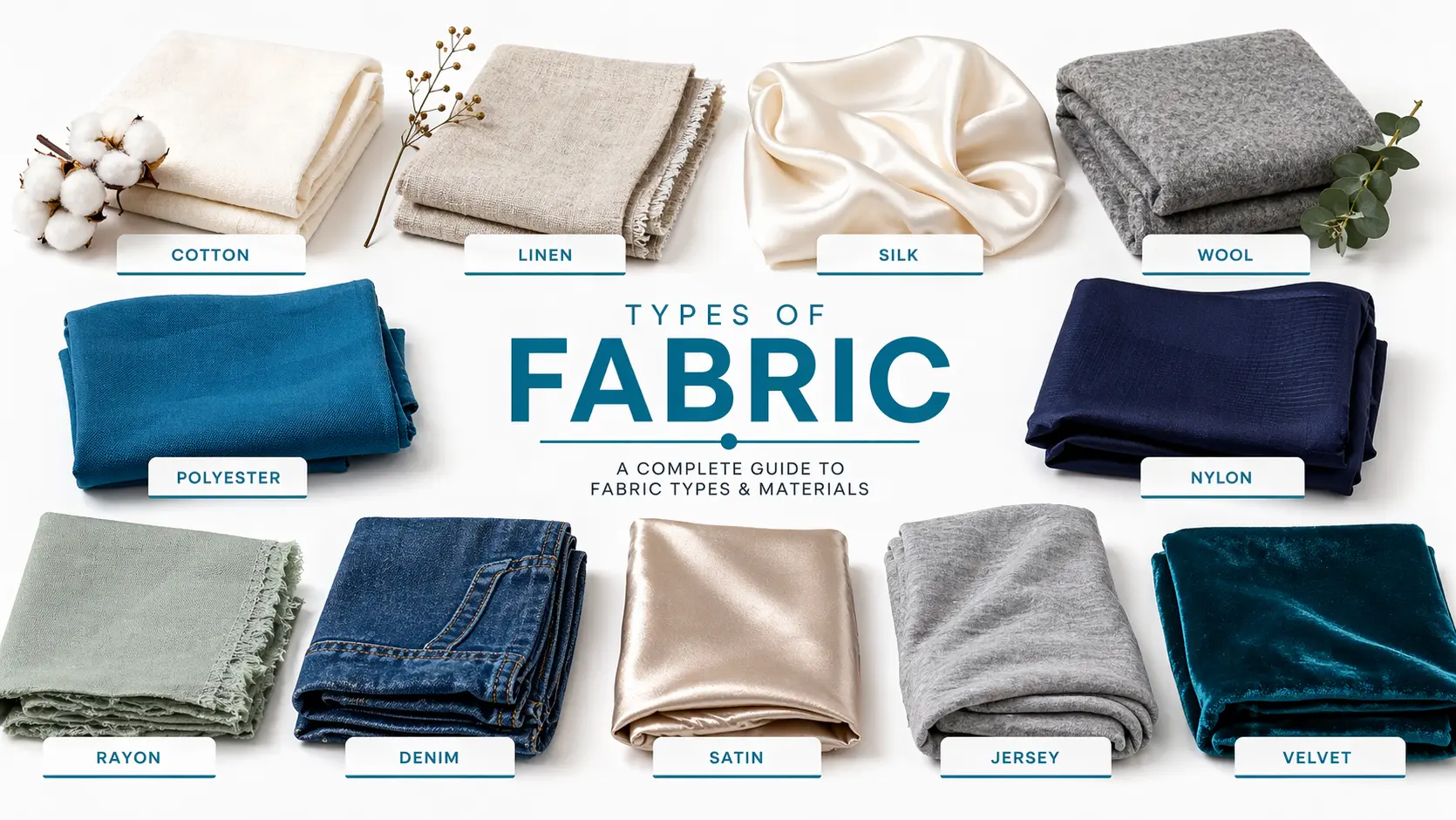
Fiber Type and Fabric Structure: Each material has different characteristics in terms of dye absorption. Cotton, polyester, wool, and silk may require different dye systems and treatment methods. Therefore, material composition is one of the key factors determining fabric colorfastness.
Dye Type and Dyeing Technology: Dye quality, its ability to bond with fibers, and the color-fixing process all affect color retention. If dyeing and finishing processes are not properly controlled, products may become more prone to fading during use.
Laundry Chemicals: Certain chemicals with strong bleaching properties or poor compatibility with specific materials may affect fabric colors. Chemical selection should be based on fabric type, color, and the manufacturer’s care instructions.
Washing Temperature and Duration: High temperatures or unsuitable processing times may increase the risk of color changes in certain fabrics. Therefore, washing programs should be selected according to the characteristics of each product.
Mechanical Action: Excessive friction during washing and spinning can wear down fabric surfaces and affect their ability to retain color.
Light Exposure and Storage Conditions: Prolonged exposure to direct sunlight may cause textile colors to deteriorate. Excessive humidity and unsuitable storage conditions can also affect textile quality.
Therefore, maintaining fabric colorfastness requires simultaneous control of material quality, washing conditions, and care methods rather than focusing on just one stage of the process.
5. How to Protect Fabric Colors During Laundry Operations
To minimize color fading, businesses and individual users should establish washing procedures that suit the characteristics of different textile groups.
Sort Textiles Before Washing: White, light-colored, and dark-colored items should be separated. New products or fabrics that are likely to bleed dye should be checked before being washed together with other items to minimize color transfer.
Choose Suitable Laundry Chemicals: One type of chemical should not be used for every fabric and color. Product selection should be based on fiber composition, soil level, and technical instructions. Unnecessary bleaching agents should be avoided.
Control Washing Temperature and Programs: Always follow the product’s care label. For fabrics that are sensitive to heat, suitable washing and drying programs should be selected to minimize the impact on color and fiber structure.
Control Chemical Dosage: Using more chemicals does not necessarily result in better cleaning performance. The correct dosage should be determined based on textile weight, water volume, soil level, and the manufacturer’s instructions.
Avoid Direct Sunlight During Drying: For products that are prone to fading, choose a well-ventilated drying area and avoid prolonged exposure to intense sunlight. The manufacturer’s drying instructions should also be followed.
Inspect Textile Quality After Washing: Textiles should be checked for color, cleanliness, and surface condition after processing. If any unusual changes are detected, the cause should be identified so that the washing procedure can be adjusted accordingly.
These measures help minimize the risk of fading and maintain fabric colorfastness throughout the product’s service life.
6. Why Is Fabric Colorfastness Important in Industrial Laundry?
In industrial laundry operations, the volume of textiles processed each day is often substantial. Products such as bed sheets, pillowcases, bath towels, tablecloths, and uniforms must undergo repeated washing cycles.
If washing conditions are not properly controlled, textile colors may deteriorate more quickly. This affects not only the appearance of the products but also increases replacement costs and makes it more difficult to maintain consistent service quality.
Hotels and resorts, in particular, often use coordinated textile colors to maintain a professional image. Meanwhile, hospitals and healthcare facilities must pay attention to cleaning performance, material durability, and hygiene requirements throughout the processing cycle.
Paying attention to fabric colorfastness helps businesses develop washing procedures that are more suitable for different textile groups. When textiles are properly sorted, appropriate chemicals are selected, and suitable processing methods are applied, the risk of fading and damage can be reduced.
In addition, monitoring textile conditions after multiple washing cycles helps businesses evaluate operational performance, identify potential problems, and make timely adjustments to their procedures.
7. Green Laundry – Maintaining Textile Quality After Every Wash Cycle
In professional laundry services, quality is not determined solely by cleaning performance. It also involves maintaining the condition of textiles after processing. Color, surface condition, softness, and durability are all important factors that require attention.
Green Laundry aims to provide laundry solutions for business customers, meeting the textile processing needs of hotels, hospitals, restaurants, and other organizations with regular laundry requirements.
Attention to fabric colorfastness is part of the overall textile quality control process. Depending on the material characteristics and intended use, processing procedures should be carefully considered to minimize unnecessary effects on fabric colors and fiber structures.
Green Laundry strives to support businesses in maintaining textile quality, optimizing usage costs, and improving operational efficiency. If your business is looking for professional laundry solutions, contact Green Laundry to discuss your requirements and receive advice tailored to your actual needs.
Fabric colorfastness is an important indicator of a textile product’s ability to retain its color when exposed to factors such as washing, rubbing, light, perspiration, and heat. It can be evaluated using the Grey Scale, color measurement instruments, and testing methods established under technical standards.
Protecting textile colors requires a combination of suitable chemical selection, proper sorting before washing, temperature control, accurate chemical dosing, and appropriate storage methods.
In industrial laundry operations, controlling fabric colorfastness not only helps maintain the appearance of textile products but also contributes to extending their service life, reducing replacement costs, and ensuring consistent service quality over the long term.
>>>> Read more: Why is baking soda considered a powerful helper in laundry care?
Green Laundry – the leading company in providing quality and professional laundry solutions in Vietnam
Email: greenlaundry@giatuixanh.com
Phone: 028 36 222 180
Fanpage: Giặt Ủi Xanh – Chuyên Giặt Ủi Công Nghiệp
Address: Lot A57/II-Lot 58/II, Road No. 2D, Vinh Loc Industrial Park, Binh Tan Ward, Ho Chi Minh City.