In laundry operations, chemical selection directly affects cleaning performance, textile quality, and fabric lifespan. Each material has a different fiber structure, heat resistance, durability, and level of sensitivity to chemical ingredients. Therefore, a chemical product that works effectively on cotton may not necessarily be suitable for silk, wool, or synthetic fabrics. For this reason, laundry chemicals for different fabric types should be selected based on material characteristics, soil levels, and actual processing requirements. This is not only a way to improve cleaning performance but also helps businesses protect textiles, minimize damage, and maintain consistent finished-product quality over the long term.
So why shouldn’t the same chemicals be used for all fabric materials? What factors should be considered when selecting the right products? Let’s explore these questions in detail in the following article.
1. Why Shouldn’t the Same Chemicals Be Used for All Fabric Types?
One of the key principles of professional laundry is to identify the characteristics of textiles before selecting a suitable treatment program. This is because different materials react differently when exposed to chemicals, temperature, and mechanical action during washing.
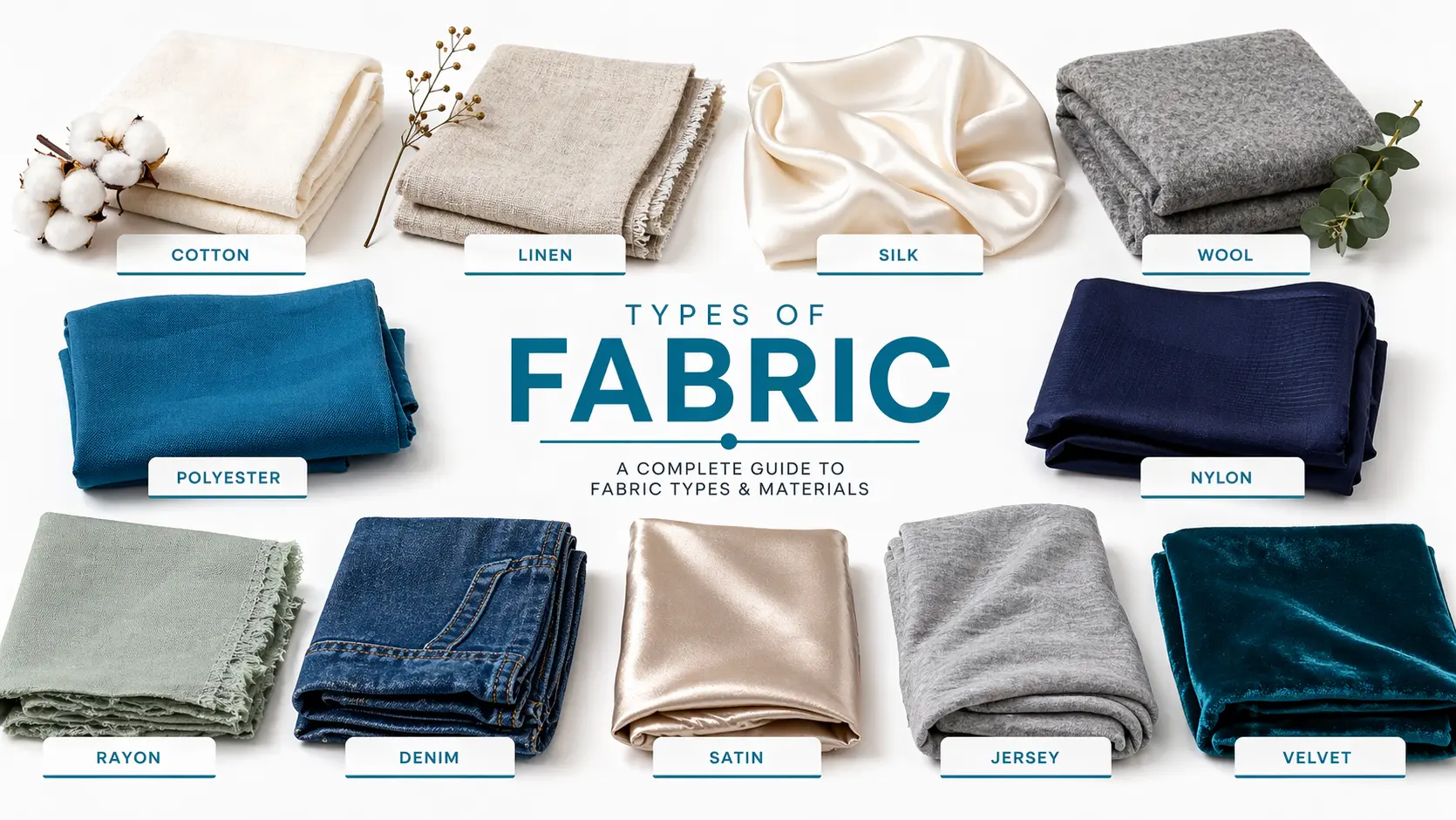
For example, cotton is a natural fiber with good absorbency and relatively high durability, while silk and wool have more delicate protein-based fiber structures that are sensitive to certain washing conditions. Polyester, on the other hand, is a synthetic fiber that requires suitable treatment methods for grease-based stains. Applying the same chemical formula to all these fabric categories may compromise both cleaning effectiveness and material protection.
Choosing laundry chemicals for different fabric types helps minimize potential risks during textile processing. Some common consequences of using unsuitable chemicals include:
Weakening fabric fiber structure: Strong bleaching chemicals or inappropriate concentrations can affect fabric fibers, causing textiles to deteriorate more quickly after repeated washing cycles.
Color fading and surface changes: Certain chemical ingredients may affect fabric dyes, causing fading, color bleeding, or loss of the original softness.
Reduced cleaning effectiveness: Chemicals that are incompatible with the type of stain or fabric material may leave dirt, grease, or unpleasant odors on textiles after washing.
Increased risk of chemical residue: If products are used at incorrect dosages or are incompatible with the rinsing process, chemical residues may remain on fabric surfaces.
Higher operating costs: Damaged textiles, repeated washing, or premature replacement increase expenses related to chemicals, water, electricity, and textile purchasing budgets.
Therefore, selecting laundry chemicals for different fabric types is not merely a technical step. It is also an important factor in controlling quality and improving the operational efficiency of laundry facilities.
2. How to Choose Laundry Chemicals for Different Common Fabric Types
2.1. Cotton – Effective Cleaning and Fiber Durability
Cotton is one of the most widely used materials in the textile and service industries. Common products include bath towels, bed linens, T-shirts, uniforms, napkins, and various textile items used in hotels, hospitals, and restaurants.
The outstanding characteristics of cotton include good absorbency and relatively high durability. It can withstand multiple washing cycles when properly treated. However, this does not mean that cotton can be exposed to every type of chemical or withstand all washing conditions.
When selecting laundry chemicals for different fabric types, particularly cotton, it is important to consider the ability to remove dirt, sweat, grease, and other common stains. The main detergent should provide cleaning performance appropriate to the soil level, while additional bleaching products should only be used when necessary and when they are compatible with the fabric’s color and structure.
For white cotton, suitable bleaching products may be considered according to technical instructions. Colored cotton, however, requires more careful treatment to minimize the impact on dyes. Using incompatible bleaching agents or excessively high concentrations may cause colors to deteriorate after repeated washing.
In addition to chemical selection, water temperature, washing time, and mechanical action must also be controlled. Proper coordination of these factors helps maintain the softness, absorbency, and lifespan of cotton products.
2.2. Polyester and Synthetic Fabrics – Focusing on Grease Removal
Polyester is one of the most commonly used synthetic fibers in uniforms, curtains, tablecloths, jackets, and various industrial textile products. Its advantages include wrinkle resistance, relatively good shape retention, and quick drying.
However, the characteristics of polyester fibers can make certain grease-based stains difficult to remove if the washing process is not properly designed. Therefore, the chemicals used should help break down and remove contaminants without unnecessarily affecting the fabric surface.
When choosing laundry chemicals for different fabric types, particularly polyester, businesses should consider the type of stain, fabric color, and product composition. For uniforms or tablecloths that frequently come into contact with grease, selecting detergents with suitable cleaning properties can improve treatment effectiveness.
Businesses should not arbitrarily increase chemical concentrations or use strong bleaching agents simply because stains are difficult to remove. Instead, appropriate products should be combined with suitable temperatures, processing times, and verified washing programs.
2.3. Silk – Prioritizing Mild Cleaning Products
Silk is a natural protein-based fiber known for its smooth surface, natural sheen, and lightweight feel. However, it is also relatively sensitive to unsuitable washing conditions.
Certain strongly alkaline chemicals, incompatible bleaching agents, or overly harsh treatment processes may damage silk fibers, affecting their structure, sheen, and color. Therefore, chemical selection for this material requires greater care than for more durable fabrics.
For silk, laundry chemicals for different fabric types should be selected according to the manufacturer’s care instructions and the technical information provided with the cleaning products. Specialized detergents designed for silk are generally worth prioritizing when the care label allows the corresponding washing method.
In addition, strong friction should be avoided, unsuitable temperatures should be prevented, and ordinary bleaching agents should not be used without verifying compatibility. For silk products with special care requirements, specialized washing methods or appropriate professional cleaning services should be considered.
2.4. Wool – Protecting Fiber Structure and Preventing Shrinkage
Wool is a natural fiber with a distinctive structure, commonly used in sweaters, scarves, blankets, and other warm clothing products. Its characteristics make it susceptible to high temperatures, strong friction, and certain unsuitable chemicals.
If strong detergents or inappropriate treatment programs are used, wool may shrink, pill, lose its shape, or become less soft. This is why wool products should be sorted separately before washing.
When selecting laundry chemicals for different fabric types, particularly wool, priority should be given to specialized products with usage instructions suitable for wool fibers. Water temperature, mechanical action, and drying methods must also be carefully controlled.
Bleaching chemicals and strongly alkaline products should not be used unless their compatibility has been confirmed. Following the recommended care instructions helps minimize the risk of fiber damage and maintain the original shape of wool products.
2.5. Blended Fabrics – Evaluating Fabric Composition Before Selecting Chemicals
Blended fabrics are made by combining two or more types of fibers to take advantage of the properties of each material. For example, cotton-polyester blends can maintain absorbency while improving durability and reducing wrinkles.
However, because they contain multiple fiber types, blended fabrics do not have exactly the same characteristics as their individual components. If chemical selection is based on only one fiber type, the washing process may not be suitable for the entire fabric structure.
To choose laundry chemicals for different fabric types in this category, businesses need to check the fiber composition, care instructions, and product characteristics. When sufficient information is unavailable, they should consult the manufacturer or test the treatment method on a small area before applying it on a larger scale.
2.6. Coated and Functional Fabrics – Preserving Specialized Properties
In addition to conventional fabrics, many modern textile products are designed with specialized coatings or functional properties, such as water resistance, stain resistance, antibacterial features, or environmental protection.
These materials may be affected if incompatible chemicals are used. For example, certain strong cleaning products can weaken protective coatings or interfere with the material’s intended functions.
Therefore, selecting laundry chemicals for different fabric types requires consideration of both the fiber structure and the functional properties of the product. Businesses should not assume that all fabrics can be treated with ordinary detergents.
For technical fabrics or products with special care requirements, manufacturers’ instructions should be followed, and recommended cleaning methods should be selected.
3. Factors to Consider When Choosing Laundry Chemicals for Different Fabric Types
To select the right products, businesses need to evaluate multiple factors rather than relying solely on product names or general cleaning purposes. Identifying textile characteristics from the beginning helps minimize errors and establish more suitable washing programs.
3.1. Fabric Composition and Fiber Structure
This is the most important factor when selecting chemicals. Businesses need to identify whether textiles are made of cotton, polyester, silk, wool, or blended fibers to assess their ability to withstand different cleaning products.
The selection of laundry chemicals for different fabric types should prioritize compatibility between chemical ingredients and textile materials. For fabrics with unknown origins or compositions, businesses should not immediately apply a washing formula designed for another fabric category.
3.2. Fabric Color and Condition
White fabrics, colored fabrics, and patterned textiles may require different treatment methods. Some bleaching products may be suitable for white fabrics but inappropriate for colored textiles.
In addition, new textiles, fabrics that have undergone multiple washing cycles, and products showing signs of deterioration should be evaluated separately. When fabric fibers have already weakened, continued use of strong chemicals may make the damage more severe.
3.3. Soil Level and Stain Type
Not all stains can be treated with the same type of chemical. Ordinary dirt, grease, organic stains, and difficult-to-remove contaminants may require different products or treatment stages.
Therefore, when choosing laundry chemicals for different fabric types, businesses need to consider two factors simultaneously: the material that needs protection and the type of stain that needs to be removed. The objective is to achieve effective cleaning without causing unnecessary damage to fabric fibers.
3.4. pH Levels and Chemical Properties
Each chemical product has its own composition, concentration, and characteristics. pH is one of the parameters that should be considered because it can affect both cleaning performance and compatibility with different materials.
However, product suitability should not be evaluated based on pH alone. Businesses also need to consider active ingredients, usage instructions, operating conditions, and the manufacturer’s safety information.
In particular, chemical products should never be mixed without first confirming their compatibility. Certain combinations may cause dangerous reactions or reduce treatment effectiveness.
3.5. Water Quality and Operating Conditions
Water quality, temperature, washing time, and water volume can all affect chemical performance. For example, hard water may reduce the effectiveness of certain detergent ingredients and contribute to residue or scale formation.
Therefore, selecting laundry chemicals for different fabric types must be considered in relation to actual operating conditions. Even a product that is compatible with a particular fabric may not deliver the expected results if the washing program is not properly configured.
4. Consequences of Choosing Chemicals That Are Unsuitable for Fabric Materials
Using the wrong chemicals may not cause immediate damage. However, small negative effects repeated over multiple washing cycles can significantly reduce textile quality.
Reduced Fabric Durability
Certain strongly bleaching chemicals or excessively high concentrations can affect fiber structure. If this happens regularly, textiles may become thinner, more prone to tearing, and less resistant to physical stress than they were originally.
For hotels, hospitals, and restaurants, products such as bath towels, bed linens, and uniforms are often used frequently. Therefore, choosing suitable laundry chemicals for different fabric types is important for minimizing deterioration and extending product lifespan.
Color Fading and Changes in Fabric Surface
Chemicals that are incompatible with fabric dyes or fiber structures may cause changes in color. In some cases, textiles may also experience color bleeding, fading, roughness, or loss of their natural sheen.
These issues directly affect the appearance of textiles and a business’s professional image. In particular, hotels and restaurants with high standards for textile presentation need to pay close attention to maintaining fabric color and surface quality.
Chemical Residue After Washing
If chemicals are used in quantities exceeding the appropriate dosage or if the rinsing stage is not properly controlled, some residues may remain on textiles. This can cause unpleasant odors, affect the feel of fabrics, and reduce finished-product quality.
To minimize these risks, businesses should combine compatible product selection with accurate dosing and proper control of the rinsing process.
Increased Operating Costs
When textiles are damaged, businesses incur additional expenses for product replacement, reprocessing, or adjustments to washing programs. In addition, using unsuitable chemicals may result in insufficient cleaning performance, leading to extra consumption of water, electricity, and chemicals.
This is why choosing laundry chemicals for different fabric types is not only related to cleaning quality but also affects the overall economic efficiency of laundry operations.
5. How to Develop an Appropriate Chemical Usage Procedure for Industrial Laundry
For industrial laundry facilities, selecting the right chemicals should be treated as part of a standardized operating procedure. Instead of allowing employees to make decisions based solely on personal experience, businesses should establish specific guidelines for each textile category.
5.1. Sorting Textiles Before Washing
Sorting is the first step in determining an appropriate treatment method. Textiles should be separated according to material, color, soil level, and care requirements.
Proper sorting helps minimize color fading, color transfer between products, and situations in which fabrics with different characteristics are processed together under an unsuitable washing program.
It also provides the basis for selecting laundry chemicals for different fabric types rather than using one general formula for every wash load.
5.2. Selecting Chemicals Based on Technical Guidelines
After sorting, employees should check textile care labels and the technical information provided with chemical products. Factors such as composition, pH, concentration, dosage, and usage conditions should be considered before introducing products into the washing process.
Businesses should not arbitrarily increase chemical concentrations to improve cleaning performance or combine multiple products without professional guidance. Selecting laundry chemicals for different fabric types must ensure material compatibility and comply with relevant safety requirements.
5.3. Controlling Chemical Dosage
Even when the correct products have been selected, using too much or too little chemical can still affect washing results. Businesses need to determine appropriate dosages based on textile weight, water volume, soil level, and the manufacturer’s instructions.
For large-scale facilities, automatic dosing systems can help dispense chemicals according to preset programs. However, equipment must be inspected, calibrated, and maintained regularly to ensure that actual chemical quantities match the operating specifications.
5.4. Monitoring Post-Wash Quality
After each wash load, businesses should inspect cleanliness, color, surface condition, and fabric feel. If unusual signs such as color fading, roughness, or chemical residue appear, the cause should be identified before making adjustments to the process.
Regular monitoring helps businesses evaluate the effectiveness of individual programs, identify recurring issues, and improve their selection of laundry chemicals for different fabric types based on actual operating conditions.
5.5. Training Employees and Standardizing Procedures
Employees directly involved in laundry operations should receive guidance on identifying fabric materials, reading product information, handling chemicals, and following safety procedures. Businesses should also clearly define responsibilities for inspection, chemical preparation, dosing, and recording chemical consumption.
When procedures are standardized, the risk of using incorrect products or dosages is reduced. This is particularly important for facilities with multiple shifts and large laundry volumes.
6. Green Laundry – Focusing on Textile Processing and Fabric Quality Protection
In professional laundry operations, effective cleaning does not mean using the strongest chemicals possible. What matters is selecting the right products, the correct dosage, and suitable treatment conditions for each textile category.
Green Laundry aims to provide laundry solutions for corporate clients, with a focus on textile processing procedures that meet actual usage needs and operational requirements. From sorting and chemical selection to dosage control and finished-product inspection, every stage requires attention to maintain textile quality after washing.
For customers operating in the hotel, healthcare, restaurant, and other industries with recurring laundry requirements, choosing suitable laundry chemicals for different fabric types is one of the important factors in minimizing damage and maintaining product quality.
In addition to cleaning performance, businesses should also pay attention to fabric durability, color, absorbency, and surface condition after multiple usage cycles. These factors contribute to protecting business assets and supporting long-term cost control.
Green Laundry aims to support businesses through laundry solutions tailored to their actual requirements, helping maintain textile quality and improve operational efficiency.
If your business is looking for professional laundry solutions, contact Green Laundry for consultation based on your textile processing requirements.
Every fabric type has its own characteristics in terms of fiber structure, heat resistance, and compatibility with chemical ingredients. Therefore, using the same chemicals for all materials may reduce cleaning effectiveness and increase the risk of textile damage.
Choosing laundry chemicals for different fabric types correctly helps minimize fading, shrinkage, roughness, and reduced fabric durability. It also supports businesses in controlling chemical consumption, reducing reprocessing costs, and extending product lifespan.
To establish an effective industrial laundry process, businesses need to combine proper textile sorting, compatible chemical selection, accurate dosing, and post-wash quality inspections. When these factors are managed together, laundry operations can achieve better results, maintain finished-product quality, and optimize operating costs over the long term.
>>>> Read more: Why is baking soda considered a powerful helper in laundry care?
Green Laundry – the leading company in providing quality and professional laundry solutions in Vietnam
Email: greenlaundry@giatuixanh.com
Phone: 028 36 222 180
Fanpage: Giặt Ủi Xanh – Chuyên Giặt Ủi Công Nghiệp
Address: Lot A57/II-Lot 58/II, Road No. 2D, Vinh Loc Industrial Park, Binh Tan Ward, Ho Chi Minh City.