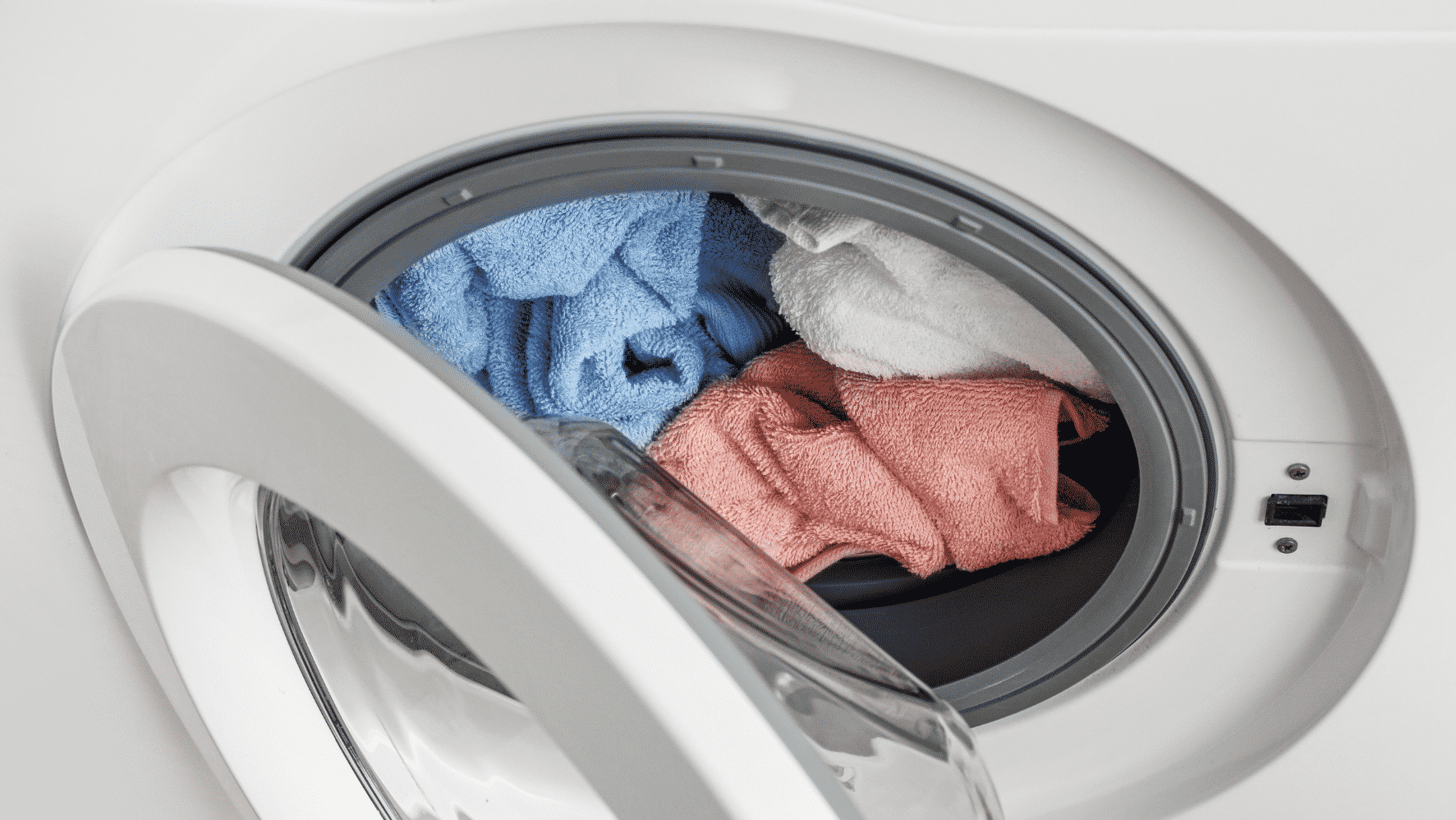
In industrial laundry, fabric moisture content is one of the most critical factors affecting drying efficiency, energy consumption, textile lifespan, and final service quality. Proper moisture control helps businesses reduce operational costs, prevent fabric damage, and ensure linens, uniforms, and garments maintain their durability and appearance.
1. What Is Fabric Moisture Content in Industrial Laundry?
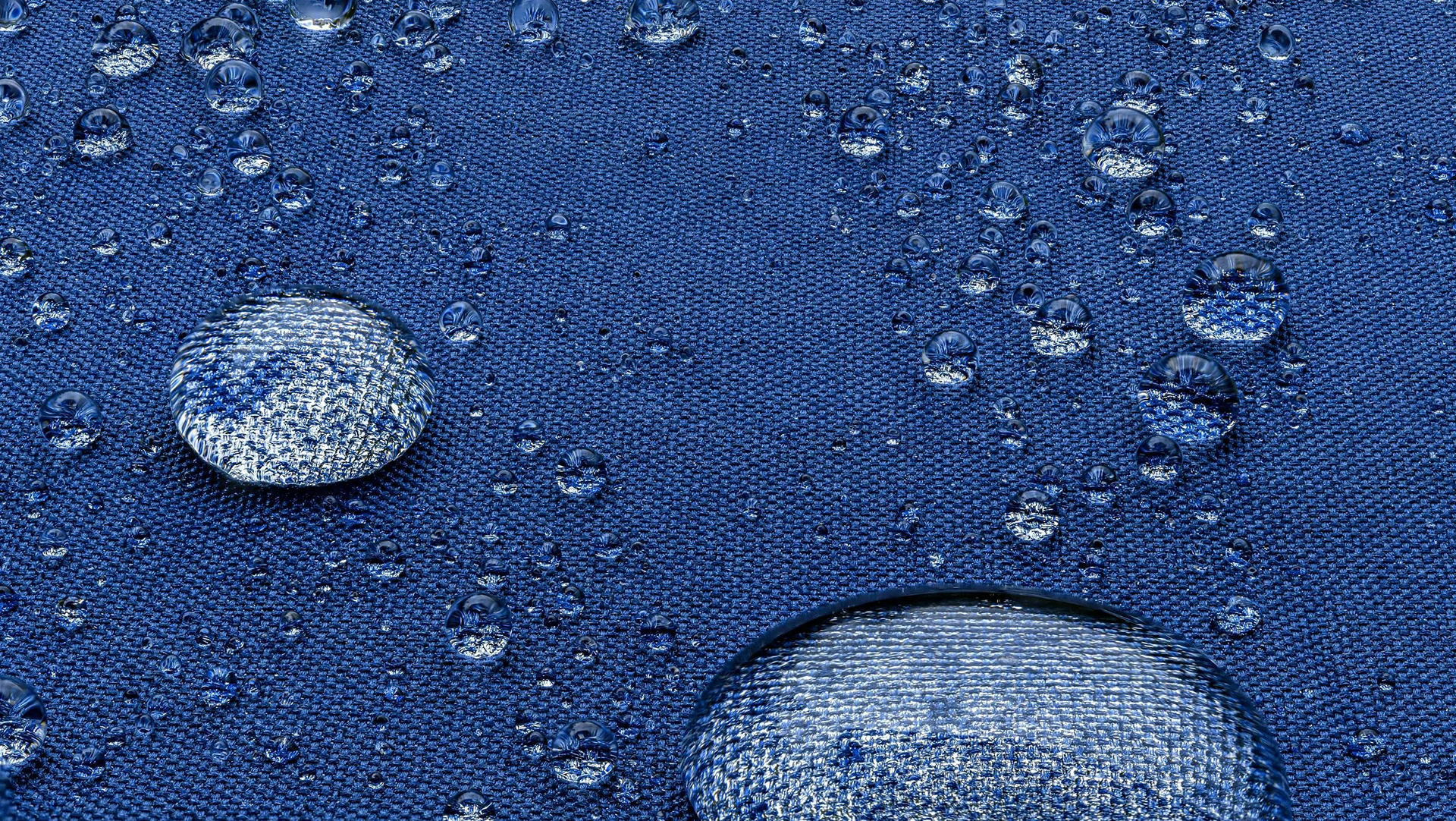
Fabric moisture content refers to the percentage of water remaining in textiles after the washing and extraction process, before drying begins. This measurement directly impacts drying time, fuel or electricity consumption, and fabric safety.
If moisture levels are too high, dryers must work longer, increasing energy use and production time. If moisture levels are too low due to over-extraction or excessive heat, fabrics may shrink, weaken, or lose softness.
2. Standards, Effects, And Role Of Fabric Moisture Content
2.1. Fabric Moisture Content Standards For Each Type Of Material
Each type of fabric has different water retention capabilities, therefore its moisture requirements also vary. Applying the correct standards helps ensure quality and minimize damage.
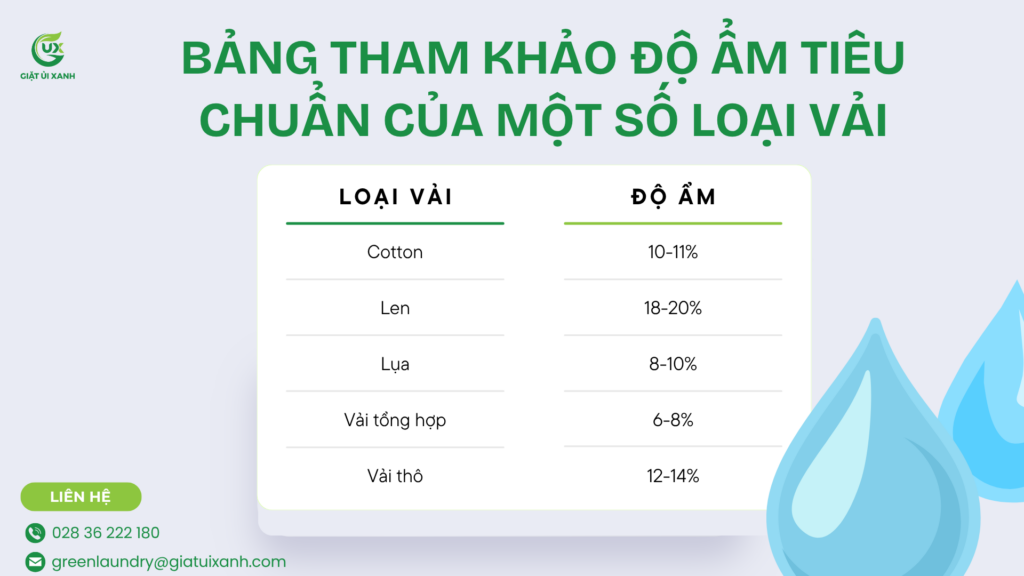
These levels play a crucial role in controlling fabric moisture in industrial laundry, optimizing the processing and improving output quality.
2.2. The Influence Of Fabric Moisture On Finished Product Quality
When the moisture level of fabrics in industrial laundry is at the correct standard, the ironing process will be faster and more efficient. The fabric will easily maintain its shape, have a smooth and beautiful surface, and retain its necessary softness.
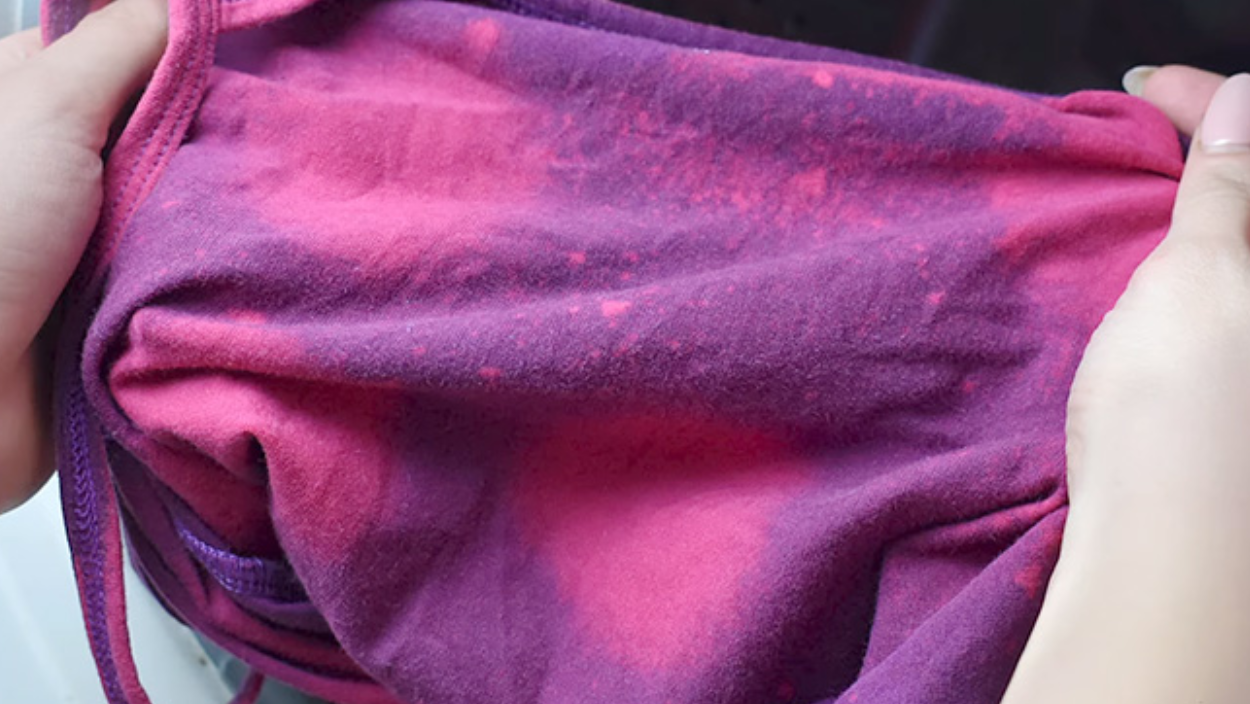
Conversely, if the moisture level is inappropriate, the finished product may be wrinkled, lose its shape, or fail to meet aesthetic requirements. This is especially important in sectors such as hotels and restaurants, where high standards of appearance and professionalism are essential.
Furthermore, incorrect moisture levels can cause unpleasant odors or create a favorable environment for bacteria growth if the fabric remains damp for too long.
2.3. How Moisture Content Affects Energy Consumption
Residual water is one of the biggest drivers of dryer energy use. The more water left in fabric after extraction, the more heat is required to evaporate it. High-speed extraction systems can reduce moisture retention significantly, improving drying efficiency and lowering utility bills.
Industrial laundries that monitor moisture carefully often achieve:
- Faster turnaround times
- Lower carbon footprint
- Reduced equipment wear
- Higher profit margins
3. Reduced Costs Through Effective Fabric Moisture Control
A key benefit of controlling fabric moisture in industrial laundry is cost savings. When fabrics are treated to the correct standards, the rate of damage is significantly reduced.
In addition, avoiding over-drying reduces energy consumption, thereby lowering operating costs. This is especially important for businesses handling large volumes daily. Good moisture control also extends fabric lifespan, reduces replacement costs, and improves long-term economic efficiency.
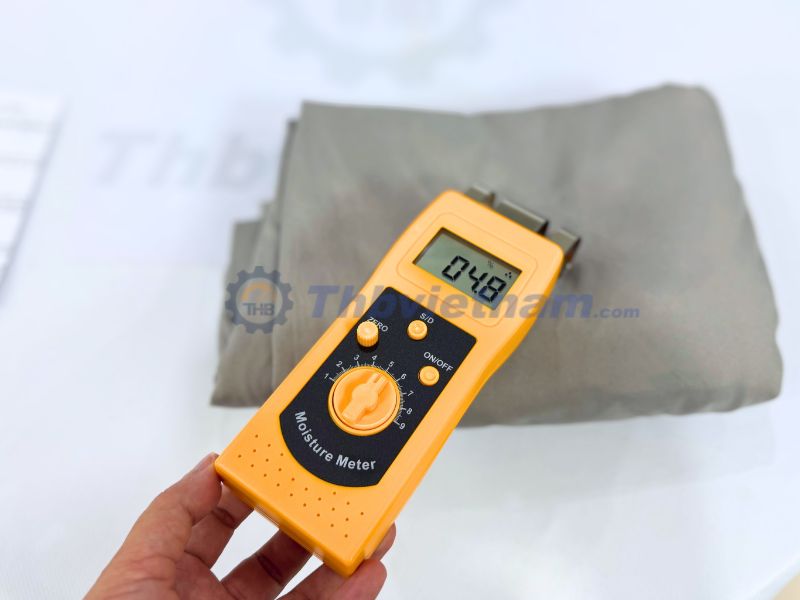
4. Moisture Meters and Their Role in Industrial Laundry
To ensure accuracy, professional laundry facilities often use specialized moisture meters. These tools help accurately determine fabric moisture levels in industrial laundry, allowing for adjustments to the process.
Using these meters helps:
- Reduce subjective errors
- Ensure uniformity across laundry batches
- Improve service quality
5. Building High-Quality Laundry Standards Through Moisture Control
Controlling fabric moisture in industrial laundry is not just a technical step, but also the foundation for building a quality standard system.
Businesses that focus on this factor usually have stable operating processes, consistent quality, and the ability to meet stringent customer requirements. This also helps enhance brand reputation and create a sustainable competitive advantage in the industry.
Fabric moisture in industrial laundry is a key factor affecting product quality, operational efficiency, and business costs. Effective moisture control not only optimizes the process but also contributes to an improved customer experience.
Applying the correct moisture standards for each type of fabric, combined with modern measurement technology, will help businesses achieve sustainable growth and establish their position in the industrial laundry market.
>>>>>>> Read more: Green laundry builds a sustainable laundry facility with high-quality laundry service
Green Laundry – the leading company in providing quality and professional laundry solutions in Vietnam
Email: greenlaundry@giatuixanh.com
Phone: 028 36 222 180
Fanpage: Giặt Ủi Xanh – Chuyên Giặt Ủi Công Nghiệp
Address: Lot A57/II-Lot 58/II, Road No. 2D, Vinh Loc Industrial Park, Binh Tan Ward, Ho Chi Minh City.