Removing grease stains from clothes is a common challenge in everyday laundry. Unlike ordinary stains, grease has a strong tendency to cling to fabric fibers. If left untreated for too long, grease stains not only affect the appearance of clothing but can also trap odors, making garments look older and reducing their overall quality. Understanding the causes of grease stains and applying the right cleaning methods can make stain removal much easier while helping clothes stay clean, fresh, and durable for longer.
1. Why Are Grease Stains Difficult to Remove from Clothes?
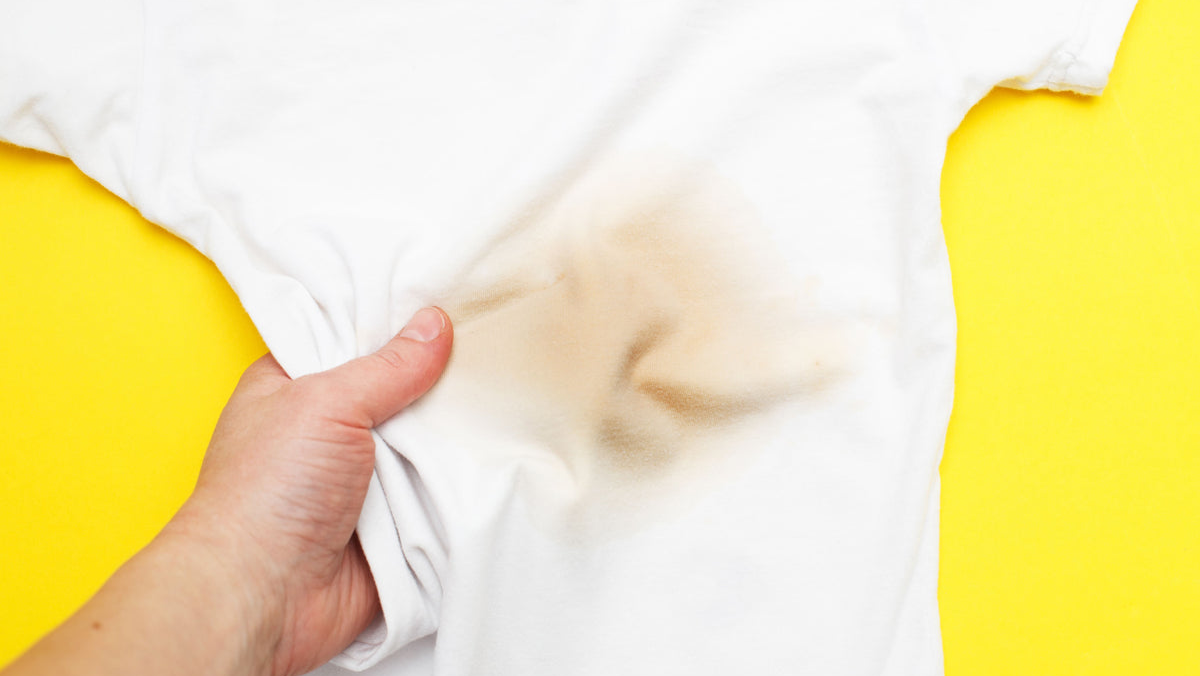
To effectively remove grease stains from clothes, it is important to understand why these stains are more difficult to eliminate than ordinary dirt or water-based stains. Unlike dust or liquid spills, grease has a highly adhesive nature and can quickly penetrate deep into fabric fibers. This characteristic makes stain removal much more challenging if not addressed properly from the beginning.
When grease comes into contact with clothing, it does not dissolve easily in water. Instead, it clings tightly to the surface of the fabric. Materials with strong absorbent properties, such as cotton, khaki, or synthetic fabrics, are especially vulnerable because grease can quickly seep into the fibers and create visible stains. Over time, these stains may become more noticeable and can trap unpleasant odors.
In addition, grease can attract and retain dirt and bacteria on the fabric surface. This is why some grease stains remain visible or leave discoloration marks even after multiple washes.
If not treated promptly, grease stains can:
- Penetrate deeply into fabric fibers and become difficult to remove completely
- Create unsightly discoloration marks
- Cause unpleasant odors
- Attract additional dirt and dust
- Accelerate fabric wear and deterioration over time
For this reason, immediate and proper treatment is essential to achieve the best cleaning results and preserve fabric quality.
2. Common Mistakes When Removing Grease Stains
Many garments become damaged or harder to clean because of improper stain treatment methods. Some habits that seem harmless can actually make grease stains more difficult to remove and negatively affect fabric quality.
2.1. Using Hot Water Immediately
Many people assume that hot water will dissolve grease more quickly and therefore use it immediately after a stain occurs. However, this method is not always effective.
For certain fabrics, excessive heat can cause grease to set deeper into the fibers instead of loosening it. Hot water may also affect the color and structure of delicate fabrics.
2.2. Scrubbing the Stain Too Hard
Another common mistake when trying to remove grease stains from clothes is aggressively scrubbing the affected area.
In reality, vigorous scrubbing can spread the grease to surrounding areas and damage the fabric surface. Delicate garments may lose their shape or experience fiber damage as a result.
Instead of scrubbing forcefully, it is better to treat the stain gently and follow a step-by-step cleaning process.
2.3. Waiting Too Long Before Washing
This is one of the most common mistakes people make when dealing with grease-stained clothing.
Many individuals leave the garment until the next day or wait to wash multiple items together. However, the longer grease remains on the fabric, the deeper it penetrates into the fibers, making stain removal significantly more difficult. In many cases, traces of the stain remain visible even after repeated washing.
Prompt treatment greatly increases the chances of successful stain removal and helps prevent lingering odors.
2.4. Using Too Much Detergent or Cleaning Agent
Many people believe that using more detergent will improve cleaning performance. However, this is not always true.
Excessive detergent use can:
- Cause fabric discoloration
- Make fibers stiff and rough
- Increase the risk of skin irritation
- Reduce garment lifespan
Excess detergent can also leave residue on clothing, resulting in unpleasant odors and additional cleaning challenges.
3. How to Remove Grease Stains from Clothes Effectively
3.1. Blot Excess Grease Immediately
This is one of the most important steps when trying to remove grease stains from clothes.
The sooner the stain is treated, the easier it will be to clean completely. Use a paper towel, tissue, or clean cloth to gently absorb excess grease from the surface of the garment. This helps reduce the amount of grease that penetrates the fibers and minimizes the risk of permanent staining.
Avoid rubbing the stain, as this may spread the grease and make cleaning more difficult.
3.2. Use the Right Laundry Detergent
After initial treatment, choosing the right laundry detergent also plays a crucial role in removing grease stains.
Not all detergents are effective at removing grease. Some products only clean ordinary dirt but are not strong enough to remove deep-seated grease stains from clothes.
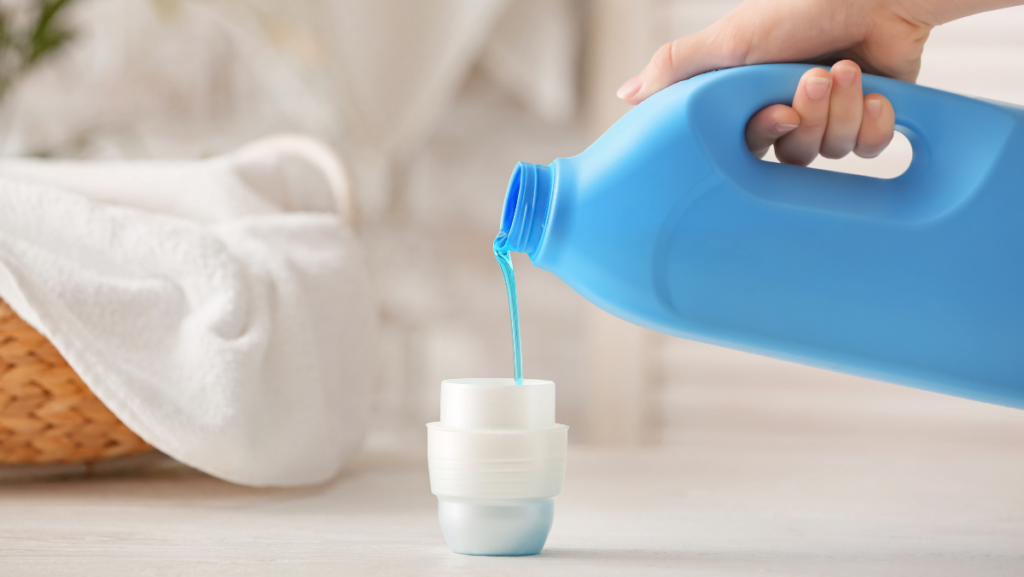
Not all detergents are designed to break down grease effectively. When dealing with grease-stained garments, look for products that:
- Help dissolve grease effectively
- Dissolve easily in water
- Leave minimal residue
- Are gentle on fabrics
Using an appropriate detergent can improve cleaning performance while protecting garment color and fabric quality.
3.3. Soak Clothes for an Appropriate Amount of Time
For larger or older grease stains, soaking the garment before washing can help loosen the stain and improve cleaning effectiveness.
Soaking allows detergent or cleaning agents to penetrate the fabric and work more effectively on grease deposits. However, excessive soaking may cause odor retention or color fading in certain fabrics.
Choosing the appropriate soaking duration helps balance cleaning performance and fabric protection.
3.4. Wash Grease-Stained Clothes Separately
When treating grease-stained garments, it is generally best to wash them separately rather than mixing them with other laundry.
Grease can transfer to other fabrics during the wash cycle, especially if the stain has not been properly pretreated. Washing separately helps:
- Prevent grease transfer
- Improve cleaning effectiveness
- Reduce odor contamination
- Protect different fabric types
This simple habit can help keep clothing cleaner and prevent additional laundry problems.
4. Tips to Prevent Grease Stains on Clothes
Preventing grease stains is often easier than removing them after they occur. Many grease stains become difficult to eliminate once they penetrate deep into the fabric.
To reduce the likelihood of having to remove grease stains from clothes frequently, consider adopting these simple habits:
Wear an Apron While Cooking
The kitchen is a place where clothes are easily exposed to cooking oil, sauces, or other fatty foods. During frying, sautéing, or cooking, small droplets of oil can splatter onto your clothes without you immediately noticing.
Wearing an apron not only protects your clothes from grease but also limits other food stains. This is a simple habit, but it’s very effective in keeping your clothes clean.
Treat Stains Immediately
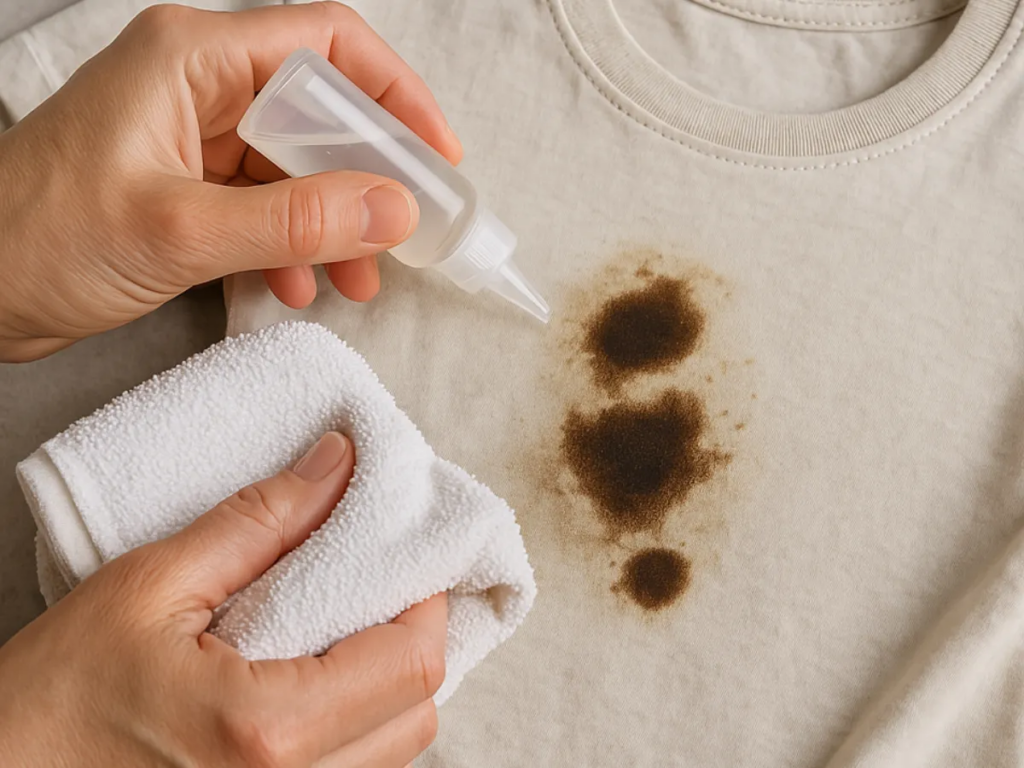
The timing of treatment greatly affects the effectiveness of grease stain removal. When grease first adheres to clothing, it usually remains on the surface of the fabric and hasn’t had time to penetrate deeply.
If treated early, the stain will be much easier to clean than if it has been left for hours or days. Simply blotting away excess oil and proper preliminary treatment can significantly reduce the risk of stubborn stains forming later.
Do Not Leave Dirty Clothes for Too Long
Many people have a habit of accumulating clothes for several days before washing them all at once. However, with clothes stained with grease, this can cause the stains to cling more tightly to the fabric fibers.
Over time, the grease will gradually penetrate deeper, increasing the likelihood of stains and unpleasant odors on the clothes. Leaving dirty clothes for too long also makes the washing process more time-consuming and laborious.
Therefore, if you discover clothes stained with grease, you should prioritize treating or washing them as soon as possible.
Wash Clothes Properly After Use
Even if clothes don’t show obvious grease stains, proper washing after use helps limit the accumulation of oil, dirt, and odors on the fabric.
A suitable washing process will effectively remove remaining stains while maintaining the durability and appearance of clothes for a long time. In addition, using the right amount of detergent and selecting the appropriate washing mode will help clean clothes more effectively without damaging the fabric.
Overall, these seemingly simple habits play a crucial role in reducing the need for frequent grease stain removal. By proactively preventing stains early on, clothes will stay clean longer, reducing the risk of stubborn stains and contributing to the longevity of fabrics.
5. When Should You Use Professional Laundry Services?
For high-value garments or severe grease stains, professional laundry services may be a more suitable solution.
This is especially recommended for:
- Suits
- Premium uniforms
- Specialty jackets
- Delicate fabrics that require special care
Professional treatment helps minimize the risk of fabric damage while improving stain removal effectiveness.
Learning how to remove grease stains from clothes effectively becomes much easier when stains are treated promptly and correctly. From blotting excess grease immediately to selecting suitable detergents and following proper washing procedures, every step contributes to better cleaning results and longer-lasting garments.
Rather than scrubbing aggressively or relying on excessive chemicals, understanding the nature of grease stains and the characteristics of different fabrics will help you achieve better results while preserving the quality and appearance of your clothing for years to come.
>>>> Read more: Why is baking soda considered a powerful helper in laundry care?
Green Laundry – the leading company in providing quality and professional laundry solutions in Vietnam
Email: greenlaundry@giatuixanh.com
Phone: 028 36 222 180
Fanpage: Giặt Ủi Xanh – Chuyên Giặt Ủi Công Nghiệp
Address: Lot A57/II-Lot 58/II, Road No. 2D, Vinh Loc Industrial Park, Binh Tan Ward, Ho Chi Minh City.