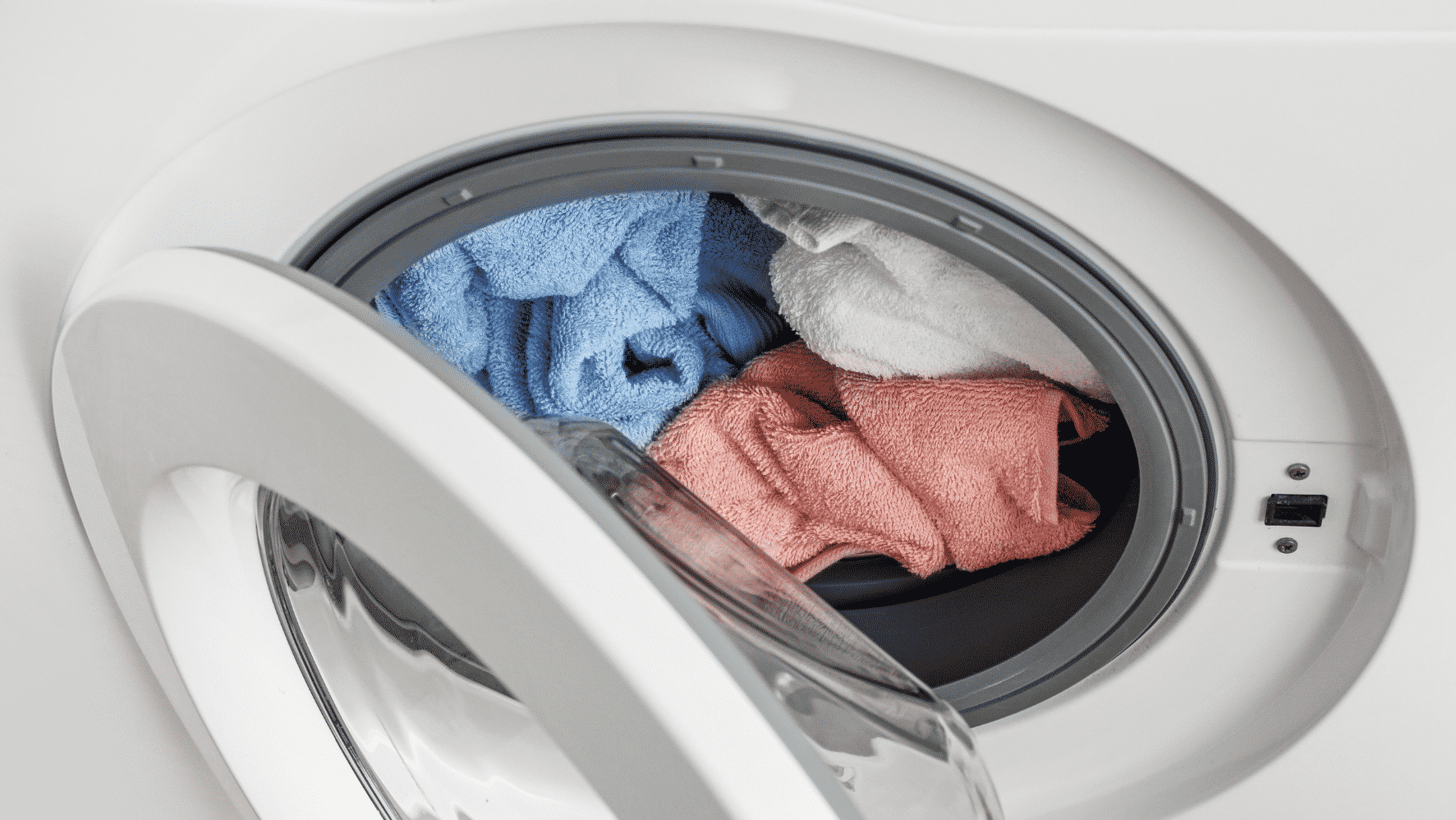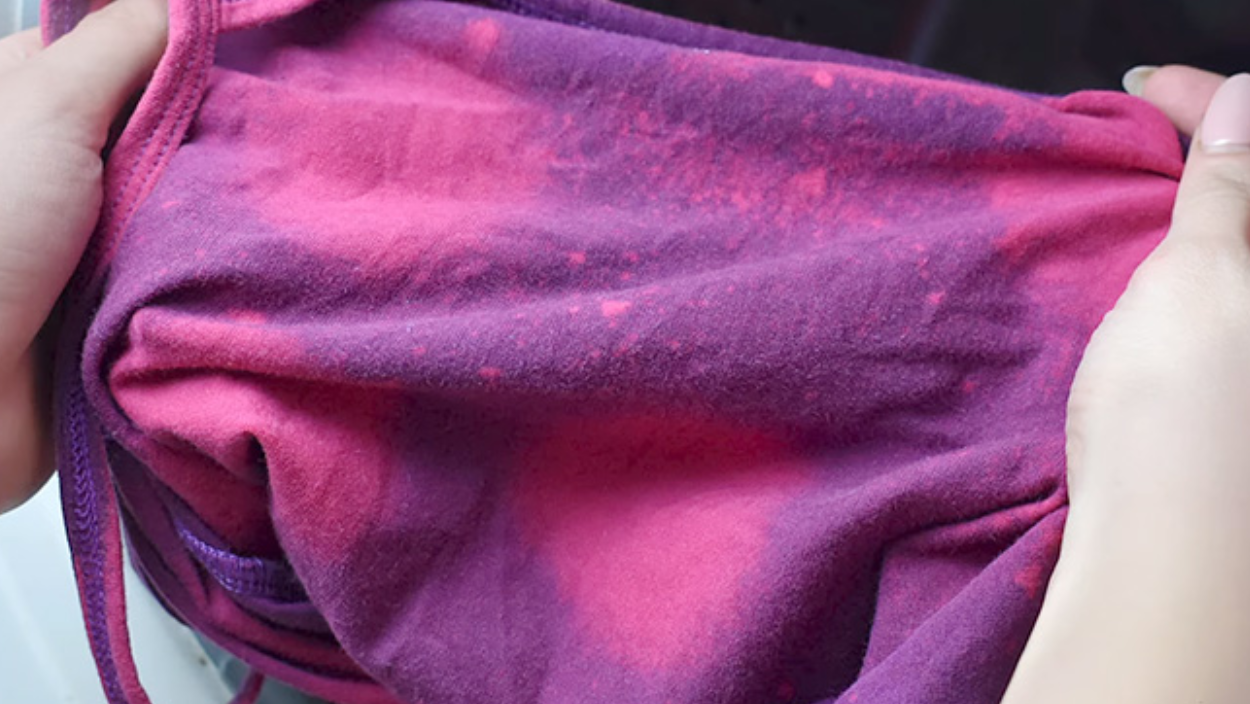
Bleach is one of the most effective laundry products for removing stubborn stains, whitening fabrics, and restoring the brightness of white clothing. However, using bleach incorrectly can lead to faded colors, weakened fabric fibers, and even health risks if proper safety precautions are not followed. Not every type of fabric is suitable for bleach, and using more bleach does not necessarily produce better cleaning results. Understanding how to use bleach safely is essential for achieving cleaner clothes while protecting both your garments and your health. In this guide, you’ll learn how bleach works, why proper usage matters, and the best practices for using bleach safely and effectively on clothing.
1. What Is Bleach and How Does It Work?
Before learning how to use bleach safely, it’s important to understand what bleach is and how it removes stains from clothing.
Bleach is a cleaning product that contains active chemical ingredients capable of breaking down or altering the compounds responsible for stains and discoloration on fabric. Through this chemical process, bleach helps remove stubborn stains, eliminate yellowing, and restore the brightness of white garments.
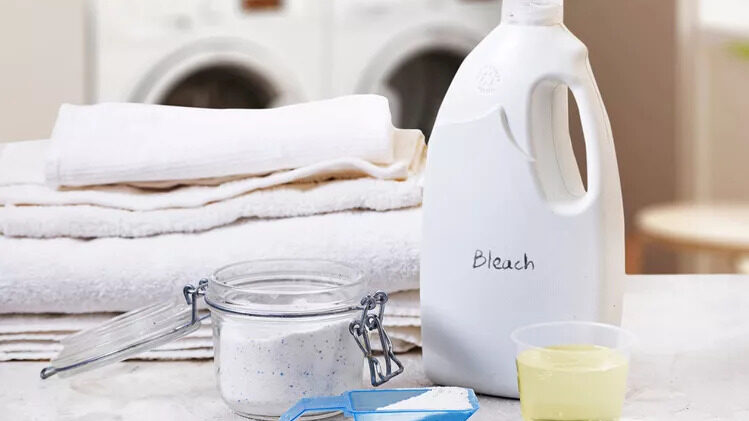
Today, there are several types of bleach for clothes available on the market, each designed for different purposes. Some bleach products are formulated specifically for white clothing, while others are color-safe bleach products intended for colored fabrics to minimize fading and reduce the risk of fabric damage. Although bleach offers excellent cleaning performance, it is still a powerful chemical that should always be used according to the manufacturer’s instructions to ensure both effective stain removal and user safety.
2. Why Is It Important to Use Bleach Properly?
Many people believe that simply adding more bleach to the wash will remove every stain. In reality, this common assumption is far from accurate.
Because bleach is a powerful cleaning chemical, improper use can negatively affect both your clothing and your health.
When used correctly, bleach can effectively remove difficult stains while helping preserve the quality of your fabrics. Proper application reduces the risk of discoloration, uneven fading, and unnecessary damage to fabric fibers, making it especially valuable for clothing that is worn frequently or expected to last for many years.
Using the recommended amount of bleach also helps minimize chemical residue left on garments after washing. If bleach is not thoroughly rinsed away, leftover chemicals may cause skin irritation or discomfort, particularly for individuals with sensitive skin.
On the other hand, excessive or improper bleach use can result in a variety of problems, including:
- Uneven fading
- Permanent discoloration
- Weakened fabric fibers
- Reduced garment lifespan
- Irreversible damage to clothing
Understanding how to use bleach safely not only improves cleaning performance but also protects your clothes, reduces replacement costs, and helps create a safer laundry routine for your family.
3. How to Use Bleach Effectively on Clothes
To maximize cleaning performance while protecting your clothing, it’s important to follow the correct procedure when using bleach. Proper bleach application not only removes stains more effectively but also reduces the risk of fading, weakened fibers, and permanent fabric damage.
Below are the essential steps for how to use bleach on clothes safely and effectively.
3.1. Read the Manufacturer’s Instructions Carefully
Before using any type of bleach, always take the time to read the product label and manufacturer’s instructions. Although this step is simple, it plays a critical role in ensuring effective cleaning and safe use.

Different bleach products contain different active ingredients, concentrations, and intended applications. Some are formulated specifically for white fabrics, while others are designed for colored clothing or delicate materials. As a result, the recommended dilution ratio, soaking time, and application method may vary from one product to another.
Following the manufacturer’s instructions allows bleach to perform at its best while reducing the risk of color fading, fabric damage, or chemical residue remaining on your clothing after washing.
3.2. Sort Clothes Before Bleaching
One of the most important bleach safety tips is to sort your laundry before applying bleach.
Although many people skip this step, proper sorting helps prevent color transfer and unnecessary fabric damage.
White clothing, colored garments, and fabrics that require special care should always be treated separately.
Bleaching different types of clothing together may cause unwanted discoloration or damage to more delicate materials.
In addition to separating laundry by color, you should also consider the fabric type.
Materials such as:
- Cotton
- Polyester
- Wool
- Silk
respond differently to bleach.
Sorting clothes beforehand allows you to choose the most appropriate treatment method while helping extend the lifespan of your garments.
3.3. Dilute Bleach According to the Recommended Ratio
A common mistake is applying undiluted bleach directly onto clothing in an attempt to achieve faster or stronger stain removal.
However, concentrated bleach can damage fabric fibers and create permanent faded spots.
Instead, bleach should always be diluted according to the manufacturer’s recommendations before use.
Proper dilution allows the solution to spread more evenly across the fabric, resulting in more consistent cleaning performance while reducing the risk of concentrated chemical exposure in one area.
This simple step helps preserve fabric strength, minimize discoloration, and ensure safer use throughout the bleaching process.
3.4. Test on a Small Hidden Area First
For colored clothing or valuable garments, never apply bleach directly to the entire item without testing it first.
Instead, apply a small amount of diluted bleach to an inconspicuous area of the fabric and wait a few minutes to observe the results.
If the fabric shows no signs of discoloration, fading, or damage, you can proceed with treating a larger area.
Although this precaution only takes a few minutes, it can significantly reduce the risk of permanently damaging your clothing.
Testing is especially important for garments with dark colors, printed designs, decorative finishes, or delicate fabrics that may react differently to bleach.
4. Important Safety Tips for Using Bleach
Besides following the correct dosage and application method, it’s equally important to observe essential safety precautions when using bleach.
Because bleach is a powerful cleaning chemical, improper handling can affect not only your clothing but also your health and the surrounding environment.
Below are some important bleach safety tips to help you use bleach more effectively and safely.
4.1. Never Mix Bleach with Other Cleaning Chemicals
One of the most important rules when learning how to use bleach safely is to never mix bleach with other household cleaning products unless the manufacturer specifically states that it is safe to do so.
Some people believe that combining multiple cleaning products will create a stronger cleaning solution. In reality, mixing bleach with other chemicals can trigger unwanted chemical reactions that may reduce cleaning effectiveness or produce hazardous gases that can pose serious health risks.
In addition, combining bleach with other cleaning agents may expose fabrics to unnecessarily harsh chemical conditions, increasing the risk of fading, weakened fibers, and permanent fabric damage.
To ensure safe and effective cleaning, always use bleach exactly as directed and avoid mixing it with other products without clear manufacturer guidance.
4.2. Wear Protective Gloves When Handling Bleach
Although bleach is typically used in small amounts for household laundry, it is still a strong chemical that can irritate the skin after prolonged or repeated contact. People with sensitive skin may experience dryness, irritation, or discomfort if bleach comes into direct contact with their hands.
Whenever you’re diluting bleach or treating clothing, it’s recommended to wear protective gloves to minimize direct skin exposure. After completing your laundry, wash your hands thoroughly with soap and clean water to remove any remaining chemical residue.
This simple precaution can help protect your skin while making your laundry routine safer.
4.3. Ensure Proper Ventilation
Another essential bleach safety tip is to use bleach in a well-ventilated area.bDuring dilution or soaking, bleach releases a distinct chemical odor. In enclosed spaces with poor airflow, prolonged exposure to these fumes may cause discomfort for some individuals.
For this reason, it’s best to handle bleach in an area with good air circulation, such as a laundry room with open windows or adequate ventilation.bProper ventilation not only creates a more comfortable working environment but also improves overall safety when using bleach. Although often overlooked, this simple habit can make a significant difference, especially when doing laundry in small or enclosed spaces.
4.3. Store Bleach Properly After Use
Proper storage is just as important as proper application when learning how to use bleach safely. After each use, tightly close the bleach container to minimize evaporation and prevent contamination from outside air. Bleach should be stored in a cool, dry place away from direct sunlight, as excessive heat and sunlight can gradually reduce the product’s effectiveness.
It should also be kept away from food, beverages, and everyday household items to avoid accidental contamination. Most importantly, always store bleach out of the reach of children and pets to reduce the risk of accidental exposure. Proper storage helps maintain product quality while promoting a safer home environment.
5. Common Mistakes When Using Bleach
Although bleach is a common household cleaning product, many people unknowingly use it incorrectly. In many cases, clothing becomes faded, weakened, or damaged not because of the bleach itself, but because of improper usage. Understanding these common mistakes will help you use bleach for clothes more effectively while protecting both your garments and your safety.
5.1. Using Too Much Bleach
One of the most common misconceptions is that adding more bleach will produce better cleaning results.
As a result, some people use much more bleach than recommended in the hope of making clothes whiter or removing stains more quickly.
However, excessive bleach does not necessarily improve cleaning performance.
Instead, overusing bleach can weaken fabric fibers, accelerate fading, and shorten the lifespan of clothing.
To achieve the best balance between effective stain removal and fabric protection, always use the amount recommended by the manufacturer.
5.2. Soaking Clothes for Too Long
Another common mistake is assuming that longer soaking times will always produce better results.
In reality, every bleach product is designed to work within a recommended soaking period.
Once stains have been removed, continued exposure to bleach may allow the chemical to keep reacting with the fabric itself.
Over time, this can lead to:
- Color fading
- Weakened fibers
- Reduced fabric durability
- Uneven discoloration
This is especially true for colored garments and delicate fabrics, which are generally more sensitive to prolonged chemical exposure.
To protect your clothing, always follow the soaking time recommended on the product label instead of extending it unnecessarily.
5.3. Using Bleach on Unsuitable Fabrics
Not every fabric is compatible with bleach.
Materials such as:
- Wool
- Silk
- Delicate fabrics
- Specialty textiles
Can be particularly sensitive to strong bleaching agents.
Using bleach on these materials may cause shrinkage, distortion, loss of softness, or permanent damage that cannot be repaired. Similarly, garments with dark colors, printed graphics, embroidery, or decorative finishes may suffer fading or discoloration if treated with the wrong type of bleach.
Before using bleach, always check the garment’s care label or perform a spot test on a hidden area to determine whether the fabric can safely tolerate bleaching.
5.4. Failing to Rinse Clothes Thoroughly
After bleaching, many people give their clothes only a quick rinse before drying them. However, failing to remove all bleach residue can affect both the fabric and the wearer. Residual bleach left in the fibers may continue reacting with the material over time, gradually weakening the fabric and reducing its durability.
In addition, leftover chemicals may cause skin irritation or discomfort, particularly for individuals with sensitive skin. After using bleach, rinse garments thoroughly with clean water several times to ensure all chemical residue has been completely removed. Taking this extra step helps preserve fabric quality, improves comfort, and supports safer everyday wear.
6. When Should You Avoid Using Bleach?
Although bleach is highly effective for removing stubborn stains and whitening fabrics, it is not always the best solution for every laundry situation. Using bleach in the wrong circumstances can damage clothing, fade colors, and shorten the lifespan of fabrics. Before applying bleach, consider the type of garment, the fabric composition, and the severity of the stain to determine whether bleaching is truly necessary.
6.1. Dark or Colorfast Clothing
Bleach should be used with extra caution on garments with dark, vibrant, or easily faded colors.
The active ingredients in bleach are designed to break down stains, but they can also react with fabric dyes.
As a result, clothing may develop:
- Faded areas
- Uneven discoloration
- Color blotches
- Loss of color vibrancy
The risk is even greater for garments with printed graphics, embroidery, or multiple colors, where bleach may permanently affect the appearance of the fabric.
If you need to treat stains on colored clothing, consider using a color-safe bleach product or another stain-removal method specifically designed for colored fabrics.
6.2. Delicate and Sensitive Fabrics
Some fabrics are naturally more vulnerable to strong cleaning chemicals.
Materials such as silk, wool, lace, rayon, and other delicate textiles may lose their strength, softness, or original shape when exposed to bleach.
Using bleach on these fabrics can result in:
- Fiber damage
- Shrinkage
- Loss of softness
- Fabric distortion
- Permanent deterioration
For delicate garments, it is generally safer to use laundry products specifically formulated for sensitive fabrics rather than traditional chlorine bleach.
6.3. Clothing with “Do Not Bleach” Care Labels
Before using bleach on any garment, always check the care label attached to the clothing.
Manufacturers provide care instructions based on the specific fabric composition and production process to help maintain the garment’s quality.
If the label includes a “Do Not Bleach” symbol or explicitly states that bleach should not be used, it’s best to follow those instructions.
Ignoring the care label may lead to:
- Permanent discoloration
- Fabric damage
- Reduced durability
- Loss of warranty coverage for certain specialty garments
Reading the care label only takes a few seconds but can help prevent irreversible damage.
6.4. When Ordinary Laundry Products Can Remove the Stain
Not every stain requires bleach. In many cases, stains can be successfully removed using a quality laundry detergent, oxygen-based stain remover, or other standard cleaning methods. Applying bleach to minor stains unnecessarily increases the risk of affecting fabric quality without providing significant additional cleaning benefits.
Whenever possible, start with the gentlest cleaning method first. If the stain remains after normal washing, bleach can then be considered as a secondary treatment—provided the fabric is suitable for bleaching. This approach helps preserve your clothing while reducing unnecessary exposure to strong chemicals.
Learning how to use bleach safely is essential for achieving cleaner, brighter clothes without compromising fabric quality or personal safety.
When used correctly, bleach can effectively remove stubborn stains, eliminate yellowing, and restore the appearance of white garments. However, using too much bleach, applying it to unsuitable fabrics, or ignoring safety precautions can result in permanent damage to clothing and unnecessary health risks.
By following the manufacturer’s instructions, sorting laundry properly, diluting bleach correctly, testing fabrics before treatment, and rinsing garments thoroughly, you can enjoy the cleaning benefits of bleach while minimizing potential risks.
Most importantly, remember that bleach is only one of many laundry care solutions. Using the right product for the right type of fabric—and only when necessary—is the best way to protect your clothes and extend their lifespan.
With the right knowledge and safe laundry practices, bleach can become a valuable tool for maintaining cleaner, fresher, and longer-lasting clothing.
>>>> Read more: Why is baking soda considered a powerful helper in laundry care?
Green Laundry – the leading company in providing quality and professional laundry solutions in Vietnam
Email: greenlaundry@giatuixanh.com
Phone: 028 36 222 180
Fanpage: Giặt Ủi Xanh – Chuyên Giặt Ủi Công Nghiệp
Address: Lot A57/II-Lot 58/II, Road No. 2D, Vinh Loc Industrial Park, Binh Tan Ward, Ho Chi Minh City.