Industrial laundry cycle time is one of the most important yet often overlooked factors in the industrial laundry industry. Many people assume that modern equipment or high-quality chemicals alone are enough to ensure effective cleaning results. In reality, laundry cycle time plays a major role in determining how effectively dirt, bacteria, odors, and contaminants are removed from textiles.
If the cycle time is too short, fabrics may not be cleaned thoroughly. On the other hand, excessively long washing cycles can accelerate fabric wear and reduce textile lifespan. For this reason, controlling the appropriate industrial laundry cycle time is essential for maintaining service quality and maximizing operational efficiency in professional laundry facilities.
1. What Is Industrial Laundry Cycle Time?
In industrial laundry operations, laundry cycle time refers to the amount of time required for textiles to go through a complete washing process. This process may include multiple stages such as sorting, soaking, main washing, rinsing, extraction, and finishing before proceeding to drying or ironing.
Unlike household laundry, industrial laundry facilities handle large volumes of textiles every day, including uniforms, towels, bed linens, and healthcare textiles. Because of these large processing volumes and strict quality requirements, each stage of the laundry process is carefully designed according to specific standards to ensure cleaning effectiveness and operational productivity.
Many people believe that longer wash cycles automatically produce cleaner textiles. However, the key factor is not extending the cycle indefinitely but determining the appropriate laundry cycle time for each type of textile. If the cycle is too short, dirt and odor-causing contaminants may not be fully removed. Conversely, if processing continues for too long, fabrics may be subjected to excessive mechanical action, increasing wear and shortening their service life.
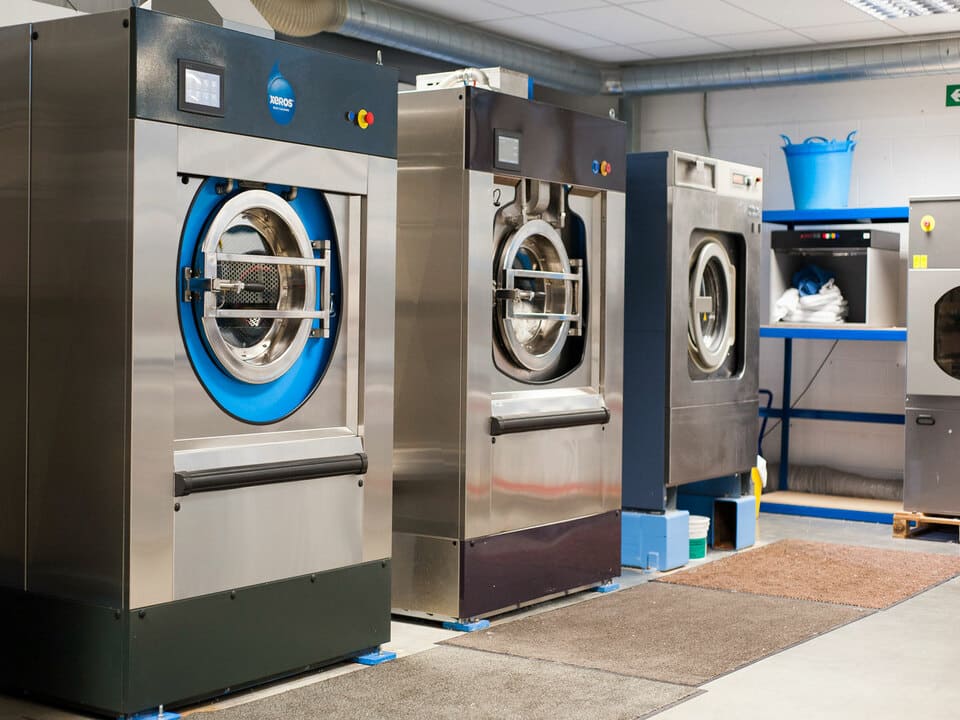
In addition, laundry cycle time is not a fixed setting that applies to every situation. Each textile type has unique characteristics, including fabric composition, thickness, absorbency, and soil levels. For example, towels and healthcare textiles typically require different processing times compared to employee uniforms or hotel bed linens. Adjusting cycle time according to textile characteristics helps ensure effective cleaning while preserving fabric quality and durability.
In modern industrial laundry systems, cycle times are often pre-programmed for specific textile categories. This allows businesses to maintain consistent quality, reduce operational errors, and ensure uniform results across different wash loads. It is also one of the key factors contributing to higher efficiency and service quality in industrial laundry operations.
2. Why Does Laundry Cycle Time Affect Cleaning Quality?
In industrial laundry operations, laundry cycle time is one of the most critical factors influencing cleaning performance. Even when using advanced equipment and professional laundry chemicals, inappropriate processing times can prevent optimal results.
The primary function of cycle time is to provide sufficient opportunity for water, chemicals, and mechanical action to work together in removing dirt, bacteria, sweat, oils, and other contaminants from textile surfaces. Each cleaning agent requires a certain amount of time to perform effectively. If the wash cycle is too short, chemicals may not have enough time to penetrate fabric fibers and loosen stubborn stains, reducing cleaning performance.
When laundry cycle time is insufficient, textiles may experience several issues:
- Incomplete cleaning results
- Lingering odors after washing
- Residual stains remaining on the fabric surface
- Inconsistent textile quality after washing
- Increased need for rewashing, leading to higher operational costs and longer processing times
For textiles used in hospitals, hotels, and restaurants, inadequate cleaning can directly affect user experience and service quality.
On the other hand, when the industrial laundry cycle time is properly optimized, cleaning agents can work more effectively. Water helps dissolve and remove contaminants, chemicals perform their cleaning functions, and the mechanical action of washing equipment assists in separating dirt from fabric fibers. This combination results in cleaner textiles, reduced odors, lower chemical residue, and longer-lasting fabric quality.
Furthermore, appropriate laundry cycle times help ensure consistency across multiple wash loads, allowing businesses to maintain stable service quality. This is why professional industrial laundry facilities develop specific washing programs for different textile categories instead of applying a single cycle time to all items. Such customization improves cleaning effectiveness while protecting textile integrity throughout their service life.
3. Laundry Cycle Time and Infection Control
In environments where hygiene standards are especially important—such as hospitals, clinics, healthcare centers, and medical facilities—industrial laundry cycle time affects not only cleaning performance but also infection control. This is one of the most important considerations for professional laundry providers when designing textile processing procedures.
Healthcare textiles frequently come into contact with bodily fluids, dirt, microorganisms, and various contaminants. Therefore, the goal of laundry processing extends beyond removing visible stains; it also includes minimizing the presence of microbial contaminants on textile surfaces.
To achieve this objective, textiles must remain in contact with cleaning agents, water, and appropriate processing temperatures for sufficient periods of time. If cycle times are too short, chemicals may not perform at their full potential, while temperature exposure and mechanical action may be insufficient to support proper decontamination.
A well-controlled laundry cycle time provides several benefits:
- Improved textile cleaning performance
- Support for reducing cross-contamination risks
- Better post-wash hygiene quality
- Greater consistency between wash loads
- Compliance with operational requirements in healthcare environments
For this reason, professional industrial laundry facilities typically calculate processing times separately for each textile category rather than applying a single washing program to all materials. Textile sorting before washing helps determine soil levels, fabric characteristics, and hygiene requirements, allowing more effective wash programs to be developed.
In addition, cycle time must be coordinated with other factors such as water temperature, chemical selection, and equipment technology. When all these variables are properly controlled, cleaning effectiveness is optimized while supporting higher service quality and compliance with hygiene standards in demanding environments.
4. Appropriate Laundry Cycle Time for Different Types of Linen
Not all textiles can be processed using the same wash program or laundry cycle time. Each textile category possesses unique characteristics related to fabric composition, thickness, absorbency, and contamination levels. Determining the correct processing time is essential for achieving effective cleaning while preserving textile quality and longevity.
In industrial laundry operations, textile classification before processing is a crucial step. This allows operators to select the most appropriate wash program and avoid both under-processing and over-processing.
Below are common textile categories and their typical processing requirements.
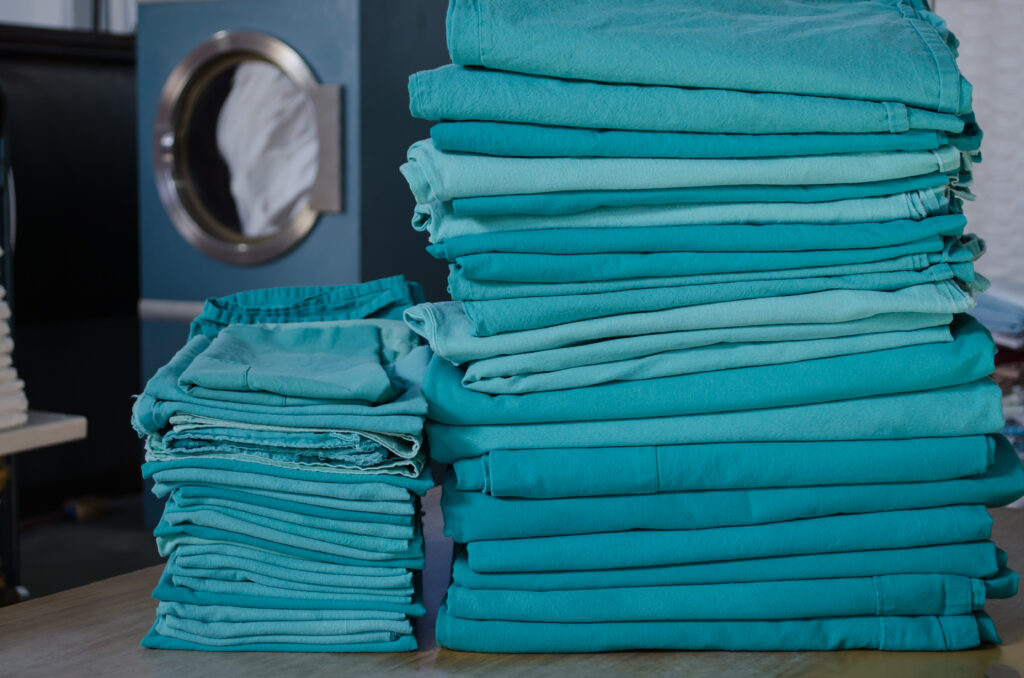
4.1. Towels and Medical Textiles
Towels and healthcare textiles are frequently exposed to environments with strict hygiene requirements. As a result, they generally require more intensive processing than standard textile categories. These items often require washing times ranging from 45–60 minutes or longer, depending on contamination levels and facility procedures.
Besides removing visible dirt, the washing process must support hygiene and infection control objectives. Therefore, laundry cycle times for these textiles are carefully calculated to ensure water, chemicals, and temperature can perform effectively.
4.2. Bed Sheets and Lightweight Blankets
Bed sheets, pillowcases, and lightweight blankets are commonly used in hotels, hospitals, and accommodation facilities. During regular use, these items accumulate dust, perspiration, and odor-causing contaminants.
To ensure proper cleanliness, washing times must be long enough to remove contaminants effectively. However, excessive processing offers little additional benefit and may increase fabric wear. Typical laundry cycle times range from 35–50 minutes.
Maintaining a balance between cleaning performance and fabric protection is particularly important for this textile category.
4.3. Employee Uniforms
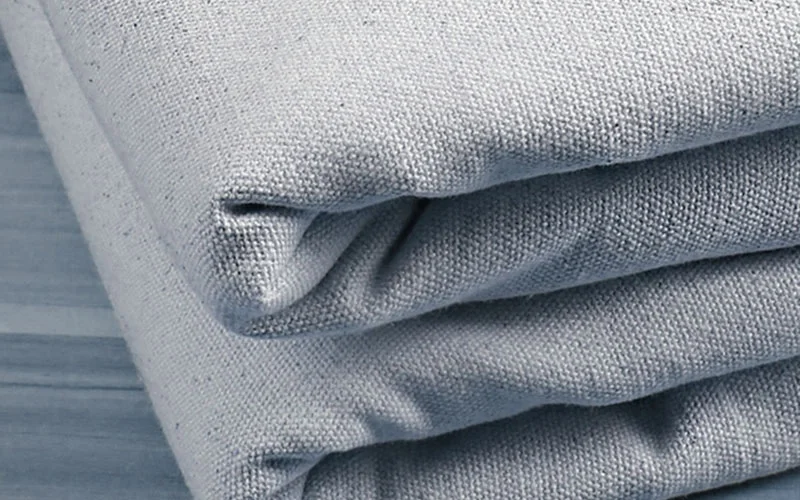
Employee uniforms are washed frequently throughout their service life. In industrial laundry facilities, uniform washing programs generally require 30–45 minutes, depending on fabric composition and soil levels.
The laundry cycle time for uniforms must be optimized to ensure effective cleaning while minimizing impact on fabric color and durability. Excessive processing can accelerate fading and wear, while insufficient washing may leave behind stains and odors.
Selecting the appropriate washing program helps uniforms maintain a professional appearance while extending their usable lifespan.
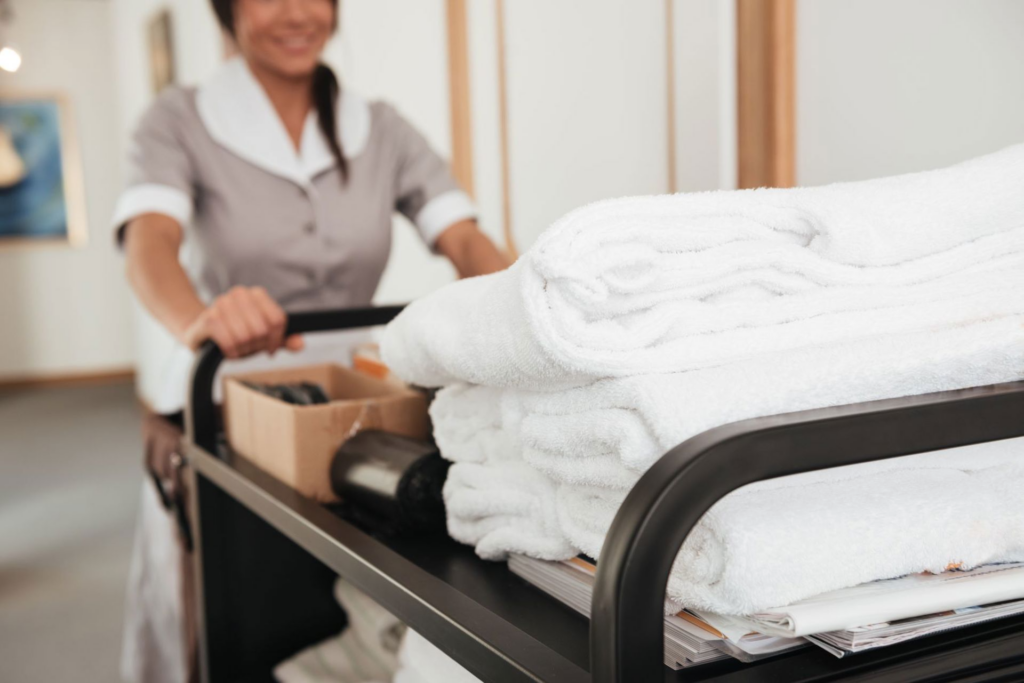
4.4. Restaurant and Hotel Towels
Towels used in restaurants and hotels must maintain cleanliness, brightness, and softness to support guest satisfaction. Since these textiles are washed frequently, they require processing times that effectively remove contaminants while preserving fabric quality.
These items are typically processed for approximately 35–50 minutes, allowing removal of food stains, beverage residues, and daily-use contaminants.
Effective control of laundry cycle time helps prevent towels from becoming stiff, losing softness, or deteriorating prematurely after repeated washing.
4.5. Specialized Industrial Textiles
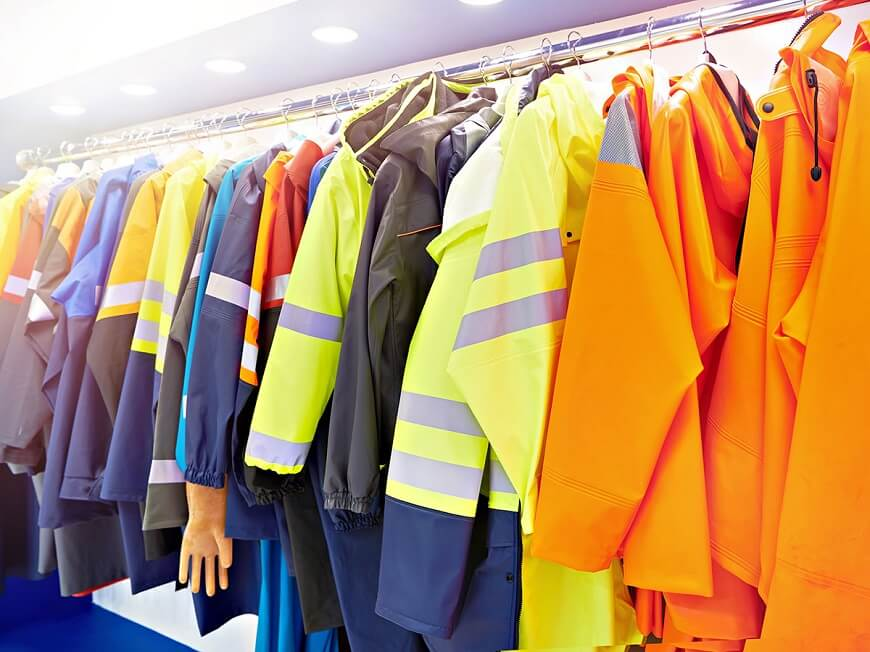
Certain industries use specialized textiles with unique characteristics such as water resistance, flame resistance, or chemical resistance. These materials often require customized treatment procedures compared to standard textiles.
As a result, laundry cycle time must be adjusted according to the specific properties of each fabric type to ensure effective cleaning without compromising the product’s specialized functions.
Overall, textile classification plays a critical role in determining the appropriate industrial laundry cycle time for each category. When processing times are aligned with textile characteristics, businesses can improve cleaning quality, extend textile lifespan, reduce replacement costs, and optimize operational efficiency.
5. The Role of Equipment in Controlling Laundry Cycle Time
In modern industrial laundry operations, equipment plays a vital role in controlling industrial laundry cycle time accurately.
Pre-programmed washing systems help:
- Ensure consistency across wash loads
- Reduce operational errors
- Optimize cleaning performance
- Improve processing efficiency
As a result, businesses can maintain stable service quality even while processing large volumes of textiles every day.
6. Optimizing Laundry Cycle Time to Improve Operational Efficiency
Developing appropriate laundry cycle times affects not only textile quality but also the overall efficiency of laundry operations.
When industrial laundry cycle time is properly optimized, businesses can:
- Increase textile processing capacity
- Reduce water and energy consumption
- Minimize equipment wear
- Maintain consistent service quality
- Improve operational management efficiency
This is one of the factors that enables industrial laundry providers to strengthen their competitiveness in the marketplace.
Industrial laundry cycle time directly influences cleaning quality, textile durability, infection control, and operational efficiency. A properly designed washing process ensures effective contaminant removal while protecting textile quality throughout its service life.
For professional providers such as Green Laundry, carefully managing industrial laundry cycle time is an essential part of optimizing operations, maintaining service quality, and meeting the increasingly demanding expectations of customers.
>>>> Read more: Why is baking soda considered a powerful helper in laundry care?
Green Laundry – the leading company in providing quality and professional laundry solutions in Vietnam
Email: greenlaundry@giatuixanh.com
Phone: 028 36 222 180
Fanpage: Giặt Ủi Xanh – Chuyên Giặt Ủi Công Nghiệp
Address: Lot A57/II-Lot 58/II, Road No. 2D, Vinh Loc Industrial Park, Binh Tan Ward, Ho Chi Minh City.