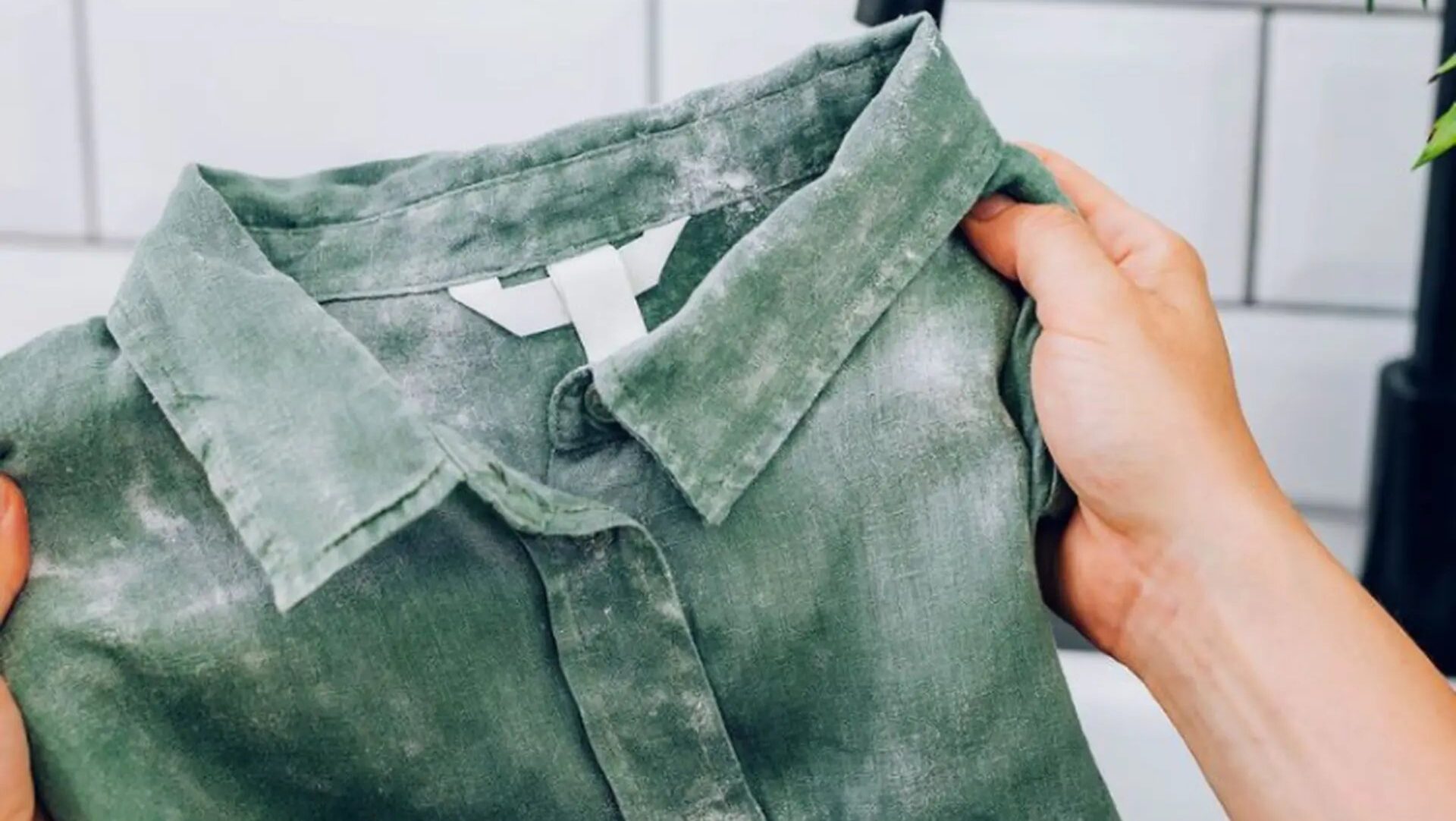
During use and storage, clothes can experience various problems such as fading, pilling, color transfer, or unpleasant odors. Among these, mold on clothes is a fairly common issue, especially during periods of high humidity or when clothes are not completely dried before being stored. However, not every case requires you to throw away moldy clothes. Depending on the severity of the mold, the fabric type, and the condition of the garment, appropriate treatment methods can be applied to improve its condition. So, what causes mold to develop on clothes? How can mold stains be treated properly without affecting fabric quality? Let’s find out in the article below.
1. Why Do Clothes Easily Develop Mold?
Before learning how to deal with mold on clothes, it is important to identify the causes of mold growth. This not only helps address the current problem but also reduces the risk of mold returning after washing.
1.1. Clothes Are Not Completely Dry
One of the most common reasons clothes develop mold is storing them while they are still damp.
After washing, if clothes are dried in areas with little sunlight, poor airflow, or high humidity, the water inside the fabric fibers may not be completely removed. As a result, the clothes remain damp for an extended period, creating favorable conditions for mold growth.
Areas such as collars, cuffs, seams, and pockets often take longer to dry than other parts of a garment.
Therefore, make sure clothes are completely dry before storing them.
1.2. Drying Clothes in Poorly Ventilated Areas
The drying environment directly affects how effectively clothes can dry.
If clothes are hung too close together or dried in an enclosed room, air cannot circulate properly around the fabric. As a result, moisture remains trapped for longer, increasing the risk of mold developing on clothes.
This problem is even more common during the rainy season or on days with high humidity.
1.3. Leaving Dirty Clothes Unwashed for Too Long
After use, clothes usually contain sweat, body oils, dust, and various substances from the surrounding environment.
If used clothes are rolled up and left in a closed laundry basket for several days, moisture from sweat cannot escape. This enclosed and damp environment can create favorable conditions for bacteria and mold to grow.
Therefore, instead of leaving dirty clothes for too long, they should be washed and dried within an appropriate period.
1.4. Storing Clothes in High-Humidity Areas
A wardrobe placed in a poorly ventilated or humid area can also make clothes more susceptible to mold.
Even when clothes are completely dry before being stored, a humid storage environment can allow moisture to penetrate back into the fabric fibers.
This is why it is important to keep wardrobes clean, dry, and well ventilated.
2. What Problems Can Mold on Clothes Cause?
Mold on clothes is not simply a cosmetic issue. If it is not treated properly, it can affect both the quality of the clothes and the overall wearing experience.
First, mold stains often appear as black, green, yellow, or gray spots on the surface of the fabric. These marks are especially noticeable on light-colored clothing and can make garments look less clean and fresh.
In addition, moldy clothes often develop a characteristic musty odor. Even after washing, this odor may sometimes remain if mold and dirt have penetrated deeply into the fabric fibers.
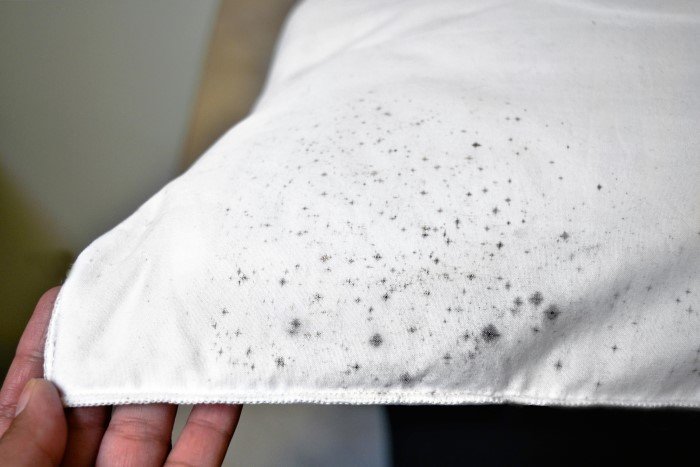
If the condition persists, the fabric fibers may also be affected. Clothes may become weaker, lose their durability, and become difficult to restore to their original condition.
Therefore, when signs of mold are detected, they should be treated as soon as possible instead of continuing to wear or store the affected clothes.
3. How to Deal with Mold on Clothes at Home
3.1. Wash Clothes Immediately When Mold Is Detected
For cases where mold has only recently appeared, the simplest approach is to wash the clothes immediately to prevent the mold from spreading further.
Before washing, check the garment’s care label to determine the fabric type and appropriate care method.
For light mold stains, regular laundry detergent can be used. Before putting the garment into the washing machine, it is recommended to pre-treat the affected area to improve cleaning effectiveness.
After washing, check the garment again. If the mold stain remains, do not immediately dry or store the garment. Instead, continue treating it with a method appropriate for the fabric type.
3.2. Using Baking Soda
Baking soda is a commonly used ingredient for helping with cleaning and odor removal.
For light mold stains, baking soda can be mixed with an appropriate amount of water to form a thick paste. Apply the mixture to the affected area and leave it for a short period before gently scrubbing.
Then, wash the garment again with a suitable laundry detergent and rinse thoroughly.
However, before applying it to the entire garment, test the mixture on a small, inconspicuous area, especially for colored clothing or garments made from special fabrics.
3.3. Using White Vinegar to Help Remove Odors
Musty odors are often one of the most unpleasant problems, even after visible mold stains have been treated.
White vinegar can be used as a supporting method to help remove odors during the washing process. However, vinegar should never be mixed with other cleaning chemicals, especially chlorine-based bleach, as this can cause a dangerous chemical reaction.
Whenever using any product to treat mold on clothes, safety should be prioritized and the product’s instructions should be followed carefully.
3.4. Using a Suitable Mold Removal Product
For mold stains that have been present for a long time or have penetrated relatively deeply into the fabric, specialized mold-removal products may be considered.
However, not every cleaning or bleaching product is suitable for every type of fabric. Colored clothing, delicate fabrics, and special textiles may fade or become damaged if unsuitable chemicals are used.
Therefore, carefully read the instructions on the product packaging, check its compatibility with the fabric, and perform a spot test on a small area when necessary.
3.5. Drying Clothes Completely After Treatment
After treating mold on clothes, the drying process is just as important as washing.
Clothes should be dried in a well-ventilated area with good airflow. Do not fold or store clothes while they are still damp, as this can cause mold to develop again.
On humid days, an appropriate drying method can be selected based on the fabric type to ensure that the clothes are completely dry.
4. Should You Use Bleach to Treat Moldy Clothes?
Bleach can be effective in treating certain stains and mold. However, it is not suitable for every type of clothing.
In particular, using bleach at an incorrect concentration or soaking clothes for too long can weaken fabric fibers, cause fading, or create uneven discoloration.
For white clothing, a suitable bleaching product may be considered if permitted by the garment’s care label. For colored clothing or sensitive fabrics, extra caution is required.
An important rule is never to mix bleach with other chemicals unless specifically instructed by the manufacturer. Bleach should also be used in a well-ventilated area, while all safety instructions must be followed carefully.
5. Common Mistakes to Avoid When Treating Mold on Clothes
5.1. Scrubbing Mold Stains Too Hard
When people notice mold stains on their clothes, they may be tempted to use a stiff brush and scrub the stains aggressively.
However, this can cause pilling, abrasion, or damage to the surface structure of the fabric, especially with delicate materials.
Instead, treat the stain step by step and choose tools that are appropriate for the fabric type.
5.2. Using Too Many Chemicals
Using more cleaning chemicals does not necessarily mean that mold will be removed more quickly.
Excessively high concentrations of chemicals can damage fabric fibers and cause problems that are difficult to repair.
Therefore, always prioritize using the recommended dosage.
5.3. Soaking Clothes for Too Long
Some people believe that the longer clothes are soaked, the easier it will be for mold stains to come off.
In reality, soaking time should be adjusted according to the product type and the instructions provided for the cleaning or bleaching product. Soaking for too long can affect the color and durability of the fabric.
5.4. Storing Clothes Before They Are Completely Dry
This is one of the most common mistakes.
If clothes are still slightly damp but are folded and placed in a wardrobe, the enclosed environment makes it difficult for moisture to escape.
Over time, the clothes may develop unpleasant odors and mold again.
6. How Can You Prevent Mold on Clothes?
Prevention is always easier than dealing with mold stains after they have already developed. The following habits can help reduce the risk of mold on clothes.
Washing Clothes Soon After Use
Avoid leaving worn clothes in a closed laundry basket for several days. This is especially important for clothes containing a lot of sweat, as washing them promptly helps reduce conditions that favor mold growth.
Drying Clothes Completely
This is the most important factor. Clothes should be completely dry before being folded and stored.
Keeping the Wardrobe Well Ventilated
Avoid overcrowding clothes in a small space. Leaving enough space between garments allows air to circulate more effectively and helps prevent moisture from accumulating.
Cleaning the Wardrobe Regularly
The wardrobe should also be cleaned regularly, especially when musty odors or signs of mold are detected inside.
Avoiding Piles of Damp Clothes
After washing, clothes should be dried or placed in a dryer as soon as possible. Avoid leaving wet clothes piled up for a long period of time.
7. When Should You Seek Professional Laundry Services?
Not every case of mold on clothes can be easily handled at home.
For garments with long-standing mold stains, special fabrics, or high-value items, using strong chemicals without proper knowledge can make the condition worse.
In these cases, professional laundry services can help assess the fabric, the severity of the stains, and select an appropriate treatment method.
This is particularly important for large quantities of textiles such as uniforms, towels, bed sheets, bathrobes, or other products used in hotels, spas, and businesses. Handling each item individually can be time-consuming and may make it difficult to achieve consistent results.
A professional laundry process can control every stage, from receiving and sorting to treatment, washing, drying, and quality inspection before the items are returned.
8. Green Laundry – Professional Textile Care Solutions
In industrial laundry operations, textile treatment is not limited to achieving cleanliness. It also requires maintaining the quality of textiles after the washing process.
At Green Laundry, textiles are sorted according to material, color, and condition before entering the treatment process. Proper sorting helps select the appropriate washing program, minimize unnecessary impact on fabric fibers, and improve cleaning effectiveness.
For textiles showing signs of mold or unpleasant odors, assessing their condition before treatment is also important. Depending on the characteristics of each type of textile, the process can be adjusted to ensure effective cleaning while maintaining product durability.
In addition, the washing, drying, and finishing systems are controlled to ensure that textiles are properly dried and finished according to requirements before being returned.
Mold on clothes can occur for many reasons, such as clothes not being completely dry, drying in poorly ventilated areas, storing clothes in humid environments, or leaving dirty clothes unwashed for too long.
When signs of mold are detected, early treatment can improve the chances of successful cleaning and minimize its impact on fabric quality. Depending on the situation, users can choose methods such as rewashing, using baking soda, odor-treatment products, or suitable bleaching products.
However, prevention remains the most important step. Washing clothes at the right time, drying them completely, and storing them in a clean and well-ventilated environment can significantly reduce the risk of mold. Small habits in textile care can help minimize the risk of mold on clothes while keeping garments clean, fresh, and durable for longer.
>>>> Read more: Why is baking soda considered a powerful helper in laundry care?
Green Laundry – the leading company in providing quality and professional laundry solutions in Vietnam
Email: greenlaundry@giatuixanh.com
Phone: 028 36 222 180
Fanpage: Giặt Ủi Xanh – Chuyên Giặt Ủi Công Nghiệp
Address: Lot A57/II-Lot 58/II, Road No. 2D, Vinh Loc Industrial Park, Binh Tan Ward, Ho Chi Minh City.