Quality inspection before delivery plays a critical role in commercial laundry services. Learn how a comprehensive inspection process ensures linens are clean, correctly counted, properly packaged, and ready for delivery to customers.
1. Why Is Quality Inspection Before Delivery Important?
In the commercial laundry industry, cleaning textiles is only one part of the overall service. After washing, drying, and finishing are completed, every item must undergo a final quality inspection before delivery to ensure it meets the required standards.
For organizations such as hospitals, hotels, spas, and restaurants, linens are used continuously every day. Even a small number of substandard items or incorrect deliveries can disrupt daily operations and negatively affect the customer experience.
For this reason, quality inspection before delivery is considered the final yet one of the most important stages of the entire laundry process. It helps identify and correct any remaining issues before linens are handed over to customers, ensuring consistent service quality and operational reliability.
2. Key Criteria for Quality Inspection Before Delivery
An effective quality inspection process evaluates more than just cleanliness. A professional inspection covers multiple aspects, including cleaning quality, textile condition, item quantity, sorting accuracy, packaging standards, and delivery information.
Each criterion contributes to ensuring customers receive the correct quantity, the right textile types, and the expected level of quality. Thorough inspections also help minimize customer complaints, reduce the cost of correcting errors, and enhance the professionalism of the laundry service.
3. The Quality Inspection Process Before Delivery
3.1. Inspecting Linen Cleanliness
The first step in quality inspection before delivery is evaluating the cleanliness of textiles after the entire laundry process has been completed.
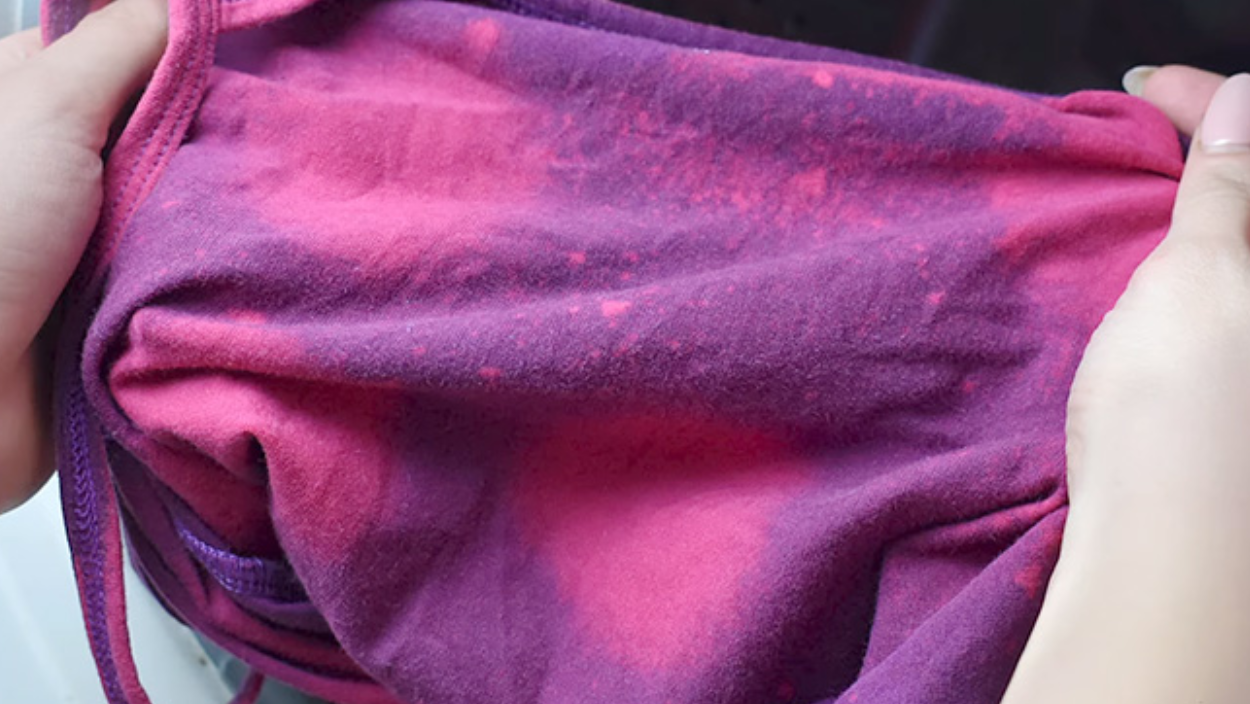
Staff visually inspect each item according to established internal quality standards to identify any remaining stains, discoloration, dust, or signs that the textile has not been completely cleaned.
Items that fail to meet quality requirements are separated for reprocessing rather than moving directly to packaging. This ensures that only products meeting quality standards proceed to the next stage.
In addition to cleanliness, textiles should retain their appropriate color, brightness, and appearance according to their fabric type. These factors are essential indicators of high-quality commercial laundry service.
3.2. Inspecting Textile Condition
After cleanliness has been verified, the next step is evaluating the physical condition of each textile item.
During normal use, linens may develop tears, frayed edges, loose stitching, worn areas, or other forms of damage caused by long-term use. The inspection process distinguishes normal wear from any issues that may have occurred during laundry processing.
Staff also examine whether garments or linens have experienced shrinkage, deformation, fading, or excessive wrinkling after finishing. Any items that do not meet quality standards are either reprocessed or reported according to internal procedures before delivery.
This inspection stage helps prevent substandard products from reaching customers while maintaining consistent service quality.
3.3. Verifying Quantity and Sorting
In commercial laundry services, delivering the correct quantity is just as important as achieving excellent cleaning results.
Once processing is complete, all textiles are counted and compared with the original receiving records. This verification process helps prevent shortages, incorrect deliveries, or lost items.
Each textile category is also sorted according to customer accounts or product types, including bath towels, face towels, bed linens, bathrobes, uniforms, and curtains.
Well-organized sorting not only improves delivery efficiency but also significantly reduces the risk of mistakes when processing large volumes of textiles every day.
3.4. Inspecting Folding and Packaging
After both quality and quantity have been confirmed, textiles move to the finishing stage.
During this step, staff inspect the folding method, packaging quality, and overall presentation of every package.
Linens should be neatly folded according to established standards and carefully packaged to minimize dust contamination or environmental exposure during transportation.
For customers with specific packaging or sorting requirements, every instruction must be followed precisely to ensure a smooth and efficient receiving process.
3.5. Verifying Order Information Before Dispatch
Before the delivery vehicle leaves the laundry facility, a final inspection is performed to verify all shipment information.
This includes confirming the customer’s name, delivery location, textile categories, item quantities, and any special requirements associated with the order.
Carefully reviewing this information minimizes delivery errors while improving service accuracy and professionalism.
It also helps ensure every shipment reaches the correct customer, at the correct location, and within the agreed delivery schedule.
4. Benefits of a Quality Inspection Process Before Delivery
Implementing a standardized quality inspection process offers significant advantages for both laundry providers and their customers.
First, it helps identify and correct any remaining issues before products leave the facility, reducing the need for returns, recollection, or reprocessing after delivery.
A comprehensive inspection process also maintains consistent quality across every shipment, increases customer satisfaction, and strengthens the company’s reputation.
For organizations handling large volumes of textiles, quality inspections further improve inventory control, reduce the risk of lost items, and enhance long-term operational efficiency.
5. Green Laundry Prioritizes Quality Inspection Before Every Delivery
At Green Laundry, quality inspection before delivery is an essential part of our standard operating procedures.
After washing, drying, and finishing are completed, every textile undergoes comprehensive inspection for cleanliness, fabric condition, quantity, folding quality, and packaging before being delivered to customers.
Quality control at multiple stages helps minimize errors, maintain consistency across every batch, and ensure our services consistently meet customer expectations.
In addition, Green Laundry continuously improves its operational management system to enhance efficiency while providing professional commercial laundry services for hospitals, hotels, spas, and a wide range of business clients.
A high-quality commercial laundry service involves much more than simply cleaning textiles. Every item should undergo a thorough quality inspection before delivery to ensure it meets established standards.
A well-structured quality inspection process helps complete the laundry workflow, reduce operational errors, and provide customers with confidence in every delivery.
For commercial laundry providers, implementing a standardized quality inspection system before delivery not only improves service quality but also establishes a strong foundation for sustainable growth and long-term customer trust.
>>>> Read more: Why is baking soda considered a powerful helper in laundry care?
Green Laundry – the leading company in providing quality and professional laundry solutions in Vietnam
Email: greenlaundry@giatuixanh.com
Phone: 028 36 222 180
Fanpage: Giặt Ủi Xanh – Chuyên Giặt Ủi Công Nghiệp
Address: Lot A57/II-Lot 58/II, Road No. 2D, Vinh Loc Industrial Park, Binh Tan Ward, Ho Chi Minh City.