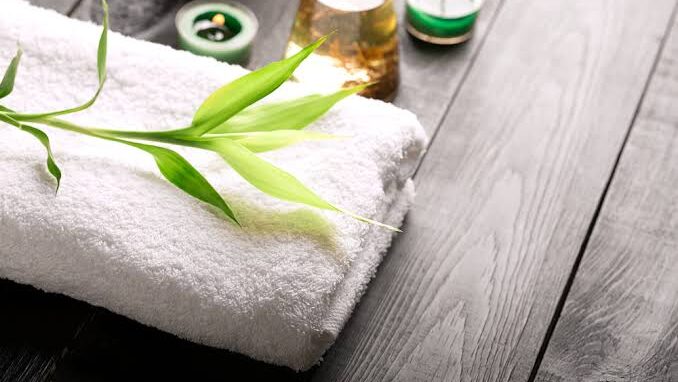
In spas, towels are among the items used most frequently and come into direct contact with customers’ skin. In addition to cleanliness, soft spa towels are an important factor in demonstrating attention to detail and the quality of customer care. However, spa towels often go through continuous laundry cycles to meet daily demand. Without proper treatment and storage, towels can gradually lose their softness, become less absorbent, and affect service quality. So why is it important for spa towels to remain soft after multiple washes? What causes towels to become stiff, and how can they be kept soft throughout long-term use?
1. Why Do Spa Towels Need to Stay Soft After Multiple Washes?
1.1. Providing a Comfortable Experience for Customers
When using spa services, customers generally expect to relax and receive care in a comfortable environment. Small details, such as the softness of a towel when wiping the face, drying the body, or coming into contact with the skin, can also influence how customers perceive the service.
A soft spa towel helps minimize roughness when it comes into contact with the skin, particularly during facial or body treatments. In contrast, towels that are too stiff or have rough fibers can feel uncomfortable and reduce the level of comfort customers expect.
Therefore, towel softness is not simply a characteristic of the material; it is also part of the overall service experience. Maintaining softness after multiple washes helps spas provide customers with a consistently comfortable experience each time the towels are used.
1.2. Reflecting the Spa’s Professionalism
The quality of a spa service is evaluated not only through treatment techniques or interior design but also through how customer-service items are prepared and maintained. Clean, soft towels that are free from unpleasant odors and neatly arranged contribute to a professional image.
When towels are used repeatedly while maintaining their softness and appearance, customers may feel that the items provided to them are carefully maintained. This is also one of the details that can contribute to customers’ confidence in the quality of the service.
In contrast, stiff, heavily linted, or musty-smelling towels may make customers feel that the quality of care has not been properly maintained, even when other service procedures are performed well. Therefore, maintaining towel quality after every washing cycle is an important part of spa operations.
1.3. Maintaining the Towel’s Absorbency
Softness and absorbency are two important characteristics of spa towels, particularly those used for drying the face, body, or excess moisture after treatments. When the fabric fibers maintain an appropriate structure, the towel can make better contact with the surface being dried and absorb moisture more effectively.
However, after multiple washes, residues from laundry detergents, fabric softeners, or minerals in the water can accumulate on the fibers if the washing and rinsing process is not properly controlled. This can make towels feel rough and stiff, reduce their softness, and affect their absorbency.
Therefore, keeping spa towels soft is not only about improving the feel during use but also about helping maintain their functionality. A towel that remains soft while retaining good absorbency can better meet the daily needs of spa operations.
1.4. Extending Service Life and Reducing the Need for Replacement
Spa towels are used frequently, especially at facilities with a large number of customers. If towels quickly become stiff, frayed, less absorbent, or lose their appearance after a short period, the spa may need to replace them more often.
Maintaining softness and fabric quality through an appropriate laundry process can help towels remain in good usable condition for a longer period. This can help prevent premature deterioration and support more effective textile cost management for businesses.
However, keeping towels soft does not mean continuing to use towels that are too old or no longer meet hygiene requirements. Spas should still conduct regular inspections and replace towels that are torn, worn, significantly deteriorated, or no longer suitable for their intended use.
2. What Causes Spa Towels to Become Stiff After Multiple Washes?
2.1. Using Too Much Laundry Detergent and Fabric Softener
One of the common reasons spa towels become stiff is the incorrect use of laundry chemicals. Some people believe that using more detergent will make towels cleaner, or that using more fabric softener will make towels softer and more fragrant.
In reality, when too much laundry detergent is used, the washing machine may not be able to completely rinse away the remaining product from the fabric fibers. Residue that accumulates over multiple washes can cause towels to lose their soft feel and may even affect their ability to absorb water.
Fabric softener should also be used in appropriate amounts. Some fabric softeners can create a coating on the fibers, making towels feel softer to the touch. However, excessive or overly frequent use can affect the towel’s absorbency.
2.2. Water with High Mineral Content
The quality of the water used during washing can also affect the softness of spa towels. Water with a high mineral content, commonly referred to as hard water, can make certain components of laundry detergents more difficult to dissolve or more likely to form deposits during washing.
When mineral deposits accumulate on fabric fibers over multiple cycles, towels can become rougher and less soft. This is one of the reasons spa towels may become stiff even when they are washed regularly and treated with laundry detergent as usual.
For spas that need to process large quantities of towels, paying attention to water quality and implementing appropriate water treatment measures can help reduce the accumulation of mineral deposits on textiles.
2.3. Washing Towels Together with Unsuitable Textiles
Spa towels generally have different fiber structures and purposes compared with regular clothing or other types of textiles. If towels are washed together with items that produce a large amount of lint, contain significant amounts of dirt, or have different material characteristics, the towels may be affected in terms of cleanliness and surface condition.
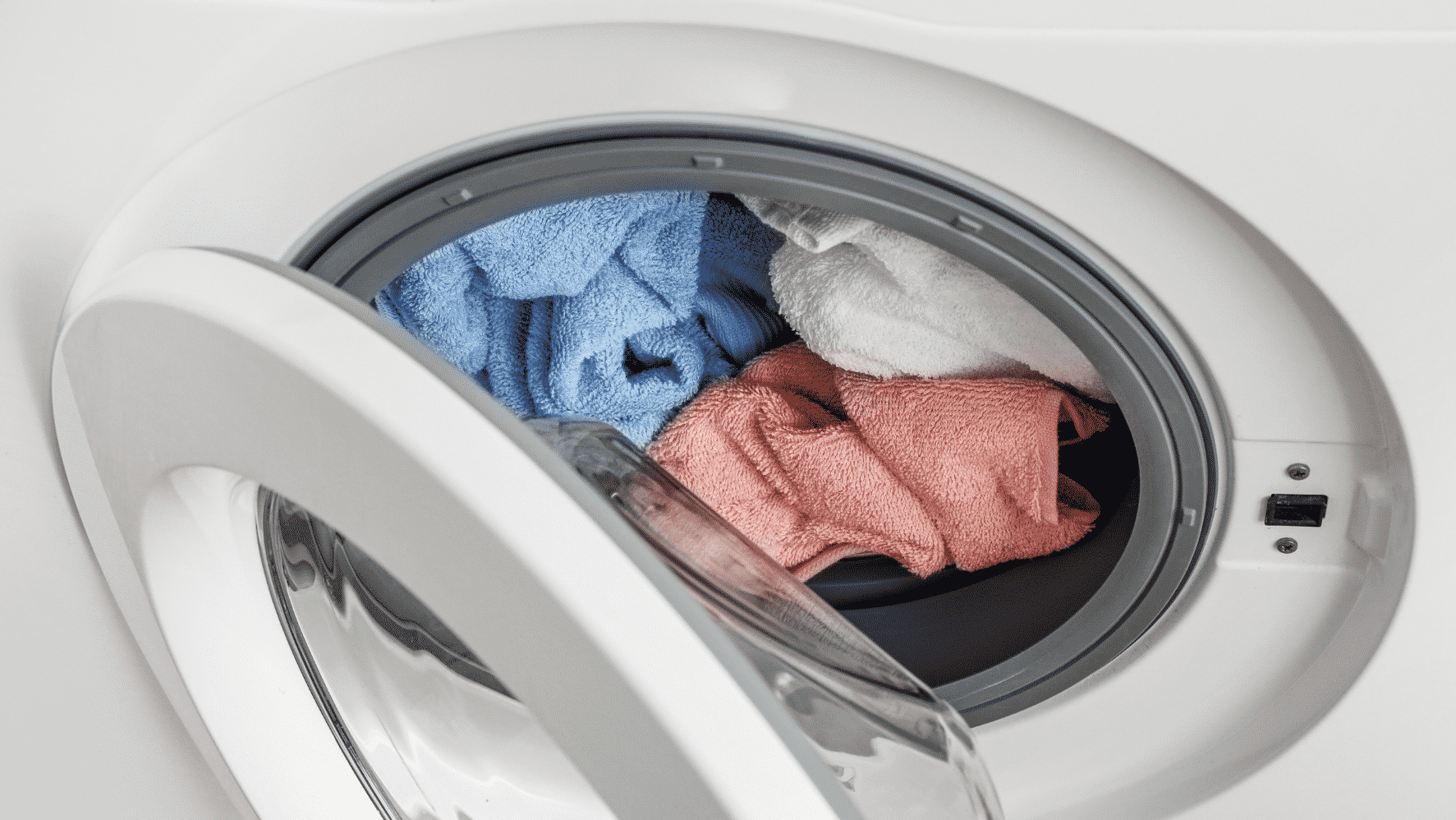
In addition, washing too many towels in a single load can prevent them from having enough room to move freely. As a result, water and laundry detergent may not come into contact evenly with all textiles, while the rinsing process may also become less effective.
Therefore, sorting towels according to material, color, and level of soiling before washing is an important step in maintaining spa towel quality. Selecting an appropriate load size also helps reduce excessive friction and the risk of detergent residue remaining after washing.
2.4. Drying Towels at Excessively High Temperatures
Drying is an essential step in removing moisture from spa towels after washing, particularly at facilities that need to prepare large quantities of towels every day. However, using excessively high temperatures or drying for too long can affect the fabric fibers, causing towels to gradually lose their natural softness.
Depending on the material, prolonged exposure to high temperatures can make fibers become dry and stiff or deteriorate more quickly. This is particularly important for cotton towels, which are widely used because of their good absorbency and soft feel.
Therefore, it should not be assumed that hotter or longer drying will always result in cleaner and better-dried towels. The appropriate temperature and drying time should be selected based on the fabric type and the actual moisture level of the towels to ensure effective drying while minimizing unnecessary stress on the fibers.
2.5. Improper Drying and Storage
After washing, if towels are not completely dried before storage, residual moisture can cause unpleasant odors. In an enclosed and poorly ventilated environment, prolonged exposure to moisture can also affect towel quality during storage.
In addition, folding towels while they are still hot or damp and placing them in a closed cabinet can make it difficult for moisture to escape. When used again, the towels may no longer provide the clean and soft feeling that customers expect.
To maintain soft spa towels, attention should be paid to both the drying and post-wash storage processes. Towels should be completely dried, allowed to cool appropriately after drying, and stored in a clean, dry, and well-ventilated area before use.
3. How to Keep Spa Towels Soft After Multiple Washes
3.1. Sort Towels Before Washing
Sorting towels is the first step in controlling textile quality throughout the washing process. Spa towels should be sorted according to material, color, level of soiling, and intended use so that an appropriate washing program can be selected.
Towels with different treatment requirements should not be washed together indiscriminately. Proper sorting helps minimize unnecessary friction, supports the cleaning process, and reduces the risk of affecting the structure of the fabric fibers.
For spas, towel sorting also makes it easier to monitor the quantity, condition, and quality of textiles after each washing cycle. This provides a foundation for maintaining clean and soft towels that can meet continuous usage demands.
3.2. Use the Appropriate Amount of Laundry Chemicals
To keep spa towels soft, it is important to select laundry chemicals that are appropriate for the towel material and level of soiling. Using the recommended dosage helps minimize residue on fabric fibers while supporting effective cleaning.
Do not increase the amount of detergent simply because the towels have an odor or are heavily soiled. For difficult stains, consider pre-treatment or adjusting the washing program rather than using excessive amounts of laundry chemicals in a single cycle.
In addition, towels should be thoroughly rinsed after washing. Proper control of the rinsing process helps minimize the accumulation of detergent residue over multiple cycles, thereby supporting the softness and absorbency of the towels.
3.3. Choose a Washing Program Suitable for Towels
Different towels have different material characteristics and levels of soiling, so the same washing program should not necessarily be applied to all textiles. Selecting an appropriate program helps balance cleaning effectiveness with fabric protection.
For spa towels, factors such as water temperature, washing time, mechanical action, and rinsing steps should be considered based on the material and hygiene requirements. Excessively high temperatures or strong mechanical action may increase the risk of fabric wear if they are not suitable for the towel type.
In particular, for towels used during skincare treatments, spas should ensure that the washing process meets the facility’s hygiene requirements. Softness should not be the only priority; cleaning effectiveness and safe use must also be considered.
3.4. Control Drying Temperature and Time
Proper towel drying plays an important role in maintaining softness after washing. When towels are dried at an appropriate temperature and for the necessary amount of time, moisture can be removed without exposing the fibers to excessive heat.
In contrast, overdrying can cause towels to lose their natural moisture and become drier and stiffer. Therefore, the drying program should be selected based on the material, towel load, and actual moisture level rather than using one fixed drying time for every load.
After drying, towels should be inspected to ensure they are completely dry before being moved to the storage area. Proper control of the drying process not only helps maintain softness but also reduces the risk of moisture remaining during storage.
3.5. Store Towels in a Dry, Well-Ventilated Area
After washing and drying, spa towels should be stored in a clean, dry, and well-ventilated area with limited exposure to dust and other contaminants. Damp towels should not be placed in enclosed cabinets or directly in areas with high humidity.
Towels should be neatly arranged and organized according to their intended use to facilitate textile management and rotation. This allows spas to monitor clean towels more easily and reduces the risk of using towels that do not meet requirements or storing them for excessively long periods.
In addition, towel condition should be inspected regularly during use. Towels that have become stiff, frayed, less absorbent, or no longer meet quality requirements should be assessed for appropriate treatment or replacement.
4. Common Mistakes to Avoid When Washing Spa Towels
4.1. Overusing Fabric Softener to Soften Towels
Fabric softener can make towels feel softer and more pleasant during use, but overusing it is not an optimal solution. Excessive amounts may cause certain ingredients in the softener to accumulate on the fibers and affect towel absorbency.
For spa towels, absorbency is one of the characteristics that needs to be maintained throughout their service life. Therefore, spas should not focus solely on how soft the towel feels to the touch while overlooking its absorbency and actual condition.
Instead of increasing the amount of fabric softener, spas should focus on using the correct amount of laundry detergent and other chemicals, selecting an appropriate washing program, and properly controlling the rinsing and drying processes.
4.2. Overloading the Washing Machine
Trying to wash as many towels as possible in a single load may save time in the short term, but it can reduce treatment effectiveness if the load exceeds the machine’s appropriate capacity. When towels are packed too tightly, their contact with water and laundry chemicals may be reduced, while rinsing may also become less effective.
Spa towels need sufficient space to move freely inside the washing drum so that they can be cleaned evenly. Therefore, the appropriate load capacity should be followed based on the equipment and textile characteristics rather than simply the number of towels that need to be processed.
4.3. Overdrying Towels or Drying Them Unevenly
Drying towels for too long can make them dry and stiff, while insufficient drying can leave residual moisture in the fabric fibers. Both situations can affect towel quality after washing and the overall user experience.
To minimize this problem, the moisture level of towels should be monitored after drying, and the program should be adjusted according to each load. Proper control of the drying process helps towels reach the required level of dryness without unnecessary exposure to high temperatures.
4.4. Focusing Only on Softness and Overlooking Hygiene Requirements
Soft spa towels are important, but softness cannot replace cleaning and hygiene requirements. A towel that feels soft but still contains dirt, has an unpleasant odor, or has not been properly treated does not meet the requirements for customer use.
Therefore, spas need to balance softness, absorbency, surface condition, and cleanliness. The laundry process should be developed based on the actual purpose of use, material characteristics, and hygiene requirements of each textile group.
5. How Can Professional Spa Towel Laundry Help Maintain Textile Quality?
For spas with a large number of customers, the number of towels that need to be processed each day can be substantial. Handling laundry in-house can require considerable time and labor, as well as dedicated space for washing, drying, inspection, and storage.
Using professional spa towel laundry services can help businesses manage large volumes of textiles more efficiently. A well-organized process can help control each stage, from sorting, washing, and rinsing to drying and quality inspection before the towels are returned.
In addition, selecting an appropriate treatment method for each group of towels helps minimize unnecessary stress on the fabric fibers. When factors such as the amount of laundry chemicals, temperature, washing time, and drying conditions are properly controlled, towels have a better chance of maintaining their softness and absorbency throughout their service life.
5.1. Controlling the Washing Process for Different Types of Towels
Not all spa towels have the same material, size, or intended use. Face towels, body towels, and towels used for different treatments may require specific processing conditions to maintain their quality after washing.
Therefore, sorting and selecting an appropriate washing program are important elements of a professional laundry process. This approach helps avoid processing all textiles using one fixed method while supporting consistent textile quality over time.
5.2. Ensuring Towels Are Clean, Dry, and Ready for Use
After washing, towels need to be dried appropriately and inspected before being returned. This step helps identify products that do not meet requirements for cleanliness, dryness, or surface condition so that they can be treated appropriately in a timely manner.
For spas, receiving towels on time and in suitable condition allows the facility to prepare its textiles more effectively for customer service. This also supports continuous operations, particularly on days with high customer volumes.
6. Green Laundry – Spa Towel Laundry Solutions for Businesses
Because spa towels are used frequently and need to maintain their quality through multiple washing cycles, choosing an appropriate laundry service provider is an important consideration for business operations. In addition to meeting cleaning requirements, the laundry process should also focus on protecting fabric fibers, controlling moisture, and maintaining the towels’ usability.
Green Laundry provides laundry solutions for business customers, including textile services for hotels and spas. Sorting, selecting appropriate treatment methods, and inspecting textiles after washing are important stages that need to be considered to meet each customer’s actual requirements.
For spa towels, maintaining softness should be considered part of overall textile quality control. When towels are properly washed, dried, and stored, spas can contribute to a better customer experience while also managing towel costs and service life more effectively.
Soft spa towels after multiple washes not only provide a pleasant feeling when they come into contact with the skin but also help maintain absorbency, appearance, and service quality. Properly cared-for towels can better meet the demands of frequent use while reducing premature deterioration.
To keep towels soft, spas should pay attention to every stage, from sorting and selecting laundry chemicals to controlling the washing program, drying, and storage. In particular, avoiding excessive use of fabric softener, preventing overloading, and avoiding excessively high drying temperatures can help reduce towel stiffness after multiple washing cycles.
For spas that need to process large quantities of towels, a professional laundry process can help control textile quality and optimize operations. Maintaining softness, absorbency, and cleanliness is one of the factors that can help spas provide customers with a careful, comfortable, and consistent service experience.
>>>> Read more: Why is baking soda considered a powerful helper in laundry care?
Green Laundry – the leading company in providing quality and professional laundry solutions in Vietnam
Email: greenlaundry@giatuixanh.com
Phone: 028 36 222 180
Fanpage: Giặt Ủi Xanh – Chuyên Giặt Ủi Công Nghiệp
Address: Lot A57/II-Lot 58/II, Road No. 2D, Vinh Loc Industrial Park, Binh Tan Ward, Ho Chi Minh City.