Washing machine mistakes are surprisingly common, even among people who use their washing machines every day. Many habits that seem harmless can actually cause clothes to wear out faster, reduce washing efficiency, increase water and electricity consumption, and even shorten the lifespan of the appliance.
A washing machine is designed to save time and effort, but improper use can quickly turn this convenience into unnecessary repair or replacement costs. From overloading the machine and using the wrong amount of detergent to neglecting regular maintenance, each small mistake can have a significant impact on long-term laundry performance.
1. Overloading the Washing Machine
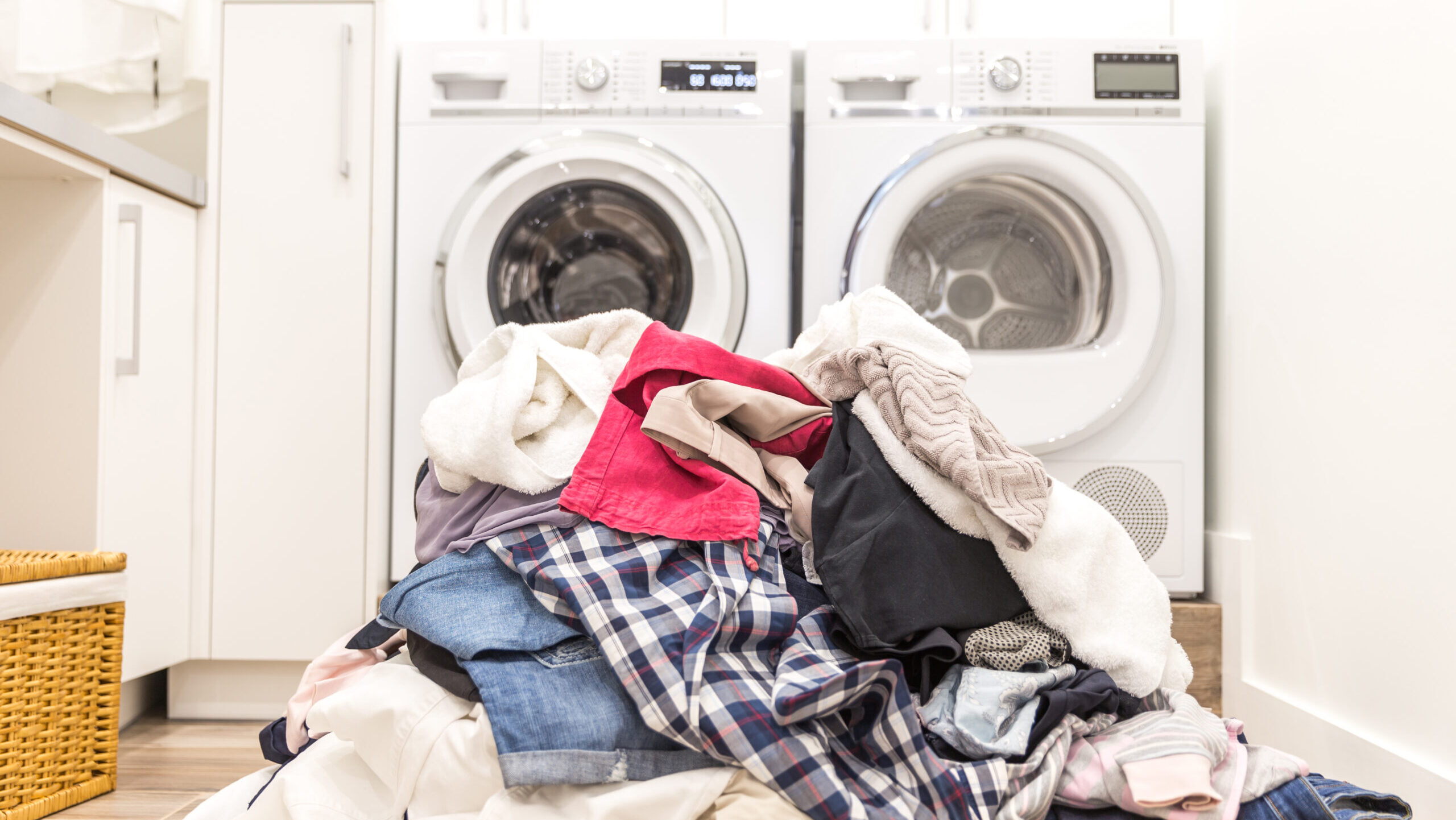
One of the most common washing machine mistakes is trying to fit too many clothes into a single load in an effort to save time, water, and electricity. While this may seem efficient, it can significantly reduce washing performance.
When the machine is overloaded, clothes do not have enough room to move freely, rotate properly, and create the friction needed for effective cleaning. As a result, dirt, sweat, and bacteria may not be fully removed. In addition, detergent may not rinse out completely, leaving residue on clothing that can make fabrics feel stiff or even retain unpleasant odors after washing.
Overloading also places excessive strain on the drum, drive belt, and motor. Over time, this can reduce machine efficiency, accelerate wear and tear, and increase the likelihood of mechanical problems.
To achieve optimal cleaning results and maintain the durability of your washing machine, it is best to follow the load capacity recommended by the manufacturer rather than trying to maximize the drum space with every wash.
2. Using Too Much or Too Little Detergent
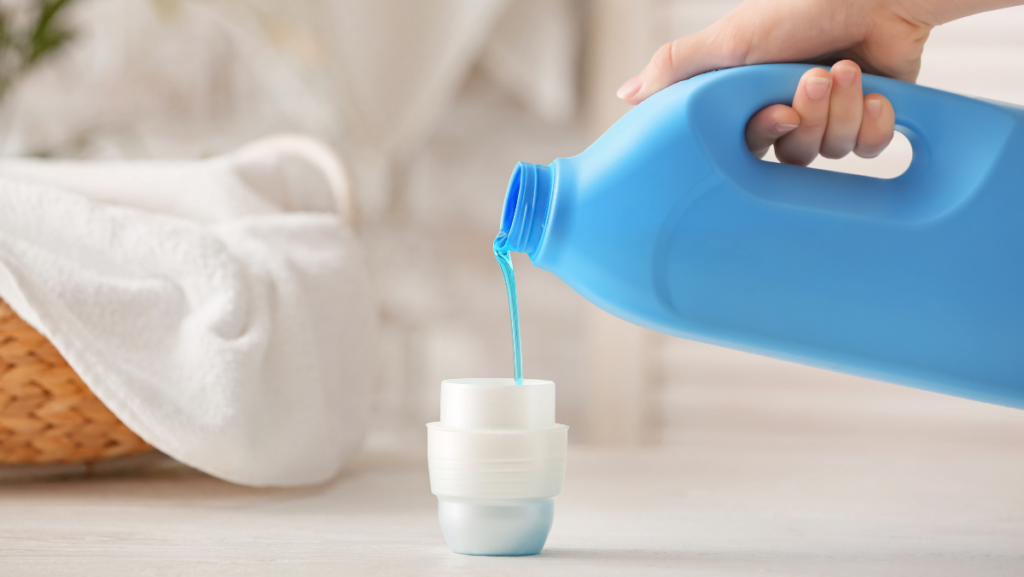
Many people believe that using more detergent will result in cleaner clothes, but this is actually one of the most common washing machine mistakes.
Using too much detergent can cause:
- Residue buildup on clothing
- Detergent accumulation inside the drum
- Increased risk of mold growth
- Stiffer fabrics
Using too little detergent can result in:
- Clothes not being fully cleaned
- Lingering odors
- Reduced washing effectiveness
The key is to use the correct amount according to the detergent manufacturer’s instructions and the size of the laundry load.
3. Not Sorting Clothes Before Washing
Washing all clothes together may seem convenient, but it carries several risks.
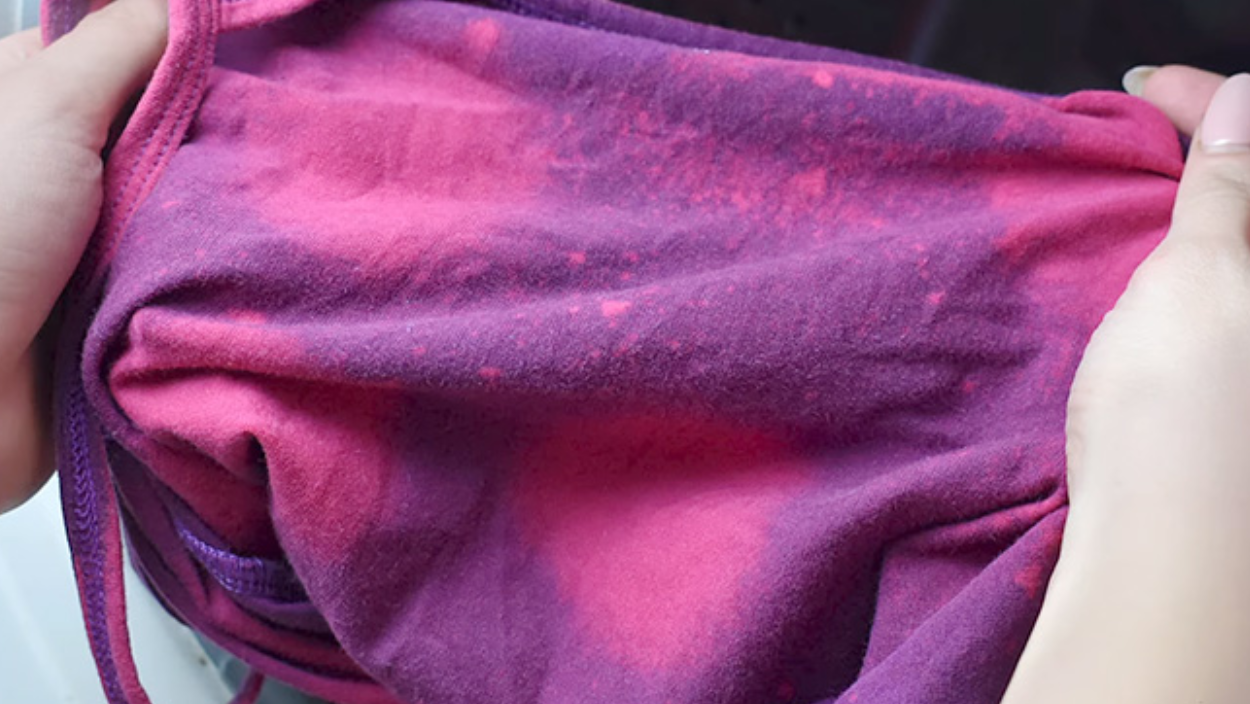
This is one of the washing machine mistakes that can lead to:
- White clothes becoming stained by color transfer
- Delicate fabrics becoming damaged
- Heavily soiled items affecting lightly soiled garments
- Reduced fabric lifespan
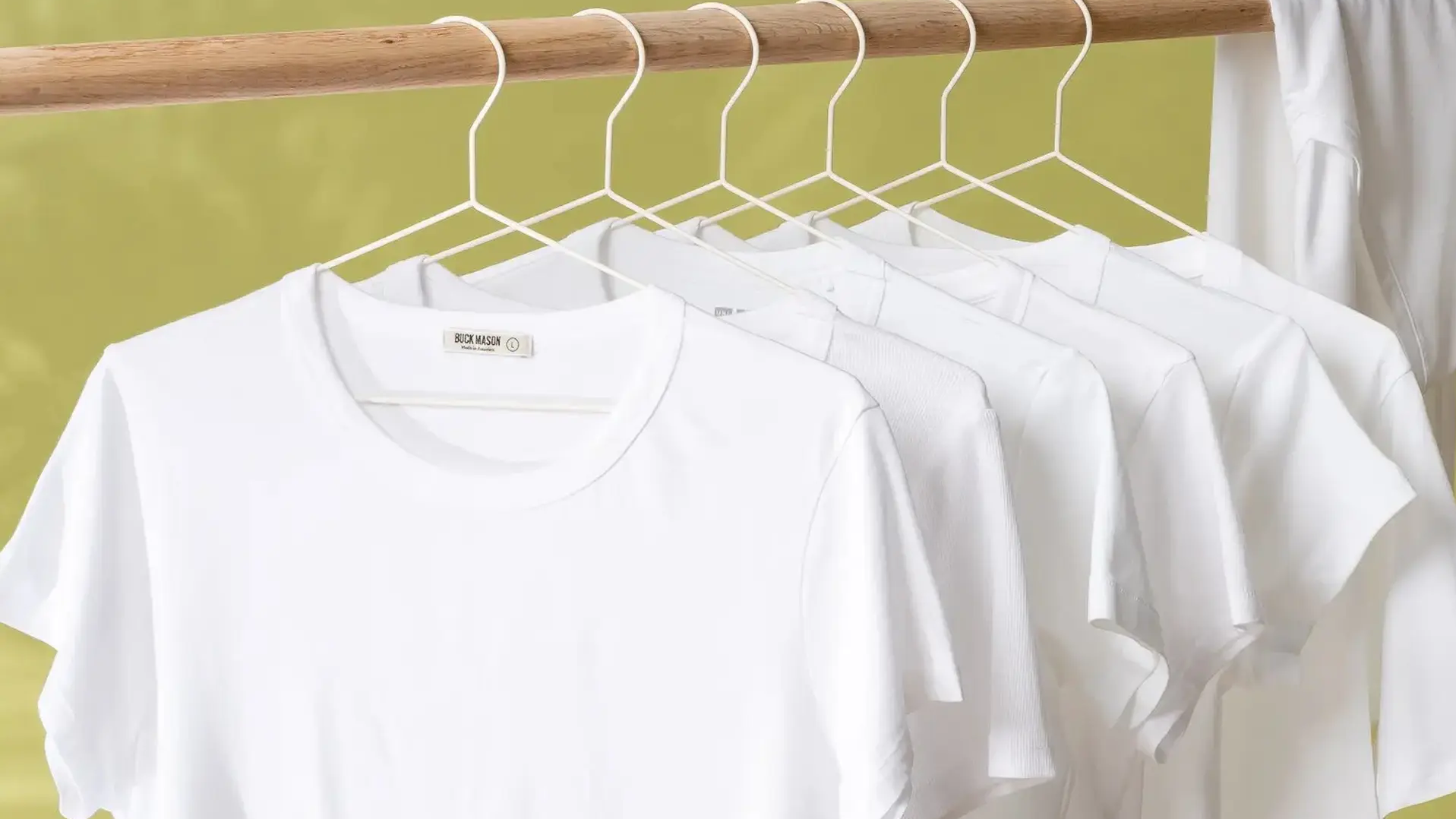
Sorting clothes by color, fabric type, and soil level not only improves cleaning results but also helps preserve garment quality over time.
4. Leaving Clothes in the Machine for Too Long After Washing
After a wash cycle finishes, many people forget to remove their clothes immediately. This is a common reason why clothes develop a musty smell even though they have just been washed.
When damp clothes remain in a closed environment for too long, bacteria and unpleasant odors can easily develop.
To prevent this, try to remove clothes as soon as possible after the cycle ends and hang them to dry immediately.
5. Not Cleaning the Washing Machine Regularly
A washing machine that looks clean on the outside may not be clean on the inside. Dirt, detergent residue, and moisture can accumulate inside the drum over time.
This is one of the washing machine mistakes that can cause:
- Clothes to absorb unpleasant odors
- Reduced washing performance
- Mold growth
- Faster machine deterioration
Regular washing machine maintenance is essential for keeping the appliance operating efficiently.
6. Choosing the Wrong Wash Cycle
Not all garments should be washed using the same cycle. Different fabrics and clothing types require different care methods to ensure effective cleaning while maintaining durability.
Delicate and Lightweight Fabrics
Thin shirts, underwear, and delicate garments should be washed using a gentle cycle to reduce friction and prevent stretching, tearing, or loss of shape.
Bedding and Heavy Fabrics
Blankets, bed sheets, and towels typically require stronger wash cycles to provide deeper cleaning and better removal of dirt, bacteria, and residue.
Sportswear
Athletic clothing often accumulates sweat and body odors. Wash cycles designed for odor removal or intensive cleaning are generally more effective for these items.
Choosing the wrong wash cycle can prevent clothes from being cleaned properly and may cause fabrics to fade, weaken, or wear out more quickly. Understanding the purpose of each wash program helps maximize cleaning performance while protecting your garments.
7. Ignoring Garment Care Labels
One of the most overlooked washing machine mistakes is failing to read clothing care labels.
Care labels provide important information regarding:
- Water temperature
- Recommended wash cycle
- Drying instructions
- Special care warnings
Ignoring these guidelines can lead to shrinking, fading, or fabric distortion.
8. Closing the Washing Machine Door Immediately After Use
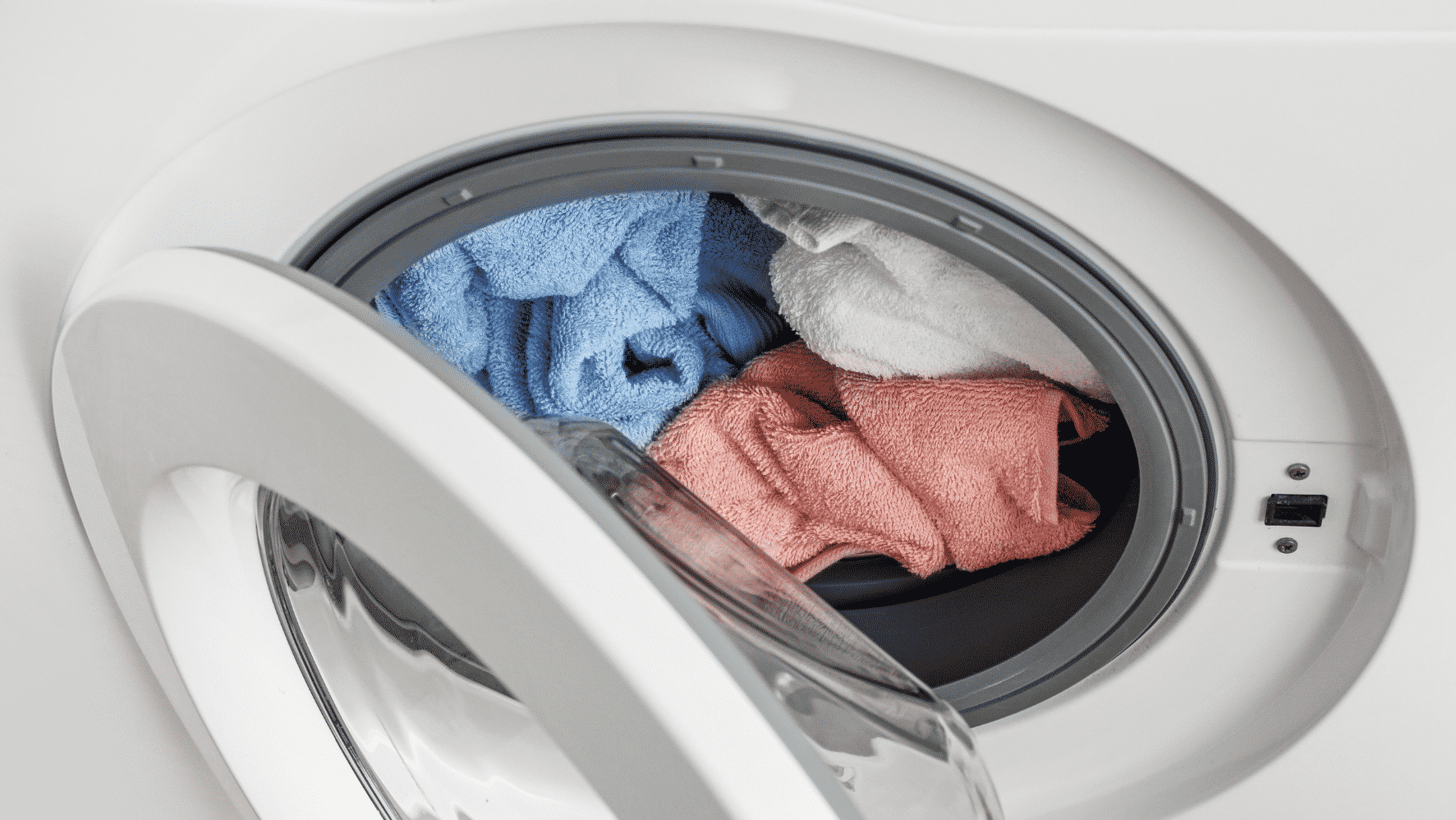
After finishing a laundry cycle, many people immediately close the washing machine door. However, this is one of the washing machine mistakes that can trap moisture inside the drum.
A closed, humid environment creates ideal conditions for mold, bacteria, and unpleasant odors to develop over time.
Instead, leave the door slightly open for a while after each wash. This allows residual moisture to evaporate naturally and helps keep the drum dry and well-ventilated.
This simple habit can significantly reduce odor problems, prevent mold growth, keep the machine cleaner, and extend the appliance’s lifespan.
9. Not Checking Clothing Pockets Before Washing
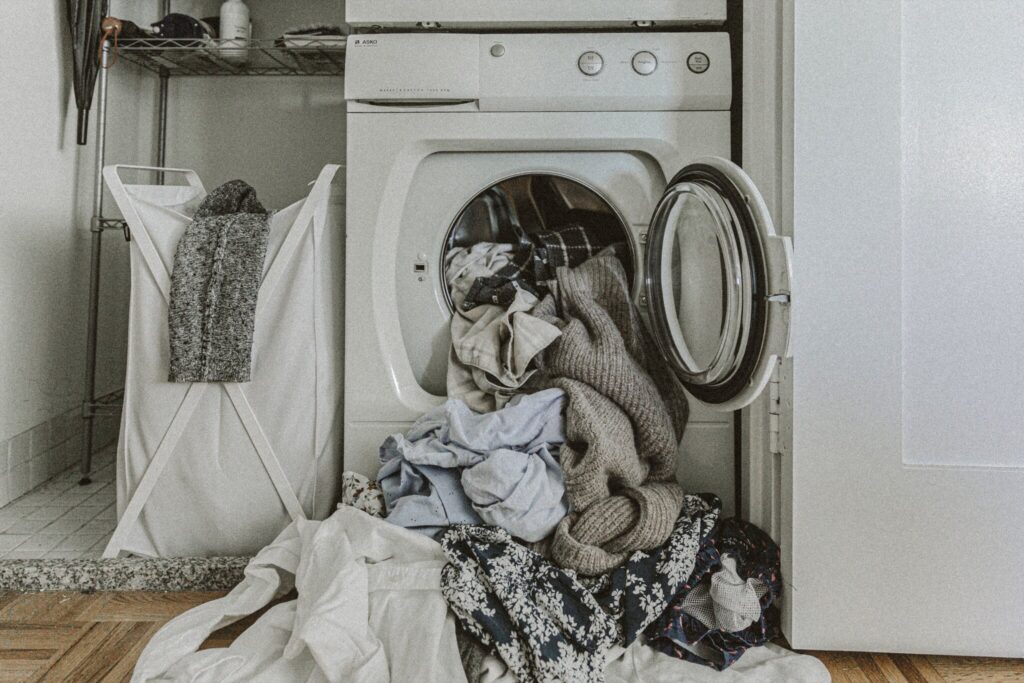
Another common washing machine mistake is leaving items inside clothing pockets before washing. Small objects such as coins, receipts, tissues, keys, and miscellaneous items may seem harmless but can create several problems during the wash cycle.
Making Clothes Dirty
Tissues and paper products can disintegrate in water and spread paper debris throughout the entire load, requiring additional cleaning.
Clogging Filters
Coins, buttons, and paper fragments may become trapped in filters or drainage systems, affecting machine performance.
Creating Excessive Noise
Hard objects such as keys or coins can repeatedly strike the drum during spinning cycles, creating loud noises and potentially scratching internal surfaces.
Affecting Machine Lifespan
If this occurs frequently, internal machine components may wear out more quickly or become damaged.
Checking pockets before washing is a simple but essential step that helps protect both your clothes and your washing machine while preventing unnecessary problems.
Washing machine mistakes do not only affect the cleanliness of your clothes. They can also have a direct impact on appliance lifespan and long-term household expenses.
From overloading the machine and using the wrong amount of detergent to neglecting maintenance and selecting incorrect wash cycles, each habit can lead to significant consequences over time.
Using a washing machine correctly is not difficult, but it does require greater attention and understanding throughout the laundry process. By avoiding these common washing machine mistakes, you can keep your clothes cleaner, protect your appliance, and save money in the long run.
>>>> Read more: Why is baking soda considered a powerful helper in laundry care?
Green Laundry – the leading company in providing quality and professional laundry solutions in Vietnam
Email: greenlaundry@giatuixanh.com
Phone: 028 36 222 180
Fanpage: Giặt Ủi Xanh – Chuyên Giặt Ủi Công Nghiệp
Address: Lot A57/II-Lot 58/II, Road No. 2D, Vinh Loc Industrial Park, Binh Tan Ward, Ho Chi Minh City.