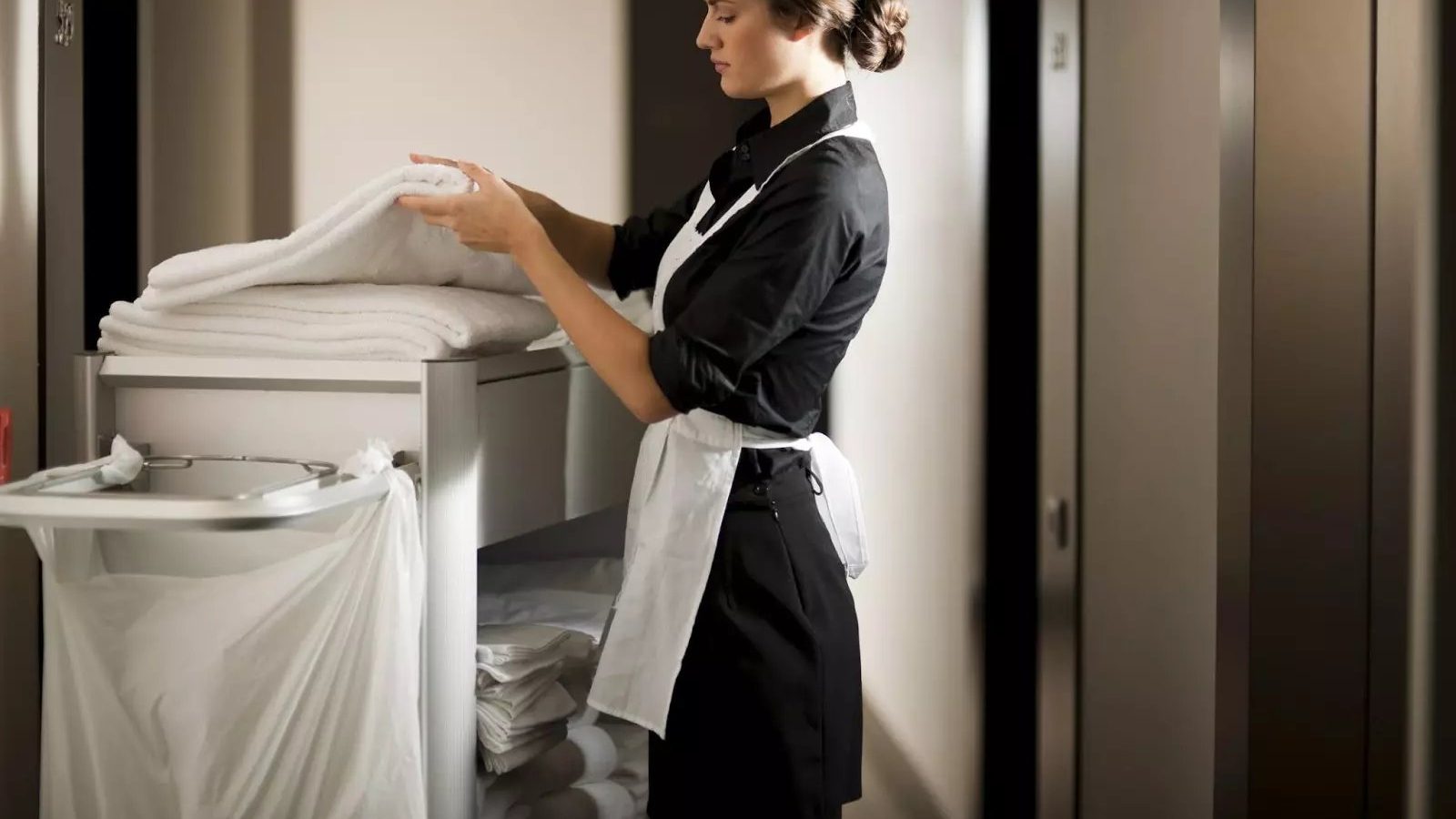
In the hotel industry, the quality of a guest room is not determined solely by its interior design, amenities, or service attitude. It is also reflected in the cleanliness of bed sheets, towels, bathrobes, and other textiles used daily. To maintain hygiene standards and provide guests with a comfortable experience, laundry operations play an essential role. However, when organizing laundry operations, many hotels face two options: investing in an in-house laundry system or partnering with a professional provider of hotel laundry services. Each option has its own advantages and limitations, depending on the hotel’s size, linen volume, workforce, and operating budget.
So, which solution is the most effective? To make the right decision, hotels need to consider not only immediate costs but also laundry quality, operational efficiency, and long-term management capabilities.
1. In-House Laundry at Hotels: Greater Control but Requires Investment and Resources
Operating an in-house laundry facility is an option chosen by some hotels, particularly smaller establishments or properties that already have a dedicated laundry area. Under this model, the hotel directly manages the entire process, from sorting, washing, and drying to quality inspection and linen storage.
Greater control over schedules and processes
One of the most noticeable advantages of in-house laundry is the ability to process textiles according to actual demand. Hotels can arrange washing schedules flexibly, prioritize towels or bed sheets that need urgent replenishment, and control each stage according to their internal procedures.
For properties with relatively stable linen volumes, in-house laundry can help them respond quickly to unexpected requirements without depending entirely on an external partner’s collection and delivery schedule.
High initial investment and operating costs
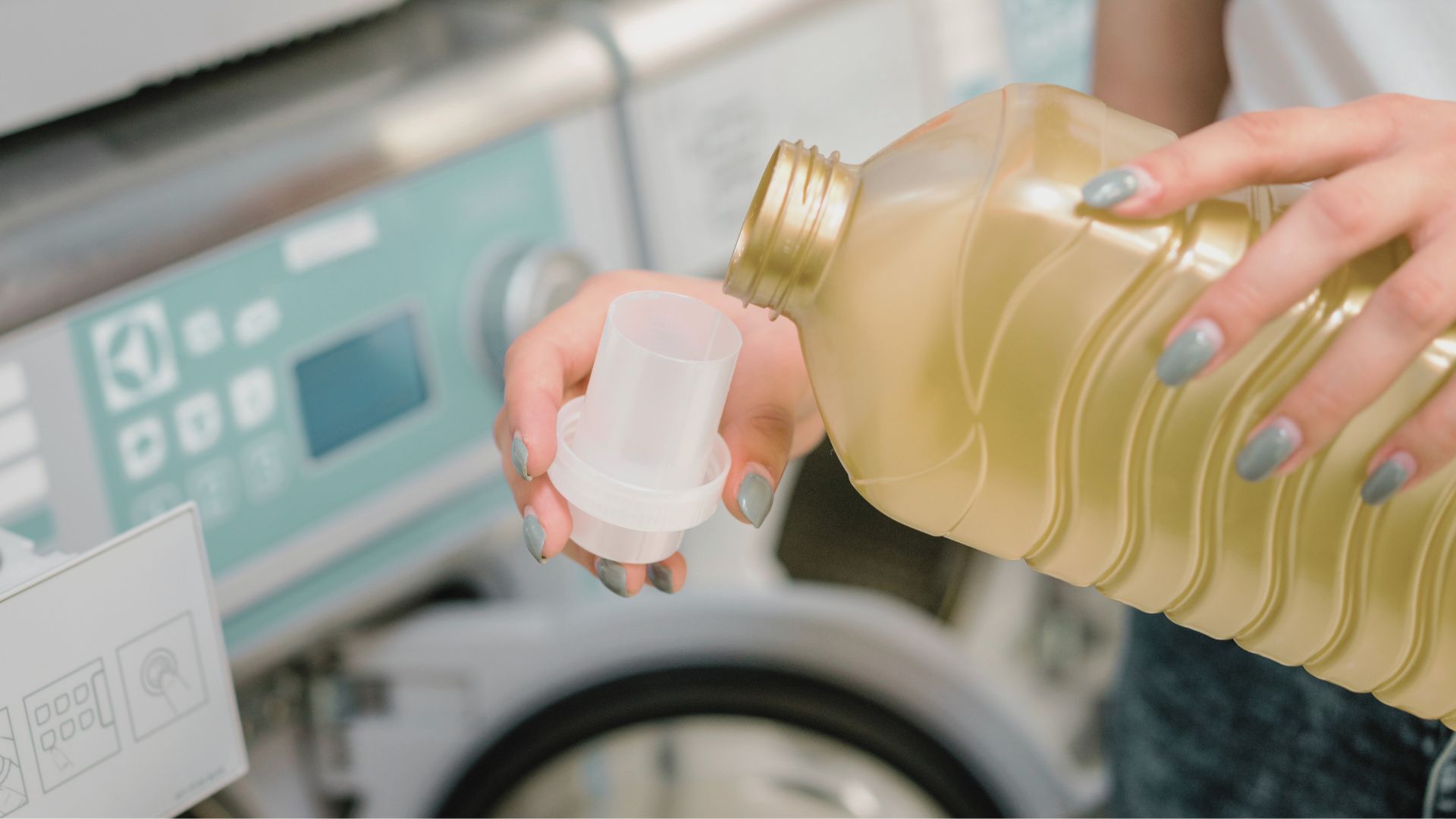
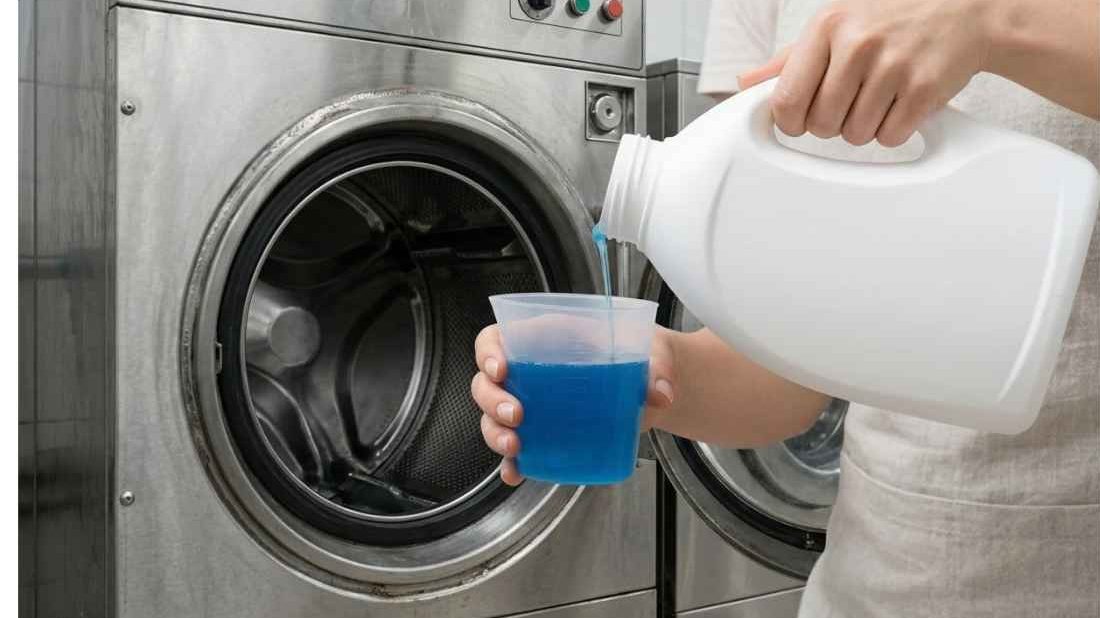
Although in-house laundry provides greater control over processing activities, it requires hotels to invest in washing machines, dryers, ironing equipment, water supply and drainage systems, and suitable laundry facilities. In addition to equipment purchasing costs, hotels must also account for electricity, water, chemicals, maintenance, repairs, and equipment replacement.
Furthermore, allocating dedicated personnel is another important consideration. Employees must be trained to sort textiles, select appropriate washing programs, use chemicals correctly, and inspect the quality of finished items. Without strict quality control procedures, textiles may fade, shrink, pill, or deteriorate prematurely.
Therefore, the cost of operating an in-house laundry facility goes beyond utility bills and chemical consumption. It also includes various other direct and indirect expenses.
Difficulty maintaining efficiency when linen volumes increase
During peak tourist seasons, weekends, or periods of high hotel occupancy, the volume of bed sheets, towels, and other textiles requiring processing can increase significantly. When equipment capacity cannot keep up with demand, hotels may experience backlogs of soiled linen, shortages of clean textiles, and delays in preparing guest rooms.
To address these issues, hotels may need to arrange additional staff shifts or invest in more equipment. This can result in considerable expenses, especially when increased demand occurs only during certain periods.
2. Outsourcing Hotel Laundry Services: Optimizing Operations and Resources
Instead of managing all laundry operations internally, hotels can partner with professional providers to process textiles according to agreed volumes and requirements. This solution is worth considering when a property wants to reduce the investment burden associated with equipment, personnel, and laundry process management.
2.1. Reducing Investment in Machinery and Facilities
When choosing professional hotel laundry services, accommodation providers do not need to build a complete in-house laundry system or bear the full cost of investing in large-capacity equipment. Their resources can instead be allocated to core business activities, such as upgrading guest rooms, improving customer experiences, and developing accommodation services.
Professional laundry providers generally operate machinery and processing systems designed to handle different workloads. Depending on the provider’s capabilities, textiles can be sorted, washed, dried, finished, and inspected before being returned to the hotel.
This model helps hotels reduce the burden of managing non-core operational activities while limiting the need for substantial upfront investment.
2.2. Improving Consistency in Laundry Quality
Hotel linens are used frequently and must undergo multiple washing cycles. If the laundry process is unsuitable, fabrics may quickly lose their softness and durability, fade, or develop unpleasant odors.
Professional hotel laundry services should include procedures for sorting textiles, selecting appropriate washing programs, and using chemicals suitable for different fabric categories. Controlling factors such as temperature, processing time, chemical dosage, and drying procedures helps minimize the risk of fabric damage.
Beyond cleaning performance, service quality is also reflected in post-wash inspections, identifying items that do not meet requirements, and ensuring that packaging and delivery follow agreed specifications. When these activities are performed consistently, they contribute to maintaining the hotel’s professional image.
However, actual service quality depends on the capabilities of each provider. Therefore, hotels should carefully review the partner’s operating procedures, quality control standards, and service capacity before signing a contract.
2.3. Adapting to Room Occupancy and Actual Demand
Laundry demand at hotels can fluctuate depending on tourism seasons, room occupancy rates, and business scale. Maintaining a dedicated in-house laundry system may require hotels to bear fixed costs even when linen volumes decrease.
By contrast, partnering with hotel laundry services can give properties greater flexibility in organizing textile processing according to actual demand. Hotels can discuss projected volumes, collection frequency, delivery schedules, and support arrangements during peak periods with their providers.
Nevertheless, flexibility can only be achieved when both parties clearly agree on processing times, service capacity, collection and delivery arrangements, and procedures for handling unexpected situations. Hotels should choose partners whose capabilities match both their current operations and future development plans.
2.4. Reducing the Burden of Managing Staff and Equipment
Operating an in-house laundry facility requires hotels to manage personnel, inspect machinery, control chemical usage, and handle unexpected equipment issues. These responsibilities can take up a significant amount of time for operational departments, particularly at properties with limited management resources.
By using hotel laundry services, hotels can reduce the workload associated with operating an internal laundry system. Staff can dedicate more time and attention to room preparation, guest services, and maintaining accommodation quality.
However, hotels still need to assign personnel to coordinate with the provider, monitor linen quantities, inspect delivered items, and address any discrepancies. Outsourcing does not eliminate management responsibilities entirely; rather, it transfers part of the operational workload to a specialized service provider.
3. Comparing In-House Laundry and Outsourced Hotel Laundry Services
To select the most suitable option, hotels should compare both models across multiple criteria rather than focusing solely on the washing price per kilogram of linen.
| Criteria | In-House Laundry at Hotels | Outsourced Hotel Laundry Services |
|---|---|---|
| Initial investment | May be high due to machinery, equipment, and dedicated laundry facilities | Generally reduces the need to invest in a separate laundry system |
| Operating costs | Includes electricity, water, chemicals, labor, maintenance, and equipment depreciation | Primarily depends on service rates, processing volume, and service agreement terms |
| Process control | Direct control over every stage of the process | Requires agreed standards and monitoring of the provider |
| Laundry quality | Depends on internal equipment, staff, and procedures | Depends on the provider’s capabilities, technology, and processes |
| Service capacity | Depends on available machinery and personnel | Depends on the provider’s capacity, delivery schedules, and commitments |
| Equipment maintenance | The hotel is responsible for all maintenance | Reduces the need to own and maintain a separate laundry system |
| Flexibility | Can handle laundry directly within internal operational capacity | Can be adjusted according to contractual arrangements and actual demand |
| Management resources | Requires supervision of laundry operations, staff, and equipment | Requires management of contracts, quality, and collection and delivery |
The comparison shows that each option has its own strengths. In-house laundry may be suitable for hotels that require direct control over on-site textile processing and have sufficient resources to manage the operation. In contrast, hotel laundry services may be a more practical option for properties seeking to reduce initial investment, minimize internal management responsibilities, and benefit from the expertise of an external provider.
The key is for hotels to evaluate the total cost of ownership and long-term operating expenses rather than simply comparing the direct washing costs of each option.
4. Factors to Consider Before Making a Decision
4.1. Hotel Size and Daily Linen Volume
This is one of the most important factors influencing the decision to operate an in-house laundry facility or outsource the service. Hotels should assess the number of rooms, average occupancy rates, number of guests, frequency of bed sheet and towel replacement, and daily linen volume.
If linen volumes are large and stable, investing in an in-house laundry system may be worth considering after a comprehensive cost assessment. Conversely, when demand fluctuates seasonally or is not sufficient to make effective use of machinery, hotel laundry services can help reduce the pressure of maintaining equipment capacity and covering fixed costs.
4.2. Budget and Actual Operating Costs
When preparing a budget, hotels should not simply compare the purchase price of washing machines with the service rates charged by external providers. For in-house laundry, they must also calculate equipment depreciation, electricity, water, chemicals, salaries, maintenance, repair costs, and the space required for laundry operations.
For outsourced services, hotels should consider pricing per kilogram or per textile category, transportation fees if applicable, additional charges, payment terms, and compensation policies specified in the contract.
Preparing a cost comparison for both options based on the same linen volume will help hotels make a more accurate assessment. It also provides a basis for determining whether hotel laundry services genuinely deliver economic benefits, rather than making decisions solely based on the initial quoted price.
4.3. Hygiene Standards and Quality Requirements
Bed sheets, towels, and other textiles that come into direct contact with guests must be cleaned properly, processed according to their fabric characteristics, and stored under suitable conditions after washing. If the process is not properly controlled, textiles may retain chemical residues, develop unpleasant odors, or become damaged after repeated use.
Therefore, when selecting hotel laundry services, accommodation providers should understand how the supplier sorts textiles, controls chemical usage, treats stains, inspects finished products, and maintains hygiene during packaging and transportation. Quality requirements should be clearly stated in the contract or in the procedures agreed upon by both parties.
4.4. Collection, Delivery, and Handling Unexpected Situations
Clean linens must be delivered on time so that hotels can prepare rooms for incoming guests. Even a single delayed or incomplete delivery can disrupt housekeeping operations, particularly during peak seasons.
Before signing a contract, hotels should therefore confirm collection schedules, processing times, inventory checking procedures, and arrangements for handling lost, damaged, or substandard textiles. A suitable hotel laundry services provider must not only deliver effective cleaning results but also ensure reliable coordination and delivery.
5. How to Choose the Right Hotel Laundry Services Provider
If a hotel decides to outsource its laundry operations, it should evaluate providers based on their actual capabilities rather than simply choosing the company with the lowest quotation.
First, examine the provider’s machinery, processing capacity, operating procedures, and experience serving customers in the hospitality industry. These factors help hotels assess whether the provider can handle their linen volume and maintain consistent service quality.
Next, clarify the pricing structure, weight calculation methods, collection and delivery schedules, acceptance standards, and each party’s responsibilities in the event of an incident. Contract terms concerning lost or damaged textiles, delivery delays, and unsatisfactory cleaning results should be clearly defined to minimize potential disputes.
Hotels should also consider requesting a trial processing service for a sample batch of textiles before signing a long-term contract. This allows the operations team to directly evaluate cleanliness, fragrance, softness, fabric condition, and finishing quality after washing.
A reliable hotel laundry services provider should meet three key requirements: consistent quality, transparent pricing, and delivery arrangements that suit the hotel’s operations. Regular performance evaluations after the partnership begins are also essential to ensure that processes can be adjusted when service demands or standards change.
6. Green Laundry – Your Trusted Laundry Partner for Hotels
For hotels, effective linen management not only helps maintain cleanliness but also contributes to cost control, fabric preservation, and improved guest experiences. However, achieving these goals requires laundry procedures that are appropriate for the property’s operational scale and service standards.
Green Laundry focuses on providing professional laundry solutions for business customers, supporting textile processing according to actual needs and operational requirements. Partnering with a professional laundry provider gives hotels another option for optimizing resources, reducing the burden of managing internal laundry operations, and focusing on the core values of their accommodation services.
When choosing hotel laundry services from Green Laundry, customers can discuss their linen volumes, fabric characteristics, washing frequency, and delivery requirements to identify a suitable service plan. Clearly defining these needs from the beginning helps both parties establish an effective coordination process while creating a foundation for quality and cost control throughout the partnership.
If your hotel is looking for a suitable laundry solution, contact Green Laundry for consultation based on your actual operational requirements.
Both in-house laundry and outsourcing can be suitable options, depending on each hotel’s size, budget, and operational capabilities. In-house laundry provides greater control but requires investment in equipment, personnel, and management procedures. Meanwhile, hotel laundry services help accommodation providers reduce the need to invest in a separate laundry system and allocate more resources to their core business activities.
To make the best decision, hotels should compare total operating costs, evaluate quality requirements, and determine their ability to meet long-term demand. By choosing the right operating model and a suitable service partner, laundry operations can become an effective part of hotel management, helping maintain textile quality and improve the overall guest experience.
>>>> Read more: Why is baking soda considered a powerful helper in laundry care?
Green Laundry – the leading company in providing quality and professional laundry solutions in Vietnam
Email: greenlaundry@giatuixanh.com
Phone: 028 36 222 180
Fanpage: Giặt Ủi Xanh – Chuyên Giặt Ủi Công Nghiệp
Address: Lot A57/II-Lot 58/II, Road No. 2D, Vinh Loc Industrial Park, Binh Tan Ward, Ho Chi Minh City.